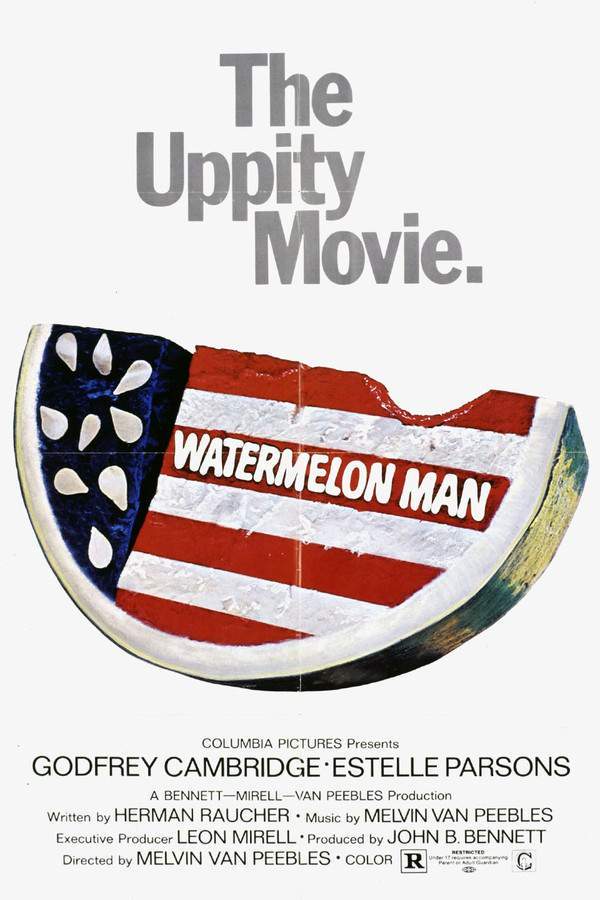
Jeff Gerber, an insurance salesman, experiences a startling physical transformation that changes his skin color. Suddenly facing prejudice and racial assumptions firsthand, he's forced to confront his own biases and the complexities of social injustice. As he adjusts to this unexpected reality, his personal life unravels, leading him on a journey of self-discovery and ultimately, the importance of understanding and acceptance.
Find where to stream, rent, or buy Watermelon Man (1970) in the US with current JustWatch availability, up-to-date pricing, and platform listings for subscription, rental, and digital purchase options.
Warning: spoilers below!
Haven’t seen Watermelon Man yet? This summary contains major spoilers. Bookmark the page, watch the movie, and come back for the full breakdown. If you're ready, scroll on and relive the story!
Explore the full timeline and setting of Watermelon Man (1970). Follow every major event in chronological order and see how the environment shapes the story, characters, and dramatic tension.
Last updated: October 22, 2024 at 23:17
Meet the key characters of Watermelon Man (1970), with detailed profiles, motivations, and roles in the plot. Understand their emotional journeys and what they reveal about the film’s deeper themes.
Last updated: October 22, 2024 at 23:17
Explore the central themes of Watermelon Man (1970), from psychological, social, and emotional dimensions to philosophical messages. Understand what the film is really saying beneath the surface.
Last updated: October 22, 2024 at 23:17
Browse frequently asked questions about Watermelon Man (1970) focused on characters, relationships, themes, symbols, setting, and story context. This movie info FAQ gives spoiler-aware explanations for character arcs, world details, and thematic interpretation so readers can better understand what the film is really about.
The movie takes place primarily in a typical suburban neighborhood that represents an idyllic yet superficial lifestyle. This setting contrasts sharply with the 'colored part of town,' symbolizing the racial divisions Jeff must navigate after his transformation. The contrast between these two locations reflects the societal tensions the film explores.
The film is set in the contemporary era of the early 1970s, capturing the social issues of the time regarding race relations. The movie tackles the stereotypes and prejudice prevalent in American society during that period, using its setting to highlight ongoing dialogues about identity and acceptance.
Identity is the central theme of the film. Jeff Gerber undergoes a surreal transformation that forces him to confront his racial identity, exposing both personal struggles and societal expectations. His journey explores the complexities of understanding oneself in a racially charged environment, showing how external perceptions can fundamentally alter one's sense of self.
Racial discrimination is a prominent theme as Jeff's transformation exposes him to the systemic biases that many individuals face daily. His experiences serve as a critique of society's superficial judgments based on appearance, prompting a broader discussion about racism and the importance of empathy and understanding.
Jeff Gerber is a typical suburban insurance salesman whose life takes a dramatic turn following his unexpected transformation. Initially unaware of his privilege, he grapples with new prejudices and assumptions placed upon him due to his changed skin color. Throughout the film, he evolves from ignorance to a deeper understanding of societal issues surrounding race.
Althea is Jeff's wife in the film. Initially appearing open-minded, she struggles with her husband's transformation and what it means for their relationship. Her character represents the emotional toll of societal pressures and personal disappointments, ultimately leading her to seek a new path away from Jeff. Her journey reflects the complexities of marriage during turbulent times.
The film delves into the struggles within Jeff and Althea's marriage, showcasing how external societal pressures strain their relationship. Althea's growing dissatisfaction highlights the challenges of maintaining a partnership in the face of personal upheaval and changing dynamics, ultimately leading to a pivotal decision that affects their family.
The 'colored part of town' is a location in the film that represents the complexities and challenges of racial divisions. It serves as a contrast to the suburban home where Jeff previously lived, highlighting the different worlds Jeff must navigate after his transformation and the societal barriers that exist between them.
The film is classified as a comedy, but it carries serious thematic weight. While its satirical comedy framework provides breathing room and prevents the heavy subject matter from being overwhelming, the dominant tone is dark due to its serious exploration of racism and prejudice. The comedic elements leaven the weightier themes of systemic injustice.
Jeff's physical transformation symbolizes a forced confrontation with racial prejudice and privilege. It serves as an allegory that makes the invisible visible, by experiencing life as a Black man, Jeff must confront the systemic biases he previously ignored. His journey represents the painful but necessary process of developing empathy and understanding systemic injustice.
The movie carries a hopeful ending message about acceptance and understanding. After his ordeal, Jeff finds a new sense of purpose and self-acceptance. The film uses discomfort as a catalyst for change, showing that forced empathy through direct experience can lead to genuine personal growth and a deeper understanding of societal issues.
Discover curated groups of movies connected by mood, themes, and story style. Browse collections built around emotion, atmosphere, and narrative focus to easily find films that match what you feel like watching right now.
Surreal transformations that force characters to confront society's injustices.Find movies like Watermelon Man that use surreal body-swap or identity-shift premises for social commentary. These similar satirical stories explore themes of prejudice and self-discovery through a comedic yet thought-provoking lens, perfect if you enjoyed the uncomfortable humor of Watermelon Man.
These narratives typically begin with a self-satisfied protagonist whose worldview is shattered by a sudden, involuntary transformation. The story follows their journey through a society that now treats them differently, exposing hidden prejudices and forcing them to challenge their own beliefs, often culminating in a new, more empathetic understanding.
Movies are grouped here for their shared use of a high-concept, allegorical premise to deliver social satire. They blend dark comedy with serious themes, creating an experience that is both humorous and deeply confronting, using a character's forced perspective shift to explore complex societal issues.
Stories that use discomfort as a catalyst for personal growth and understanding.Discover films similar to Watermelon Man that use uncomfortable and anxious narratives to foster empathy and understanding. If you liked how Watermelon Man forces its protagonist to confront bias, you'll find more thought-provoking stories here about personal transformation through difficult experiences.
The narrative pattern involves a character being thrust into a situation that directly contradicts their privileged or ignorant worldview. The plot is driven by their series of awkward, tense, or hostile encounters, which chip away at their former self, leading to a crisis and eventual acceptance of a more complex reality.
These films are connected by their core goal of using narrative discomfort as a vehicle for empathy. They share a medium emotional weight and a steady pacing that allows the unease to simmer, resulting in a viewing experience that is intentionally challenging but ultimately hopeful or enlightening.
Don't stop at just watching - explore Watermelon Man in full detail. From the complete plot summary and scene-by-scene timeline to character breakdowns, thematic analysis, and a deep dive into the ending - every page helps you truly understand what Watermelon Man is all about. Plus, discover what's next after the movie.
Read a complete plot summary of Watermelon Man, including all key story points, character arcs, and turning points. This in-depth recap is ideal for understanding the narrative structure or reviewing what happened in the movie.
Track the full timeline of Watermelon Man with every major event arranged chronologically. Perfect for decoding non-linear storytelling, flashbacks, or parallel narratives with a clear scene-by-scene breakdown.
Discover movies like Watermelon Man that share similar genres, themes, and storytelling elements. Whether you’re drawn to the atmosphere, character arcs, or plot structure, these curated recommendations will help you explore more films you’ll love.
Watermelon Man (1970) Plot Summary & Movie Recap
Watermelon Man (1970) Scene-by-Scene Movie Timeline
Watermelon Man (1970) Spoiler-Free Summary & Key Flow
Movies Like Watermelon Man – Similar Titles You’ll Enjoy
The Change-Up (2011) Spoiler-Packed Plot Recap
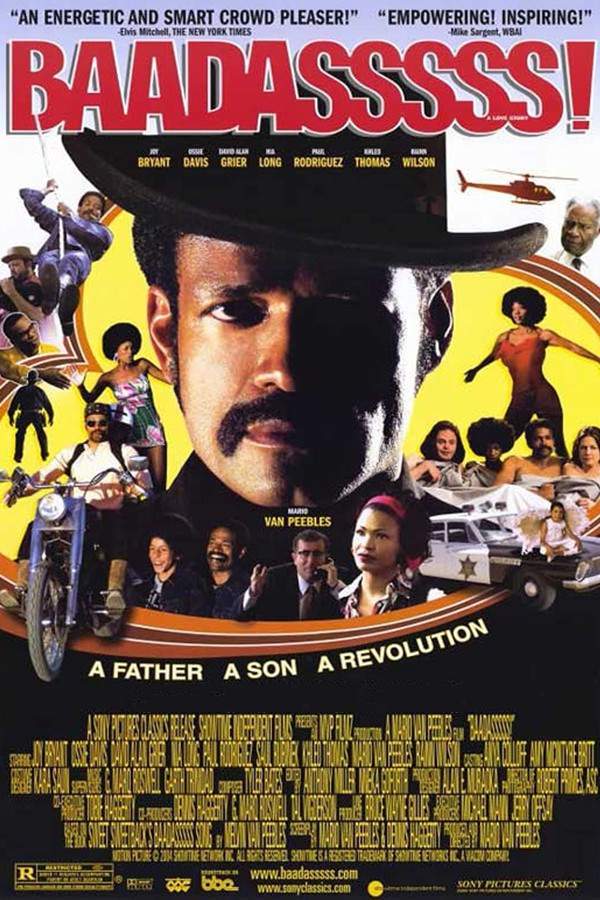
Baadasssss! (2004) Ending Explained & Film Insights
Don't Be a Menace to South Central While Drinking Your Juice in the Hood (1996) Film Overview & Timeline
The Jerk (1979) Ending Explained & Film Insights
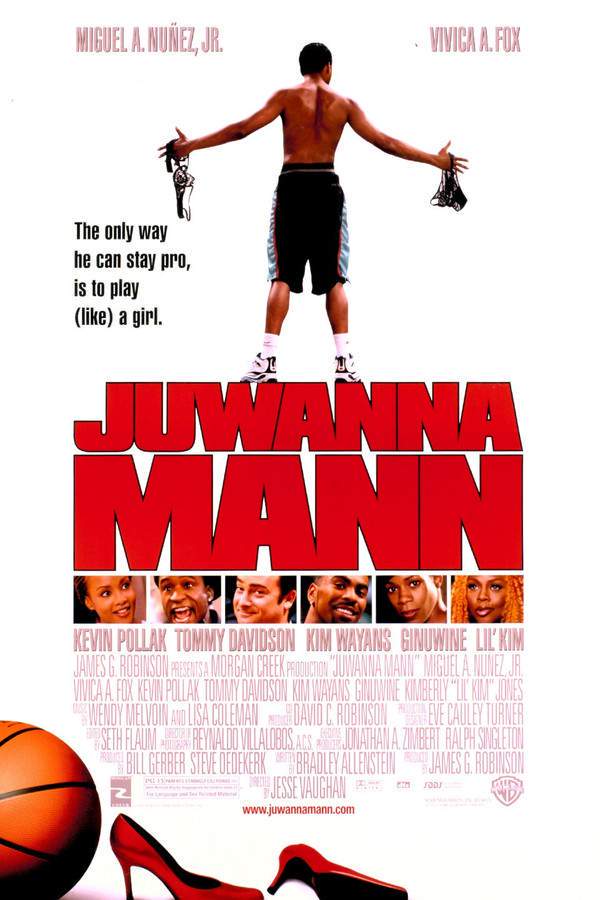
Juwanna Mann (2002) Film Overview & Timeline
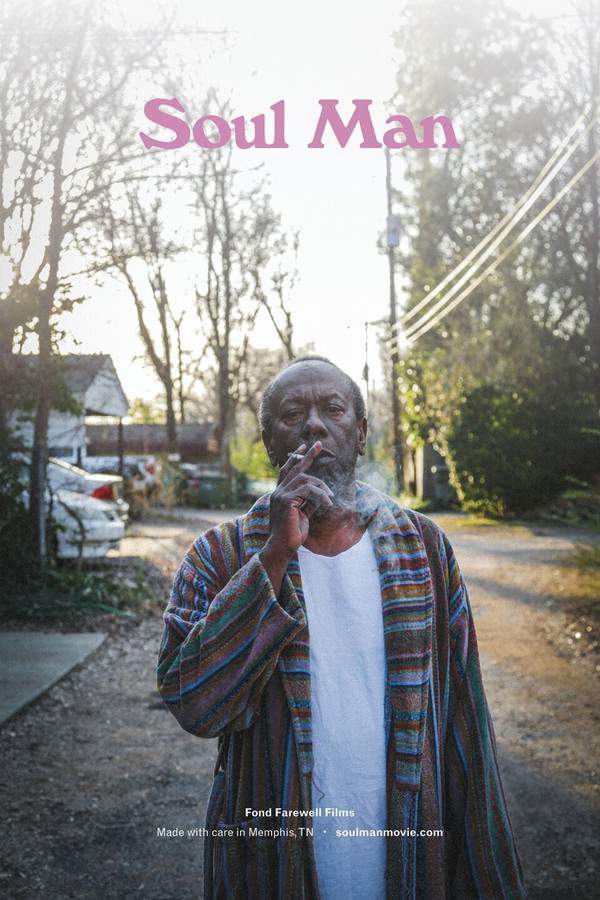
Soul Man (1986) Ending Explained & Film Insights
The Average White Man (2001) Full Summary & Key Details
Sugar Water (1983) Complete Plot Breakdown
The Water Nymph (1912) Complete Plot Breakdown
Change of Mind (1969) Full Movie Breakdown
White Men Can’t Jump (1992) Story Summary & Characters
The Six Thousand Dollar Nigger (1979) Story Summary & Characters
Bongwater (1998) Full Movie Breakdown
White Woman (1933) Complete Plot Breakdown
The Size of Watermelons (1997) Ending Explained & Film Insights