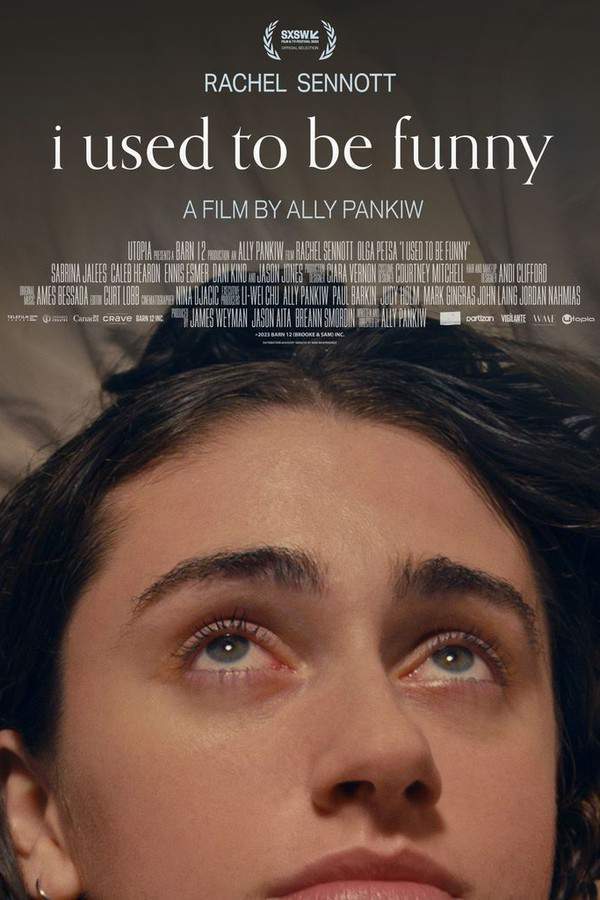
I Used to Be Funny
 #2,161 8
 Year: 2024
Runtime: 1 h 45 m
Language: english
Director: Ally Pankiw
Echo Score: 78Budget: $2M
When a former charge unexpectedly goes missing, aspiring comedian and au pair Sam Cowell’s life is thrown into turmoil. Haunted by PTSD and grappling with anxieties, she must confront her inner demons while joining the search for Brooke. This journey forces her to face her past and offers a chance to rediscover her voice and find her way forward.
Where to Watch I Used to Be Funny?
Find where to stream, rent, or buy I Used to Be Funny (2024) in the US with current JustWatch availability, up-to-date pricing, and platform listings for subscription, rental, and digital purchase options.









Streaming availability powered by 
Warning: spoilers below!
Haven’t seen I Used to Be Funny yet? This summary contains major spoilers. Bookmark the page, watch the movie, and come back for the full breakdown. If you're ready, scroll on and relive the story!
I Used to Be Funny (2024) – Full Plot Summary & Ending Explained
Read the complete plot breakdown of I Used to Be Funny (2024), including all key story events, major twists, and the ending explained in detail. Discover what really happened, and what it all means.
While Vince, portrayed by Ed Skrein, once reveled in the spotlight with his band Stereo Dreams alongside Austin (Eoin Macken), two decades later, he finds himself struggling as an unemployed musician. Determined to reignite his passion for music, Vince begins busking on the streets but faces constant rejection when seeking gigs at local bars. Despite his attempts to showcase his new compositions to music shops, he receives no positive feedback. In stark contrast, Austin has skyrocketed to fame, preparing to release his final album and embark on a farewell tour.
During one of Vince's outdoor performances, he crosses paths with Stevie (Leo Long), a young drummer who joins in on the fun. Their shared enthusiasm for music quickly blossoms into a friendship, and together they dream of forming a band. Meanwhile, Vince is infatuated with Mel (Racheal Ofori), a bartender at a local pub known as Peckham's Finest. Despite Mel's encouragement, Vince faces rejection from the pub's owner, Dave (Joplin Sibtain).
Determined to succeed, Vince cleverly uses a viral clip of their busking session to secure a gig at Peckham's Finest. With the initial reservations of Stevie's mother, Amber (Eleanor Matsuura), eventually quelled by Stevie’s evident dedication, the two embark on a series of rehearsals. An encounter with Austin at Firestarter studios leads Vince to extend an invitation to his former bandmate for the upcoming gig. Austin's lukewarm response doesn't deter Vince, who intriguing names the group "Denham," which Dave dismissively renames to the "Tin Men".
As they take the stage, the gig seems promising until Vince pushes the audience's patience too far. After performing one song too many, the crowd grows hostile, leading to a confrontation with an aggressive fan which results in both Vince and Stevie being banned from the pub. Amber, upset over the incidents, instructs Stevie to steer clear of Vince, leaving him heartbroken. Alone at home, Vince reflects on painful memories, particularly the loss of his younger brother during the pinnacle of his career.
In the midst of this turmoil, Dennis (Neil Stuke), the tour manager, offers Vince ten additional tour dates, urging him not to dwell on the decision too long. This decision weighs heavily on Vince as he contemplates the significance of superficial fame versus his budding relationship with Stevie. Simultaneously, Stevie makes a bold move, expressing his desire to pursue music education while clandestinely seeking gigs for their band. When Stevie successfully gets a performance lined up, he calls Vince to join him. Vince's dedication grows further as he engages with Stevie's autism support group, where his mentoring skills catch the attention of the group leader, opening up a new job opportunity.
In a twist of fate, Vince receives a call that many dream of – an invitation from Austin to be the opening act on his farewell tour. However, this golden opportunity would exclude Stevie, forcing Vince to confront his priorities again. Recalling the painful moment from his past when he chose fame over family, Vince initially seems to repeat the cycle as Amber advises him to step back from Stevie's life. She acknowledges that Vince had unlocked a part of Stevie that nobody else had.
This crucial meeting prompts Vince to reassess his life goals. As he stands in the recording studio, a pivotal moment unfolds when he is informed that his music is being tailored for commercial success. He is pressed for a decision under duress, echoing the sentiments that had haunted him for years. In a moment of clarity, Vince realizes that the fame he was so desperately chasing no longer fulfills him.
Instead, he opts to forge a new path, embracing his renewed bond with Stevie as a brother figure. The film culminates in a heartwarming finale where Vince organizes a concert for Stevie's birthday, solidifying their resilient friendship and showcasing the growth they have both experienced together.
Last updated: October 24, 2024 at 08:34
I Used to Be Funny (2024) Plot Questions Answered – Summary FAQ
Explore frequently asked questions about I Used to Be Funny (2024) with spoiler-rich answers covering the full plot summary, major story beats, character motivations, hidden details, and ending meaning. This movie summary FAQ helps explain confusing scenes, plot twists, and narrative decisions in clear, searchable detail.
Why does Vince struggle to find success after his band Stereo Dreams?
Vince was once famous as part of Stereo Dreams with Austin, but twenty years later he's now unemployed. The film doesn't specify exactly what caused his fall from grace, but he's shown facing constant rejection when seeking gigs and receiving no positive feedback on his new compositions. His former bandmate Austin has continued to success, while Vince has been left behind in the music industry.
What happened to Vince's younger brother?
Vince's younger brother died during Vince's rise to fame with Stereo Dreams. This tragic loss haunts Vince throughout the film and is a key reason for his emotional turmoil. The memory of choosing career over family contributes to his difficulty in making decisions about his relationship with Stevie.
Why does Vince choose Stevie over Austin's farewell tour?
When Austin offers Vince the opportunity to be the opening act on his farewell tour, it would require excluding Stevie. Vince initially seems ready to repeat his past mistake of choosing fame over family, but after meeting with Amber and recalling how he lost his brother while chasing success, he realizes that superficial fame no longer fulfills him. He chooses to prioritize his meaningful bond with Stevie instead.
Why was Vince banned from Peckham's Finest?
During their gig at Peckham's Finest, Vince pushes the audience's patience too far by performing one song too many. The crowd becomes hostile, leading to a confrontation with an aggressive fan. This results in both Vince and Stevie being banned from the pub.
Why does Amber initially object to Stevie's friendship with Vince?
Amber, Stevie's mother, has initial concerns about their partnership, likely due to Vince's unstable situation as an unemployed musician and the chaotic first gig that led to their banishment from the pub. After the pub incident, Amber explicitly tells Stevie to stay away from Vince, leaving him heartbroken.
How did Vince secure a gig at Peckham's Finest?
Vince cleverly used a viral clip of his busking session with Stevie to secure the gig at Peckham's Finest. The video showcased their musical synergy and helped convince the pub owner Dave to give them a chance.
What is the significance of the band name Denham versus Tin Men?
Vince names their band 'Denham,' but the pub owner Dave dismissively renames it to 'Tin Men.' This reflects Dave's skeptical attitude toward Vince's musical ambitions and serves as a minor humiliation before their performance.
What job opportunity does Vince get from Stevie's support group?
Vince becomes involved with Stevie's autism support group, where he demonstrates strong mentoring skills. This catches the attention of the group leader and opens up a new job opportunity for Vince, representing his first meaningful employment in years.
Why does Vince decide not to tailor his music for commercial success?
In the recording studio, Vince is pressured to conform his music for commercial success. However, this moment forces him to confront his long-held aspirations and the emptiness that fame brought him in the past. He chooses instead to embrace his renewed bond with Stevie, rejecting the commercial path.
How do Vince and Stevie's relationship develop throughout the film?
Vince and Stevie meet during a busking session and immediately connect over their shared passion for music. Their friendship blossoms as they rehearse together and dream of forming a band. Despite being banned from a pub and facing Amber's initial objections, they grow closer. Vince ultimately sees Stevie as a brother figure, choosing their friendship over a major career opportunity.
What does the final concert for Stevie's birthday represent?
The final concert organized by Vince for Stevie's birthday represents the culmination of their journey together. It showcases the growth both have experienced and solidifies their resilient friendship. The heartwarming finale symbolizes Vince's transformation from a struggling, fame-chasing musician to someone who finds true joy in meaningful human connection.
Ending Explained – What Happens at the End of I Used to Be Funny?
Still wondering what the ending of I Used to Be Funny (2024) really means? Here’s a spoiler-heavy breakdown of the final scene, major twists, and the deeper themes that shape the film’s conclusion.
The ending of I Used To Be Funny reveals a powerful transformation in Sam’s character. Throughout the story, she struggles to regain her laughter and sense of self after experiencing trauma at the hands of Cameron, her abuser. Her journey of healing culminates in her return to comedy, where she manages to joke about her past abuse, turning her pain into humor. This moment signifies her reclaiming her voice and her identity, showing that she is finally able to say, "I am funny" instead of "I used to be funny."
Before that, we see her rebuild her relationship with Brooke, the girl she once cared for and who blames her for her own rebellious path. Their reunion at the end symbolizes closure and redemption for both. Brooke’s acknowledgment of her own anger and pain helps Sam understand that she wasn’t responsible for Brooke's struggles, and their reconciliation marks a step toward healing. By taking Brooke on a trip to Niagara Falls, Sam also begins to forgive herself and find joy again.
Ultimately, the film closes on a note of hope and resilience. Sam’s return to the stage, confidently joking about her trauma, shows that she has found her strength and humor once more. She no longer sees herself as someone who has lost her funny bone; instead, she’s transformed into someone who can face her darkness with courage and wit. The title "I Used To Be Funny" fades away as she embraces her authentic self, ready to laugh and live anew.
Last updated: June 25, 2025 at 09:02

Explore Movie Threads
Discover curated groups of movies connected by mood, themes, and story style. Browse collections built around emotion, atmosphere, and narrative focus to easily find films that match what you feel like watching right now.
Redemptive Journeys with Humor like I Used to Be Funny
Characters confronting their past find hope and healing through human connection. Explore movies like I Used to Be Funny, where characters find hope and healing through connection. This collection features uplifting dramedies about personal redemption, mentorship, and finding your way forward with a blend of heart and humor. If you enjoyed Sam's journey, you'll find similar stories here.








Narrative Summary
The narrative typically follows a protagonist burdened by a difficult past or recent failure. An external event or new relationship—often with a younger or more vulnerable person—forces them to engage with the world again. The story unfolds steadily, balancing moments of reflection and emotional weight with humor and small victories, culminating in a hopeful resolution that emphasizes personal growth over complete perfection.
Why These Movies?
Movies in this thread are grouped by their shared focus on redemption arcs that feel earned and authentic. They blend medium emotional weight with a consistently hopeful tone, using humor not to dismiss pain but to show resilience. The pacing is character-driven and steady, making the journey of healing feel realistic and rewarding.
Gentle Dramedies of Personal Growth like I Used to Be Funny
Quiet stories where overcoming internal struggles leads to finding one's voice. Find movies similar to I Used to Be Funny that sensitively explore mental health and finding your voice. These gentle dramedies focus on internal struggles, personal growth, and the supportive relationships that help characters move forward. If you liked the hopeful and reflective vibe, you'll enjoy these stories.
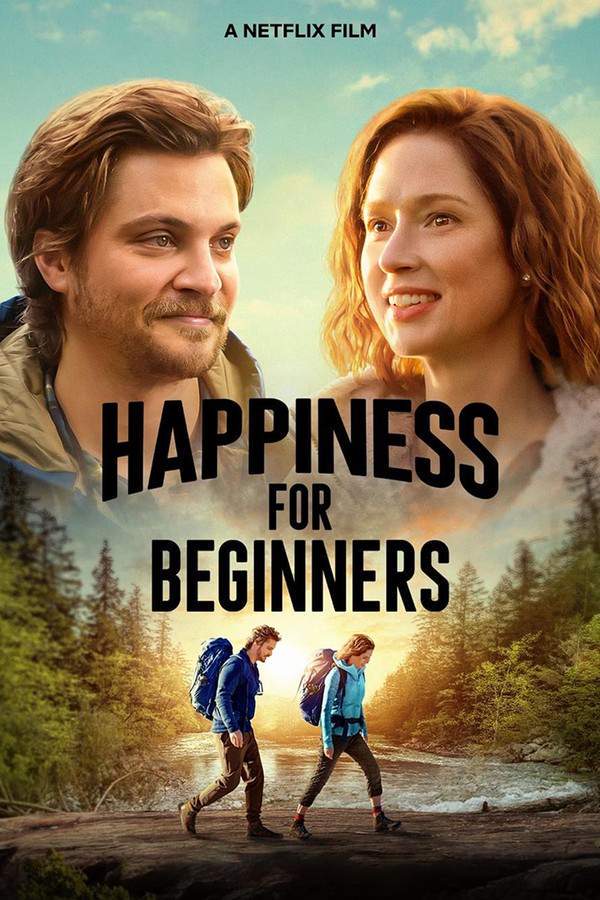
Happiness for Beginners
2023

Hope Springs
2003
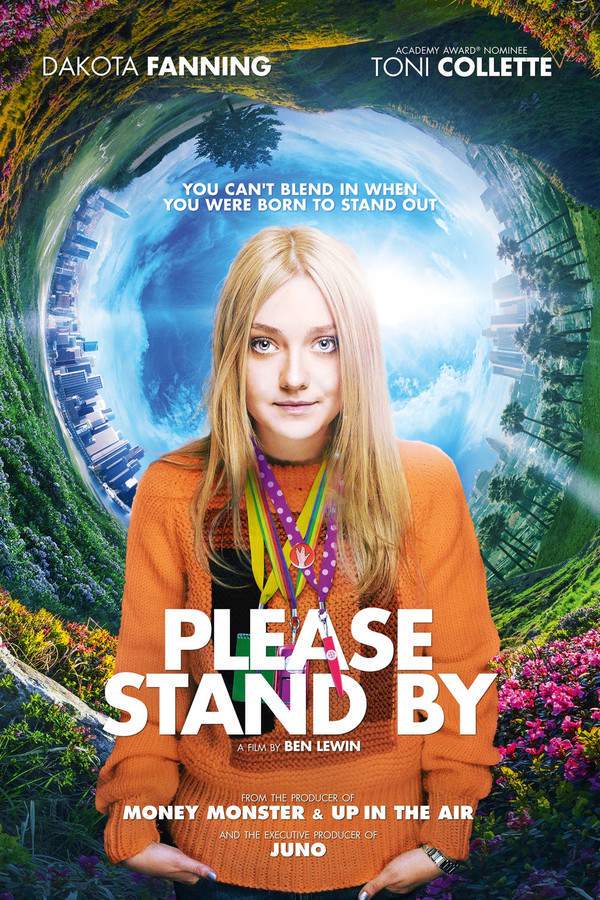
Please Stand By
2018
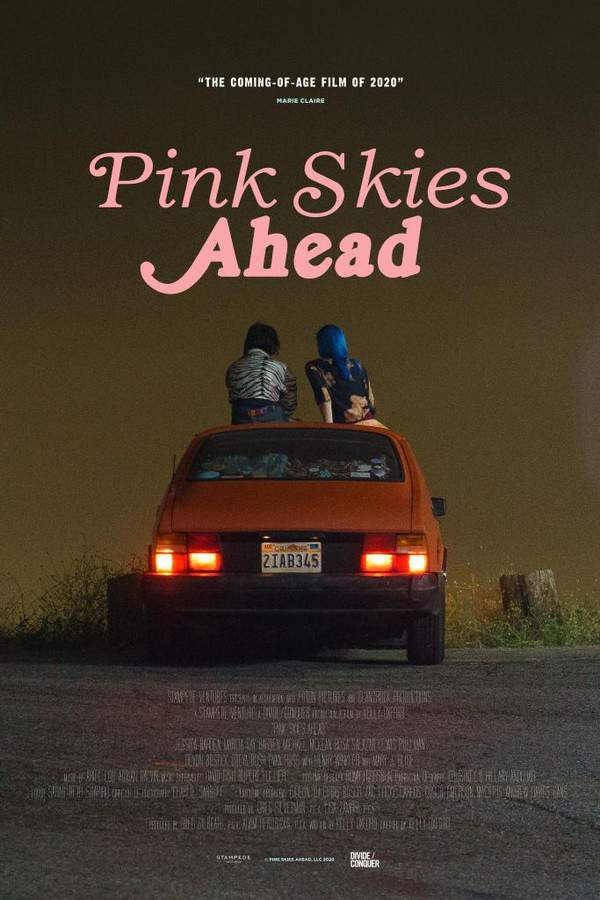
Pink Skies Ahead
2021

Dramatic School
1938
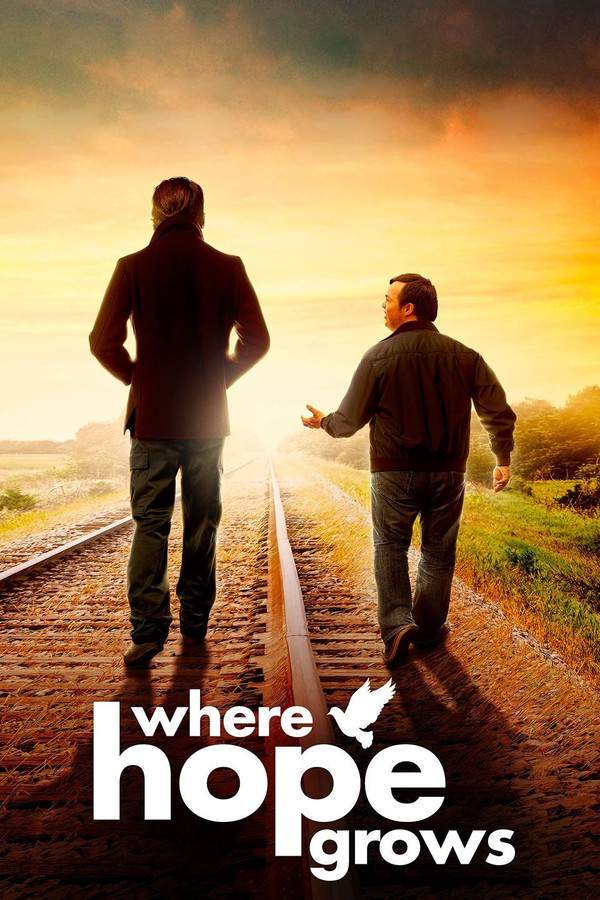
Where Hope Grows
2015

How Old Are You
2014
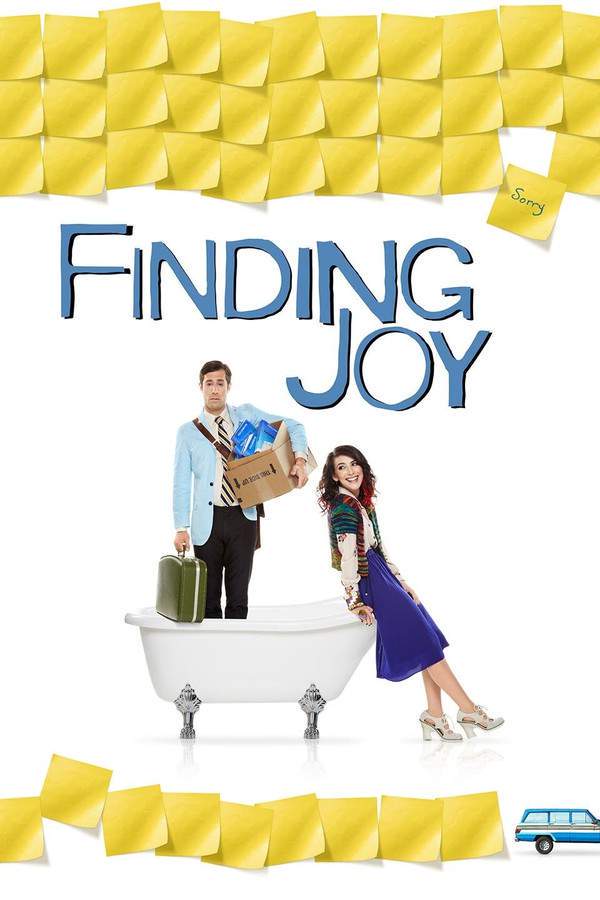
Finding Joy
2013

Tumse Na Ho Payega
2023

The Secret: Dare to Dream
2020

Second Act
2023
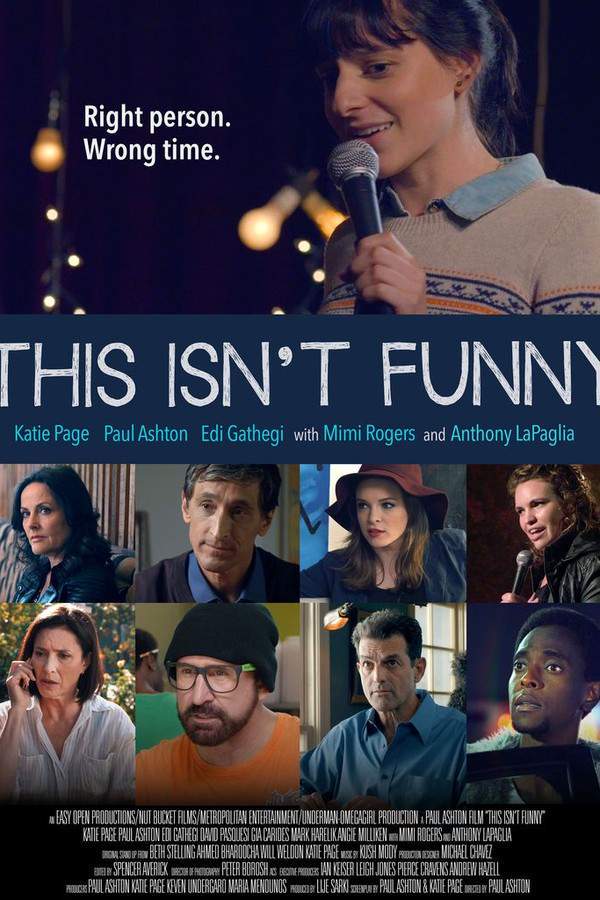
This Isn't Funny
2015
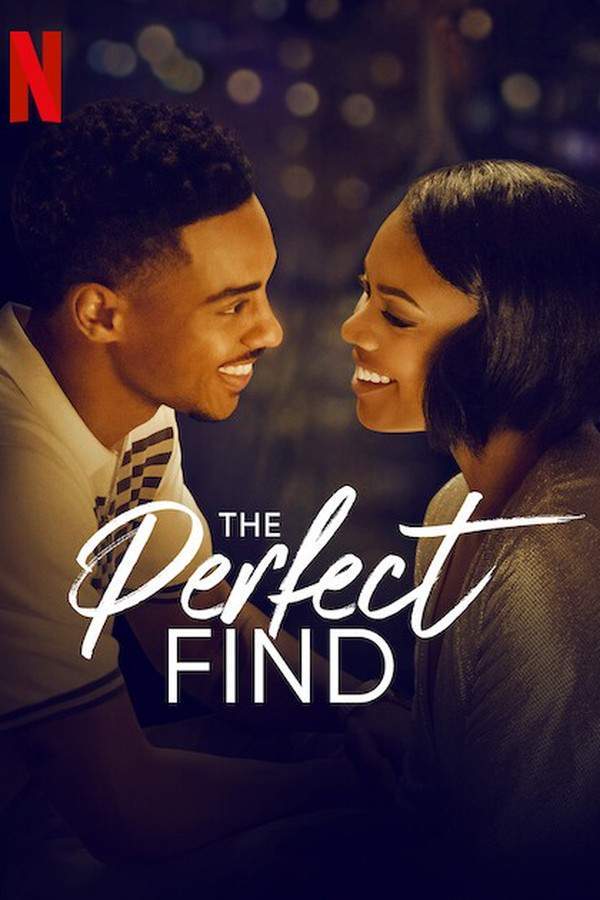
The Perfect Find
2023
I Used to Be Funny
2024

We Can Do That
2008
Narrative Summary
These narratives prioritize character interiority over external plot. The protagonist's journey is defined by managing their inner world—be it grief, anxiety, or trauma—while taking small, often difficult steps toward engagement and recovery. The plot serves the character arc, with a steady pace that allows for reflection and gradual change, leading to a conclusion that feels hopeful and earned.
Why These Movies?
These films share a specific mood blend: they are melancholic and reflective yet ultimately heartwarming and uplifting. They handle serious topics like PTSD or grief without becoming overwhelmingly heavy, maintaining a medium intensity and a straightforward narrative complexity that keeps the focus squarely on the emotional journey and personal breakthrough.
Unlock the Full Story of I Used to Be Funny
Don't stop at just watching - explore I Used to Be Funny in full detail. From the complete plot summary and scene-by-scene timeline to character breakdowns, thematic analysis, and a deep dive into the ending - every page helps you truly understand what I Used to Be Funny is all about. Plus, discover what's next after the movie.
I Used to Be Funny Timeline
Track the full timeline of I Used to Be Funny with every major event arranged chronologically. Perfect for decoding non-linear storytelling, flashbacks, or parallel narratives with a clear scene-by-scene breakdown.

Characters, Settings & Themes in I Used to Be Funny
Discover the characters, locations, and core themes that shape I Used to Be Funny. Get insights into symbolic elements, setting significance, and deeper narrative meaning - ideal for thematic analysis and movie breakdowns.

I Used to Be Funny Ending Explained
What really happened at the end of I Used to Be Funny? This detailed ending explained page breaks down final scenes, hidden clues, and alternate interpretations with expert analysis and viewer theories.



Similar Movies to I Used to Be Funny
Discover movies like I Used to Be Funny that share similar genres, themes, and storytelling elements. Whether you’re drawn to the atmosphere, character arcs, or plot structure, these curated recommendations will help you explore more films you’ll love.
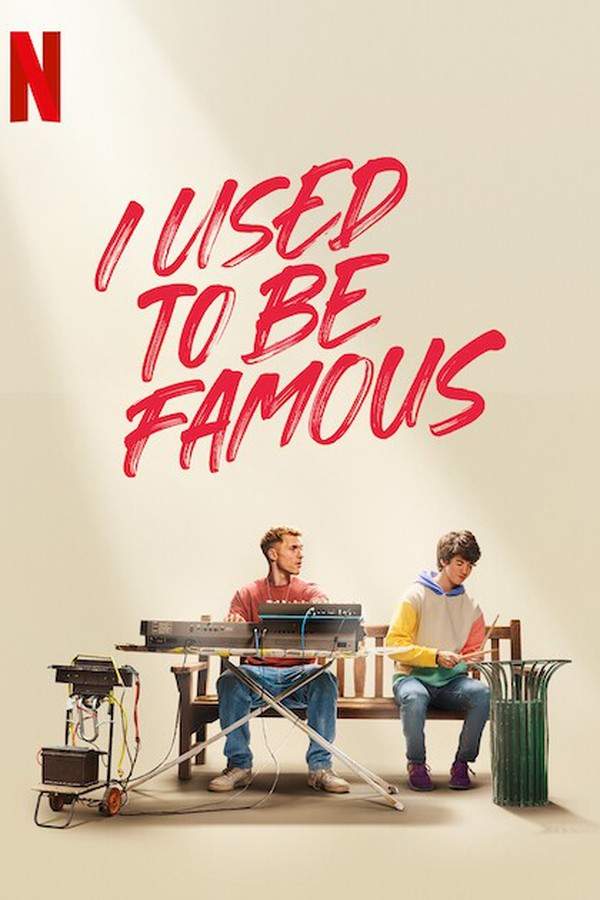
I Used to Be Famous
2022
This Isn't Funny
2015
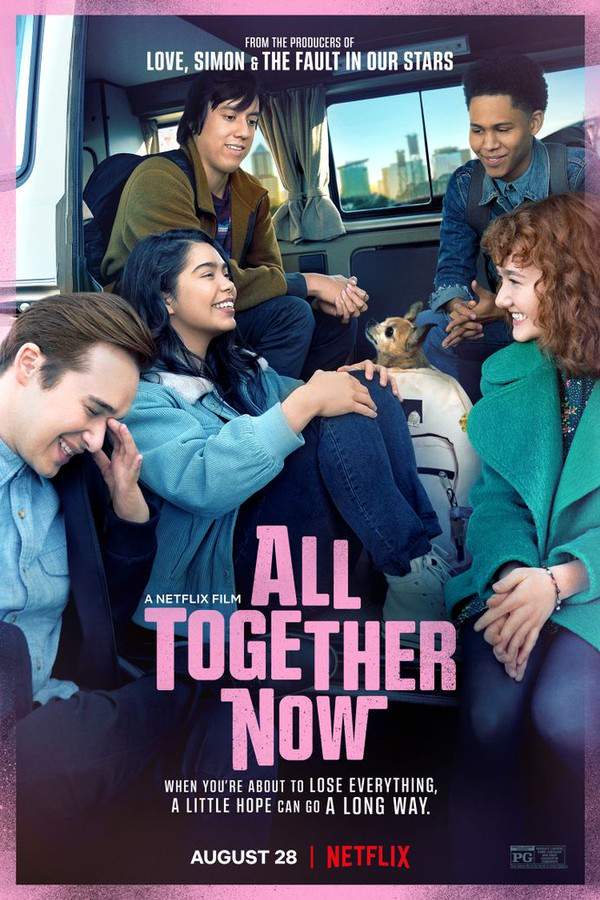
All Together Now
2020

Funny People
2009
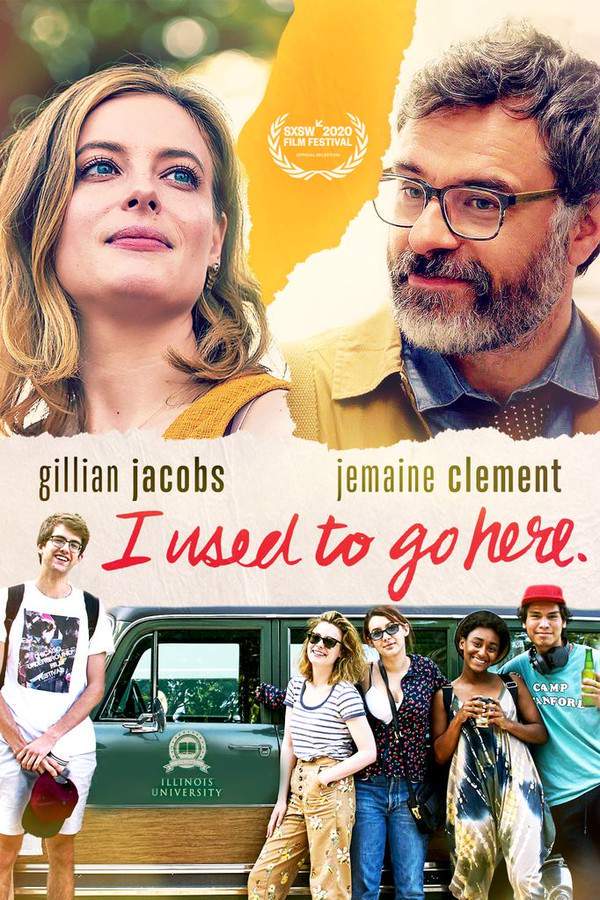
I Used to Go Here
2020

I Used to Be Darker
2013
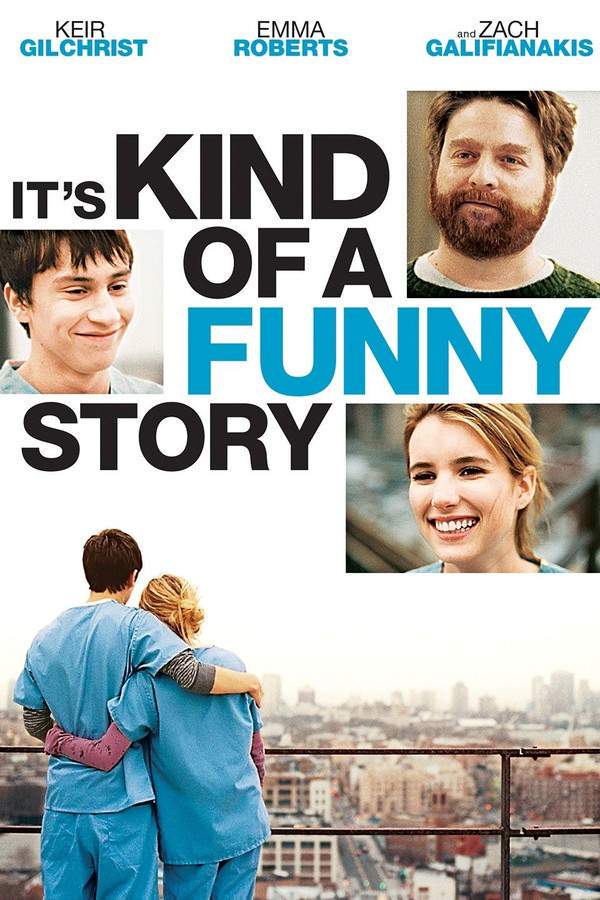
It's Kind of a Funny Story
2010

Funny Cow
2017

I’ll Be There
2003

The Funny Farm
1983

Only When I Laugh
1981

Before I Go
2021
Funnyman
1967

Not Friends
2023
Amy
1997
Explore More About Movie I Used to Be Funny
I Used to Be Funny (2024) Scene-by-Scene Movie Timeline
I Used to Be Funny (2024) Movie Characters, Themes & Settings
I Used to Be Funny (2024) Ending Explained & Theories
I Used to Be Funny (2024) Spoiler-Free Summary & Key Flow
Movies Like I Used to Be Funny – Similar Titles You’ll Enjoy
I Used to Be Famous (2022) Plot Summary & Ending Explained
This Isn't Funny (2015) Detailed Story Recap
All Together Now (2020) Plot Summary & Ending Explained
Funny People (2009) Story Summary & Characters
I Used to Go Here (2020) Film Overview & Timeline
I Used to Be Darker (2013) Plot Summary & Ending Explained
It's Kind of a Funny Story (2010) Spoiler-Packed Plot Recap
Funny Cow (2017) Movie Recap & Themes
I’ll Be There (2003) Full Summary & Key Details
The Funny Farm (1983) Detailed Story Recap
Only When I Laugh (1981) Film Overview & Timeline
Before I Go (2021) Full Movie Breakdown
Funnyman (1967) Full Summary & Key Details
Not Friends (2023) Plot Summary & Ending Explained
Amy (1997) Ending Explained & Film Insights