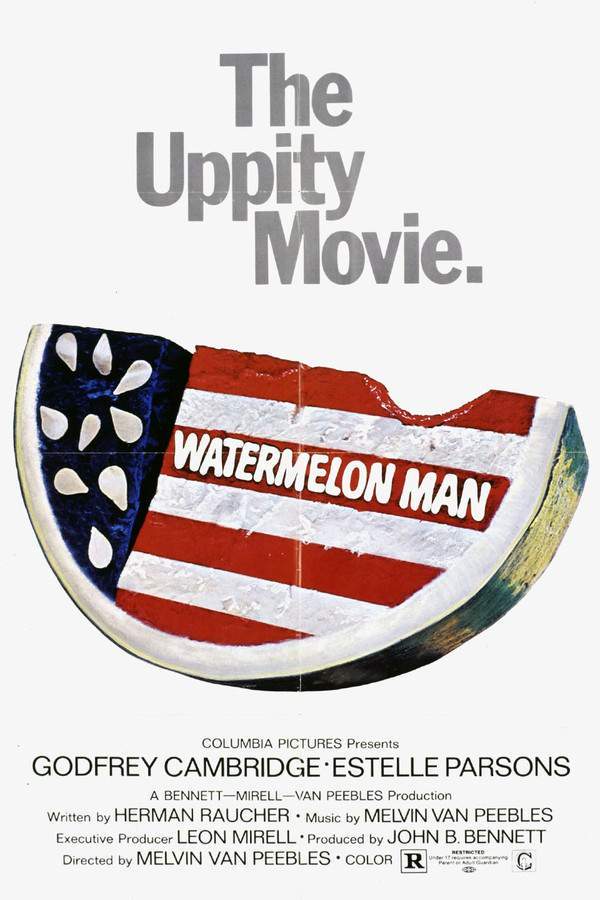
Jeff Gerber, an insurance salesman, experiences a startling physical transformation that changes his skin color. Suddenly facing prejudice and racial assumptions firsthand, he's forced to confront his own biases and the complexities of social injustice. As he adjusts to this unexpected reality, his personal life unravels, leading him on a journey of self-discovery and ultimately, the importance of understanding and acceptance.
Find where to stream, rent, or buy Watermelon Man (1970) in the US with current JustWatch availability, up-to-date pricing, and platform listings for subscription, rental, and digital purchase options.
Warning: spoilers below!
Haven’t seen Watermelon Man yet? This summary contains major spoilers. Bookmark the page, watch the movie, and come back for the full breakdown. If you're ready, scroll on and relive the story!
Trace every key event in Watermelon Man (1970) with our detailed, chronological timeline. Perfect for unpacking nonlinear stories, spotting hidden connections, and understanding how each scene builds toward the film’s climax. Whether you're revisiting or decoding for the first time, this timeline gives you the full picture.
Last updated: November 17, 2024 at 22:07
Find frequently asked questions about the Watermelon Man (1970) timeline, including chronological order, nonlinear jumps, cause-and-effect links, and scene sequence clarifications. This timeline FAQ helps explain when key events happen, how moments connect, and why the story unfolds in that specific order.
Althea reacts with shock and fear because she doesn't immediately recognize her own husband. When she sees a Black man standing in her bedroom, she instinctively refers to him as "the Negro" and screams in disbelief. This visceral reaction underscores one of the movie's central themes: how racial prejudice can emerge even in seemingly open-minded relationships, revealing that bias often lies just beneath the surface.
Earlier that evening, Althea had been watching news about racial tensions and admonishing Jeff for his lack of empathy, creating ironic foreshadowing for her own reaction.
Desperate to reverse his condition, Jeff ventures into the Black neighborhood seeking any remedy, whether folk medicine, potions, or magic, that might restore his original white skin. This scene highlights his initial denial and desperation, as well as his misunderstanding that being Black is something that needs to be "fixed" or can be easily changed.
Jeff is wrongly accused of theft simply because he, a Black man, was running in public. The police officer's instant suspicion reflects the systemic racial profiling that targets Black individuals based purely on appearance and circumstance. This incident directly exposes Jeff to the harsh realities of systemic bias he never experienced before.
This moment builds on earlier scenes showing Jeff living a privileged, oblivious life where he never had to fear such accusations.
Jeff's boss opportunistically suggests he leverage his new racial identity for business gain, viewing Blackness as a marketable tool rather than an identity. This moment reveals how some people attempt to profit from racial difference, reducing Black identity to a stereotype that can be exploited for commercial advantage.
The anonymous neighbors making threatening calls are trying to intimidate Jeff into selling his property cheaply. They want to buy his house for only $50,000 because they fear having a Black neighbor will lower their property values. This reveals the neighborhood's underlying racist motivations and the economic dimensions of segregation.
Earlier scenes mention the mysterious phone calls, building tension toward this revelation.
Althea decides to leave because she has grown disenchanted with their superficial suburban life, not simply because of Jeff's transformation. She sends the children to live with her sister as a precursor to abandoning the marriage entirely. Her departure represents the collapse of Jeff's old life and forces him to face his new reality without the comfort of his former identity.
Through a series of painful experiences, facing discrimination, losing his marriage, and confronting the reality of systemic prejudice, Jeff undergoes profound self-reflection. Rather than fighting his transformation, he learns to embrace his new identity. This acceptance marks his transformation from a prejudiced, oblivious suburban man into someone who genuinely understands and embraces Black identity.
The final scene shows Jeff practicing martial arts with a group of Black workers, representing his integration into the Black community and his newfound sense of purpose. Martial arts symbolize discipline, self-defense, and cultural connection. By joining this community, Jeff demonstrates genuine acceptance of his identity and his departure from his previous shallow, appearance-focused life.
The secretary's unexpected romantic interest illustrates how Jeff's new appearance triggers different social dynamics and stereotypes. Some people associate Black men with certain physical attributes or personas, and the secretary's advances reflect how others may view or approach Black individuals through the lens of racial fetishization rather than genuine connection.
Jeff resigns because his experience of racial discrimination has fundamentally changed his perspective on work and identity. Rather than continuing in a conventional job that once defined his white suburban lifestyle, he chooses to start his own insurance company and acquire an apartment building. This represents his rejection of his former self and embrace of new entrepreneurial opportunities within the Black community.
Discover curated groups of movies connected by mood, themes, and story style. Browse collections built around emotion, atmosphere, and narrative focus to easily find films that match what you feel like watching right now.
Surreal transformations that force characters to confront society's injustices.Find movies like Watermelon Man that use surreal body-swap or identity-shift premises for social commentary. These similar satirical stories explore themes of prejudice and self-discovery through a comedic yet thought-provoking lens, perfect if you enjoyed the uncomfortable humor of Watermelon Man.
These narratives typically begin with a self-satisfied protagonist whose worldview is shattered by a sudden, involuntary transformation. The story follows their journey through a society that now treats them differently, exposing hidden prejudices and forcing them to challenge their own beliefs, often culminating in a new, more empathetic understanding.
Movies are grouped here for their shared use of a high-concept, allegorical premise to deliver social satire. They blend dark comedy with serious themes, creating an experience that is both humorous and deeply confronting, using a character's forced perspective shift to explore complex societal issues.
Stories that use discomfort as a catalyst for personal growth and understanding.Discover films similar to Watermelon Man that use uncomfortable and anxious narratives to foster empathy and understanding. If you liked how Watermelon Man forces its protagonist to confront bias, you'll find more thought-provoking stories here about personal transformation through difficult experiences.
The narrative pattern involves a character being thrust into a situation that directly contradicts their privileged or ignorant worldview. The plot is driven by their series of awkward, tense, or hostile encounters, which chip away at their former self, leading to a crisis and eventual acceptance of a more complex reality.
These films are connected by their core goal of using narrative discomfort as a vehicle for empathy. They share a medium emotional weight and a steady pacing that allows the unease to simmer, resulting in a viewing experience that is intentionally challenging but ultimately hopeful or enlightening.
Don't stop at just watching - explore Watermelon Man in full detail. From the complete plot summary and scene-by-scene timeline to character breakdowns, thematic analysis, and a deep dive into the ending - every page helps you truly understand what Watermelon Man is all about. Plus, discover what's next after the movie.
Read a complete plot summary of Watermelon Man, including all key story points, character arcs, and turning points. This in-depth recap is ideal for understanding the narrative structure or reviewing what happened in the movie.
Discover the characters, locations, and core themes that shape Watermelon Man. Get insights into symbolic elements, setting significance, and deeper narrative meaning - ideal for thematic analysis and movie breakdowns.
Discover movies like Watermelon Man that share similar genres, themes, and storytelling elements. Whether you’re drawn to the atmosphere, character arcs, or plot structure, these curated recommendations will help you explore more films you’ll love.
Watermelon Man (1970) Plot Summary & Movie Recap
Watermelon Man (1970) Scene-by-Scene Movie Timeline
Watermelon Man (1970) Spoiler-Free Summary & Key Flow
Movies Like Watermelon Man – Similar Titles You’ll Enjoy
The Change-Up (2011) Spoiler-Packed Plot Recap
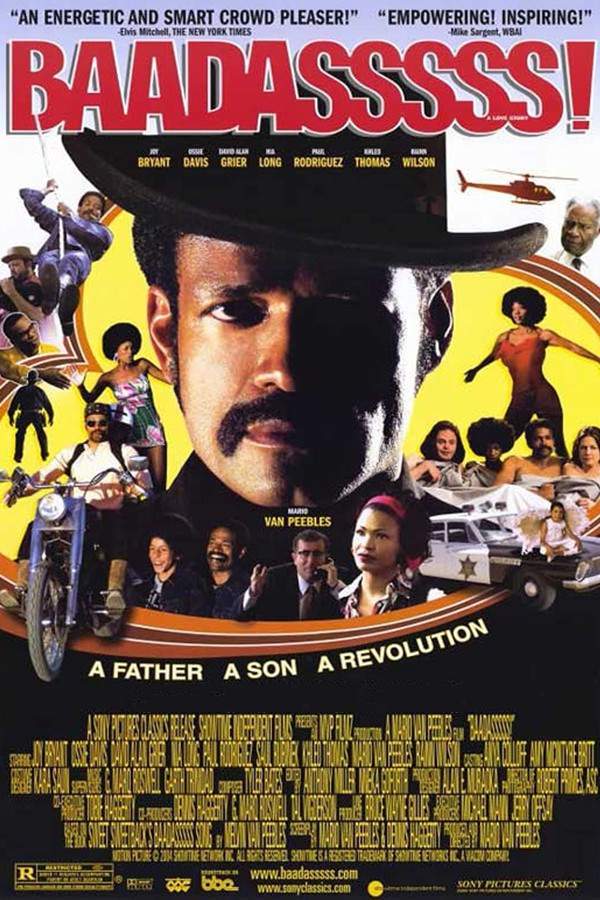
Baadasssss! (2004) Plot Summary & Ending Explained
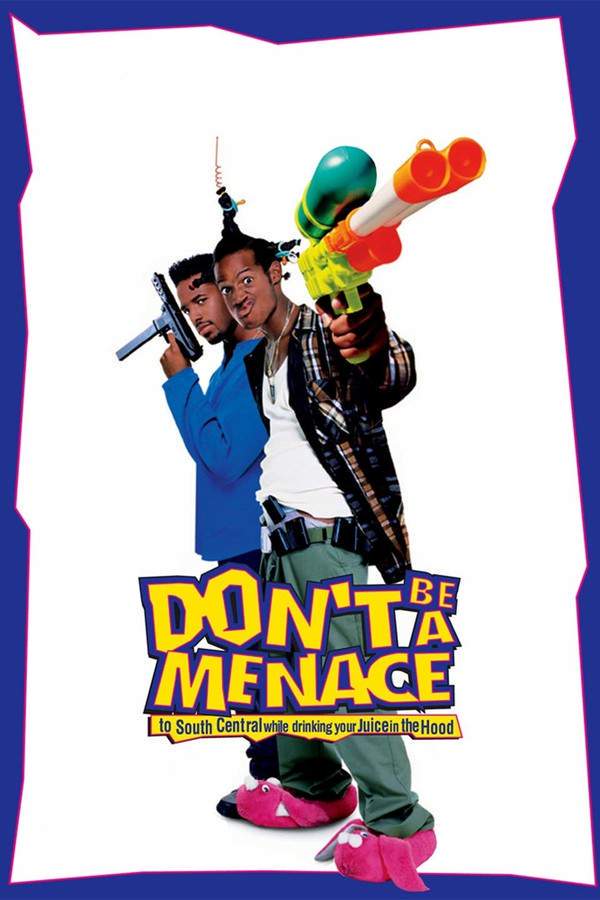
Don't Be a Menace to South Central While Drinking Your Juice in the Hood (1996) Ending Explained & Film Insights
The Jerk (1979) Spoiler-Packed Plot Recap
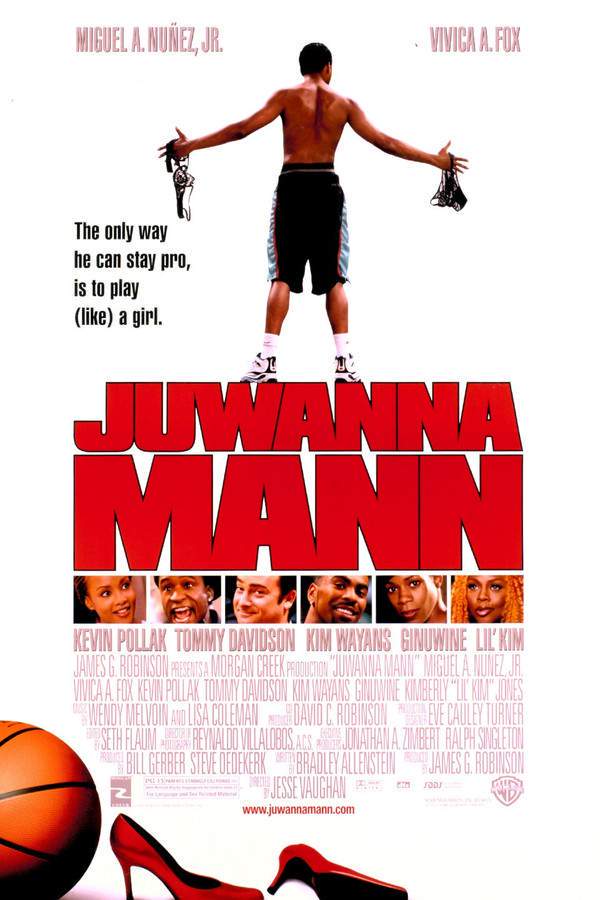
Juwanna Mann (2002) Movie Recap & Themes
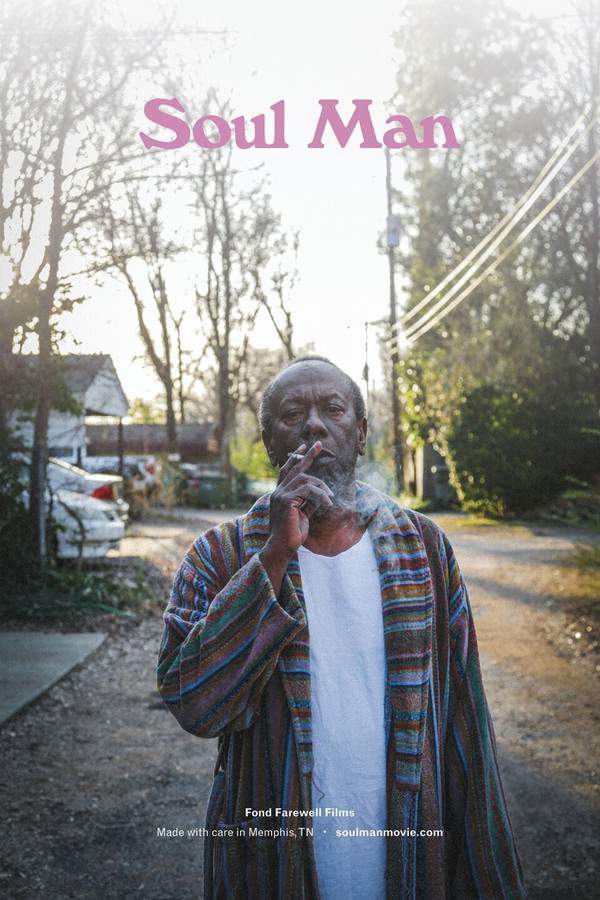
Soul Man (1986) Complete Plot Breakdown
The Average White Man (2001) Ending Explained & Film Insights
Sugar Water (1983) Complete Plot Breakdown
The Water Nymph (1912) Detailed Story Recap
Change of Mind (1969) Detailed Story Recap
White Men Can’t Jump (1992) Spoiler-Packed Plot Recap
The Six Thousand Dollar Nigger (1979) Film Overview & Timeline
Bongwater (1998) Ending Explained & Film Insights
White Woman (1933) Story Summary & Characters
The Size of Watermelons (1997) Full Summary & Key Details