Plot Explained Spoilers guaranteed!
Plot Explained

Browse by genre

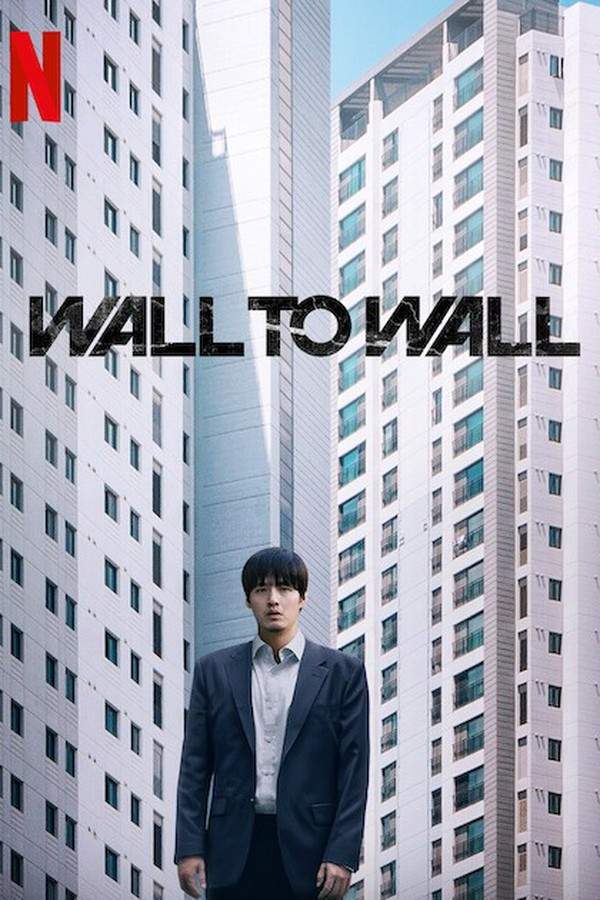
Wall to Wall (2025) movie poster

Ending Explained

Wall to Wall (2025) Ending Explained – Final Scene & Meaning

Release, runtime and language
2025 · 1 h 58 m · Korean
Echo score 65
Loading streaming availability…
Directed by
Kim Tae-joon, Sharon S. Park
Starring
Seo Hyun-woo, Kang Ha-Neul, Liz Burnette, Yeom Hye-ran

Woo-seong finally saves up enough to buy an apartment, only to have it turn into a nightmare with financial ruin and mysterious noises from neighboring floors.

On this page (6)
  1. 1 Where to watch
  2. 2 What happens at the end
  3. 3 Final events in order
  4. 4 Ending questions answered
  5. 5 Movie threads
  6. 6 Every angle
Loading streaming availability…

Ending explained · contains spoilers

What Happens at the End of Wall to Wall?

How Wall to Wall (2025) ends, what the final scene means, which earlier moments set it up and how to read the ending if the film leaves it open. The full ending explained, with every spoiler.

The ending of Wall to Wall leaves viewers questioning what is real and what is a product of Woo-Sung’s disturbed mind. Throughout the film, Woo-Sung is depicted as a man trapped by his circumstances—his debt, his job, and his societal position—living a life of quiet desperation. By the end, his situation has worsened; he is isolated, living in darkness, and surrounded by empty bottles, reflecting his mental deterioration. His relationship with money and stability has fallen apart, symbolizing how the pursuit of material comfort can devastate a person's life.

The film reveals a web of deception involving Jin-Ho, the journalist neighbor who appears to expose corrupt property dealings but actually fabricates stories and invades others’ privacy for sensationalism. Jin-Ho, along with the couple from apartment 1301, conspires to manipulate Woo-Sung by planting listening devices and staging scenes to frame him as the villain. This manipulation escalates when they try to escalate Woo-Sung’s downfall, culminating in a series of tragic events during a confrontation that results in a man from 1301 falling into a coma, likely from stress or injury.

Throughout the movie, Woo-Sung’s transformation is palpable. Initially meek and resigned, he is marginalized like a cockroach surviving beneath the surface of Seoul’s urban sprawl. But as events unfold, he begins to fight back, destroying evidence and confronting those who have exploited him. Still, his actions are driven by desperation rather than malice; he is pushed to a breaking point by those who see him as merely a nuisance or pawn. His final act—burning all the evidence—symbolizes a rejection of the corrupt system and the false promises of stability.

In the aftermath, Woo-Sung’s fate is uncertain. At the prosecutor’s office, he remains silent when asked about the events, hinting at a possibly ongoing cover-up or systemic corruption, where justice is fleeting. His swirling paranoia and stress culminate in the unsettling image of him laughing manically in his apartment, a sign of his fractured mind. It could suggest he’s either dreaming or embracing his twisted reality, finding irony or relief in his chaos.

Crucially, the film demonstrates that the noise Woo-Sung hears—whether real or imagined—symbolizes the unending burdens of modern life in Seoul: debt, social pressure, and trauma. His auditory hallucinations or memories persist even after the violence, implying that he can never truly escape these inner demons or the city’s relentless grind. The final shot, with Woo-Sung laughing amid his ownership papers, underscores his tragic realization: that happiness through material possessions is an illusion, and the city’s towering structures and promises are but hollow facades. Ultimately, the movie warns that the pursuit of stability in an unpredictable, corrupt world often leads to chaos, and true peace may be impossible to find. Woo-Sung’s final laugh encapsulates the madness of a life lost in the urban jungle—forever haunted by the noise of the city and his own fragmented mind.
Last updated: July 21, 2025 at 10:30

Was this helpful?

The last 4 events

How Wall to Wall Ends: The Final Events in Order

The last events of Wall to Wall (2025) in chronological order, the run-up to the ending explained above. The complete timeline has all 13 events, scene by scene.

Open the full timeline
  1. Wi-Fi control of subwoofer points to Jin-ho

    Woo-sung discovers the subwoofer in his apartment is being controlled via Wi-Fi from Jin-ho's place. The discovery reframes the conflict and implicates Jin-ho more directly. In an attempt to uncover more, Woo-sung quietly sneaks into Jin-ho's home to investigate.

    Where
    Jin-ho's apartment
  2. Jin-ho revealed as undercover journalist

    Jin-ho is revealed to be an undercover journalist staging the noise scandal to expose construction fraud, using Woo-sung as a scapegoat. The revelation shifts the focus from a personal dispute to a larger conspiracy within the building and development interests. The two men grapple with their roles in the plot.

    Where
    Jin-ho's home and the penthouse
  3. Confrontation, explosion, and erased evidence

    Jin-ho and Woo-sung break into the penthouse to confront Eun-hwa and her husband. Alliances shift as Eun-hwa attempts to kill Woo-sung, and Jin-ho is wounded. Woo-sung lights the gas line, burns the apartment contract and all evidence, and exits as the building explodes, losing consciousness.

    Where
    Penthouse / building
  4. Recovery, return home, and final laughter

    After recovering in the hospital, Woo-sung returns to his childhood home to rest, then makes his way back to his apartment. As the sound of noise begins again, he bursts into hysterical laughter, signaling a chaotic sense of relief and the persistence of a world where the line between reality and paranoia remains blurred.

    Where
    Hospital; childhood home; apartment

Ending questions answered

Wall to Wall Ending: Your Questions Answered

The questions people ask most about the ending of Wall to Wall (2025): what the final scene means, how the twist works, what happens to each character and how to read the ending. Each answer contains spoilers.

Q1

Why does Woo-Sung burn all the evidence at the end?

Woo-Sung burns the evidence as an act of rejecting the corrupt system that destroyed his life. After discovering that Jin-Ho and the couple from apartment 1301 manipulated him through planted listening devices and staged scenes, he realizes the system is rigged against him. Rather than let them use the evidence to further frame him or allow the corrupt machinery to continue, he destroys everything, symbolizing his refusal to participate in a broken justice system.

Foreshadowing: Earlier scenes show Woo-Sung collecting evidence of the conspiracy, only to watch as each attempt to use the system fails.

  • evidence
  • burning
  • corruption
  • rejection
  • protest
Q2

Why does Woo-Sung laugh manically in the final scene?

Woo-Sung's manic laughter represents his complete psychological break and the dark irony he finds in his situation. After everything he lost, his apartment, his savings, his mental stability, the laughter suggests he has either embraced his fractured reality or found terrible humor in the absurdity of his circumstances. The ending leaves open whether this is relief, madness, or both.

Foreshadowing: Woo-Sung's mental state deteriorates progressively throughout the film, with scenes of paranoia and isolation building to this breaking point.

  • laughter
  • madness
  • breakdown
  • irony
  • psychological
Q3

Is the ending real or is Woo-Sung dreaming?

The ending deliberately leaves this ambiguous. The film suggests Woo-Sung's mind may have fractured under the pressure of debt, manipulation, and paranoia. Whether the final image of him laughing in his apartment represents reality, a hallucination, or his twisted acceptance of a corrupt world is intentionally unclear. This ambiguity reflects his unstable mental state throughout the film.

Foreshadowing: The mysterious noises from neighboring floors blur the line between real threats and psychological disturbance from the start.

  • dream
  • reality
  • ambiguous
  • hallucination
  • psychological
Q4

What happens to Jin-Ho in the ending?

Jin-Ho, the journalist neighbor, is revealed as a corrupt manipulator who fabricates stories and invades privacy for sensationalism. While the film doesn't explicitly show his fate, the conspiracy he orchestrated with apartment 1301 falls apart during the confrontation. Woo-Sung burns the evidence, and Jin-Ho's role in the manipulation is exposed, though the ending suggests the systemic corruption continues unchecked.

Foreshadowing: Jin-Ho initially appears helpful, but his invasive questions and interest in Woo-Sung's personal life hint at ulterior motives.

  • jin-ho
  • journalist
  • exposed
  • conspiracy
  • manipulation
Q5

Why does Woo-Sung stay silent at the prosecutor's office?

Woo-Sung's silence at the prosecutor's office suggests he has lost faith in the justice system entirely. After being manipulated, framed, and watching the corrupt players escape consequences, speaking out would accomplish nothing. His silence hints at either acceptance of systemic corruption or a strategic decision to protect himself further, leaving the truth buried alongside the burned evidence.

Foreshadowing: Earlier attempts to seek help through official channels fail, teaching Woo-Sung the system is rigged against people like him.

  • silence
  • prosecutor
  • corruption
  • system
  • failure
Q6

What happens to the man from apartment 1301 in the end?

During the climactic confrontation, the man from apartment 1301 falls into a coma, likely caused by the stress and physical confrontation orchestrated by the conspirators. This tragic outcome was part of the plot to escalate Woo-Sung's downfall, framing him as the villain. The film presents this as a consequence of the manipulated situation rather than Woo-Sung's direct action.

Foreshadowing: The 1301 couple's staged confrontations throughout the film build toward this violent climax.

  • 1301
  • coma
  • confrontation
  • conspiracy
  • victim
Q7

What do the noises from the neighboring floors symbolize?

The noises symbolize the unending burdens of modern urban life in Seoul, debt, social pressure, and trauma that never truly leave. Whether real or auditory hallucinations, they represent the relentless pressure that drove Woo-Sung to madness. Even after the violent confrontations end, the noises persist in his mind, suggesting he can never escape the systemic pressures that destroyed his life.

Foreshadowing: The mysterious noises appear throughout the film, escalating as Woo-Sung's mental state deteriorates.

  • noises
  • stress
  • debt
  • urban
  • pressure
  • symbolism
Q8

What does the ending say about the pursuit of stability?

The ending delivers a warning that happiness through material possessions is an illusion in a corrupt, unpredictable world. Woo-Sung's final laugh amidst his ownership papers underscores the tragedy of his realization, that the apartment he sacrificed everything for represents hollow promises. The city's towering structures and stability promises are revealed as facades that ultimately lead to chaos and destruction.

Foreshadowing: Woo-Sung's obsessive focus on buying an apartment from the beginning sets up the tragic irony of his pursuit.

  • stability
  • apartment
  • pursuit
  • materialism
  • illusion
  • warning
Q9

Why does Woo-Sung turn violent at the end?

Woo-Sung's transformation from meek to confrontational represents a desperate breaking point rather than inherent malice. He is pushed to his limit by those who see him as a nuisance or pawn, Jin-Ho, the 1301 couple, and the corrupt system. His destruction of evidence and confrontation with his manipulators is survival-driven rage, not villainy. The film frames his actions as the inevitable result of systematic exploitation.

Foreshadowing: Woo-Sung is consistently marginalized and treated as insignificant, building resentment throughout the film.

  • violence
  • desperation
  • breakdown
  • survival
  • exploitation

Movie threads

More Movies Like Wall to Wall, by Mood & Story

Curated lists built around what makes Wall to Wall tick: the same mood, the same kind of story or the same emotional payoff. Each list explains why these movies belong together.

Movies with paranoid architecture like Wall to Wall

Stories where buildings, systems, or spaces slowly turn against the protagonist. If you liked the feeling of your home turning against you in Wall to Wall, explore these movies where characters investigate sinister conspiracies hidden within buildings and systems. Find similar tense thrillers about urban alienation, psychological unraveling, and spaces that become prisons.

  • claustrophobic
  • paranoid
  • unsettling
  • oppressive
  • investigation
  • urban dread
  • Tone: tense, oppressive, paranoid
  • Pacing: steady, methodical build
Why these movies?

The story pattern: The narrative typically begins with a character achieving a goal or entering a new space, only to discover unsettling anomalies. Their investigation reveals a hidden, often systemic, malevolence, leading to a confrontation that erodes their sanity and sense of security, frequently culminating in an ambiguous or cyclical conclusion.

Why they belong together: These films are grouped by their shared use of setting as an active antagonist, a consistently tense and oppressive mood, and a plot structure that moves from suspicion to paranoid investigation. They create a powerful sense of claustrophobia and urban dread.

Movies where dreams turn into nightmares like Wall to Wall

Narratives where achieving a major life goal triggers a devastating collapse. If you appreciated how Wall to Wall explores the nightmare after achieving the dream of homeownership, you'll find similar movies here. Discover tense dramas and thrillers about financial ruin, desperate characters, and the heavy emotional weight of a collapsing dream.

  • desperate
  • anxious
  • heavy
  • financial ruin
  • downward spiral
  • shattered dreams
  • Tone: tense, desperate, bleak
  • Pacing: steady, inevitable decline
Why these movies?

The story pattern: These narratives follow a clear arc: a hard-won success is quickly undermined by unforeseen consequences, often involving debt, corruption, or violence. The protagonist is forced into a desperate struggle to salvage their life, leading to a climax that leaves them permanently scarred, with their initial dream now a source of trauma.

Why they belong together: Movies in this thread share a heavy emotional weight, a tense tone, and a central theme of aspiration leading to ruin. They explore the fragility of stability and the high-stakes pressure faced by characters when their foundational dreams are shattered.

Every angle

Wall to Wall (2025) Explained: Plot, Ending, Timeline & Characters

Everything about Wall to Wall in one place: what happens in the plot summary, the timeline in chronological order, the characters and meaning, the ending explained and a spoiler-free summary. What's After the Movie adds the cast, box office and post-credit scenes.

Coming soon on iOS and Android

The Plot Explained Movie Summary App

Plot summaries, endings explained and timelines on your phone. Catch up on any movie in minutes, save your favorites and never miss a twist again.

Be the first to know when we launch. Your email stays private, always.

Learn more about the app