
Valley of the Zombies
Year: 1946
Runtime: 56 mins
Language: English
Director: Philip Ford
BLOOD MADNESS… Out Of The Fog… Into Your Heart! A woman falls under the hypnotic spell of a resurrected madman.
Where to Watch Valley of the Zombies?
Find where to stream, rent, or buy Valley of the Zombies (1946) in the US with current JustWatch availability, up-to-date pricing, and platform listings for subscription, rental, and digital purchase options.

Streaming availability powered by 
Warning: spoilers below!
Haven’t seen Valley of the Zombies yet? This summary contains major spoilers. Bookmark the page, watch the movie, and come back for the full breakdown. If you're ready, scroll on and relive the story!
Valley of the Zombies (1946) – Full Plot Summary & Ending Explained
Read the complete plot breakdown of Valley of the Zombies (1946), including all key story events, major twists, and the ending explained in detail. Discover what really happened, and what it all means.
Five years earlier, Charles Trowbridge as Dr. Rufus Maynard confines Ian Keith as Ormand Murks to an insane asylum after Murks believes that endlessly repeating blood transfusions would grant immortality. Two years after that, asylum director Wilton Graff as Dr. Lucifer Garland performs an operation on Murks, and Murks dies on the operating table. Murks’ body is later handed over to a brother.
In the present, Murks returns with a chilling purpose and begins siphoning blood from Maynard’s lab. He confronts Maynard, insisting that voodoo has kept him alive, and then murders Maynard along with his lab assistant, Fred Mays, played by Earle Hodgins. The discovery of Maynard’s half-buried body in a local cemetery sparks a police investigation. Detectives Blair and Hendricks—Thomas E. Jackson and LeRoy Mason—suspect Maynard’s partner, Robert Livingston as Dr. Terry Evans, and Evans’ girlfriend, Lorna Gray as Susan Drake, though they lack solid proof.
Following a thread that ties Maynard to Murks, Evans and Drake head to the Murks estate to search for clues amid a tense atmosphere of hidden motives and shifting loyalties. Murks lures them into danger, attempting to trap them in a mausoleum, but the pair manage to escape unharmed. Back in the main house, Evans and Drake stumble upon the body of Dr. Garland, whose corpse initially seems to complicate the mystery rather than resolve it. When Blair and Hendricks arrive on the scene, Garland’s body vanishes, deepening the sense that something occult or supernatural may be at work beneath the surface of the case.
The danger escalates as Murks abducts Drake and drags her back to Maynard’s office, where he uses hypnosis to bend her will and coerce her into providing him fresh blood. As the investigation closes in, the tension peaks: the police finally intervene, converging on Murks at the pivotal moment. In a climactic confrontation, they shoot Murks just as he attempts to command Susan to kill Terry, bringing the perilous pursuit to a halt and leaving the surrounding mystery unresolved in the wake of his defeat.
Last updated: February 24, 2026 at 09:44
Valley of the Zombies (1946) Plot Questions Answered – Summary FAQ
Explore frequently asked questions about Valley of the Zombies (1946) with spoiler-rich answers covering the full plot summary, major story beats, character motivations, hidden details, and ending meaning. This movie summary FAQ helps explain confusing scenes, plot twists, and narrative decisions in clear, searchable detail.
Why did Ormand Murks return after being declared dead?
Murks returned because he believed voodoo had kept him alive after his death on the operating table. Two years earlier, asylum director Dr. Garland had operated on Murks, but Murks somehow revived and attributed his survival to supernatural forces. He emerged from his grave specifically to seek blood, which he believed was the key to immortality.
The earlier timeline established that Murks was committed after insisting endless blood transfusions would grant immortality, foreshadowing his post-death return.
Why did Murks specifically target Dr. Maynard?
Murks targeted Maynard because Maynard was the one who committed him to the insane asylum five years earlier. When Murks insisted that endless blood transfusions could grant immortality, Maynard had him institutionalized. This act of confinement fueled Murks's revenge, leading him to murder Maynard and steal blood from his laboratory.
The opening events establish Maynard as the architect of Murks's institutionalization, creating the primary motive for revenge.
Why was Murks obsessed with blood transfusions for immortality?
Murks became convinced that repeatedly receiving blood transfusions would grant him eternal life. This belief led Maynard to commit him to the asylum, but Murks never abandoned the idea. After his death and alleged supernatural revival, he resumed his quest for blood, believing it was the source of his immortality.
The initial scene of Murks's commitment establishes his fixation on blood as the path to immortality, which drives his entire post-resurrection campaign.
What happened to Dr. Garland's body and why did it vanish?
After Evans and Drake discover Dr. Garland's body in the main house at Murks's estate, the police arrive to investigate. However, by the time Detectives Blair and Hendricks examine the scene, Garland's body has mysteriously vanished. The disappearance is left unexplained, adding an occult or supernatural element to the mystery.
The timeline shows Garland operated on Murks two years prior, creating a direct connection between the two men that makes Garland's presence at the estate significant.
Why did the police suspect Dr. Evans and Susan Drake of the murders?
Detectives Blair and Hendricks suspected Maynard's partner, Dr. Terry Evans, and his girlfriend Susan Drake because they were the closest people to the victim. With no solid evidence pointing to Murks (who was presumed dead), the detectives focused on Maynard's inner circle, though their suspicions proved unfounded.
The initial investigation reveals the detectives' limited knowledge, as they have no reason to believe a dead man could be responsible.
How did Evans and Drake escape the mausoleum trap?
Murks lured Evans and Drake to his estate and attempted to trap them inside a mausoleum. Despite the danger, the pair managed to escape unharmed. The escape allows them to continue investigating and eventually uncover more of Murks's scheme.
The mausoleum trap demonstrates Murks's willingness to use his estate's hidden spaces to eliminate threats, showing his cunning alongside his supernatural claims.
Why did Murks hypnotize Susan Drake?
Murks kidnapped Drake and brought her to Maynard's office, where he used hypnosis to control her mind. His goal was to force her to willingly provide fresh blood through transfusions, continuing his pursuit of immortality through blood consumption. The hypnosis represented his attempt to obtain blood without resistance.
Earlier scenes establish Murks's blood-thirst and his willingness to use any means necessary, including supernatural powers, to achieve his ends.
How did the police finally stop Murks?
The police converged on Maynard's office during the climax, where Murks was attempting to command hypnotized Susan Drake to kill Dr. Terry Evans. Just as Murks gave the order, the police shot him, ending his threat. This intervention rescued Drake and concluded the immediate danger.
The investigation had been building toward this confrontation, with detectives tracing the connection between Maynard and Murks to arrive at the final showdown.
What happened to Murks's body after his death at the asylum?
After Murks died on Dr. Garland's operating table, his body was handed over to his brother. This family transfer is significant because it explains how Murks's body was removed from the asylum and eventually led to his return, as his brother presumably allowed or facilitated his resurrection through the supernatural means Murks had claimed would save him.
The transfer to family custody creates the opportunity for Murks's return, as his brother became the link between the asylum and whatever brought Murks back to life.

Explore Movie Threads
Discover curated groups of movies connected by mood, themes, and story style. Browse collections built around emotion, atmosphere, and narrative focus to easily find films that match what you feel like watching right now.
Fast-Paced Vintage Horror Chases like Valley of the Zombies
Classic B-movies with frantic chases against a clear-cut monstrous threat.If you enjoyed the frantic energy and clear-cut menace of Valley of the Zombies, explore these other movies like it. This collection features similar suspenseful B-horror stories from the classic era, all with fast pacing, menacing villains, and a tense, atmospheric chase at their core.
Valley of the Zombies
1946

Teenage Zombies
1959

Terror in the Aisles
1984

The Curse of the Aztec Mummy
1957

One Dangerous Night
1943

Hot Cars
1956

The Strange Case of Doctor Rx
1942

Terror by Night
1946

Held For Ransom
1938

The Fatal Hour
1940

They Came from Beyond Space
1967
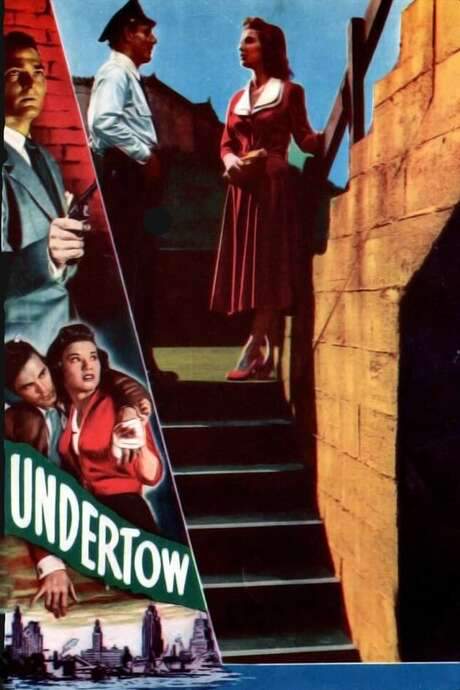
Undertow
1949

Duel in the Jungle
1954

The Cat Creeps
1946

The Brain Eaters
1958
Narrative Summary
The narrative typically follows a linear path: a strange threat emerges, investigators or innocent bystanders become targets, and the bulk of the film is a frantic effort to uncover the plot and confront the villain. The conflict is external and direct, often involving hypnosis, mad science, or other paranormal elements, culminating in a definitive confrontation.
Why These Movies?
Movies in this thread share a specific brand of tension generated by a fast-moving plot and a palpable, immediate danger. They prioritize a menacing atmosphere and a sense of paranoid urgency over deep character development, creating a cohesive experience for fans of classic, no-frills horror thrills.
Sinister Hypnotists and Mind Control like in Valley of the Zombies
Stories where a charismatic villain uses hypnotic power to manipulate victims.Fascinated by the mind-controlling villain in Valley of the Zombies? Discover more movies like it centered on sinister hypnotists. These films explore themes of psychological manipulation, kidnapping, and the race to free victims from a powerful adversary's spell, delivering a unique blend of crime and supernatural suspense.
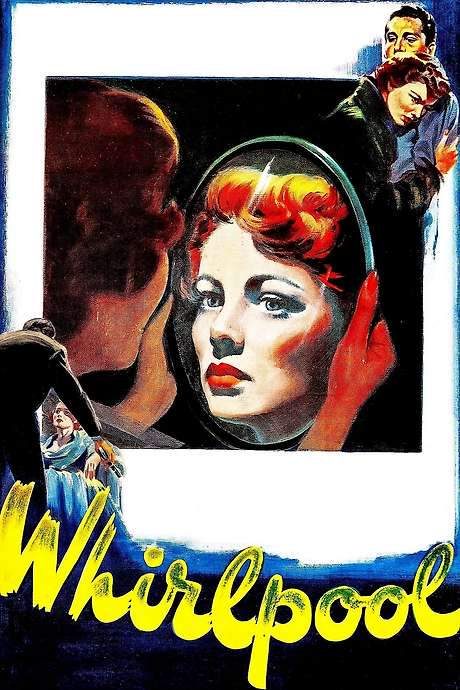
Whirlpool
1950

Dark Intruder
1965

Diabolically Yours
1967

Dangerous Crossing
1953
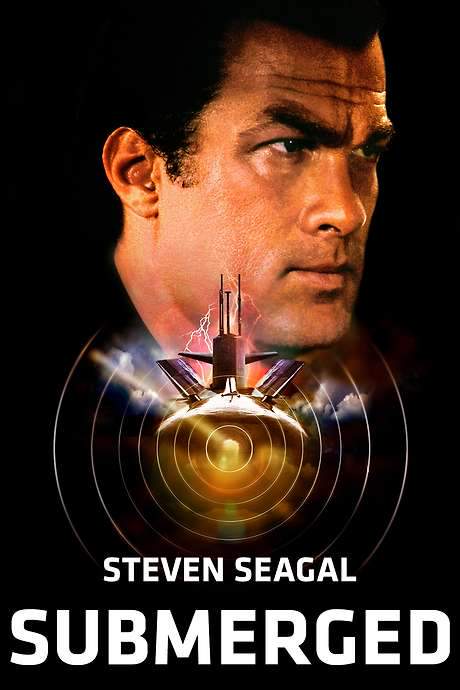
Submerged
2005

Fingers at the Window
1942
The Strange Case of Doctor Rx
1942

Stranger in Our House
1978
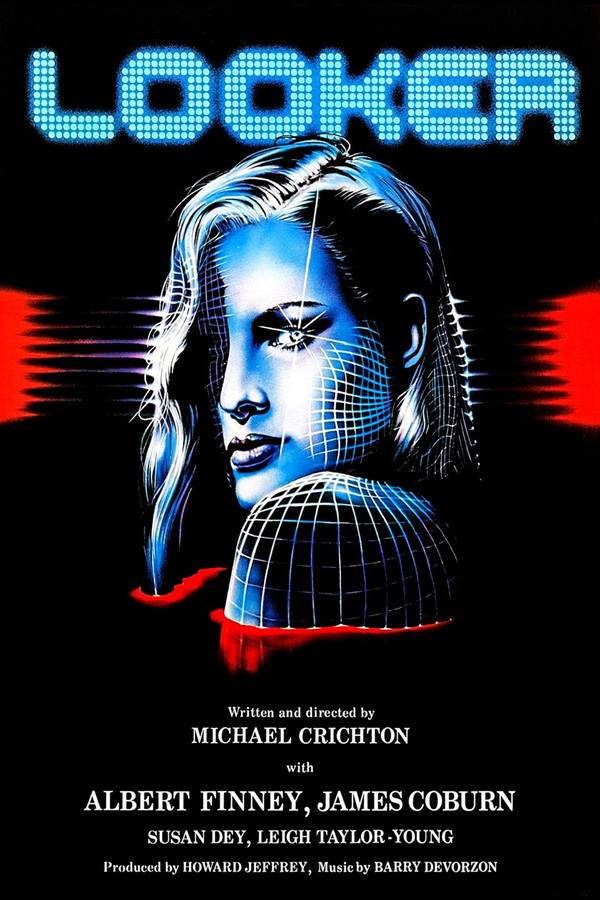
Looker
1981

Witchboard 2: The Devil’s Doorway
1993

Man in the Dark
1953
Witchboard
1987

Trance
2020

Voodoo Man
2015

The Frozen Ghost
1945
Narrative Summary
The plot often involves a sophisticated or supernatural antagonist who ensnares victims through mental domination. The heroes' journey is one of investigation and rescue, piecing together clues to understand the villain's methods and find a way to break their hypnotic hold, leading to a final confrontation where willpower is key.
Why These Movies?
These movies are grouped by their shared focus on the unsettling theme of mind control. They generate a specific type of tension through psychological threat and the violation of autonomy, creating a cohesive niche for viewers intrigued by villains who weaponize persuasion and manipulation.
Unlock the Full Story of Valley of the Zombies
Don't stop at just watching - explore Valley of the Zombies in full detail. From the complete plot summary and scene-by-scene timeline to character breakdowns, thematic analysis, and a deep dive into the ending - every page helps you truly understand what Valley of the Zombies is all about. Plus, discover what's next after the movie.
Valley of the Zombies Timeline
Track the full timeline of Valley of the Zombies with every major event arranged chronologically. Perfect for decoding non-linear storytelling, flashbacks, or parallel narratives with a clear scene-by-scene breakdown.

Characters, Settings & Themes in Valley of the Zombies
Discover the characters, locations, and core themes that shape Valley of the Zombies. Get insights into symbolic elements, setting significance, and deeper narrative meaning - ideal for thematic analysis and movie breakdowns.


Similar Movies to Valley of the Zombies
Discover movies like Valley of the Zombies that share similar genres, themes, and storytelling elements. Whether you’re drawn to the atmosphere, character arcs, or plot structure, these curated recommendations will help you explore more films you’ll love.

Graveyard Alive: A Zombie Nurse in Love
2003

Zombie Nation
2004

Death Valley
1982

Blood Frenzy
1987

Zombie 90: Extreme Pestilence
1991

Zombie Nightmare
1987

Zombie 90: Extreme Pestilence
1991

Living a Zombie Dream
1996

Blood Of Ghastly Horror
1967

Vengeance of the Zombies
1973

Zombie Farm
2009

I Walked with a Zombie
1943

Revenge of the Zombies
1943

Zone of the Dead
2009

Zombie Dead
2008
Explore More About Movie Valley of the Zombies
Valley of the Zombies (1946) Scene-by-Scene Movie Timeline
Valley of the Zombies (1946) Movie Characters, Themes & Settings
Valley of the Zombies (1946) Spoiler-Free Summary & Key Flow
Movies Like Valley of the Zombies – Similar Titles You’ll Enjoy
Graveyard Alive: A Zombie Nurse in Love (2003) Detailed Story Recap
Zombie Nation (2004) Movie Recap & Themes
Death Valley (1982) Detailed Story Recap
Blood Frenzy (1987) Plot Summary & Ending Explained
Zombie 90: Extreme Pestilence (1991) Full Summary & Key Details
Zombie Nightmare (1987) Movie Recap & Themes
Zombie 90: Extreme Pestilence (1991) Plot Summary & Ending Explained
Living a Zombie Dream (1996) Story Summary & Characters
Blood Of Ghastly Horror (1967) Story Summary & Characters
Vengeance of the Zombies (1973) Full Summary & Key Details
Zombie Farm (2009) Plot Summary & Ending Explained
I Walked with a Zombie (1943) Film Overview & Timeline
Revenge of the Zombies (1943) Complete Plot Breakdown
Zone of the Dead (2009) Film Overview & Timeline
Zombie Dead (2008) Movie Recap & Themes