Plot Explained Spoilers guaranteed!
Plot Explained

Browse by genre

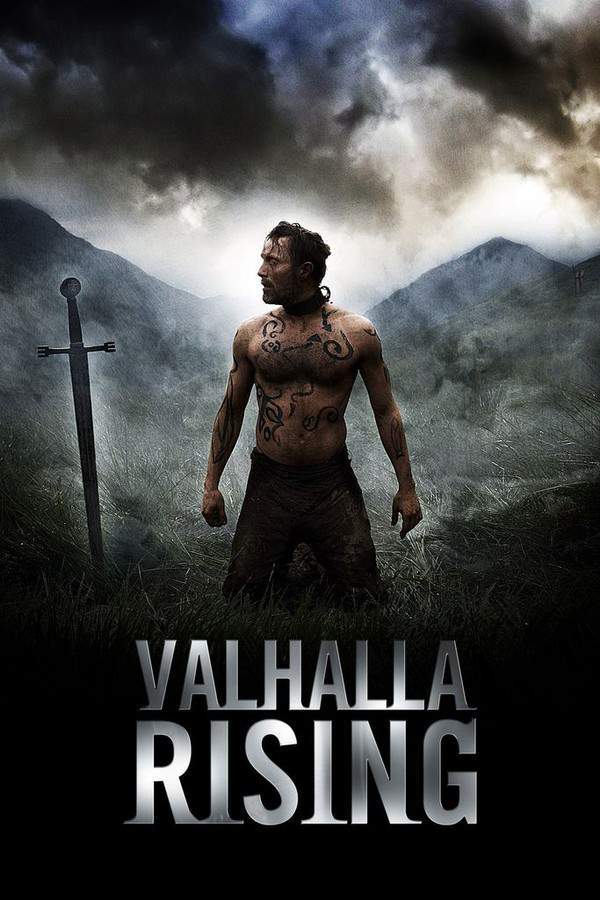
Valhalla Rising (2010) movie poster

Timeline

Valhalla Rising (2010) Timeline Explained – Every Event in Order

Release, runtime and language
2010 · 93 min · English
Loading streaming availability…
Starring
Mads Mikkelsen, Alexander Morton, Maarten Stevenson

A mysterious warrior known only as "One Eye" possesses incredible strength and an undefeated record, but he’s treated as a captive animal, finding comfort only in the offerings of a young boy. As Christianity's influence grows, threatening the old ways, One Eye is compelled to face this new force. He must then grapple with his purpose and value in a world that strips him of his humanity and confines his legendary power.

On this page (5)
  1. 1 Where to watch
  2. 2 Events in order (15)
  3. 3 Timeline questions answered
  4. 4 Movie threads
  5. 5 Every angle
Loading streaming availability…

15 events in order · contains spoilers

Valhalla Rising Timeline: Events in Chronological Order

Every key event of Valhalla Rising (2010) in order, scene by scene, with when and where it takes place. Use it to untangle flashbacks, time jumps and parallel storylines, to refresh your memory before the sequel or to find the exact scene you are thinking of.

  1. Captivity and Resilience

    One-Eye, a mute and one-eyed thrall, endures imprisonment by a ruthless Norwegian chieftain. His will to survive is tested daily as he learns to navigate life in chains, fostering a camaraderie with a sympathetic young thrall boy.

    Where
    Norwegian chieftain's fortress
  2. A Dream of Freedom

    In a moment of introspection, One-Eye dreams of escaping his servitude. This culminates in a significant discovery when he uncovers an arrowhead beneath the water, a symbol of his impending revenge against his captor.

    Where
    Nearby river
  3. Revenge is Served

    One-Eye takes decisive action against his chieftain by brutally impaling him on a nithing pole. This violent act is not just revenge but a bold assertion of his newfound autonomy.

    Where
    Chieftain's stronghold
  4. A Journey Begins

    With his freedom claimed, One-Eye sets off with the young thrall boy, embarking on a precarious journey. Together they traverse the harsh terrains of Scandinavian Scotland, bonding over their shared desire for liberation.

    Where
    Scandinavian Scotland
  5. Encounter with Christian Norsemen

    Their travels lead them to a group of Christian Norsemen preparing for a Crusade. The ambience shifts as they learn about the Norsemen's oppressive mission against local heathens.

    Where
    Norsemen's camp
  6. Chaos in the Fog

    As they embark on their journey towards the Holy Land, a dense fog envelops them, causing disorientation and confusion. This chaotic turn of events heightens the tension among the group and exposes their vulnerability.

    Where
    North Atlantic waters
  7. Ambushed by Skrælings

    Hope fades when they are ambushed by the Skrælings, armed with primitive weaponry. This encounter starkly reveals that their quest for the Holy Land had led them far astray.

    Where
    Riverbank
  8. Internal Conflicts Rising

    The group's steadfast leader insists on continuing their conquest, reflecting a growing divide within the party. One-Eye's visions of violence grow more vivid, emphasizing the escalating chaos in their mission.

    Where
    Norsemen's camp
  9. Turning Point

    As tensions boil, the group turns against One-Eye in a frenzy. He fights back with lethal precision, showcasing his resilience and survival instincts amidst overwhelming odds.

    Where
    Forest clearing
  10. Pursuit and Farewell

    After the devastating conflict, One-Eye and the boy flee, pursued by a heavily wounded second-in-command of the group. This marks a poignant moment of pursuit and sacrifice as they navigate their way away from the strife.

  11. A Confrontation on the Mountain

    On a mountain, the leader’s son questions One-Eye about their suffering. In a moment of introspection, One-Eye remains silent, prompting the young man to seek understanding within himself.

    Where
    Mountain peak
  12. The Final Confrontation

    As they near the coast, One-Eye encounters a menacing group of warriors. Recognizing their faces from his prophetic visions, he intentionally stands down, symbolically laying down his weapons.

    Where
    Rugged coast
  13. The Downfall of One-Eye

    The warriors brutally attack One-Eye, delivering a devastating blow. As he succumbs to his wounds, his spirit rises, ushering him towards an ethereal transition away from his earthly confinements.

    Where
    Coastline
  14. The Boy Left Behind

    As One-Eye's essence fades beneath the crashing waves, the young boy is left solitary on the shore. He watches as nature’s torrent mirrors the turmoil of their journey, marking the end of their shared struggle.

    Where
    Shoreline
  15. A Darkened Sky

    The sky darkens ominously over the ocean, storm clouds gathering to symbolize the conclusion of One-Eye's tale. In this tempestuous scene, the essence of One-Eye lingers, an everlasting reminder of resilience.

    Where
    Overhead

Last updated: November 22, 2024 at 15:42

Was this helpful?

Timeline questions answered

Valhalla Rising Timeline Explained: Your Questions Answered

When does it happen, and why in that order? The questions people ask about the chronology of Valhalla Rising (2010): time jumps, flashbacks, cause and effect between scenes and the correct order of events, each answered with spoilers.

Q1

Why does One-Eye never speak throughout the film?

One-Eye is established as mute from his time as a thrall, likely due to trauma or self-imposed silence after being dehumanized as a captive. His muteness reinforces his status as someone stripped of humanity and voice. He communicates through gestures, expressions, and action rather than words, which makes his final confrontation with the leader's son more powerful, he finally has the chance to speak but chooses silence.

  • one-eye
  • muteness
  • thrall
  • silence
  • communication
Q2

What is the significance of One-Eye finding the arrowhead in his dream?

The arrowhead One-Eye discovers underwater symbolizes his pathway to freedom and revenge. In Norse culture, an arrowhead represents weaponry and the ability to fight back. By finding it in a dream and then acting on it, One-Eye transforms from a passive captive into an agent of violence, using the same type of weapon (stone arrowheads) that will later be used by the Skrælings who ambush them.

Foreshadowing: The arrowhead foreshadows both One-Eye's violent revenge and the later encounter with Skrælings who use similar stone weapons.

  • arrowhead
  • dream
  • revenge
  • freedom
  • weapon
Q3

Why do One-Eye and the boy decide to join the Christian Norsemen?

After One-Eye kills the chieftain, he and the boy have gained freedom but lack direction or destination. The Christian Norsemen represent both a new path and a shelter, traveling with a group offers safety and purpose. Their journey seems driven by desperation and the hope of finding a better life, though the Crusade itself is not something they necessarily believe in; they simply have nowhere else to go.

  • crusaders
  • christian
  • one-eye
  • boy
  • journey
  • holy land
Q4

Why does the fog trap them and lead them astray from the Holy Land?

The fog represents a magical or fatalistic element that derails the Crusade's intended path. Rather than reaching the Holy Land, they end up in a harsh, unknown territory, likely somewhere in the Arctic or North Atlantic (possibly Greenland or Vinland). This derailment is central to the film's themes of fate and the impossibility of escape from one's destiny. The fog literally and symbolically obscures their path and purpose.

Foreshadowing: The fog is preceded by One-Eye's troubling visions, suggesting supernatural forces are guiding or manipulating their journey.

  • fog
  • crusade
  • holy land
  • navigation
  • disorientation
  • mystery
Q5

Who are the Skrælings that ambush them?

Skrælings is the Norse term for the indigenous people they encounter, likely the Inuit or other native peoples of the Arctic regions they mistakenly reach. The ambush reveals the Christian Norsemen have arrived far from their intended destination, in land inhabited by people who defend their territory against invaders. This encounter also represents the clash between the Christian crusaders and the 'heathen' or 'pagan' peoples the Norsemen sought to conquer.

  • skraelings
  • indigenous
  • native
  • ambush
  • attack
  • norse
Q6

What are One-Eye's visions about and what do they predict?

One-Eye experiences prophetic visions throughout the film that show violence, treachery, and the masked warriors who will ultimately kill him. These visions function as foreshadowing and suggest he has a connection to the spiritual or mystical realm, possibly a gift from his old 'pagan' beliefs. The visions reveal that his death is foretold and perhaps inevitable, reinforcing the film's fatalistic themes.

Foreshadowing: The visions foreshadow One-Eye's final confrontation with the masked warriors on the coast.

  • visions
  • prophecy
  • masked warriors
  • foretelling
  • death
  • fate
Q7

Why does One-Eye willingly face the masked warriors at the end?

One-Eye recognizes the masked warriors from his visions, indicating he knows this encounter is his destined fate. Rather than fighting them, he deliberately removes his weapons and steps forward to meet them, he appears to accept death as his purpose. This moment represents a reversal of his earlier fight for freedom; now he chooses surrender, possibly believing his sacrifice holds meaning or that resistance is futile against destiny.

Foreshadowing: One-Eye's visions earlier showed him these exact warriors, preparing both him and the viewer for this moment.

  • death
  • sacrifice
  • warriors
  • masked
  • destiny
  • fate
  • acceptance
Q8

What happens to the boy after One-Eye's death?

After One-Eye is killed by the masked warriors, his spirit visibly rises from his body and fades away, possibly returning to the spiritual realm. The boy is left alone on the shore, abandoned and without his protector. The darkened sky and storm clouds suggest a tragic ending for the boy as well, mirroring the bleak, fatalistic tone of the entire film.

  • boy
  • survival
  • alone
  • death
  • ending
  • abandonment
Q9

What is the nithing pole One-Eye uses for revenge?

A nithing pole (or nidstang) is a Norse ritual object used for cursing an enemy. By impaling the chieftain's head on this pole, One-Eye performs a ritualistic act of revenge that goes beyond mere killing, it symbolically humiliates the chieftain and asserts One-Eye's power over him. This act marks One-Eye's transformation from helpless thrall to formidable force.

  • nithing pole
  • revenge
  • ritual
  • cursing
  • norse
  • chieftain
Q10

Why do the Christian Norsemen attack One-Eye?

The group turns against One-Eye due to growing tensions and possibly fear of his mysterious power. After the Skræling ambush and the leader's increasingly fanatical insistence on conquering the land, the group becomes desperate and unstable. One-Eye's silence, his prophetic visions, and his status as a 'heathen' outsider likely make him a target for their frustration and violence, the same prejudice they show toward the indigenous peoples.

  • attack
  • norsemen
  • violence
  • one-eye
  • group
  • tension
Q11

What is the significance of the leader's son asking One-Eye about their suffering?

On the mountain, the leader's son asks One-Eye why they are suffering, representing a moment of spiritual questioning. One-Eye's silence forces the young man to seek his own answers, which may explain why he ultimately chooses to return to his father rather than continue with One-Eye. This scene explores themes of faith, purpose, and the search for meaning in suffering.

  • leader son
  • suffering
  • question
  • faith
  • meaning
  • mountain
Q12

What does One-Eye's spirit rising and the final vision represent?

After One-Eye is killed, his spirit visibly ascends from his body, suggesting an afterlife or spiritual journey. The final vision shows his face appearing in the stormy clouds above the boy, indicating his spirit remains present or watches over him. This mystical ending leaves interpretation open, it could represent One-Eye's soul returning to a spiritual homeland, finding peace, or becoming something larger than the physical world.

  • spirit
  • afterlife
  • vision
  • clouds
  • death
  • ascension
  • mystical
Q13

Is One-Eye meant to be a supernatural or mythological figure?

The film leaves One-Eye's nature deliberately ambiguous. His prophetic visions, his survival against impossible odds, his acceptance of death, and his spirit rising suggest he may be more than human, possibly a berserker warrior with mystical abilities or a figure from Norse mythology. However, the film never confirms this, instead leaving interpretation open while emphasizing his otherworldly quality.

  • supernatural
  • mythology
  • berserker
  • vision
  • one-eye
  • spiritual
Q14

Why is Valhalla Rising so visually brutal and violent?

The brutality serves the film's themes of dehumanization, survival, and the harsh reality of the era. The slow pacing and visceral violence create an immersive, bleak atmosphere that reflects the characters' lives as thralls and warriors. Rather than exploitative, the violence emphasizes the cost of One-Eye's existence and the world he inhabits, where life is cheap and death is constant.

  • brutality
  • violence
  • visual
  • themes
  • bleak
  • pacing

Movie threads

More Movies Like Valhalla Rising, by Mood & Story

Curated lists built around what makes Valhalla Rising tick: the same mood, the same kind of story or the same emotional payoff. Each list explains why these movies belong together.

Apocalyptic Sensory Journeys like in Valhalla Rising

Hypnotic and brutal films where atmosphere and imagery eclipse traditional plot. Find movies like Valhalla Rising that use slow pacing and immersive atmosphere to create a powerful sensory experience. If you liked the hypnotic, brutal, and visually-driven journey of Valhalla Rising, you'll appreciate these films where the world's feel is as important as the story.

  • atmospheric
  • dreamlike
  • oppressive
  • apocalyptic
  • meditative
  • brutal
  • Tone: bleak, apocalyptic, fatalistic
  • Pacing: slow, hypnotic, deliberate
Why these movies?

The story pattern: Narratives in this thread often follow a linear but ambiguous journey, more akin to a myth or a dream. Characters are pushed forward by forces beyond their control, moving through symbolic landscapes that reflect internal or existential conflicts. The focus is on the visceral, emotional impact of the journey rather than its logical resolution.

Why they belong together: Movies are grouped here based on their commitment to creating a powerful, atmospheric experience through deliberate pacing, striking cinematography, and a focus on sensory details. They share a common goal of making the viewer *feel* the world's weight and the characters' plight, often leaving a lasting impression through mood rather than plot twists.

Movies with Silent Warriors seeking meaning like in Valhalla Rising

Stories of enigmatic, violent figures grappling with their humanity in a hostile world. Explore films featuring silent, powerful protagonists on existential journeys, similar to One Eye in Valhalla Rising. If you liked the themes of humanity, purpose, and brutal conflict in Valhalla Rising, this collection highlights other stories about enigmatic warriors in unforgiving worlds.

  • brutal
  • fatalistic
  • somber
  • violent
  • existential
  • mythic
  • Tone: bleak, somber, fatalistic
  • Pacing: slow, deliberate
Why these movies?

The story pattern: The narrative pattern follows a archetypal warrior, defined by their actions rather than words, who is used as a tool by others. Their journey becomes one of breaking free from this role, often culminating in a fatalistic but meaningful sacrifice or a bleak realization about their place in the world.

Why they belong together: These movies share a focus on a specific character archetype: the silent,近乎神话般的战士。它们通过探索暴力、人性以及个人在压迫性意识形态或社会中的意义等相似主题而联系在一起。核心是一种忧郁的、存在主义的情感分量。

Every angle

Valhalla Rising (2010) Explained: Plot, Timeline & Characters

Everything about Valhalla Rising in one place: what happens in the plot summary, the timeline in chronological order, the characters and meaning and a spoiler-free summary. What's After the Movie adds the cast, box office and post-credit scenes.

Coming soon on iOS and Android

The Plot Explained Movie Summary App

Plot summaries, endings explained and timelines on your phone. Catch up on any movie in minutes, save your favorites and never miss a twist again.

Be the first to know when we launch. Your email stays private, always.

Learn more about the app