








Plot Explained Spoilers guaranteed!
Plot Explained

Browse by genre

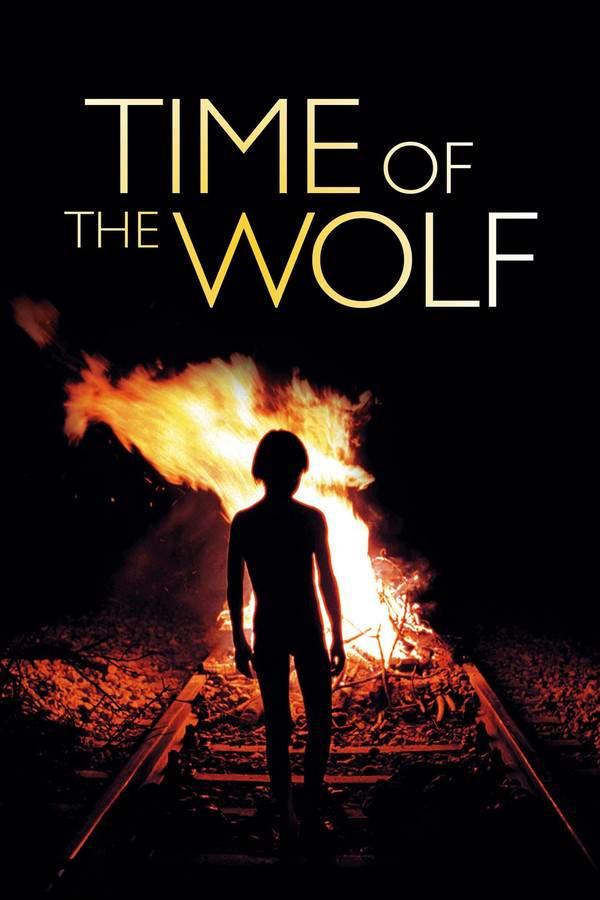
Time of the Wolf (2004) movie poster

Timeline

Time of the Wolf (2004) Timeline Explained – Every Event in Order

Release, runtime and language
2004 · 114 min · Canadian french
JustWatch #11,661 7
Starring
Isabelle Huppert, Anaïs Demoustier, Béatrice Dalle, Hakim Taleb

With Europe facing imminent collapse and resources dwindling, a couple journeys to their isolated country home, hoping to escape the widespread scarcity and despair. They discover another family has already sought refuge there, leading to a tense and unsettling confrontation. As both families struggle to survive, they find themselves increasingly vulnerable in a world where compassion is a rare and precious commodity, and their fragile hope for salvation is constantly threatened.

On this page (5)
  1. 1 Where to watch
  2. 2 Events in order (11)
  3. 3 Timeline questions answered
  4. 4 Movie threads
  5. 5 Every angle

Where to watch

Where to Watch Time of the Wolf (2004)

Where can you watch Time of the Wolf? Stream, rent or buy it in the US, including on Kanopy, Tubi TV and Amazon Video: current JustWatch availability with up-to-date prices.

Streaming availability powered by JustWatch

11 events in order · contains spoilers

Time of the Wolf Timeline: Events in Chronological Order

Every key event of Time of the Wolf (2004) in order, scene by scene, with when and where it takes place. Use it to untangle flashbacks, time jumps and parallel storylines, to refresh your memory before the sequel or to find the exact scene you are thinking of.

  1. Family arrives at rural vacation home

    Following an unspecified apocalyptic event, Anne, Georges, Eva, and Ben travel to their countryside house, hoping to find safety from societal collapse. Upon arrival, they discover the house is already occupied by an armed family, indicating total societal breakdown. Georges attempts to de-escalate the tense situation but is suddenly shot and killed by the intruders.

    Where
    Rural vacation home
  2. Forced withdrawal and wandering

    After Georges' death, Anne and her children are allowed to leave with minimal belongings. They are forced to wander the devastated countryside, facing a landscape ravaged by collapse and violence. Their journey is marked by encounters with hostile villages, abandoned scenes, and the struggle for survival.

    Where
    Surrounding countryside
  3. Encounter with the feral teenage boy

    While traversing the landscape, the family meets a feral teenage boy who has survived alone in the wild. He exhibits emotional detachment and wariness towards outsiders, but Anne tries to show him compassion and care, recognizing his vulnerability amidst chaos.

  4. Arrival at the railway station

    After days of hardship, the group reaches a refugee gathering point at a railway station. The station is crowded with diverse survivors, and a self-appointed leader named Koslowski begins overseeing resource distribution and interactions among different groups. Tensions arise over access to resources and services offered by the community.

    Where
    Railway station
  5. Bartering and exploitation at the station

    Refugees barter whatever possessions they have or offer services—sometimes including sexual favors—to secure resources. The atmosphere is tense and desperate, highlighting the societal breakdown and the breakdown of moral boundaries in the fight for survival.

  6. Meeting Béa and the concept of 'the Just'

    Anne encounters Béa, a city woman who whispers about 'the Just', a group of 36 righteous people believed to be responsible for the world's salvation. Béa suggests that their hardships may be a divine trial linked to these mysterious figures, adding a spiritual dimension to their suffering.

  7. Eva bonds and witnesses a betrayal

    Eva grows close with the feral teenage boy, who eventually abandons the group to steal a goat, seen as a betrayal by Eva. She also witnesses the group being victimized when she observes a rape while others sleep, and instinctively throws herself over her brother to shield him, exposing her innocence amidst chaos.

    Where
    Refugee camp
  8. Arrival of Georges’s killers and accusations

    The group discovers that Georges’s murderer, along with his wife and child, has joined their shelter. Anne demands their removal, but the group refuses without concrete proof. Tensions escalate as accusations are made against other members, highlighting distrust and moral ambiguity among survivors.

    Where
    Refugee camp
  9. Entertainment and tales of sacrifice

    An old man provides brief entertainment by swallowing razor blades and telling stories of people sacrificing themselves by fire or other means. These stories reflect themes of suffering, salvation, and the search for meaning amidst chaos, resonating with the group’s grim reality.

    Where
    Refugee camp
  10. Ben’s mysterious illness and act of sacrifice

    Ben, suffering from chronic nosebleeds and an unexplained illness, leaves the camp and strips down by a fire on the tracks, seemingly attempting to sacrifice himself to stop a passing train. A man pulls him away, telling him that their willingness to die is noticed and that his life still has value, giving him a reason to live.

    Where
    Train tracks
  11. Silent closing scene from a train window

    The film ends with a silent, panoramic shot from a passing train, moving through peaceful countryside. There are no signs of refugees or chaos, suggesting a return to normalcy or the continued uncertainty, highlighting themes of transition and unresolved tension.

    Where
    Countryside from a train

Last updated: August 19, 2025 at 05:13

Was this helpful?

Timeline questions answered

Time of the Wolf Timeline Explained: Your Questions Answered

When does it happen, and why in that order? The questions people ask about the chronology of Time of the Wolf (2004): time jumps, flashbacks, cause and effect between scenes and the correct order of events, each answered with spoilers.

Q1

Why does Georges get killed so suddenly at the country house?

Georges is killed because the family that has occupied their vacation home views him as a direct threat. When Anne, Georges, and their children arrive at the house, the armed man already living there sees Georges as an intruder attempting to reclaim the property. Despite Georges trying to negotiate peacefully, the intruder perceives him as dangerous and shoots him instantly, establishing the brutal reality of survival where even simple encounters can turn fatal.

Foreshadowing: Earlier scenes showing the burned villages and abandoned homes hint that societal order has completely broken down, making violent confrontation inevitable.

  • georges death
  • family killed
  • country house
  • intruder
  • negotiation failed
Q2

Who are the Just that Béa mentions to Anne?

Béa tells Anne about 'the Just,' a mystical concept referring to 36 righteous individuals believed to walk the earth. According to this belief, the world continues to exist because of these holy figures, and their presence prevents total destruction. Béa suggests the suffering the survivors endure might be a divine test connected to these mysterious people, adding a religious and philosophical layer to the film's bleak atmosphere.

Foreshadowing: This idea of hidden righteousness amid destruction echoes the film's theme of holding onto fragile hope when all seems lost.

  • the just
  • béa
  • righteous
  • 36
  • divine
  • religion
  • salvation
Q3

Why does the feral teenage boy abandon the group?

The feral boy has survived alone in the wild for an extended period, making trust extremely difficult for him. Despite Anne's attempts to show him compassion and include him in the group, his instincts as a survivor compel him to leave. He steals one of the goats, viewed as a betrayal by Eva, because he prioritizes immediate survival needs over community bonds. His departure reflects how the apocalyptic world has shaped him to prioritize self-preservation over human connection.

Foreshadowing: His initial wariness and emotional detachment when first encountered foreshadow his inability to fully integrate into the group.

  • feral boy
  • leaves
  • goat
  • betrays
  • trust
  • survival
  • isolated
Q4

What happens to Ben at the train tracks?

Ben, who has been suffering from chronic nosebleeds and deteriorating health, leaves the camp one night and strips down before a fire on the train tracks. In a desperate act of sacrifice, he positions himself on the tracks hoping to stop a passing train from taking him away, either literally or metaphorically representing his desire to end his suffering. A camp member discovers him just in time and pulls him away, reassuring him that his willingness to sacrifice himself has been witnessed and that his life still holds value, giving him a reason to continue living.

Foreshadowing: Earlier discussions about people throwing themselves into fire foreshadow this theme of sacrifice as a form of meaning-making in a hopeless world.

  • ben
  • sacrifice
  • train tracks
  • fire
  • nosebleeds
  • illness
  • saves him
Q5

Why does the group refuse to expel Georges's killer?

The group refuses to remove Georges's killer because there is no concrete evidence linking him to the murder. Without verifiable proof, the survivors, a community of desperate people trying to maintain some order, cannot justify expulsion based solely on suspicion. This decision reflects the moral ambiguity that has emerged in this collapsed society, where accusations easily fly but proof becomes scarce, and the community must balance justice with survival.

Foreshadowing: Earlier conflicts over resource bartering and accusations against a Pole for murdering a farmer establish the pattern of suspicion without proof.

  • georges killer
  • accused
  • expelled
  • evidence
  • group
  • refused
  • suspicion
Q6

What does the silent train scene at the end mean?

The final shot shows a train gliding peacefully through untouched countryside with no passengers, no voices, and no signs of the refugees. This ambiguous ending suggests several possibilities: the survivors may have found safety and moved on, the peaceful landscape might represent hope for civilization's recovery, or the emptiness could imply the characters' fate remains uncertain. The stark contrast between this tranquility and the suffering shown throughout the film leaves viewers with quiet ambiguity about whether hope persists or has been lost entirely.

Foreshadowing: The earlier desperate waiting at the railway station for a train to rescue them establishes the train as a symbol of escape and potential salvation.

  • ending
  • train
  • peaceful
  • countryside
  • ambiguous
  • silent
  • hope
  • unresolved
Q7

Why does Anne try to care for the feral teenage boy?

Anne recognizes the boy's vulnerability beneath his rough, emotionally detached exterior. Having lost her husband Georges and now responsible for protecting her two children alone, she sees the boy as another vulnerable survivor who has been damaged by the chaotic world. Her attempt to care for him reflects her need to maintain humanity and compassion in a world where such qualities have become rare, even if her efforts ultimately prove unsuccessful.

Foreshadowing: Her maternal instinct is established early when she prioritizes her children's safety throughout their dangerous journey.

  • anne
  • feral boy
  • care
  • compassion
  • vulnerable
  • trust
  • maternal
Q8

Why does the old man swallow razor blades at the camp?

The old man performs this macabre act as a form of entertainment and storytelling that resonates with the desperate camp inhabitants. By swallowing razor blades and telling tales of people sacrificing themselves by fire, he provides a dark commentary on the extremes of human desperation and the search for meaning in suffering. His performances reflect the normalized despair around him, where extreme behaviors become a way to cope with or make sense of the collapsed world.

Foreshadowing: This directly foreshadows Ben's own act of sacrifice by fire on the train tracks later in the film.

  • old man
  • razor blades
  • entertainment
  • sacrifice
  • stories
  • fire
  • despair
Q9

What does Eva witness at the refugee camp?

While the group sleeps at the refugee camp, Eva witnesses a rape occurring, a traumatic event that exposes the moral degradation and vulnerability of women in this desperate society. In an act of protection and innocence, she throws herself over her sleeping brother Ben to shield him from witnessing the horror, demonstrating her instinct to protect her family even at great emotional cost. This event marks her loss of innocence and adds to the film's exploration of how survival strips away moral boundaries.

Foreshadowing: Earlier tensions at the station about women providing sexual favors for resources established the vulnerability of women in this lawless environment.

  • eva
  • witnesses
  • rape
  • trauma
  • protects
  • ben
  • innocence
  • camp

Movie threads

More Movies Like Time of the Wolf, by Mood & Story

Curated lists built around what makes Time of the Wolf tick: the same mood, the same kind of story or the same emotional payoff. Each list explains why these movies belong together.

Bleak survival movies like Time of the Wolf

Stories where civilization's end brings a desperate, morally gray struggle. Explore movies like Time of the Wolf that depict the grim reality of post-apocalyptic survival. These films share a bleak tone, heavy emotional weight, and focus on the desperate, often morally ambiguous choices characters must make when society has crumbled.

  • grim
  • oppressive
  • desperate
  • hopeless
  • somber
  • anxious
  • Tone: bleak, desperate
  • Pacing: slow, methodical
Why these movies?

The story pattern: Narratives in this thread typically follow a linear, arduous journey of survival, emphasizing the physical and psychological toll on a small group. The central conflict isn't just external threats, but the internal decay of humanity and the difficult choices required to endure another day.

Why they belong together: These films are grouped together by their oppressive, hopeless atmosphere, slow pacing that mirrors the grind of survival, and a thematic focus on societal collapse and moral decay. They deliver a heavy, immersive, and emotionally draining viewing experience.
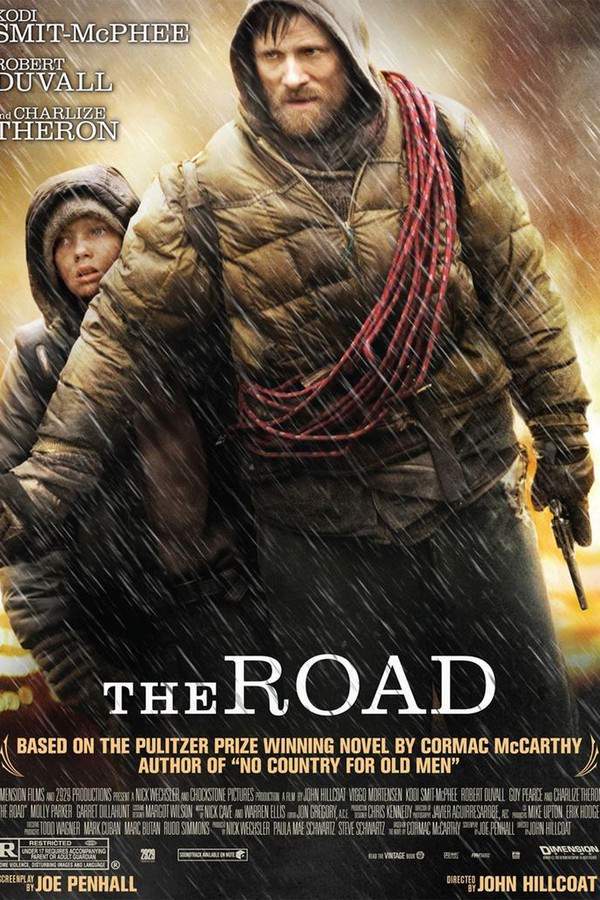
Moral decay stories similar to Time of the Wolf

Character studies where desperation erodes humanity in a broken world. Find films similar to Time of the Wolf that explore the theme of moral decay under desperate circumstances. If you liked the film's focus on how survival instincts challenge human compassion, you'll appreciate these slow-burn, character-driven dramas.

  • unsettling
  • desperate
  • somber
  • psychological
  • anxious
  • grim
  • Tone: somber, tense, unsettling
  • Pacing: slow burn, character driven
Why these movies?

The story pattern: The narrative pattern revolves around ordinary people facing an extraordinary crisis that systematically breaks down their ethical boundaries. The story unfolds slowly, focusing on intimate character moments that reveal the creeping loss of their former selves, often leading to an ambiguous or downbeat conclusion.

Why they belong together: Movies in this thread share a slow, deliberate pace that amplifies psychological tension, a heavy emotional weight, and a central theme of how extreme circumstances force characters to compromise their humanity. The experience is defined by a pervasive sense of unease and tragic inevitability.

Every angle

Time of the Wolf (2004) Explained: Plot, Timeline & Characters

Everything about Time of the Wolf in one place: what happens in the plot summary, the timeline in chronological order, the characters and meaning and a spoiler-free summary. What's After the Movie adds the cast, box office and post-credit scenes.

Coming soon on iOS and Android

The Plot Explained Movie Summary App

Plot summaries, endings explained and timelines on your phone. Catch up on any movie in minutes, save your favorites and never miss a twist again.

Be the first to know when we launch. Your email stays private, always.

Learn more about the app