Plot Explained Spoilers guaranteed!
Plot Explained

Browse by genre

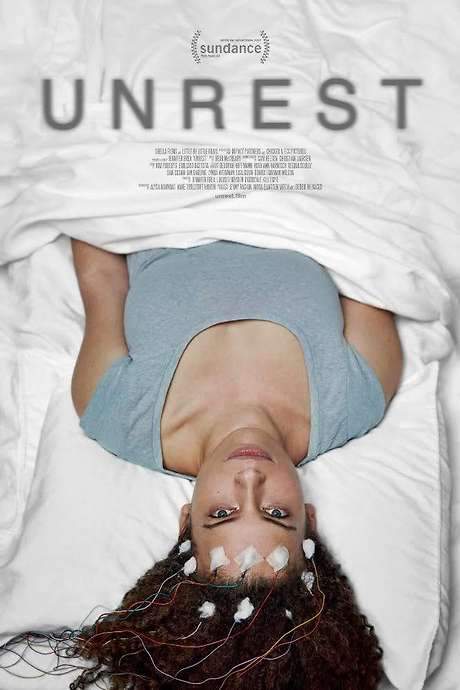
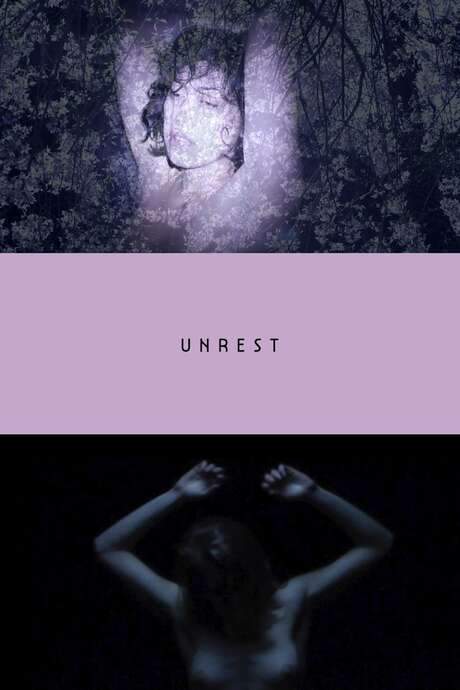
Unrest (2017) movie poster

Plot Summary

Unrest (2017) Plot Summary Explained

Release, runtime and language
2017 · 47 mins · French
Loading streaming availability…
Directed by
Philippe Grandrieux
Starring
Lilas Nagoya, Nathalie Remadi

This film is the third part of a trilogy exploring themes of anxiety and the human psyche. It presents a body as a connection to the distant past, an ancient form that evokes a sense of unease and projects a shadowy presence within us. It delves into a primal state, examining the depths of time and the lingering impact of our ancestral selves.

On this page (6)
  1. 1 Where to watch
  2. 2 What happens: full plot
  3. 3 Plot questions answered
  4. 4 Movie threads
  5. 5 Movies like Unrest
  6. 6 Every angle
Loading streaming availability…

Full plot summary · contains spoilers

What Happens in Unrest: Full Plot Summary

The whole story of Unrest (2017) explained, from the opening scene to the final frame: every key event, every twist and what it all adds up to. Read it as a quick recap before the sequel, to check a scene you missed, or to finally understand what really happened.

This powerful documentary chronicles the harrowing journey of Jennifer Brea, a brilliant PhD student at Harvard University whose life was fundamentally altered when she fell severely ill at the age of 28. As her condition worsened, Brea faced a frustrating and systemic lack of belief from the medical community; doctors initially dismissed her debilitating symptoms as mere manifestations of stress. In an effort to provide undeniable evidence of her physical decline to her healthcare providers, Brea began recording a video diary. This personal archive served as a primary tool for her survival and eventually evolved into the foundation for the documentary Unrest. The film opens with a stark, sobering image of Brea crawling across the floor, physically unable to walk, before she eventually receives a formal diagnosis of myalgic encephalomyelitis/chronic fatigue syndrome (ME/CFS).

Seeking answers and a sense of community, Brea and her husband, Omar Wasow, turned to the internet, where they connected with a global network of individuals suffering from the same mysterious condition. The film highlights several heartbreaking testimonials to illustrate the societal and familial toll of the disease. In one instance, a woman in the United States describes how her husband abandoned her because he believed her illness was purely psychological; the couple only managed to reconcile after their own daughter developed ME, providing the husband with undeniable proof of the illness's reality. Similarly, the documentary explores a distressing case in Denmark, where a young girl was forcibly taken by police to a psychiatric hospital because authorities suspected her parents were "nurturing" her illness.

The devastation extends further through the story of the son of geneticist Ron Davis, who had been rendered mute and unable to speak for an entire year due to the progression of the disease. In the United Kingdom, the film introduces a young woman who has developed osteoporosis as a direct result of being bedridden for several years, unable to move or leave her room.

To provide a scientific context, the narrative is interspersed with detailed interviews featuring various scientists and immunologists. These experts discuss the alarming lack of research funding available for ME/CFS. They suggest that this neglect is rooted in two primary factors: the complex and difficult-to-understand nature of the symptoms and a systemic bias, as the vast majority of those afflicted by ME are women. The documentary culminates in a depiction of the 2016 #MillionsMissing protests, a global movement aimed at demanding increased awareness, medical validation, and urgent support for the millions of patients worldwide suffering in silence.

Last updated: October 18, 2026 at 14:01

Was this helpful?

Plot questions answered

Unrest Plot Explained: Your Questions Answered

The questions people ask most about Unrest (2017): what happens in the confusing scenes, why the characters do what they do, the twists, hidden details and what the ending means. Each answer contains spoilers.

Q1

Why did Jennifer Brea start recording a video diary when she got sick?

Jennifer Brea began filming herself because doctors repeatedly dismissed her debilitating symptoms as stress, refusing to take her physical decline seriously. By documenting her daily struggles on camera, she hoped to create undeniable proof that her illness was real and physical, not psychological. This personal archive eventually became the foundation for the documentary Unrest itself, transforming a desperate attempt to be believed into a global advocacy tool.

Foreshadowing: Brea's early home recordings foreshadow the film becoming a public platform for ME patients who have been similarly disbelieved by the medical system.

  • jennifer brea
  • video diary
  • medical gaslighting
  • me/cfs
  • personal archive
  • documentary origin
Q2

Why did doctors initially dismiss Jennifer Brea's symptoms as stress?

Doctors attributed Brea's sudden loss of physical function to stress because ME/CFS symptoms are complex, hard to measure objectively, and do not show up clearly on standard medical tests. This pattern of disbelief reflects a broader systemic bias in medicine, where conditions that predominantly affect women and lack visible biomarkers are often psychologized. Brea's years-long struggle to receive a formal ME/CFS diagnosis illustrates how patients with this disease are frequently written off before being properly examined.

Foreshadowing: The pattern of disbelief Brea experiences early on foreshadows the broader societal and familial rejection documented in other patient stories throughout the film.

  • medical dismissal
  • stress misdiagnosis
  • jennifer brea
  • me/cfs symptoms
  • systemic bias
Q3

What is ME/CFS and how does it affect the body?

Myalgic encephalomyelitis/chronic fatigue syndrome (ME/CFS) is a severe, chronic illness that causes extreme exhaustion, cognitive dysfunction, and physical collapse, often leaving patients unable to walk, speak, or leave their beds. The documentary Unrest shows how the disease can progress to the point where sufferers become bedbound for years, develop secondary conditions like osteoporosis, and in some cases lose basic abilities such as speech. There is currently no cure, and the underlying biology remains poorly understood by the medical community.

  • me/cfs
  • chronic fatigue syndrome
  • symptoms
  • myalgic encephalomyelitis
  • disease progression
Q4

Why has ME/CFS received so little research funding?

Scientists interviewed in Unrest explain that ME/CFS research is critically underfunded because the disease's symptoms are complex and difficult to quantify using standard medical testing. Compounding this is a systemic bias in medicine against illnesses that disproportionately affect women, meaning conditions like ME/CFS have historically been deprioritized in favor of better-publicized diseases. This double neglect, biological complexity combined with gender bias, has left millions of patients without adequate treatment or even a confirmed biological mechanism.

Foreshadowing: The film's early focus on female patient stories foreshadows the later scientific explanation that gender bias is one of the core reasons ME research has been starved of funding.

  • research funding
  • me/cfs neglect
  • gender bias in medicine
  • scientific interviews
  • healthcare disparity
Q5

Why was the young girl with ME taken to a psychiatric hospital in Denmark?

In Unrest, a young Danish girl with ME was forcibly removed from her parents by police and placed in a psychiatric hospital because authorities suspected her parents of inducing the condition through their care, a phenomenon sometimes referred to as Munchausen syndrome by proxy. Authorities treated the physical symptoms as a manufactured psychological issue rather than recognizing ME as a legitimate biological disease. This case illustrates how medical disbelief at the institutional level can escalate into state intervention that separates children from their families.

Foreshadowing: The pattern of authorities misreading physical illness as psychological manipulation echoes the personal disbelief each patient describes earlier in the film.

  • denmark case
  • child removal
  • psychiatric hospital
  • munchausen by proxy
  • medical disbelief
  • me/cfs
Q6

Why did the American husband reconcile with his wife only after their daughter got ME?

The husband had abandoned his wife because he believed her ME diagnosis was psychological rather than a real physical illness. When their daughter independently developed the same disease, he was confronted with undeniable proof that ME was not a fabricated or stress-induced condition. Seeing the illness manifest in his child forced him to recognize that his wife's suffering had been genuine all along, leading the couple to reconcile.

Foreshadowing: The earlier framing of ME as 'invisible' and easily dismissed foreshadows how the disease must become visible in a new victim before disbelievers accept its reality.

  • family breakdown
  • me/cfs
  • american patient
  • reconciliation
  • psychological disbelief
  • husband abandoned wife
Q7

How did Ron Davis's son lose the ability to speak?

Ron Davis, a renowned geneticist whose own son became severely ill with ME/CFS, watched his child progressively deteriorate to the point of being unable to speak for an entire year. The loss of speech was a direct neurological consequence of the disease's progression, even though the underlying mechanism remains poorly understood. His case is particularly striking given that his father is one of the most qualified geneticists in the world, yet still cannot reverse the damage ME has caused in his own family.

  • ron davis
  • geneticist
  • son mute
  • me/cfs progression
  • neurological symptoms
Q8

How did Jennifer Brea find other patients with the same mysterious illness?

After years of being dismissed by doctors, Brea and her husband Omar Wasow turned to the internet in search of explanations for her symptoms. Online forums and patient networks connected them with thousands of people worldwide who described the same constellation of symptoms and similar experiences of medical disbelief. These digital connections transformed Brea's experience from one of isolation into a recognition that she was part of a hidden global community of ME patients.

Foreshadowing: Brea's early frustration with doctors foreshadows how the internet, rather than the medical system, becomes her path to validation and community.

  • jennifer brea
  • omar wasow
  • online community
  • patient network
  • global me/cfs
  • finding answers
Q9

Why does the documentary open with Jennifer Brea crawling on the floor?

The opening image of Brea crawling, physically unable to walk, immediately establishes the devastating physical reality of ME/CFS before any medical or scientific explanation is introduced. By showing the raw severity of her condition in the first moments of the film, the documentary confronts viewers with undeniable proof that this is a serious physical disease, not a form of stress or fatigue. This framing sets the tone for a story aimed at dismantling disbelief rather than asking audiences to take it on faith.

  • opening scene
  • jennifer brea crawling
  • visual proof
  • me/cfs severity
  • documentary framing
Q10

Why did the young woman in the UK develop osteoporosis from ME?

The young British woman featured in Unrest developed osteoporosis as a secondary consequence of being completely bedbound for several years due to ME/CFS. Because the disease left her unable to move or bear weight on her bones, her skeleton deteriorated in the same way it would in any long-term immobilized patient. Her case underscores how ME does not merely cause fatigue but can trigger a cascade of additional medical complications when patients are confined to bed for extended periods.

  • osteoporosis
  • bedbound patient
  • uk woman
  • me/cfs complications
  • immobility
  • secondary illness
Q11

What were the #MillionsMissing protests trying to achieve?

The 2016 #MillionsMissing protests were a global activism campaign demanding increased awareness, medical validation, and urgent government support for ME/CFS patients who have been marginalized by healthcare systems. The name refers to the millions of patients who are effectively 'missing' from public life, school, work, and social participation due to the disease. The protests represent a turning point in the documentary, shifting the narrative from individual suffering toward collective political action and patient-led advocacy.

Foreshadowing: Brea's early need to prove her illness on camera foreshadows the #MillionsMissing movement, where patients collectively demand to be seen and counted by society.

  • millionsmissing
  • 2016 protests
  • patient activism
  • me/cfs awareness
  • global movement
  • medical validation
Q12

Why does Unrest emphasize that the majority of ME patients are women?

The documentary highlights that ME disproportionately strikes women because researchers and patients interviewed in the film identify gender bias as one of the key reasons the disease has been historically neglected by medicine. Conditions that primarily affect women have historically received less research funding, been psychologized more frequently, and been taken less seriously by healthcare providers. By foregrounding this gender disparity, the documentary frames ME as not just a medical mystery but also a case of structural injustice in how women's illnesses are treated.

Foreshadowing: The earliest stories of female patients being disbelieved foreshadow the later scientific argument that this pattern of dismissal is systemic rather than incidental.

  • women with me
  • gender bias
  • female patients
  • medical misogyny
  • me/cfs demographics
  • healthcare inequality

Movie threads

More Movies Like Unrest, by Mood & Story

Curated lists built around what makes Unrest tick: the same mood, the same kind of story or the same emotional payoff. Each list explains why these movies belong together.

Documentaries exposing medical neglect like Unrest

Documentaries where suffering becomes a rallying cry against institutional failure. If you were moved by Unrest, these movies like Unrest dive into similar territory: powerful documentaries that confront systemic medical neglect, patient gaslighting, and the brave activists fighting for recognition. Expect eye-opening stories about chronic illness, disability rights, gender bias in healthcare, and grassroots movements demanding change. Each film balances heartbreaking personal testimony with defiant calls for justice, perfect for viewers who want documentaries that inform, outrage, and inspire action.

  • defiant
  • heartbreaking
  • urgent
  • somber
  • activist
  • oppressive
  • Tone: dark, defiant, bittersweet
  • Pacing: steady, testimonial driven
Why these movies?

The story pattern: Stories in this thread typically open with the quiet devastation of being dismissed or harmed by a powerful institution, then follow ordinary people as they organize, share their stories publicly, and build movements. The narrative structure often intercuts intimate testimonials with broader systemic analysis, expert voices, and moments of collective protest. Character journeys shift from isolation and despair toward empowerment and solidarity, even when the larger battle remains unresolved. The climax usually centers on a public act of resistance or visibility that marks a turning point, while the ending carries an undercurrent of bittersweet hope.

Why they belong together: These films share a distinctive emotional cocktail: deep sadness and frustration at systemic injustice, paired with defiance and communal strength. They tend to feature steady, observational pacing that gives weight to personal testimony, and they end on a bittersweet note where progress is real but incomplete. The combination of investigative journalism, intimate storytelling, and activist energy creates a coherent experience of bearing witness to injustice while feeling the pull of collective resistance.

Movies about invisible illness like Unrest

Intimate portraits of bodies that suffer in ways the world refuses to see. If Unrest resonated with you, these movies like Unrest share its core: intimate stories about living with chronic illness, invisible disabilities, and the emotional toll of being medically and socially dismissed. Films in this thread blend personal documentary with deep reflection, exploring chronic fatigue syndrome, autoimmune conditions, and other misunderstood illnesses. They are heavy, eye-opening, and tender, ideal for viewers seeking empathetic stories about disability, patient experience, and the long fight for recognition.

  • somber
  • reflective
  • heartbreaking
  • intimate
  • lonely
  • resilient
  • Tone: somber, reflective, sorrowful
  • Pacing: slow, steady, introspective
Why these movies?

The story pattern: Narratives in this thread unfold as a mosaic of personal testimonies, often spanning years or even decades of illness. Characters navigate misdiagnosis, family disbelief, medical appointments, and small daily victories, while larger social structures slowly come into focus. The arc rarely offers a clean recovery; instead, it follows a journey from invisibility and shame toward self-advocacy, community, and a redefined sense of self. Films blend intimate first-person footage, medical records, and family moments to create an unflinching but compassionate portrait of chronic suffering.

Why they belong together: These films share a quiet, sustained heaviness rooted in real human bodies and real time. Pacing is steady and reflective, giving space to symptoms, conversations, and small emotional shifts. The tone is somber, sometimes oppressive, but never gratuitously bleak; there is often a current of quiet dignity and solidarity among patients. Viewers who connected with Unrest's blend of medical critique and personal intimacy will find a familiar emotional landscape here, even when the specific illnesses and settings differ.

If you liked this

Movies Like Unrest

Similar movies to Unrest: the same genre, themes or kind of story. Each one comes with its own plot summary, timeline and ending explained.

Browse all movie summaries

Every angle

Unrest (2017) Explained: Plot, Timeline & Characters

Everything about Unrest in one place: what happens in the plot summary, the timeline in chronological order, the characters and meaning and a spoiler-free summary. What's After the Movie adds the cast, box office and post-credit scenes.

Coming soon on iOS and Android

The Plot Explained Movie Summary App

Plot summaries, endings explained and timelines on your phone. Catch up on any movie in minutes, save your favorites and never miss a twist again.

Be the first to know when we launch. Your email stays private, always.

Learn more about the app