Plot Explained Spoilers guaranteed!
Plot Explained

Browse by genre

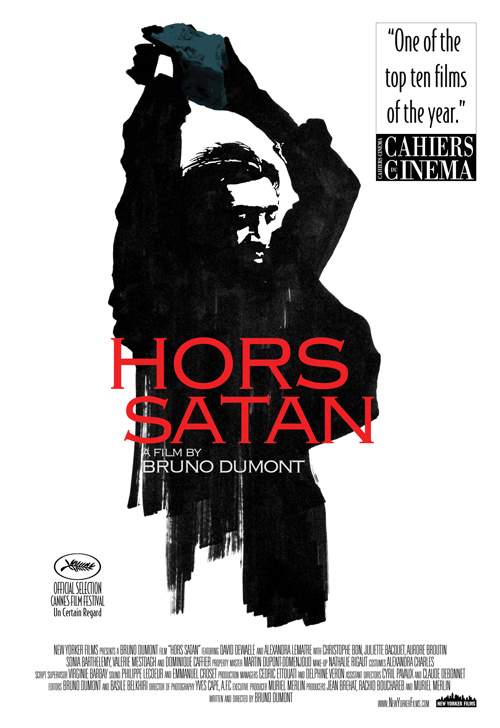
Under the Sun of Satan (1987) movie poster

Characters & Themes

Under the Sun of Satan (1987) Characters, Setting & Themes Explained

Release, runtime and language
1987 · 98 mins · French
Loading streaming availability…
Starring
Sandrine Bonnaire, Gérard Depardieu, Maurice Pialat, Thierry Der'ven, Jean-Christophe Bouvet, Yann Dedet

Satan tempts Father Dossignan, who is trying to save the soul of a young girl who killed one of her lovers.

On this page (8)
  1. 1 Where to watch
  2. 2 Characters explained (6)
  3. 3 Where & when it takes place
  4. 4 Themes & meaning (4)
  5. 5 Character & meaning questions
  6. 6 Movie threads
  7. 7 Movies like Under the Sun of Satan
  8. 8 Every angle
Loading streaming availability…

6 main characters · contains spoilers

Under the Sun of Satan Characters Explained: Who Is Who

The main characters of Under the Sun of Satan (1987), heroes and villains: what drives them, how they change over the course of the story and what each of them reveals about the film's bigger ideas.

  • Donissan (Gérard Depardieu)

    A newly ordained priest tormented by doubts and drawn to self-denial, he sees a potential gift to discern souls yet feels his own fragility. He struggles between vocation and spiritual danger, seeking holiness while teetering on the edge of fanaticism.

    • 🙏 Faith
    • 😟 Inner turmoil
    • 👼 Holiness
  • Mouchette (Sandrine Bonnaire)

    A 16-year-old parishioner whose longing for escape clashes with harsh realities. Her actions reveal a vulnerable innocence marred by circumstance, becoming the catalyst that tests mercy, judgment, and the limits of forgiveness.

    • 🎭 Youth
    • 💔 Innocence
    • 🧭 Moral ambiguity
  • Menou-Segrais (Maurice Pialat)

    An experienced parish priest who guides Donissan and assesses his vocation. He embodies pastoral authority and cautious wisdom, trying to temper zeal with prudence amid spiritual risk.

    • ⛪ Elder guidance
    • 🧭 Moral duty
  • Cadignan (Alain Artur)

    A marquis whose financial anxieties influence his actions and relationships. His worldly concerns intersect with the moral turmoil surrounding Mouchette, highlighting the impact of status on moral choices.

    • 🏰 Aristocracy
    • 💔 Flawed desire
  • Gallet (Yann Dedet)

    A married doctor who becomes entangled with Mouchette. He treats the situation pragmatically and refuses help with abortion after learning of the pregnancy, illustrating ethical conflict and avoidance.

    • 👨‍⚕️ Medical
    • 🌀 Ethical dilemma
  • Le maquignon (Jean-Christophe Bouvet)

    A horse-trader who appears as a mysterious figure and is revealed to be an incarnation of Satan, testing Donissan's resolve and temptations.

    • 🐴 Trader
    • 👹 Temptation

Last updated: October 04, 2025 at 13:47

Was this helpful?

Setting

Where and When Does Under the Sun of Satan Take Place?

The setting of Under the Sun of Satan (1987): the year and time period, the places and locations, and how they shape the characters, the mood and the tension of the story.

Time period

Location

Rural French parish, French countryside, church

The film unfolds in a small rural parish in France, with the church at its center and fields surrounding the village. The setting feels insular and traditional, where faith, social norms, and daily toil shape the lives of its inhabitants. The quiet landscape mirrors Donissan's inner isolation as he grapples with his vocation and perceived spiritual danger.

  • ❄️ Rural setting
  • 🕊️ Religious life
  • 🗺️ French countryside

Last updated: October 04, 2025 at 13:47

Was this helpful?

4 major themes

Under the Sun of Satan Meaning: Themes & Message Explained

What is Under the Sun of Satan (1987) really about? The emotional, social and philosophical themes the film keeps returning to, its symbolism and the message beneath the surface.

  • Faith vs Doubt

    A newly ordained priest is consumed by doubts about his calling and the need for self-denial. His private torment collides with his vows to help others, blurring the line between faith and fear. The film probes how belief can both sustain and destabilize a person’s sense of self.

  • Sin and Redemption

    Mouchette's acts, including the killing of Cadignan and the ensuing pregnancy and suicide, trigger a meditation on sin, guilt, and the possibility of mercy. Donissan's responses raise questions about mercy, repentance, and whether redemption is possible for those touched by tragedy. The narrative suggests that forgiveness is pursued through spiritual intervention and acts of compassion, even amid tragedy.

  • Good vs Evil

    A mysterious figure claiming to be Satan tests Donissan, offering temptation and revealing the breadth of his capacity to gaze into souls. The conflict is both external and internal, as the priest confronts despair and the limits of human virtue. Evil is presented as a probing force that challenges sanctity and human resolve.

  • Compassion and Sacrifice

    Donissan’s mercy manifests in acts of selfless care, from aiding a dying child to carrying Mouchette’s body to the church. These gestures position him as a flawed yet saintly figure whose endurance becomes the community’s spiritual touchstone. The narrative ties genuine faith to costly, compassionate action.

Last updated: October 04, 2025 at 13:47

Was this helpful?

Character & theme questions

Under the Sun of Satan Characters & Meaning: Your Questions Answered

The questions people ask about Under the Sun of Satan (1987): who the characters really are, their relationships, what the symbols mean, where it takes place and what the movie is really about. Each answer contains spoilers.

Q1

Where is the film set?

The film takes place in a small rural parish in the French countryside, centered around a church with fields surrounding the village. This insular, traditional setting reflects the daily lives shaped by faith, social norms, and agricultural labor, while also mirroring Father Donissan's inner isolation as he wrestles with his vocation and spiritual turmoil.

  • rural france
  • french countryside
  • parish
  • church setting
  • village
Q2

What are the main themes of the film?

The film explores four interconnected themes: Faith vs Doubt, as Donissan struggles with his calling; Sin and Redemption, centered on Mouchette's tragic actions and the possibility of mercy; Good vs Evil, embodied by Satan's test of the priest; and Compassion and Sacrifice, shown through Donissan's selfless acts of care.

  • faith
  • doubt
  • sin
  • redemption
  • good and evil
  • sacrifice
  • compassion
Q3

Who is Father Donissan?

Donissan is a newly ordained priest portrayed by Gérard Depardieu, tormented by doubts about his calling and drawn to self-denial. He believes he has been given the gift to discern souls, yet feels his own fragility. He struggles between his vocation and spiritual danger, seeking holiness while teetering on the edge of fanaticism.

  • donissan
  • priest
  • father
  • gerard depardieu
  • vocation
  • spiritual struggle
Q4

Who is Mouchette?

Mouchette is a 16-year-old parishioner portrayed by Sandrine Bonnaire, whose longing for escape clashes with harsh realities. Her actions, including the killing of Cadignan and the ensuing pregnancy and suicide, become the catalyst that tests mercy, judgment, and the limits of forgiveness within the story.

  • mouchette
  • sandrine bonnaire
  • young girl
  • parishoner
Q5

What is the role of Satan in the film?

Satan appears as a horse-trader (le maquignon) who tests Father Donissan by offering temptation and revealing the breadth of his capacity to gaze into souls. The conflict is both external and internal, as the priest confronts despair and the limits of human virtue, with evil presented as a probing force that challenges sanctity and resolve.

  • satan
  • devil
  • horse trader
  • temptation
  • evil
  • le maquignon
Q6

How does the film explore faith and doubt?

The film probes how belief can both sustain and destabilize a person's sense of self. Donissan's private torment collides with his vows to help others, blurring the line between faith and fear. His journey illustrates the psychological tension of a calling consumed by spiritual uncertainty.

  • faith
  • doubt
  • calling
  • spiritual crisis
  • religion
Q7

What does the film say about sin and redemption?

Mouchette's tragic acts trigger a meditation on sin, guilt, and the possibility of mercy. Donissan's responses raise questions about forgiveness, repentance, and whether redemption is possible for those touched by tragedy. The narrative suggests forgiveness is pursued through spiritual intervention and acts of compassion, even amid devastation.

  • sin
  • redemption
  • forgiveness
  • mercy
  • guilt
  • repentance
Q8

How is compassion portrayed in the film?

Donissan's mercy manifests in selfless acts, aid to a dying child and carrying Mouchette's body to the church. These gestures position him as a flawed yet saintly figure whose endurance becomes the community's spiritual touchstone, tying genuine faith to costly, compassionate action.

  • compassion
  • sacrifice
  • mercy
  • faith in action
  • selfless acts
Q9

Who is Menou-Segrais?

Menou-Segrais is an experienced parish priest portrayed by Maurice Pialat who guides Donissan and assesses his vocation. He embodies pastoral authority and cautious wisdom, attempting to temper Donissan's zeal with prudence amid spiritual risk.

  • menou-segrais
  • maurice pialat
  • priest
  • mentor
  • guidance
Q10

What is the significance of the French countryside setting?

The rural French parish functions as both physical and spiritual landscape. The quiet, insular environment mirrors Donissan's inner isolation and creates an atmosphere where faith, social norms, and daily toil shape every aspect of life. The setting emphasizes the priest's isolation as he grapples with his calling away from the distractions of modern life.

  • rural france
  • countryside
  • isolation
  • atmosphere
  • setting meaning

Movie threads

More Movies Like Under the Sun of Satan, by Mood & Story

Curated lists built around what makes Under the Sun of Satan tick: the same mood, the same kind of story or the same emotional payoff. Each list explains why these movies belong together.

Movies about spiritual crisis like Under the Sun of Satan

Intense dramas about characters grappling with profound religious doubt and despair. For viewers seeking movies like 'Under the Sun of Satan' that explore intense crises of faith and spiritual torment. These stories, often set within religious frameworks, follow characters confronting profound doubt, guilt, and the oppressive weight of their beliefs in a dark and emotionally heavy atmosphere.

  • spiritually tormented
  • morally conflicted
  • oppressive
  • somber
  • introspective
  • despairing
  • Tone: dark, despairing
  • Pacing: slow, introspective
Why these movies?

The story pattern: Narratives in this thread typically follow a character's descent into spiritual darkness, often triggered by a traumatic event or internal conflict. The journey is internal, focusing on psychological struggle against temptation, doubt, and the perceived silence or cruelty of God, frequently leading to a tragic or bleak resolution.

Why they belong together: These films are grouped together due to their intense focus on the psychological and emotional experience of a spiritual breakdown. They share a dark, somber tone, heavy emotional weight, and a preoccupation with themes like sin, redemption, and the limits of human faith, creating a cohesive and demanding viewing experience.

Slow burn psychological dramas like Under the Sun of Satan

Stories where a heavy, suffocating atmosphere slowly unravels the characters. If you liked the slow, oppressive build and heavy psychological focus of 'Under the Sun of Satan', this thread collects similar movies. These films use a deliberate pace to immerse the viewer in a character's internal torment, creating a dense and somber atmosphere that prioritizes mood over plot.

  • oppressive
  • slow burn
  • psychological
  • somber
  • claustrophobic
  • heavy
  • Tone: dark, oppressive
  • Pacing: slow, deliberate
Why these movies?

The story pattern: The narrative pattern is one of gradual accumulation of despair. The plot is often minimal, serving as a framework to explore a character's deteriorating mental state. The pacing is intentionally slow, allowing the weight of the atmosphere and the protagonist's internal conflict to become the primary sources of tension and drama.

Why they belong together: These movies share a specific combination of slow pacing, high emotional intensity, and a dark, oppressive tone. They prioritize psychological depth and atmospheric dread over narrative twists, creating a similar viewing experience of immersive, demanding, and somber character studies.

If you liked this

Movies Like Under the Sun of Satan

Similar movies to Under the Sun of Satan: the same genre, themes or kind of story. Each one comes with its own plot summary, timeline and ending explained.

Browse all movie summaries

Every angle

Under the Sun of Satan (1987) Explained: Plot, Timeline & Characters

Everything about Under the Sun of Satan in one place: what happens in the plot summary, the timeline in chronological order, the characters and meaning and a spoiler-free summary. What's After the Movie adds the cast, box office and post-credit scenes.

Coming soon on iOS and Android

The Plot Explained Movie Summary App

Plot summaries, endings explained and timelines on your phone. Catch up on any movie in minutes, save your favorites and never miss a twist again.

Be the first to know when we launch. Your email stays private, always.

Learn more about the app