Plot Explained Spoilers guaranteed!
Plot Explained

Browse by genre

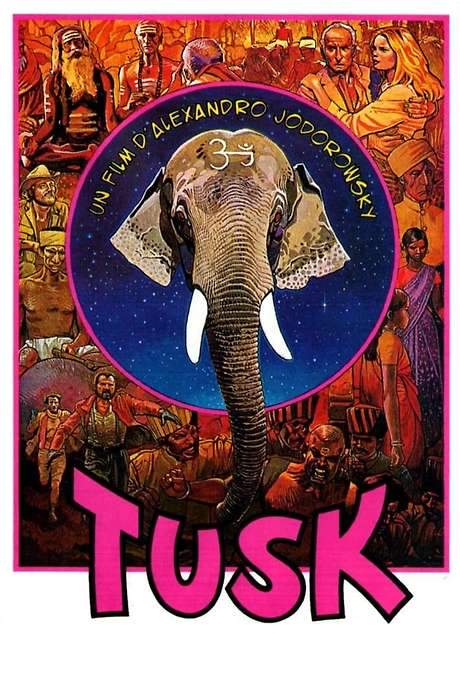
Tusk (1980) movie poster

Characters & Themes

Tusk (1980) Characters, Setting & Themes Explained

Release, runtime and language
1980 · 119 mins · French
Loading streaming availability…
Directed by
Alejandro Jodorowsky
Starring
Christopher Mitchum, Anton Diffring, Cyrielle Clair, Serge Merlin, Tudor Gates, Michel Peyrelon

One of a kind An English girl and an Indian elephant, born on the same day, share a common destiny…

On this page (8)
  1. 1 Where to watch
  2. 2 Characters explained (5)
  3. 3 Where & when it takes place
  4. 4 Themes & meaning (4)
  5. 5 Character & meaning questions
  6. 6 Movie threads
  7. 7 Movies like Tusk
  8. 8 Every angle
Loading streaming availability…

5 main characters · contains spoilers

Tusk Characters Explained: Who Is Who

The main characters of Tusk (1980), heroes and villains: what drives them, how they change over the course of the story and what each of them reveals about the film's bigger ideas.

  • Elise Morrison (Cyrielle Clair)

    Daughter of a British colonist who feels a deep kinship with Indian culture. She defies her father by embracing Indian dress and customs, joins the Kedah elephant hunt to protect Tusk, and undergoes a personal awakening that blends courage with compassion.

    • 🧭 Culture
    • 🛡️ Bravery
    • 💖 Romance
    • 🐘 Animal Affinity
  • Richard Cairns (Christopher Mitchum)

    An American elephant hunter whose arrival sparks romance and rivalry. Initially aligned with Elise, his jealousy and competitive drive complicate the hunt, but he proves to be a determined ally in protecting Elise and Tusk.

    • ⚔️ Rivalry
    • 🧭 Ambition
    • 💘 Romance
  • Tusk (Ganesh)

    Rescued by Elise from a fate of slavery, Tusk embodies the struggle between captivity and freedom. He frees himself during the hunt, becomes a symbol of sacred power, and eventually earns a status as Ganesh in the local lore.

    • 🐘 Sacred
    • 🕊️ Freedom
    • 💥 Power
  • Shakley

    played by Michel Peyrelon

    One of the sinister antagonists who helps capture Tusk and threatens Elise. His actions drive the conflict, and his machinations reveal the darker side of the quest for control over the elephants.

    • ⚔️ Villainy
    • 💰 Greed
  • Greyson

    played by Serge Merlin

    A menacing figure aligned with Shakley who pursues his own interests through manipulation and menace. His presence heightens the danger faced by Elise, Richard, and Tusk.

    • ⚔️ Villainy
    • 🕵️ Mystery

Last updated: February 18, 2026 at 23:23

Was this helpful?

Setting

Where and When Does Tusk Take Place?

The setting of Tusk (1980): the year and time period, the places and locations, and how they shape the characters, the mood and the tension of the story.

Time period

Colonial India (British Raj)

The narrative takes place during the colonial era when Indian society was under British rule. Social hierarchies and imperial authority frame relationships, while Hindu and Indian cultural motifs anchor the story's spiritual undertones. The period also underlines the tension between modernization and traditional values.

Location

India, Kedah

The story unfolds in colonial India, where British influence intersects with Indian traditions. A central elephant hunt in Kedah highlights the cultural clash between imperial spectacle and local reverence for elephants. The setting blends rural landscapes with colonial authority, framing personal loyalties against wider power dynamics.

  • 🇮🇳 Indian Culture
  • 🕰️ Colonial Setting
  • 🐘 Elephants

Last updated: February 18, 2026 at 23:23

Was this helpful?

4 major themes

Tusk Meaning: Themes & Message Explained

What is Tusk (1980) really about? The emotional, social and philosophical themes the film keeps returning to, its symbolism and the message beneath the surface.

  • Romance & Rivalry

    Romantic attraction collides with competition and jealousy as Elise's affections and loyalties pull in different directions. Richard's presence intensifies the rivalry, and Lord Spencer's snobbery complicates their relationships. Elise's choice between love and loyalty becomes a test of character for everyone involved. The tensions propel the hunt from spectacle to a deeper emotional journey.

  • Sacred Elephant

    Tusk's journey from enslaved animal to revered being mirrors the film's spiritual arc. His struggles against captivity, his dramatic escape during the hunt, and his eventual acceptance as Ganesh illuminate themes of reverence, power, and transformation. The animal's perspective reframes civilization's prestige against nature's enduring wisdom. His fate ties personal liberty to a larger cultural myth.

  • Nature vs Civilization

    The forest's laws clash with imperial rationality as nature challenges human control. Tusk embodies the wild's stubborn independence, resisting captivity and calculation. Morrison's experiences in the Indian landscape unlock a spiritual dimension that transcends colonial assumptions. The result is a reconciliation between nature's logic and human emotion, suggesting a broader harmony beyond empire.

  • Cultural Fusion

    Elise's adoption of Indian attire and customs signals a boundary-crossing transformation. The story traces how cultural exchange reshapes identities, alliances, and loyalties. By year’s end, the sacred bond with Tusk symbolizes a bridge between British and Indian worlds. The conclusion proposes a more inclusive vision where tradition and modernity can coexist.

Last updated: February 18, 2026 at 23:23

Was this helpful?

Character & theme questions

Tusk Characters & Meaning: Your Questions Answered

The questions people ask about Tusk (1980): who the characters really are, their relationships, what the symbols mean, where it takes place and what the movie is really about. Each answer contains spoilers.

Q1

Where is the movie set?

The film takes place in colonial India, specifically in the Kedah region. The story unfolds against a backdrop where British colonial authority intersects with Indian traditions, blending rural landscapes with the power dynamics of imperial rule.

  • colonial india
  • kedah
  • setting
  • british raj
Q2

What time period does the film depict?

The narrative is set during the British Raj period in colonial India. This era is characterized by social hierarchies under imperial authority, where British colonials held power while Indian cultural traditions persisted despite colonial influence.

  • colonial era
  • british raj
  • time period
  • history
Q3

What does the elephant represent in the film?

Tusk embodies the theme of sacred elephants in Indian culture. After gaining his freedom, he becomes revered as Ganesh, the Hindu god of wisdom and new beginnings, symbolizing transformation from captive animal to a figure of spiritual reverence and cultural significance.

  • elephant
  • tusk
  • ganesh
  • symbolism
  • sacred animal
Q4

Who is Elise Morrison?

Elise is the daughter of a British colonist who develops a deep connection to Indian culture. She defies her father by adopting Indian dress and customs, participates in the Kedah elephant hunt to protect Tusk, and undergoes a personal transformation that blends courage with compassion.

  • elise morrison
  • character
  • protagonist
  • cyrielle clair
Q5

Who is Richard Cairns in the story?

Richard Cairns is an American elephant hunter who arrives at Kedah and becomes romantically involved with Elise. His arrival sparks both romance and rivalry, as his competitive nature complicates the hunt, though he ultimately proves to be a determined ally in protecting Elise and Tusk.

  • richard cairns
  • character
  • elephant hunter
  • christopher mitchum
Q6

What is Tusk's role in the narrative?

Tusk is an Indian elephant rescued by Elise from slavery. His journey from captivity to freedom mirrors the film's spiritual arc, during the hunt, he breaks free and becomes a symbol of sacred power, eventually earning reverence as Ganesh in local lore, tying personal liberty to cultural mythology.

  • tusk
  • elephant
  • ganesh
  • main character
  • animal protagonist
Q7

What is the nature vs civilization theme about?

The film explores the clash between forest laws and imperial rationality. Tusk embodies nature's stubborn independence, resisting human control and captivity. Through Morrison's experiences in the Indian landscape, the story suggests a reconciliation between natural wisdom and human emotion beyond colonial assumptions.

  • nature
  • civilization
  • wild
  • colonial
  • freedom
  • captivity
Q8

How does the film handle cultural fusion?

Elise's adoption of Indian attire and customs represents a boundary-crossing transformation. The story portrays her growing bond with Tusk as a bridge between British and Indian worlds, proposing a vision where tradition and modernity can coexist despite colonial tensions.

  • cultural fusion
  • indian culture
  • british colonist
  • identity
  • traditions
Q9

Who are the antagonists in the film?

Shakley and Greyson are the primary antagonists. Shakley helps capture Tusk and threatens Elise, driving the central conflict through his quest for control over elephants. Greyson is a menacing figure aligned with Shakley who pursues his own interests through manipulation, heightening the danger faced by the main characters.

  • shakley
  • greyson
  • antagonists
  • villains
  • villains
Q10

What role does romance and rivalry play?

Romantic attraction collides with competition and jealousy as Elise's loyalties pull in different directions. Richard's arrival intensifies the rivalry, while Lord Spencer's snobbery complicates relationships. Elise's choice between love and loyalty becomes a test of character, propelling the hunt from spectacle to emotional journey.

  • romance
  • rivalry
  • love triangle
  • jealousy
  • relationships
Q11

How does the colonial setting affect the story?

The colonial backdrop creates tension between imperial spectacle and local reverence for elephants. British authority clashes with Indian traditions, framing personal loyalties against wider power dynamics. This setting shapes character motivations and the central conflict over Tusk's fate.

  • colonialism
  • british empire
  • power dynamics
  • india
  • imperial

Movie threads

More Movies Like Tusk, by Mood & Story

Curated lists built around what makes Tusk tick: the same mood, the same kind of story or the same emotional payoff. Each list explains why these movies belong together.

Epic Spiritual Journeys Across Cultures like in Tusk

Characters finding purpose through a deep connection to a foreign land and its spiritual traditions. If you enjoyed the cross-cultural spiritual awakening in Tusk, you'll love these movies. They feature characters who find their destiny in a foreign land, forming deep bonds that defy societal expectations. Discover more films about spiritual quests, human-animal connections, and triumphant personal growth.

  • epic
  • spiritual
  • adventurous
  • triumphant
  • dreamlike
  • serene
  • Tone: hopeful, spiritual, triumphant
  • Pacing: steady, epic
Why these movies?

The story pattern: Stories in this thread typically begin with a character feeling out of place, often due to cultural or societal constraints. Through an epic journey, often adventurous in nature, they form a deep, often mystical bond with a person, animal, or tradition from another culture. This connection sparks a spiritual awakening, leading to a climactic moment of defiance or triumph that solidifies their new identity, culminating in a serene and hopeful resolution.

Why they belong together: Movies are grouped here because they share a powerful mix of an epic scale, a steady, character-driven pace, and a core theme of spiritual discovery through cultural immersion. They balance dramatic tension with a dreamlike, hopeful tone, creating a transformative viewing experience centered on finding one's true path.

Movies About Defying Colonialism like Tusk

Stories of individuals challenging imperial systems through personal connection and understanding. Fans of Tusk's theme of challenging colonial rule will appreciate these stories. They showcase protagonists who form forbidden bonds and embrace indigenous cultures against all odds. Find more movies about cultural clash, elephant conservation, and uplifting stories of personal rebellion.

  • dramatic
  • adventurous
  • triumphant
  • hopeful
  • forbidden love
  • cultural clash
  • Tone: hopeful, dramatic
  • Pacing: steady
Why these movies?

The story pattern: The narrative pattern involves a protagonist initially situated within or benefiting from a colonial or rigid societal structure. Through their experiences, they develop empathy and a deep connection—often a forbidden love or a bond with an animal—that puts them at odds with the ruling power. The central conflict revolves around their choice to defy expectations, leading to a dramatic climax and an ending that affirms their newfound values and brings a sense of hopeful resolution.

Why they belong together: These movies are grouped together due to their shared focus on the theme of cultural clash and personal rebellion against oppressive systems. They maintain a medium intensity and a hopeful tone, blending dramatic stakes with a ultimately uplifting message about the power of individual conscience and cross-cultural understanding.

If you liked this

Movies Like Tusk

Similar movies to Tusk: the same genre, themes or kind of story. Each one comes with its own plot summary, timeline and ending explained.

Browse all movie summaries

Every angle

Tusk (1980) Explained: Plot, Timeline & Characters

Everything about Tusk in one place: what happens in the plot summary, the timeline in chronological order, the characters and meaning and a spoiler-free summary. What's After the Movie adds the cast, box office and post-credit scenes.

Coming soon on iOS and Android

The Plot Explained Movie Summary App

Plot summaries, endings explained and timelines on your phone. Catch up on any movie in minutes, save your favorites and never miss a twist again.

Be the first to know when we launch. Your email stays private, always.

Learn more about the app