Plot Explained Spoilers guaranteed!
Plot Explained

Browse by genre

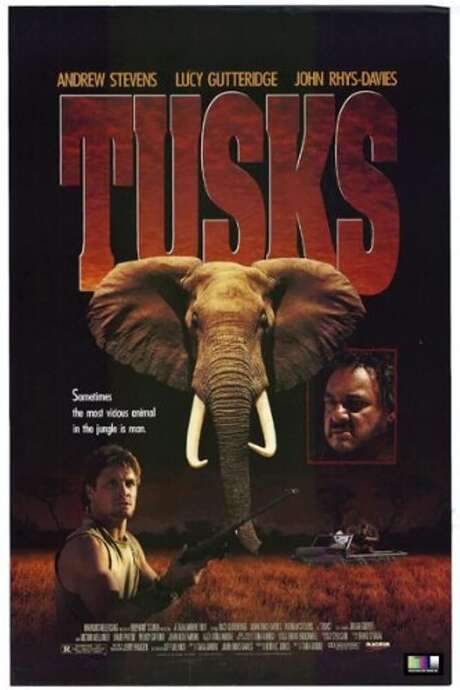
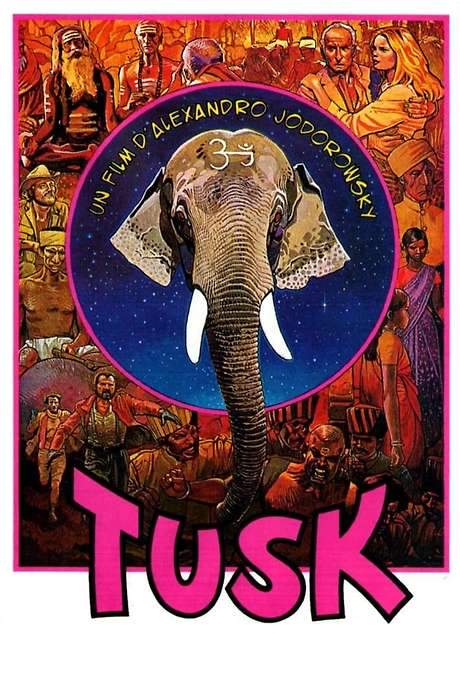
Tusk (1980) movie poster

Plot Summary

Tusk (1980) Plot Summary Explained

Release, runtime and language
1980 · 119 mins · French
Loading streaming availability…
Directed by
Alejandro Jodorowsky
Starring
Christopher Mitchum, Anton Diffring, Cyrielle Clair, Serge Merlin, Tudor Gates, Michel Peyrelon

One of a kind An English girl and an Indian elephant, born on the same day, share a common destiny…

On this page (6)
  1. 1 Where to watch
  2. 2 What happens: full plot
  3. 3 Plot questions answered
  4. 4 Movie threads
  5. 5 Movies like Tusk
  6. 6 Every angle
Loading streaming availability…

Full plot summary · contains spoilers

What Happens in Tusk: Full Plot Summary

The whole story of Tusk (1980) explained, from the opening scene to the final frame: every key event, every twist and what it all adds up to. Read it as a quick recap before the sequel, to check a scene you missed, or to finally understand what really happened.

Elise Morrison, Cyrielle Clair, the daughter of a British colonist, grows up in a world that brushes against the Indian soul she feels so deeply connected to. She shelters and befriends Tusk, a loyal elephant she rescued from a brutal fate that would have claimed many of his kind, and this bond becomes a guiding thread through her life. When she returns from England, she unsettles a watching crowd by stepping into Hindu clothing and makeup, a bold, intimate gesture that signals her unwavering devotion to a culture she feels kinship with rather than conquest. This defiant stance irks Lord Spencer, whose intolerance quickly Turns to offense, setting the stage for a collision of worlds that will test every loyalty around her.

Lord Spencer, Tudor Gates, takes offense and openly disrespects Elise, and it is in this charged moment that Richard Cairn, the young American hunter, Christopher Mitchum, steps in with a forceful counter. His protective impulse blossoms into something deeper, and Elise finds herself drawn to a man who shares a hunger for the wild, though their paths soon reveal a more complicated force at work: she has already begun to break away from her father’s guardianship. After a months-long sojourn into the hunt, Richard returns, and the sight of him rekindles a rivalrous edge in their dynamic. Elise’s heart is pulled in two directions—toward the hunter who stirs her passion and toward a life that seems increasingly bound to Tusk and the primal world she cherishes.

As the story intensifies, Morrison, Anton Diffring (John Morrison), proposes a Kedah elephant hunt to push Elise away, trying to redraw the lines that bind her to the elephant and the land. But Elise refuses to retreat; she insists on joining the expedition, not to prove a point to Richard but to protect Tusk, the great prize at the center of the hunt, and to demonstrate that her allegiance lies with a living landmark of India’s natural wonder. Her resolve unsettles Richard, whose jealousy surfaces as the couple’s bond becomes tangled with pride and purpose. Morrison’s proposal opens up a broader conversation about nature, power, and the wisdom that can come from listening to the land itself.

Tusk is captured alongside the other elephants, but through Elise’s unwavering advocacy and Morrison’s gradual awakening to the secrets of the natural world, the great creature finds a path to freedom. The tension peaks when two sinister figures, Shakley and Greyson, seize him, dragging him back into a world of domination and control. Tusk fights back in a surge of fury against the trappings of civilization he encounters, while his mahout works to free him. In the chaos that follows, Shakley takes Elise hostage, forcing Richard to race against time to mount a rescue.

Richard charges forward, driven by a mix of love and loyalty, and the stakes soar as the struggle between hunter and captive, between arrogance and reverence, comes to a head. The rescue, when it comes, is not only a relief but a vindication: Elise and Richard survive, their bond strengthened by danger and trust. Yet the ultimate vindication belongs to Tusk, whose arrival shifts the balance and brings judgment to the “bad guys.” The elephant’s presence punctures the pretensions of civilization, leaving Elise and Richard with a chance to speak honestly about their feelings and futures.

In the aftermath, Morrison experiences a profound spiritual awakening, as the stories of India—its rhythms, its reverence for life, and its ancient wisdom—begin to shape his own worldview. The world comes to recognize Tusk as more than a prize but as a sacred being, a symbol of the people’s reverence for nature. With the elephant declared sacred, Tusk regains his freedom and steps into a mythic stature that transcends captivity. Born into bondage, his journey culminates in a divine status, embodying Ganesh in the hearts and rituals of those who once sought to own him. Through this transformation, Elise and Richard are free to confess their love openly, a quiet but powerful closing note that honors both the human heart and the larger, greener world that forged them.
Last updated: February 18, 2026 at 23:45

Was this helpful?

Plot questions answered

Tusk Plot Explained: Your Questions Answered

The questions people ask most about Tusk (1980): what happens in the confusing scenes, why the characters do what they do, the twists, hidden details and what the ending means. Each answer contains spoilers.

Q1

Why does Elise dress in Hindu clothing after returning from England?

Elise feels a deep spiritual connection to Indian culture that she discovered during her studies in England. Her decision to wear Hindu clothing and makeup at the celebration is a deliberate act of defiance against colonial expectations. It signals her refusal to simply assimilate back into British colonial society and demonstrates her commitment to embracing the culture she loves rather than treating it as something to conquer.

Foreshadowing: Her earlier childhood bond with Tusk already established her deep connection to India.

  • Elise Morrison
  • Hindu clothing
  • colonial India
  • cultural identity
Q2

What is the connection between Elise and Tusk the elephant?

Elise and Tusk were born on the same day, creating a mystical bond between them. From childhood, Elise rescued Tusk from a brutal fate and sheltered him, and this lifelong connection forms the emotional core of the story. Their shared destiny drives Elise to risk everything to protect Tusk throughout the film.

Foreshadowing: The opening establishes both characters' parallel births.

  • Elise and Tusk
  • elephant bond
  • destiny
  • childhood friendship
Q3

Why does Morrison propose the Kedah elephant hunt?

John Morrison proposes the Kedah hunt specifically to push Elise away from her father and away from her connection to Richard. He believes removing Elise from her familiar environment will break her ties to both the elephant and the American hunter. However, his plan backfires because Elise insists on joining the expedition to protect Tusk, the prized elephant she cannot abandon.

Foreshadowing: Morrison's earlier attempts to control Elise's movements hint at his manipulative nature.

  • Morrison
  • Kedah hunt
  • elephant hunt
  • Elise
Q4

How does Tusk escape from captivity?

Tusk escapes through a combination of Elise's unwavering advocacy and Morrison's sudden awakening to the natural world's secrets. While the exact mechanism isn't detailed in the summary, the escape happens after Elise pleads for Tusk's life and after Morrison experiences a shift in understanding. The elephant then breaks free and runs into the jungle.

Foreshadowing: Elise's constant devotion to Tusk throughout the story builds toward this moment.

  • Tusk escape
  • elephant captivity
  • jungle
Q5

Why does Tusk attack the settlement after being freed?

After being freed by his mahout, Tusk goes into a furious rampage against the signs of civilization he encounters. This violent response represents his rage at being captured and controlled by humans. The elephant attacks the outposts and camps associated with his captors, particularly Shakley and Greyson's camp, destructive fury over his ordeal.

Foreshadowing: Tusk's earlier capture and confinement plant the seeds for this violent release.

  • Tusk attack
  • elephant rampage
  • vengeance
  • civilization
Q6

Why is Tusk declared sacred and named Ganesh?

After Tusk defeats the villains and demonstrates his power and wisdom, the local people recognize him as a sacred being. Born into bondage as a captive elephant, his journey culminates in being elevated to divine status. The ritual declares him Ganesh, the Hindu god of new beginnings, granting him permanent freedom to roam as a revered deity.

Foreshadowing: The mystical quality of Elise and Tusk's connection foreshadows his transformation.

  • Tusk sacred
  • Ganesh
  • elephant deity
  • spiritual transformation
Q7

What causes Morrison's spiritual transformation?

Morrison undergoes a profound spiritual awakening after witnessing the events of the hunt and experiencing India's deeper wisdom. Through the journey, he moves from manipulating nature for colonial purposes to understanding and respecting it. His transformation represents a shift from viewing India as something to conquer to appreciating its ancient spiritual traditions.

Foreshadowing: His proposal of the hunt initially shows his colonial mindset before his change.

  • Morrison transformation
  • India spirit
  • spiritual awakening
  • redemption
Q8

How does Richard rescue Elise from Shakley?

When Shakley takes Elise hostage, Richard races against time to mount a rescue mission. The summary indicates he arrives at Shakley's camp to save her, but the turning point comes when Tusk appears and defeats the villains. Richard's love and loyalty drive him into danger, and the combined effort of human bravery and the elephant's intervention results in her rescue.

Foreshadowing: Richard's earlier intervention against Lord Spencer establishes his protective nature toward Elise.

  • Richard rescue
  • Elise hostage
  • Shakley
  • Tusk help
Q9

What brings Elise and Richard together?

Elise and Richard are drawn to each other because they share a hunger for the wild and a rebellious spirit against colonial constraints. Richard first intervenes when Lord Spencer insults Elise, showing his protective impulse. Though Elise initially leaves her father's guardianship for him, their bond deepens through the shared danger of the hunt and their mutual determination to save Tusk.

Foreshadowing: The confrontation with Lord Spencer marks the beginning of their connection.

  • Elise Richard
  • romance
  • love
  • hunter
Q10

What is the conflict between colonial authority and Indian culture in the film?

The film explores the tension between British colonial attitudes and Indian traditions through Elise's journey. She defies her father's world by embracing Hindu culture, which provokes colonial figures like Lord Spencer. The conflict escalates when colonial hunters seek to capture and control India's sacred wildlife. The resolution comes when the characters, including Morrison, shift toward respecting Indian spirituality and declaring Tusk sacred.

Foreshadowing: The opening scene with Elise's Hindu display establishes this central conflict.

  • colonialism
  • British India
  • Hindu culture
  • cultural conflict

Movie threads

More Movies Like Tusk, by Mood & Story

Curated lists built around what makes Tusk tick: the same mood, the same kind of story or the same emotional payoff. Each list explains why these movies belong together.

Epic Spiritual Journeys Across Cultures like in Tusk

Characters finding purpose through a deep connection to a foreign land and its spiritual traditions. If you enjoyed the cross-cultural spiritual awakening in Tusk, you'll love these movies. They feature characters who find their destiny in a foreign land, forming deep bonds that defy societal expectations. Discover more films about spiritual quests, human-animal connections, and triumphant personal growth.

  • epic
  • spiritual
  • adventurous
  • triumphant
  • dreamlike
  • serene
  • Tone: hopeful, spiritual, triumphant
  • Pacing: steady, epic
Why these movies?

The story pattern: Stories in this thread typically begin with a character feeling out of place, often due to cultural or societal constraints. Through an epic journey, often adventurous in nature, they form a deep, often mystical bond with a person, animal, or tradition from another culture. This connection sparks a spiritual awakening, leading to a climactic moment of defiance or triumph that solidifies their new identity, culminating in a serene and hopeful resolution.

Why they belong together: Movies are grouped here because they share a powerful mix of an epic scale, a steady, character-driven pace, and a core theme of spiritual discovery through cultural immersion. They balance dramatic tension with a dreamlike, hopeful tone, creating a transformative viewing experience centered on finding one's true path.

Movies About Defying Colonialism like Tusk

Stories of individuals challenging imperial systems through personal connection and understanding. Fans of Tusk's theme of challenging colonial rule will appreciate these stories. They showcase protagonists who form forbidden bonds and embrace indigenous cultures against all odds. Find more movies about cultural clash, elephant conservation, and uplifting stories of personal rebellion.

  • dramatic
  • adventurous
  • triumphant
  • hopeful
  • forbidden love
  • cultural clash
  • Tone: hopeful, dramatic
  • Pacing: steady
Why these movies?

The story pattern: The narrative pattern involves a protagonist initially situated within or benefiting from a colonial or rigid societal structure. Through their experiences, they develop empathy and a deep connection—often a forbidden love or a bond with an animal—that puts them at odds with the ruling power. The central conflict revolves around their choice to defy expectations, leading to a dramatic climax and an ending that affirms their newfound values and brings a sense of hopeful resolution.

Why they belong together: These movies are grouped together due to their shared focus on the theme of cultural clash and personal rebellion against oppressive systems. They maintain a medium intensity and a hopeful tone, blending dramatic stakes with a ultimately uplifting message about the power of individual conscience and cross-cultural understanding.

If you liked this

Movies Like Tusk

Similar movies to Tusk: the same genre, themes or kind of story. Each one comes with its own plot summary, timeline and ending explained.

Browse all movie summaries

Every angle

Tusk (1980) Explained: Plot, Timeline & Characters

Everything about Tusk in one place: what happens in the plot summary, the timeline in chronological order, the characters and meaning and a spoiler-free summary. What's After the Movie adds the cast, box office and post-credit scenes.

Coming soon on iOS and Android

The Plot Explained Movie Summary App

Plot summaries, endings explained and timelines on your phone. Catch up on any movie in minutes, save your favorites and never miss a twist again.

Be the first to know when we launch. Your email stays private, always.

Learn more about the app