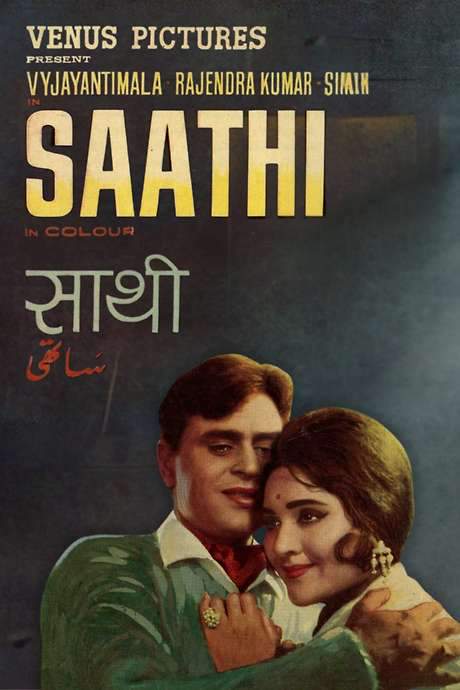
Orphaned Raj 'Raju' Kumar Rajesh Khanna struggles to survive by performing with four elephants at busy street corners, a makeshift life that depends on grit, timing, and a remarkable bond with his animal companions. The backstory explains that, as a child, these elephants saved his life from a leopard, forging a lifelong kinship between boy and beasts that would shape every brave decision he makes thereafter.
As time goes on, that bond transforms into opportunity. He turns his extraordinary rapport with the elephants into a flourishing venture and launches Pyar Ki Duniya (The World of Love), a sprawling zoo where wild animals coexist with the four elephants. Among them, Ramu stands out as Raju’s closest friend and confidant, sharing not just space but a deep, almost familial trust. The partnership grows into real influence, and with it, a growing fortune that allows Raju to expand into a private sanctuary that houses tigers, lions, bears, and, of course, the four elephants who started it all. He treats each creature with genuine care, blurring the lines between keeper and companion, and the animals respond in kind with loyalty that borders on devotion.
In the midst of this thriving life, Raju’s path crosses with Tanu Tanuja Samarth, and the two fall in love, weaving a personal story into his public triumph. Tanu’s father, Ratanlal, is not eager about the match, and the early tensions reflect the broader clash between the world of humans and the world of beasts that defines Raju’s life. Yet love—and time—softens initial resistance, and the couple eventually gains his blessing to marry.
Happiness, however, faces a stern test when their child is born. Tanu becomes increasingly anxious about the safety of her baby in a world shared with powerful animals, especially the elephants who have become a cornerstone of Raju’s identity. She pleads with Raju to choose between his lifelong friends and the security of his wife and child, a choice that weighs heavily on him and unsettles the delicate balance of his world. The tension between family duty and the ties that bind him to the elephants grows sharper, threatening to rewrite his very sense of loyalty.
Ultimately, Raju’s steadfast dedication to his animal family eclipses his personal life, a choice that drives the narrative toward a reversal of fortune. As Ramu steps in to help mend the rift, his ultimate act is sacrificial: he gives his life to save the family and their child from the villainous Sarwan Kumar, a danger that stalks both humans and animals alike. Ramu’s selfless act becomes the story’s emotional fulcrum, underscoring themes of devotion, sacrifice, and the costs of devotion to the beings we choose to protect.
The tale blends warmth and hardship with a steady, heartening sense of loyalty. It paints a portrait of a man who builds a life around the animals in his care, a life that is at once wondrous and fragile, where love and friendship stretch to their limits, and where the ultimate act of care may demand the deepest form of sacrifice.