
True Noon
Year: 2009
Runtime: 83 mins
Language: Tajik
Director: Nosir Saidov
Nilufar, a resident, is about to marry a man from the other side when soldiers install barbed wire that divides the town, turning peace into chaos. Schools hold classes with wire in rooms, medical access is limited, and life unravels. As her wedding nears, Kirill, head of the climate observatory, works to preserve ceremony, but tragedy looms.
Warning: spoilers below!
Haven’t seen True Noon yet? This summary contains major spoilers. Bookmark the page, watch the movie, and come back for the full breakdown. If you're ready, scroll on and relive the story!
Timeline & Setting – True Noon (2009)
Explore the full timeline and setting of True Noon (2009). Follow every major event in chronological order and see how the environment shapes the story, characters, and dramatic tension.
Last updated: March 05, 2026 at 18:12
Main Characters – True Noon (2009)
Meet the key characters of True Noon (2009), with detailed profiles, motivations, and roles in the plot. Understand their emotional journeys and what they reveal about the film’s deeper themes.
Last updated: March 05, 2026 at 18:12
Major Themes – True Noon (2009)
Explore the central themes of True Noon (2009), from psychological, social, and emotional dimensions to philosophical messages. Understand what the film is really saying beneath the surface.
Last updated: March 05, 2026 at 18:12
True Noon (2009) Character & Theme Questions Answered – Info FAQ
Browse frequently asked questions about True Noon (2009) focused on characters, relationships, themes, symbols, setting, and story context. This movie info FAQ gives spoiler-aware explanations for character arcs, world details, and thematic interpretation so readers can better understand what the film is really about.
Where is the movie set?
True Noon is set in a rural Tajikistan border village, where a second settlement lies nearby. The story takes place around a hill that hosts a climate observatory, which becomes a key location as the area transforms into a militarized frontier after soldiers install barbed wire along the divide.
What does the border representThematically?
The border in True Noon represents the collapse of peaceful coexistence between two communities. The deployment of barbed wire and mined borders transforms a shared landscape into a danger zone, cutting off access to schools, clinics, and daily routes. The film uses this literal division to explore how political conflicts tear apart human connections.
Who is Kirill in the story?
Kirill is the Russian operator of the climate observatory who trains Nilufar to use the weather instruments. He believes in staying connected with people despite distance and politics, eventually becoming a protector who risks his life to help others cross the mined border. His selflessness defines the film's theme of sacrifice.
Who is Nilufar and what is her role?
Nilufar is a young village girl who works as Kirill's assistant at the climate observatory, performing essential weather observations. She is engaged to Aziz from the neighboring village, and her pending wedding becomes a focal point of hope for the community as the border tightens around them.
What is the significance of the climate observatory?
The climate observatory represents science operating under austere conditions. When the meteorologist is separated from his family and communications falter, Nilufar must assume responsibility for the weather station. The pursuit of data and truth persists even as military measures disrupt the central bureau, highlighting the theme of science under pressure.
What sacrifice does the film portray?
Kirill embodies selflessness by using a dangerous home-built detector to help the wedding party cross the mined border. He ultimately steps on a hidden mine and pays the ultimate price so Nilufar and Aziz can join their families. This act elevates personal sacrifice to preserve human connections across a dividing frontier.
Why is the wedding significant in the story?
The wedding represents hope and the resistance of human connection against division. It serves as a catalyst for the attempted crossing and the merging of two divided communities. The ceremony becomes a focal point where the community attempts to preserve life and rituals despite the militarized barrier.
What is life like in the border region?
Life in the border region becomes defined by constraints and danger after the wire is installed. Travel is severely limited, with crossing points bottlenecked 50 kilometers away. Mines along the border fence add deadly risk to any movement. The community must adapt to new borders while trying to maintain everyday acts of hope and coordination.
Who is Aziz in the film?
Aziz is Nilufar's fiancé from the neighboring village across the border. He embodies hope and commitment amidst the disruption caused by the divided frontier. His engagement to Nilufar becomes a catalyst for the attempted border crossing and represents the merging of two communities separated by the new barrier.
Who is the meteorologist at the observatory?
The elderly meteorologist has been separated from his family for a long time. When communications falter due to the border conflict, he entrusts Nilufar with the responsibility for the weather station, symbolizing how the pursuit of knowledge continues even amid political turmoil and upheaval.

Explore Movie Threads
Discover curated groups of movies connected by mood, themes, and story style. Browse collections built around emotion, atmosphere, and narrative focus to easily find films that match what you feel like watching right now.
Movies about communities divided by political conflict like True Noon
Stories of ordinary people caught in sudden, unjust division.This list features films similar to True Noon, focusing on dramas where sudden political division disrupts normal life. If you liked seeing how a border conflict unraveled a community, you'll find more movies exploring love against the odds and the tragedy of separation.
True Noon
2009

The Herdsman
1982

What Happened to the Wolf?
2021
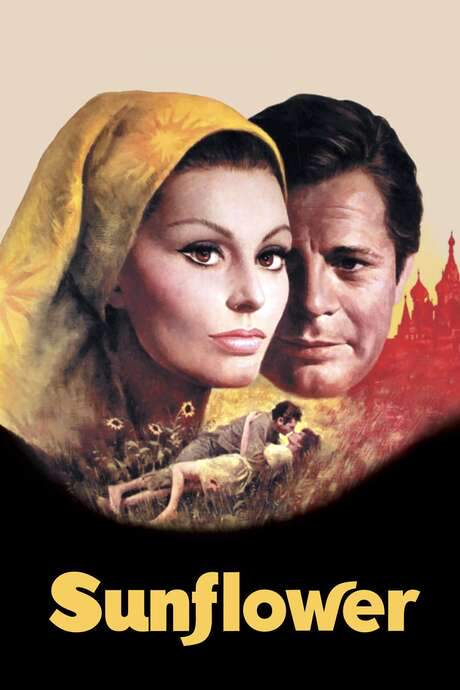
Sunflower
1970

Hope Gap
2019

The Railway Station Man
1992

The Great Escaper
2023

Though None Go with Me
2006

My House in Umbria
2003
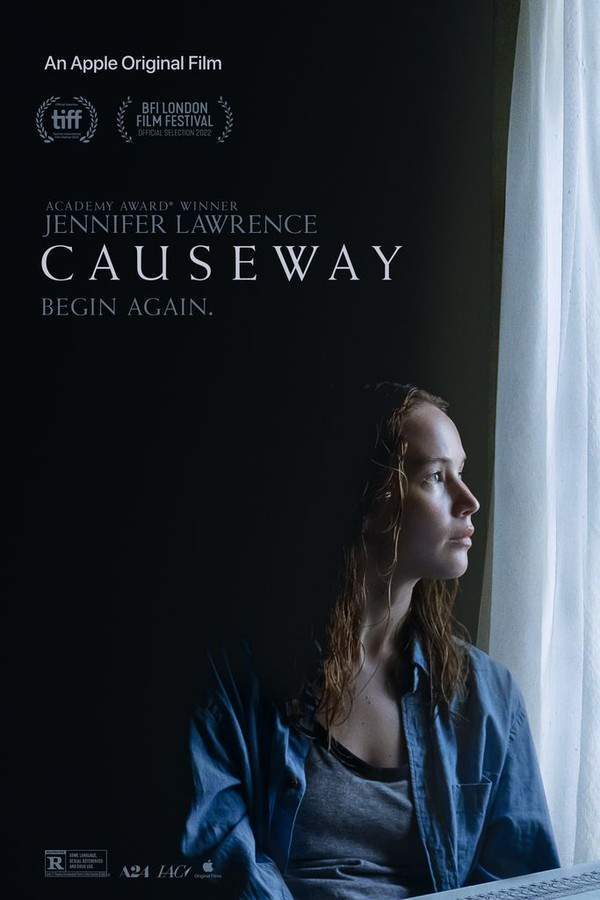
Causeway
2022
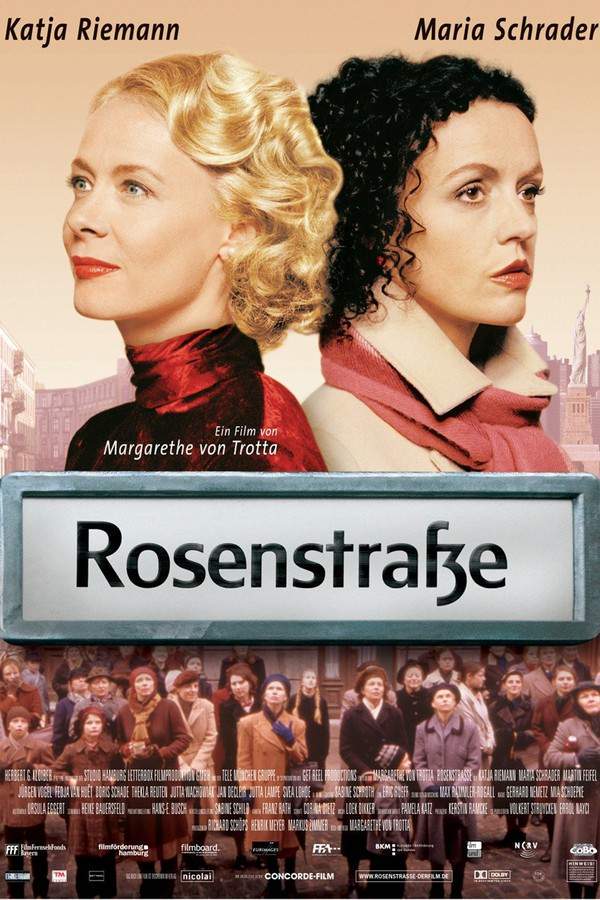
Rosenstrasse
2004
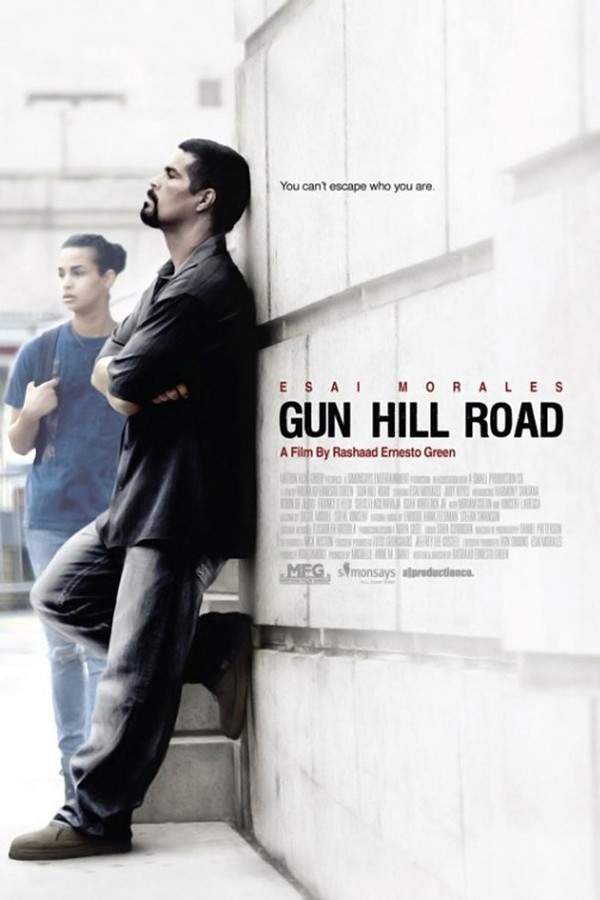
Gun Hill Road
2011

Things We Lost in the Fire
2007

Swept from the Sea
1997
Outside In
2018
Narrative Summary
These narratives typically begin with a peaceful status quo that is violently disrupted by an external political force. The plot follows the gradual unraveling of daily life, focusing on personal relationships strained by the new reality. Characters often engage in quiet acts of resistance or desperate attempts to preserve their humanity, culminating in a poignant, often bittersweet, conclusion.
Why These Movies?
Movies are grouped here because they share a core premise of everyday life being shattered by political forces beyond the characters' control. They create a similar mood of tense melancholy, focusing on community, sacrifice, and the heavy emotional weight of living under oppression.
Slow burn dramas with a bittersweet tone like True Noon
Slow-burn dramas where hope persists under a heavy, oppressive atmosphere.Discover more emotionally heavy, slow-paced movies like True Noon. If you were moved by its melancholic atmosphere and bittersweet ending, this list features similar dramas with a quiet, tense vibe and stories of hope amid tragedy.
Tenderness
2017
Hope Gap
2019

Su-ki-da
2005
The Great Escaper
2023
Another End
2025
Sunflower
1970
Rails & Ties
2007

Veronika Decides to Die
2005

Smilin’ Through
1932

Jamie Marks Is Dead
2014

The Almond and the Seahorse
2022

The Hasty Heart
1949

Masaan
2015
What Happened to the Wolf?
2021
True Noon
2009
Narrative Summary
The narrative pattern involves a slow, methodical build-up of atmospheric pressure. The conflict is often internal or societal, unfolding through subtle character moments and a focus on the emotional landscape. The pacing allows the weight of the situation to fully sink in, leading to a climax that is emotionally resonant rather than explosively action-packed, and an ending that acknowledges both loss and a glimmer of hope.
Why These Movies?
These films are grouped by their shared cinematic texture: a slow pace, a melancholic and tense mood, a bittersweet emotional core, and a heavy emotional weight. They offer a similar viewing experience of thoughtful, somber storytelling.
Unlock the Full Story of True Noon
Don't stop at just watching - explore True Noon in full detail. From the complete plot summary and scene-by-scene timeline to character breakdowns, thematic analysis, and a deep dive into the ending - every page helps you truly understand what True Noon is all about. Plus, discover what's next after the movie.
True Noon Summary
Read a complete plot summary of True Noon, including all key story points, character arcs, and turning points. This in-depth recap is ideal for understanding the narrative structure or reviewing what happened in the movie.

True Noon Timeline
Track the full timeline of True Noon with every major event arranged chronologically. Perfect for decoding non-linear storytelling, flashbacks, or parallel narratives with a clear scene-by-scene breakdown.


