
True Noon
Year: 2009
Runtime: 83 mins
Language: Tajik
Director: Nosir Saidov
Nilufar, a resident, is about to marry a man from the other side when soldiers install barbed wire that divides the town, turning peace into chaos. Schools hold classes with wire in rooms, medical access is limited, and life unravels. As her wedding nears, Kirill, head of the climate observatory, works to preserve ceremony, but tragedy looms.
Warning: spoilers below!
Haven’t seen True Noon yet? This summary contains major spoilers. Bookmark the page, watch the movie, and come back for the full breakdown. If you're ready, scroll on and relive the story!
True Noon (2009) – Full Plot Summary & Ending Explained
Read the complete plot breakdown of True Noon (2009), including all key story events, major twists, and the ending explained in detail. Discover what really happened, and what it all means.
Nilufar, Nasiba Sharipova, is a pretty, thoughtful young woman living in a Tajik border village that sits close to another settlement in the shadow of a tense divide. She works as an assistant to Kirill, Yuriy Nazarov, the Russian operator of a climate observatory perched on a hill. He has trained her to read the indicators and to operate the instruments, turning a quiet routine into a profession that keeps a watchful eye on the weather and the land around them. The film centers on their working relationship, the rhythms of daily life, and the shared aim of understanding the environment that shapes their world.
An older meteorologist, separated from his family for a long time, waits for a replacement and for a chance to go home. With communications to the central bureau disrupted, he makes the difficult decision to transfer his responsibilities to Nilufar, especially as she prepares to wed Aziz from the adjacent village. The wedding plans bring a sense of normalcy that stands in stark contrast to the growing tension in the region. Yet on the day of the engagement, soldiers arrive and begin to plant barbed wire that literally divides the two villages, turning a hopeful moment into a fragile situation fraught with danger.
The barrier reshapes everyday life: the school and the clinic sit in the lower village, while the people of the upper village may only cross at the distant border crossing, about 50 kilometers away. The most pressing problem becomes the upcoming wedding itself, as the military presence intensifies and mines begin to line the fence. The community clings to any chance of connection, and Kirill tries to help by using a home-built metal detector to aid the crossing of the wedding party through the mined border. Their perseverance testifies to a stubborn resilience, even as the risk grows with every step along the improvised path.
In the climactic sequence, the effort to unite the couple pushes the limits of courage and sacrifice. Kirill makes a valiant but fatal misstep on a mine he cannot detect, sacrificing his life to ensure that Nilufar and Aziz can join in marriage and begin a shared life beyond the barrier. The closing moments reflect a community learning to live with new borders, finding hope in small acts of solidarity and connection amidst a landscape of difficulty and separation.
The title of the film references the concept of true noon, a precise moment that Nilufar discusses with Kirill in their work at the observatory. It anchors the story in a shared habit of measurement and clarity, a quiet metaphor for seeking balance and accuracy in a world where the day’s true center is continually tested by human and political forces.
Last updated: March 05, 2026 at 18:40
True Noon (2009) Plot Questions Answered – Summary FAQ
Explore frequently asked questions about True Noon (2009) with spoiler-rich answers covering the full plot summary, major story beats, character motivations, hidden details, and ending meaning. This movie summary FAQ helps explain confusing scenes, plot twists, and narrative decisions in clear, searchable detail.
Why does Kirill sacrifice himself at the end of the movie?
Kirill uses a home-built metal detector to guide the wedding party through the mined border fence. While attempting to clear a path for Nilufar and Aziz to complete their journey, he steps on a mine he cannot detect, sacrificing his life so the couple can marry. His motivation stems from his deep care for Nilufar and his commitment to preserving the wedding as a symbol of hope amid the division.
Earlier, Kirill demonstrates his technical skills at the observatory, showing his competence with instruments that foreshadows his ability to construct the metal detector.
How does Kirill's metal detector help the wedding party cross the border?
Kirill builds a homemade metal detector specifically designed to locate mines along the barbed wire fence. He uses it to scan the mined border area and guide the wedding party through a safe path, allowing them to slip past the dangerous barrier. The device represents his practical attempt to overcome the political division with technical skill and courage.
The film's opening establishes Kirill as a skilled operator of meteorological instruments, demonstrating his competence with technical equipment.
What does "True Noon" mean as the title of the film?
True noon refers to the precise moment when the sun reaches its highest point in the sky, a concept Nilufar works with at the climate observatory. The film uses this meteorological idea as a metaphor for seeking balance, accuracy, and truth in a world fractured by human conflict. Kirill and Nilufar discuss this concept in their work, anchoring their relationship in the idea of finding clarity amidst uncertainty.
Nilufar's training at the observatory involves precise measurements and observations, establishing the thematic importance of accuracy and determining 'true' positions.
Why is the wedding so important to the community?
The wedding represents a rare act of connection and hope across the divided villages. Since the barbed wire barrier separates Nilufar's village from Aziz's village, the marriage would unite families from both sides, symbolically bridging the divide. The community desperately wants the wedding to succeed because it demonstrates resilience against the political forces that are tearing their world apart.
Nilufar's engagement is introduced early as a countdown of hope against the widening restrictions, framed as a personal future against the larger political tension.
How does the barbed wire barrier change daily life in the villages?
Once soldiers install the barbed wire, the lower village controls access to the school and clinic, while the upper village becomes cut off. The nearest official border crossing is 50 kilometers away, making routine travel between the villages nearly impossible. Daily life reorganizes around the new impediment, with the wedding becoming the central challenge as Aziz cannot simply reach Nilufar's village.
The engagement takes place on the exact day soldiers arrive to plant the barbed wire, transforming a hopeful moment into a fragile situation.
Why does Nilufar work at the climate observatory?
Nilufar works as an assistant to Kirill at the hill-top climate observatory, where he trains her to operate instruments, read meteorological indicators, and record data accurately. Her role evolves when the old meteorologist, separated from his family, decides there is no replacement coming and transfers his responsibilities to her. This gives her professional duties at the station alongside her preparation for marriage.
The opening scene establishes Nilufar as a thoughtful young woman who becomes a trained observer under Kirill's mentorship.
Why do soldiers install the barbed wire dividing the villages?
The film depicts soldiers arriving on the day of Nilufar's engagement to plant barbed wire, creating a literal division between the two villages. While the specific political context is not detailed in the summary, the barrier represents external political forces that disrupt the peaceful, cross-border community life. This intrusion destroys the normalcy of the region and sets the central conflict in motion.
The engagement is described as creating 'a countdown of hope against the widening restrictions,' hinting at the coming division.
What happens to the old meteorologist at the observatory?
The older meteorologist at the observatory has been separated from his family for a long time and is waiting for a replacement and a chance to go home. When it becomes clear no replacement is coming, he makes the difficult decision to transfer his responsibilities to Nilufar. This handover ensures continuity for the station and allows Nilufar to take on the forecaster's duties.
This event occurs before the engagement, establishing the professional context that binds Nilufar to the observatory.
How does the wedding party successfully cross the mined border?
The wedding party attempts the crossing using Kirill's homemade metal detector to locate mines along the fence. They manage to slip through the mined border with the detector's guidance, reaching the other village where the ceremony proceeds. The relief is temporary though, as the ever-present danger of the minefield ultimately claims Kirill's life during the effort.
Kirill debates the risks with villagers and takes on the dangerous task of protecting others, showing his awareness of the mortal stakes.
Do Nilufar and Aziz get married at the end of the film?
Yes, Nilufar and Aziz successfully unite in marriage. Despite Kirill's sacrifice on a mine during the crossing, the couple manages to join together and begin a shared life. The wedding symbolizes a fragile, hopeful bond that transcends the conflict, though the victory is bittersweet due to the profound personal loss of Kirill.
The entire narrative builds toward this union, with the wedding representing the community's stubborn resilience against division.

Explore Movie Threads
Discover curated groups of movies connected by mood, themes, and story style. Browse collections built around emotion, atmosphere, and narrative focus to easily find films that match what you feel like watching right now.
Movies about communities divided by political conflict like True Noon
Stories of ordinary people caught in sudden, unjust division.This list features films similar to True Noon, focusing on dramas where sudden political division disrupts normal life. If you liked seeing how a border conflict unraveled a community, you'll find more movies exploring love against the odds and the tragedy of separation.
True Noon
2009

The Herdsman
1982

What Happened to the Wolf?
2021

Sunflower
1970

Hope Gap
2019

The Railway Station Man
1992

The Great Escaper
2023

Though None Go with Me
2006

My House in Umbria
2003
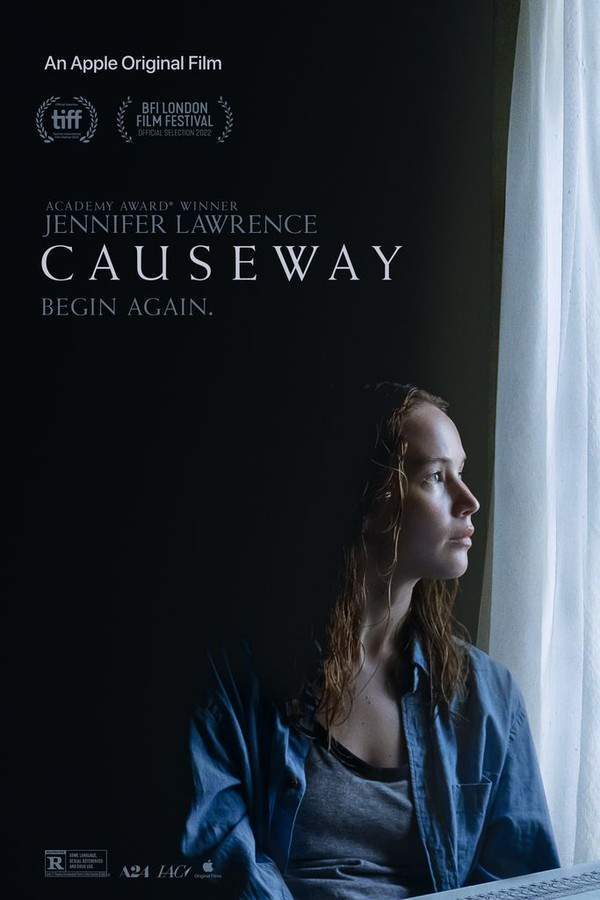
Causeway
2022
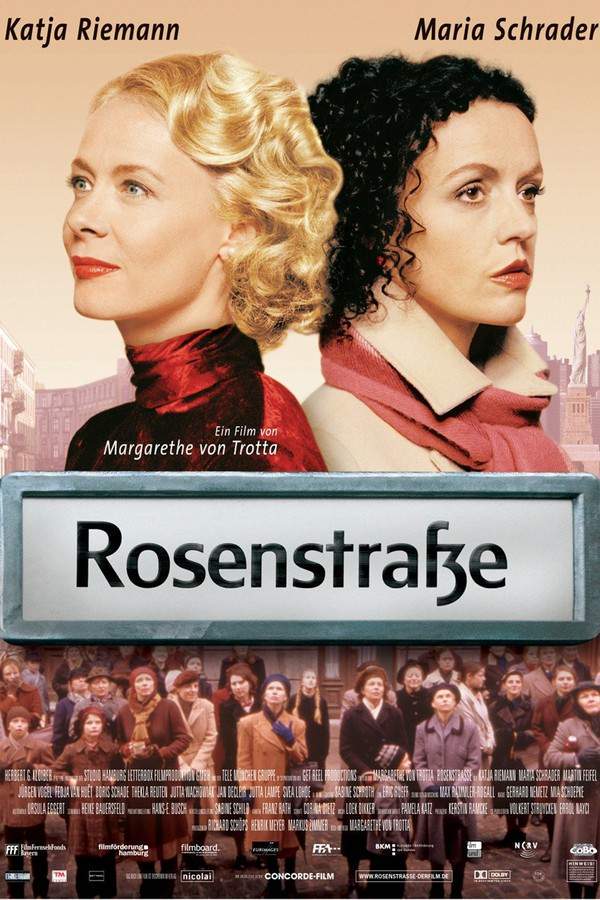
Rosenstrasse
2004
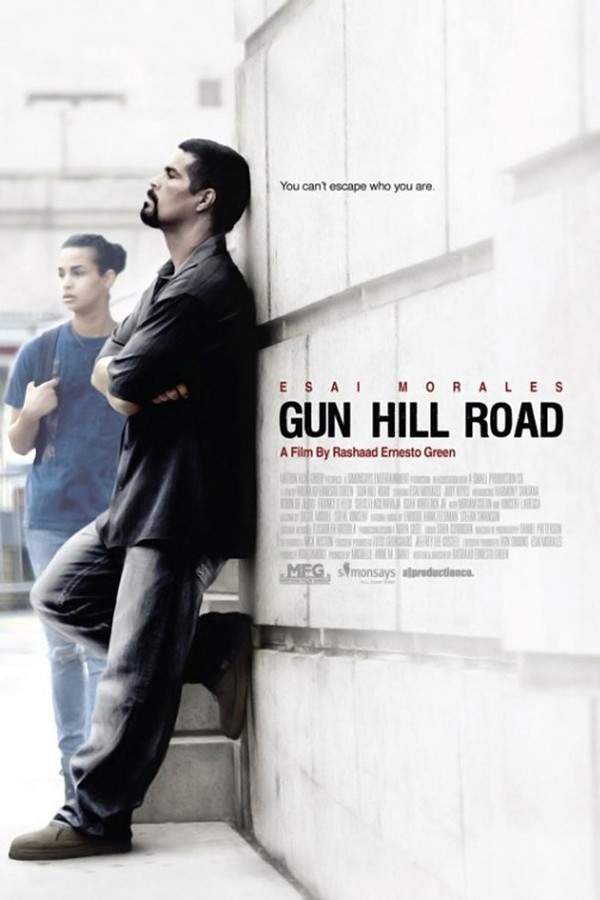
Gun Hill Road
2011

Things We Lost in the Fire
2007

Swept from the Sea
1997
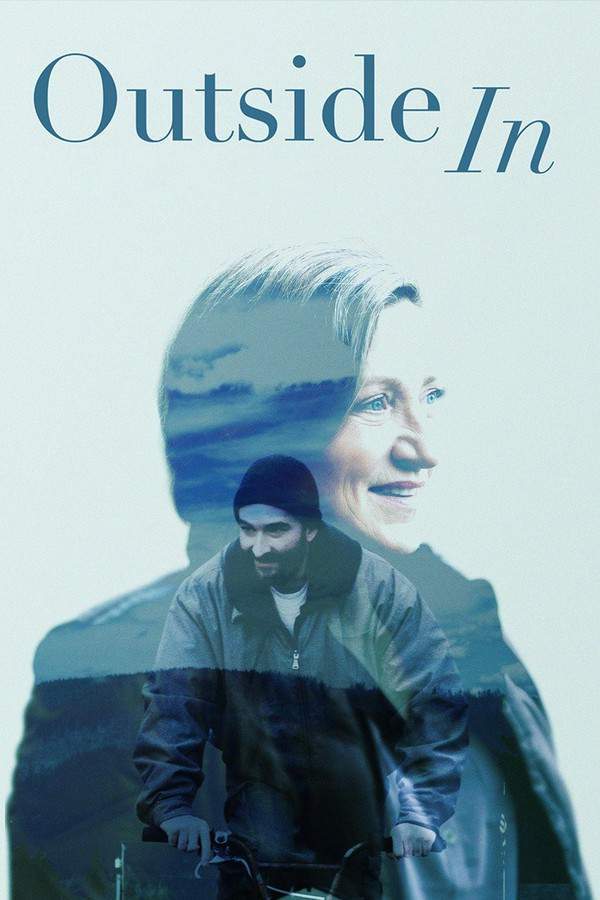
Outside In
2018
Narrative Summary
These narratives typically begin with a peaceful status quo that is violently disrupted by an external political force. The plot follows the gradual unraveling of daily life, focusing on personal relationships strained by the new reality. Characters often engage in quiet acts of resistance or desperate attempts to preserve their humanity, culminating in a poignant, often bittersweet, conclusion.
Why These Movies?
Movies are grouped here because they share a core premise of everyday life being shattered by political forces beyond the characters' control. They create a similar mood of tense melancholy, focusing on community, sacrifice, and the heavy emotional weight of living under oppression.
Slow burn dramas with a bittersweet tone like True Noon
Slow-burn dramas where hope persists under a heavy, oppressive atmosphere.Discover more emotionally heavy, slow-paced movies like True Noon. If you were moved by its melancholic atmosphere and bittersweet ending, this list features similar dramas with a quiet, tense vibe and stories of hope amid tragedy.
Tenderness
2017
Hope Gap
2019

Su-ki-da
2005
The Great Escaper
2023

Another End
2025
Sunflower
1970
Rails & Ties
2007

Veronika Decides to Die
2005

Smilin’ Through
1932

Jamie Marks Is Dead
2014

The Almond and the Seahorse
2022

The Hasty Heart
1949

Masaan
2015
What Happened to the Wolf?
2021
True Noon
2009
Narrative Summary
The narrative pattern involves a slow, methodical build-up of atmospheric pressure. The conflict is often internal or societal, unfolding through subtle character moments and a focus on the emotional landscape. The pacing allows the weight of the situation to fully sink in, leading to a climax that is emotionally resonant rather than explosively action-packed, and an ending that acknowledges both loss and a glimmer of hope.
Why These Movies?
These films are grouped by their shared cinematic texture: a slow pace, a melancholic and tense mood, a bittersweet emotional core, and a heavy emotional weight. They offer a similar viewing experience of thoughtful, somber storytelling.
Unlock the Full Story of True Noon
Don't stop at just watching - explore True Noon in full detail. From the complete plot summary and scene-by-scene timeline to character breakdowns, thematic analysis, and a deep dive into the ending - every page helps you truly understand what True Noon is all about. Plus, discover what's next after the movie.
True Noon Timeline
Track the full timeline of True Noon with every major event arranged chronologically. Perfect for decoding non-linear storytelling, flashbacks, or parallel narratives with a clear scene-by-scene breakdown.

Characters, Settings & Themes in True Noon
Discover the characters, locations, and core themes that shape True Noon. Get insights into symbolic elements, setting significance, and deeper narrative meaning - ideal for thematic analysis and movie breakdowns.


