Plot Explained Spoilers guaranteed!
Plot Explained

Browse by genre

Trouble at Timpetill (2008) movie poster

Plot Summary

Trouble at Timpetill (2008) Plot Summary Explained

Release, runtime and language
2008 · 133 mins · French
Loading streaming availability…
Directed by
Nicolas Bary
Starring
Carole Bouquet, François Damiens, Lola Créton, Gérard Depardieu, Isabelle de Hertogh, Ilona Bachelier

The children of a small European mountain village end up being its only residents, soon after the adults cannot take their behavior any longer.

On this page (6)
  1. 1 Where to watch
  2. 2 What happens: full plot
  3. 3 Plot questions answered
  4. 4 Movie threads
  5. 5 Movies like Trouble at Timpetill
  6. 6 Every angle
Loading streaming availability…

Full plot summary · contains spoilers

What Happens in Trouble at Timpetill: Full Plot Summary

The whole story of Trouble at Timpetill (2008) explained, from the opening scene to the final frame: every key event, every twist and what it all adds up to. Read it as a quick recap before the sequel, to check a scene you missed, or to finally understand what really happened.

Set in the village of Timpetill, tucked away in an unnamed European mountain country where signs mix German and French and road markers drift in a fantastical script, the film follows Manfred, Raphaël Katz, a boy of about nine. The town presents a curious blend of patriarchal traditions and late-19th‑century dress, punctuated by surprising modern touches—cars, trains, and even a mechanical flying cuckoo—that lend the place a dreamlike, almost fairy-tale quality.

At the heart of the village lies a rowdy gang of children known as The Knackers, who take pleasure in cruel pranks that torment both their peers and the adults. The grown-ups, unable to pinpoint the real culprits, begin to suspect that every child might be involved, casting a pall of suspicion over the community. In a desperate bid to teach them a lesson, the adults decide to abandon the village for a single day, planning to return after a forest-based timeout. Their plan veers off course, however, when they wander into a neighboring country and are arrested, ending up in prison.

With the adults gone, the children initially revel in their newfound freedom. Many drift toward the tavern and the Knackers' revelry, while a smaller band, led by Marianne, Adèle Exarchopoulos, understands that they must shoulder responsibility for the village and its sustenance. As hunger gnaws and the absence of adult guidance becomes stark, the group Marianne leads begins to organize food and order, attempting to keep life in the village steady. One by one, hungry children begin leaving The Knackers to join Marianne’s emerging coalition, even as The Knackers retaliate to reclaim their influence.

The narrative unfolds with a quiet, steady tension as the balance of power shifts between the two factions. The children grapple with fear, loyalty, and the weight of stewardship in a world where the adults’ absence exposes both the fragility and resilience of their community. Through moments of communal effort, small acts of courage, and the ever-present sense of an unsettled border between civilization and wildness, the story renders a thoughtful portrait of adolescence pressed into adulthood by circumstance, all while honoring the novel’s core arc and the village’s peculiar charm.

Last updated: February 17, 2026 at 19:56

Was this helpful?

Plot questions answered

Trouble at Timpetill Plot Explained: Your Questions Answered

The questions people ask most about Trouble at Timpetill (2008): what happens in the confusing scenes, why the characters do what they do, the twists, hidden details and what the ending means. Each answer contains spoilers.

Q1

Why did the adults leave the village?

The adults decided to leave Timpetill as a punishment for The Knackers, a gang of children who had been terrorizing the village with cruel pranks. Unable to identify the specific culprits, the adults hatched a plan to pretend abandon the village for a day, hoping the children would learn a lesson about responsibility. They planned to spend the day in the nearby forest and return by evening.

  • adults leaving
  • knackers
  • punsihment
  • pranks
  • village
Q2

How did the adults end up in prison?

The adults' plan went wrong when they wandered into a neighboring country while in the forest. They were arrested there and ended up in prison, which removed all adult authority from Timpetill much longer than expected.

  • adults arrested
  • prison
  • neighboring country
  • forest
Q3

Why did hungry children join Marianne's group?

As hunger set in and the absence of adult guidance became apparent, children realized they needed practical solutions for survival. Marianne's group organized food and maintained order, which appealed to children who were hungry and wanted stability. The Knackers offered freedom but couldn't provide sustenance, causing a gradual shift in power.

  • marianne
  • hungry children
  • food
  • leadership
  • defection
Q4

How did the village survive without adults?

Marianne stepped up as a natural leader and formed a core group focused on organizing food distribution, daily tasks, and maintaining order. Her group implemented basic governance and kept track of supplies, effectively running the village. As more children defected from The Knackers to join her faction, the village stabilized under this new leadership structure.

  • survival
  • village governance
  • marianne
  • organization
  • food distribution
Q5

What caused the power shift between The Knackers and Marianne's group?

The power shift happened because The Knackers offered freedom but not food or stability. Hungry children began leaving The Knackers to join Marianne's faction, which could provide meals and structure. The defections weakened The Knackers while expanding Marianne's ranks, fundamentally changing the balance of power in the village.

  • power shift
  • factions
  • knackers
  • marianne
  • defection
Q6

Why did the adults' plan to teach the children a lesson fail?

The adults' plan failed because they misjudged how far they could travel and the consequences of crossing into a foreign country. What was meant to be a day-long timeout in the forest turned into an indefinite imprisonment, leaving the children alone far longer than anticipated and forcing the village to adapt completely.

  • adults plan failed
  • teaching lesson
  • forest
  • prison
  • timeout
Q7

What happens at the end of Timpetill?

The story ends with the adults still imprisoned in the neighboring country, leaving the children to resolve their conflicts alone. Two factions, the organized group led by Marianne and the rebellious Knackers, continue to feud while the village's future remains uncertain. The ending is open-ended, with tensions mounting but no clear resolution provided.

  • ending
  • village future
  • open ended
  • adults imprisoned
  • tensions
Q8

Why did The Knackers retaliate against defecting children?

The Knackers retaliated because the defections threatened their influence over the village. As hungry children left their group to join Marianne's faction, The Knackers lost power and control. Their retaliation was an attempt to intimidate defectors and reassert dominance, escalating tensions between the two groups.

  • knackers retaliation
  • intimidation
  • defectors
  • control
  • power struggle
Q9

Who is Manfred in the story?

Manfred is a nine-year-old boy who serves as one of the central young characters navigating life in Timpetill. He witnesses the chaos caused by The Knackers and the subsequent power vacuum when adults disappear, living through the events that unfold as the children try to manage the village on their own.

  • manfred
  • main character
  • nine years old
  • protagonist
Q10

What makes Timpetill different from an ordinary village?

Timpetill is a fantastical European mountain village with a dreamlike, fairy-tale quality. It blends patriarchal traditions and late-19th-century dress with surprising modern touches like cars, trains, and a mechanical flying cuckoo. The setting has a mix of German and French signs with fantastical script on road markers, creating an atmosphere that feels both familiar and magically otherworldly.

  • timpetill setting
  • village
  • fantasy
  • mountain
  • unique

Movie threads

More Movies Like Trouble at Timpetill, by Mood & Story

Curated lists built around what makes Trouble at Timpetill tick: the same mood, the same kind of story or the same emotional payoff. Each list explains why these movies belong together.

Kids-Only Adventure movies like Trouble at Timpetill

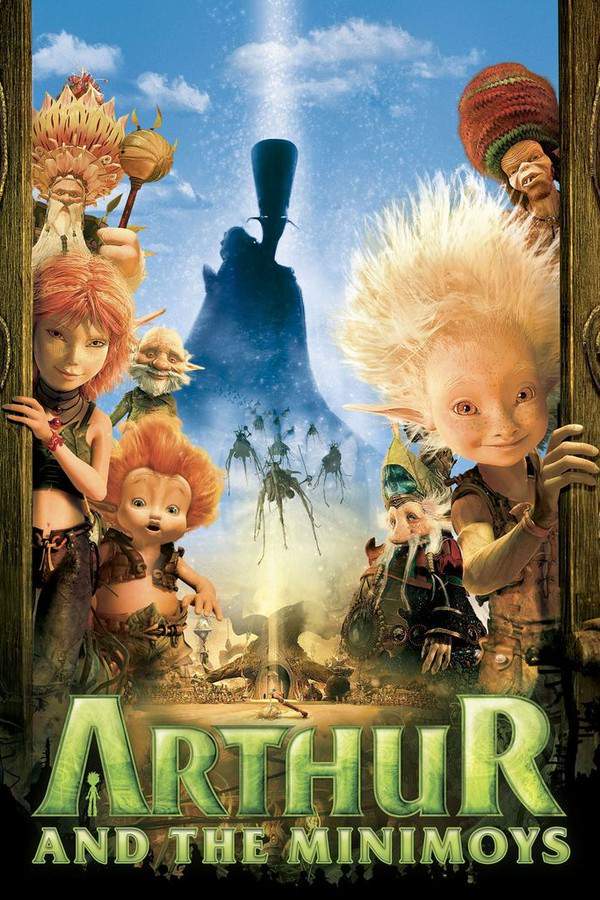
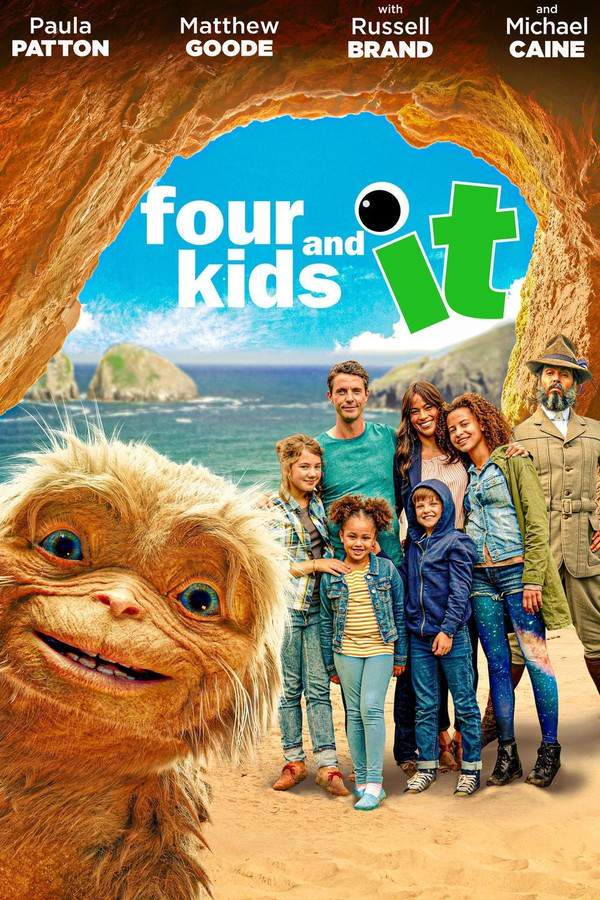
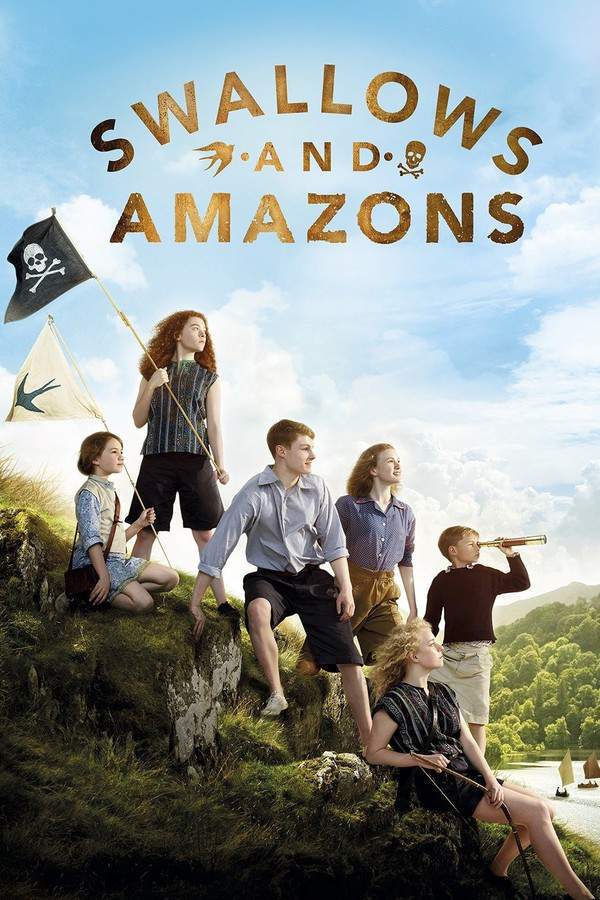
Stories where children take charge and build their own societies. If you enjoyed the child-led chaos of Trouble at Timpetill, explore these other movies where kids get a taste of independence. These films feature similar themes of youthful rebellion, creative survival, and the humorous yet challenging realities of a world run by children.

  • child rebellion
  • coming of age
  • survival
  • responsibility
  • whimsical
  • adventurous
  • Tone: whimsical, adventurous, lighthearted
  • Pacing: steady, character-driven
Why these movies?

The story pattern: The narrative typically unfolds after a catalyst—often the departure of adults—leaves children to fend for themselves. The story moves from initial celebration and freedom through a series of challenges that test their ingenuity and force them to cooperate and grow. The conflict often involves an external threat or internal discord that must be resolved to prove their society can work.

Why they belong together: Movies in this thread are grouped together because they share the core premise of a child-led world, focusing on themes of rebellion, responsibility, and the bittersweet fun of growing up too fast. They blend a whimsical tone with moments of genuine tension, creating a unique family-friendly adventure vibe.
Whimsical rebellion movies similar to Trouble at Timpetill

Stories where joyful chaos slowly gives way to the need for rules. Fans of Trouble at Timpetill who love the blend of lighthearted rebellion and eventual organization will enjoy these films. They capture the thrill of toppling the old order and the challenging, often humorous, task of building a new one.

  • rebellious
  • chaotic
  • liberating
  • whimsical
  • lighthearted
  • community
  • Tone: whimsical, rebellious, lighthearted
  • Pacing: steady, event-driven
Why these movies?

The story pattern: The narrative pattern starts with a disruptive event that frees characters from constraints, leading to an initial period of celebration and anarchy. However, the fun is tempered by practical problems, forcing the characters to invent new systems, resolve internal conflicts, and ultimately find a balance between freedom and the rules needed for their community to survive.

Why they belong together: These movies are grouped because they share a specific emotional arc: the joyful release of rebellion followed by the sobering yet rewarding work of building something new. They mix a whimsical, lighthearted tone with a steady pacing that allows for both chaotic fun and character growth.

If you liked this

Movies Like Trouble at Timpetill

Similar movies to Trouble at Timpetill: the same genre, themes or kind of story. Each one comes with its own plot summary, timeline and ending explained.

Browse all movie summaries

Every angle

Trouble at Timpetill (2008) Explained: Plot, Timeline & Characters

Everything about Trouble at Timpetill in one place: what happens in the plot summary, the timeline in chronological order, the characters and meaning and a spoiler-free summary. What's After the Movie adds the cast, box office and post-credit scenes.

Coming soon on iOS and Android

The Plot Explained Movie Summary App

Plot summaries, endings explained and timelines on your phone. Catch up on any movie in minutes, save your favorites and never miss a twist again.

Be the first to know when we launch. Your email stays private, always.

Learn more about the app