Plot Explained Spoilers guaranteed!
Plot Explained

Browse by genre

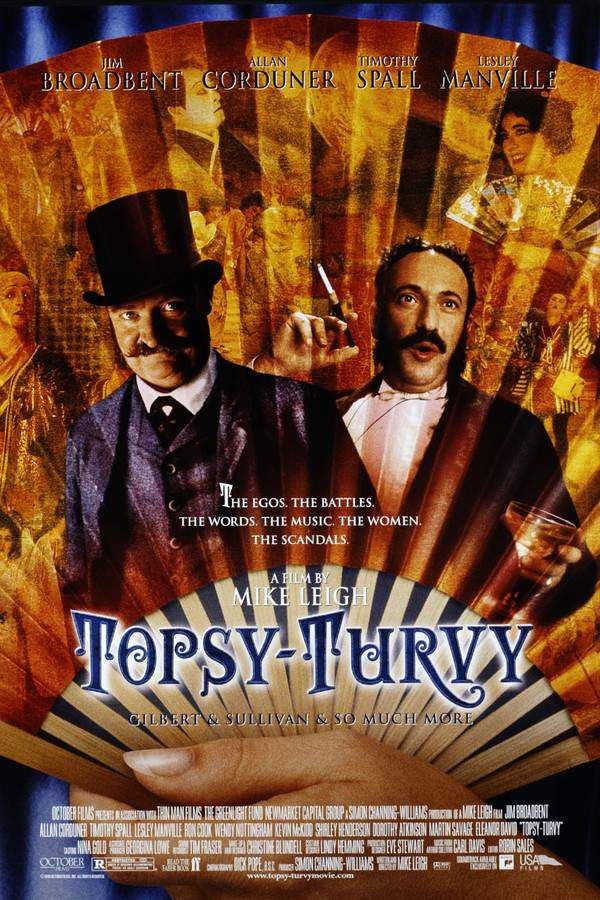
Topsy Turvy (2011) movie poster

Plot Summary

Topsy Turvy (2011) Plot Summary Explained

Release, runtime and language
2011 · 90 mins · Spanish
Loading streaming availability…
Directed by
Alejandro García Wiedemann
Starring
Erich Wildpret, Eduardo Gadea Pérez, Gonzalo J. Camacho, Daniela Bascopé, Basilio Alvarez

Renato, a frail grandfather confined to his mountain home, watches his three adult children grapple with crises. Montserrat, a caretaker, longs for independence; Anita, 45 and pregnant, faces a marriage crisis; Salvador, dealing with his mother’s death, lives in denial. Obligations force the family to confront love and duty in a topsy‑turvy world.

On this page (5)
  1. 1 Where to watch
  2. 2 What happens: full plot
  3. 3 Plot questions answered
  4. 4 Movie threads
  5. 5 Every angle
Loading streaming availability…

Full plot summary · contains spoilers

What Happens in Topsy Turvy: Full Plot Summary

The whole story of Topsy Turvy (2011) explained, from the opening scene to the final frame: every key event, every twist and what it all adds up to. Read it as a quick recap before the sequel, to check a scene you missed, or to finally understand what really happened.

The backstage world of the Savoy Theatre in the early 1880s hums with tension and ambition as a new chapter unfolds around the Savoy operas. On the opening night of Princess Ida in January 1884, the ailing composer Sir Arthur Sullivan, weakened by kidney disease, barely reaches the stage to conduct before slipping away to the continent for rest. In his absence, the summer heat and dwindling audiences gnaw at ticket sales, and producer Richard D'Oyly Carte turns to the team of Sullivan and dramatist W. S. Gilbert to conjure a fresh work for the Savoy. When Ida closes without a ready successor, Carte revives an earlier Gilbert and Sullivan collaboration, The Sorcerer, to keep the house lively.

The stage itself becomes a proving ground for creative friction. Gilbert pitches a transformative magic lozenge as the centerpiece of the next operatic venture, but Sullivan balks, finding the idea mechanical and too dependent on supernatural devices—especially at a time when the British musical establishment presses for music with more weight and realism. Sullivan longs for something “probable” and centered on human beings rather than tricks of magic, while Gilbert, convinced of the libretto’s merit, resists rewriting. The stalemate stretches as the summer wears on, until a turning point arrives after Gilbert and his wife attend a popular exhibition of Japanese arts and crafts in Knightsbridge. When a katana sword jolts from a wall in Gilbert’s study, the spark of inspiration hits: a libretto set in exotic Japan. Sullivan, recognizing the seed of a fresh direction, agrees to compose the score.

The trio—Gilbert, Sullivan, and Carte—begins shaping The Mikado, and the production captures a vivid portrait of backstage life. The cast negotiates salaries over lunch, while Gilbert secures additional performers from the exhibition to guide the ladies’ chorus in walking and using fans in a distinctly Japanese style. Costume fittings bustle under the eye of designer C. Wilhelm, and the ensemble grapples with the demands of the new setting as fittings and rehearsals proceed. A point of contention arises over a cut to the title character’s Act Two solo, “A more humane Mikado,” which the cast successfully persuades Gilbert to restore. The mood shifts from cautious experimentation to momentum as the show comes together.

Behind the scenes, nerves run high as first-night jitters take hold in dressing rooms. Gilbert, ever the nervous one, finds himself pacing the streets rather than watching the premiere. Yet when he returns to the theatre, the opening night proves to be a resounding success, signaling a triumphant beginning for The Mikado and a testament to the collaborative energy that tethered Gilbert, Sullivan, and Carte throughout this creative journey.

The performances at the center of this tale are brought to life by a talented ensemble, including Salvador, Compadre, Renato, Natalia, and Mario, each embodied by their respective performers. Their presence helps anchor a story about artistic struggle, inspiration born from an unlikely source, and the meticulous craft that goes into turning a bold idea into a stageable, lasting success.

Last updated: October 03, 2025 at 06:47

Was this helpful?

Plot questions answered

Topsy Turvy Plot Explained: Your Questions Answered

The questions people ask most about Topsy Turvy (2011): what happens in the confusing scenes, why the characters do what they do, the twists, hidden details and what the ending means. Each answer contains spoilers.

Q1

Why did Sullivan reject Gilbert's magic lozenge concept for the new opera?

Sullivan objected to the magic lozenge because he wanted music with more weight and realism, centered on human beings rather than supernatural devices. He explicitly sought something "probable" that would appeal to the British musical establishment, which was pressing for more serious, realistic work at the time.

Foreshadowing: Earlier in the summer, Sullivan had expressed frustration with mechanical plot devices, setting the stage for his resistance to the magic lozenge.

  • sullivan
  • gilbert
  • magic lozenge
  • creative conflict
  • realism
Q2

What inspired the idea for The Mikado?

The inspiration came when Gilbert and his wife attended a Japanese arts and crafts exhibition in Knightsbridge. Later, a katana sword suddenly jolted from the wall in Gilbert's study, sparking the idea for a libretto set in exotic Japan. Sullivan recognized this as a fresh direction and agreed to compose the score.

Foreshadowing: The exhibition had been running throughout the summer, but Gilbert needed that specific moment with the sword to connect the Japanese theme to his creative vision.

  • japanese exhibition
  • inspiration
  • gilbert
  • katana
  • the mikado
Q3

Why was Sullivan's illness important to the production?

Sullivan's kidney disease was significant because it forced him to leave mid-production. On the opening night of Princess Ida in January 1884, he barely reached the stage to conduct before slipping away to the continent for rest. His absence created pressure for Gilbert and producer D'Oyly Carte to find a new project while Sullivan recovered.

Foreshadowing: The timing of Sullivan's illness coincided with a summer slump in ticket sales, amplifying the urgency for a new work.

  • sullivan
  • kidney disease
  • princess ida
  • absence
  • production
Q4

What was the main creative conflict between Gilbert and Sullivan before The Mikado?

The central conflict was a stalemate over the type of story the new opera should tell. Gilbert had pitched the magic lozenge as the centerpiece, but Sullivan rejected it as too mechanical and dependent on supernatural elements. The disagreement stretched through the summer until the Japanese inspiration provided a compromise that satisfied both men.

Foreshadowing: This stalemate threatened the production timeline and created tension in the creative partnership that dated back to earlier collaborations.

  • gilbert
  • sullivan
  • stalemate
  • magic lozenge
  • creative disagreement
Q5

Why was the cut to 'A more humane Mikado' controversial?

The cut to the title character's Act Two solo, "A more humane Mikado," created contention during rehearsals because it threatened the emotional center of the opera. The cast successfully persuaded Gilbert to restore the number, preserving what would become one of the most memorable songs in the production.

Foreshadowing: This debate occurred during the intensive rehearsal period when the production was taking shape but still needed refinement.

  • a more humane mikado
  • act two
  • solo
  • cut
  • restored
Q6

How did the production incorporate authentic Japanese elements?

Gilbert secured performers from the Japanese arts exhibition to guide the ladies' chorus in walking and using fans in a distinctly Japanese style. Costume fittings bustled under designer C. Wilhelm's eye as the ensemble worked to make the Japanese setting believable and visually authentic.

Foreshadowing: This attention to authenticity came from Gilbert's direct experience at the exhibition and his desire to make the exotic setting feel credible.

  • japanese style
  • chorus
  • fans
  • costume
  • wilhelm
Q7

Why was The Mikado's opening night a success?

The opening night proved to be a resounding success because the collaboration among Gilbert, Sullivan, and D'Oyly Carte had created a fresh, well-rehearsed production with authentic Japanese styling, memorable music, and a compelling story. Gilbert's initial nerves (he paced the streets rather than watch the premiere) gave way to triumph when he returned to find the audience delighted.

Foreshadowing: The mood had shifted from cautious experimentation to momentum as rehearsals progressed, building toward this moment.

  • opening night
  • success
  • premiere
  • gilbert
  • triumph
Q8

How did D'Oyly Carte respond to the summer ticket sales slump?

With Sullivan away and audiences dwindling during the hot summer, producer Richard D'Oyly Carte turned to Gilbert and Sullivan to create a fresh work for the Savoy. When Princess Ida closed without a ready successor, he revived the earlier collaboration The Sorcerer to keep the house financially viable while the team developed their new project.

Foreshadowing: The pressure from declining ticket sales directly motivated the search for a new opera that could reinvigorate the Savoy's audience.

  • doyly carte
  • ticket sales
  • summer slump
  • the sorcerer
  • revival
Q9

What made the Gilbert, Sullivan, and Carte partnership effective?

The trio's effectiveness came from complementary strengths: Gilbert's imaginative librettos, Sullivan's musical genius, and D'Oyly Carte's production acumen. Despite creative tensions like the magic lozenge dispute, they maintained a collaborative energy that allowed them to work through disagreements and ultimately produce a hit.

Foreshadowing: Earlier collaborations had established this dynamic, though The Mikado would become their most famous success.

  • collaboration
  • gilbert
  • sullivan
  • carte
  • partnership
  • creative team
Q10

Why did Gilbert leave the theatre during opening night?

Gilbert, known for being nervous about premieres, found himself pacing the streets rather than watching the premiere from inside the theatre. His anxiety was so pronounced that he left the venue entirely, though he returned to discover the show had been a triumph.

Foreshadowing: This nervous energy had been building throughout the rehearsal period as the pressure for opening night intensified.

  • gilbert
  • nervous
  • opening night
  • streets
  • pacing

Movie threads

More Movies Like Topsy Turvy, by Mood & Story

Curated lists built around what makes Topsy Turvy tick: the same mood, the same kind of story or the same emotional payoff. Each list explains why these movies belong together.

Triumphant ensemble collaborations like in Topsy Turvy

Stories where a group of passionate people overcome friction to create something beautiful. If you enjoyed watching the creative team in Topsy Turvy pull together, you'll like these movies about groups overcoming friction. Find similar stories of artistic or professional collaboration where the journey is as rewarding as the triumphant ending.

  • collaborative
  • triumphant
  • tense
  • creative
  • meticulous
  • inspiring
  • Tone: hopeful, triumphant
  • Pacing: steady, methodical
Why these movies?

The story pattern: The narrative typically follows a group facing a significant challenge, often with internal conflict or external pressures threatening to derail their project. Through a series of setbacks and small victories, the characters learn to work together, culminating in a public success that validates their collective effort and strengthens their bonds.

Why they belong together: Movies in this thread share a hopeful tone and a steady, process-oriented pacing. They balance medium-intensity professional tension with the emotional payoff of collective achievement, creating an uplifting and satisfying viewing experience focused on the power of teamwork.

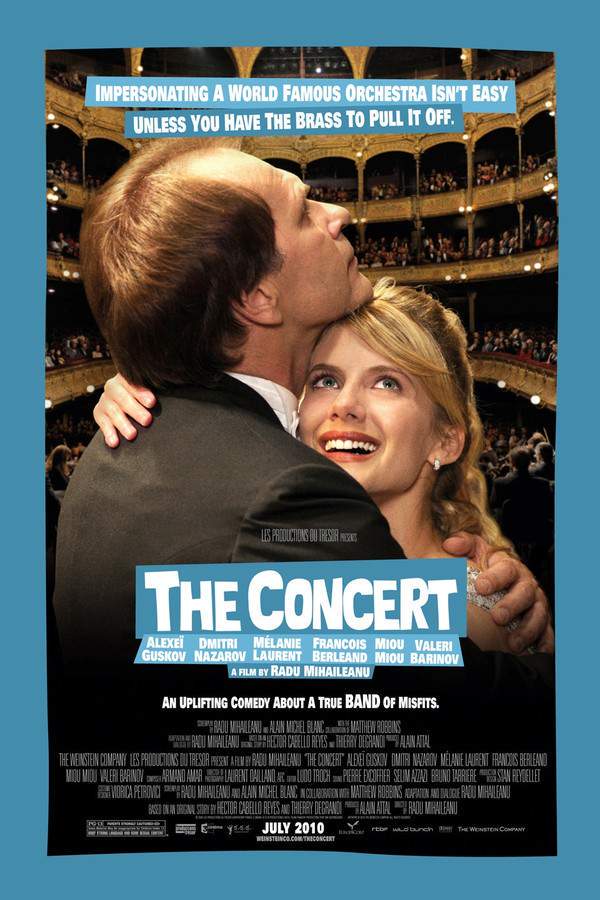
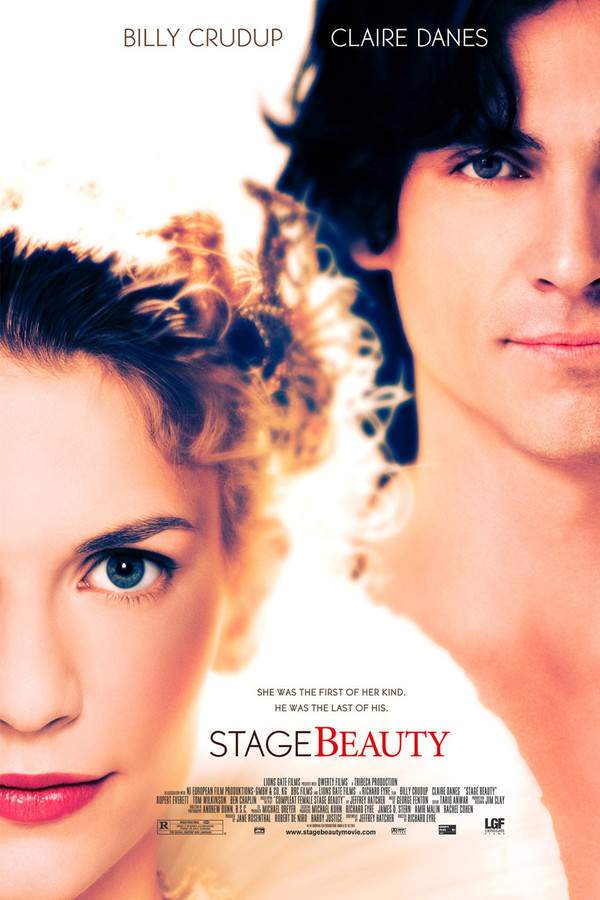
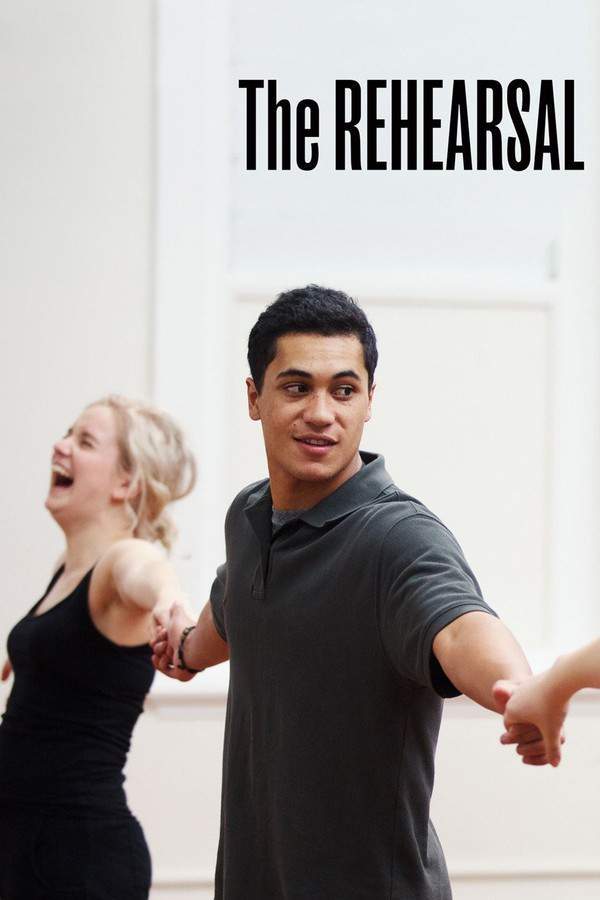
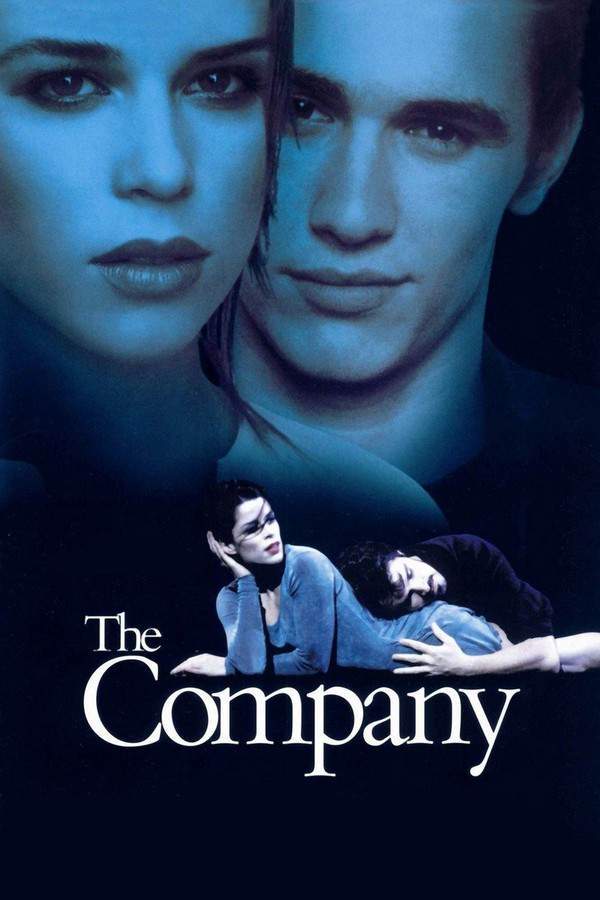
Detailed backstage dramas like Topsy Turvy

Immersive journeys into the meticulous and often tense world behind a public performance. Fans of Topsy Turvy's deep dive into Victorian theatre production will enjoy these detailed backstage dramas. Discover movies that offer a similar immersive look at the world of performance, from rehearsals to opening night.

  • meticulous
  • backstage
  • creative
  • immersive
  • tense
  • artistic
  • Tone: hopeful, detailed
  • Pacing: steady, immersive
Why these movies?

The story pattern: These stories are character-driven explorations of a specific world—theatre, music, dance, or film. The plot is often less about a major external conflict and more about the internal and interpersonal challenges of creating art. The narrative unfolds through a series of rehearsals, technical preparations, and personal interactions, building towards the culminating performance.

Why they belong together: These films are grouped by their shared focus on a specific, often glamorous, world seen from the unglamorous inside. They share a steady pacing that allows for rich detail, a medium emotional weight grounded in professional stakes, and a hopeful tone that comes from witnessing dedication and artistry.

Every angle

Topsy Turvy (2011) Explained: Plot, Timeline & Characters

Everything about Topsy Turvy in one place: what happens in the plot summary, the timeline in chronological order, the characters and meaning and a spoiler-free summary. What's After the Movie adds the cast, box office and post-credit scenes.

Coming soon on iOS and Android

The Plot Explained Movie Summary App

Plot summaries, endings explained and timelines on your phone. Catch up on any movie in minutes, save your favorites and never miss a twist again.

Be the first to know when we launch. Your email stays private, always.

Learn more about the app