Plot Explained Spoilers guaranteed!
Plot Explained

Browse by genre

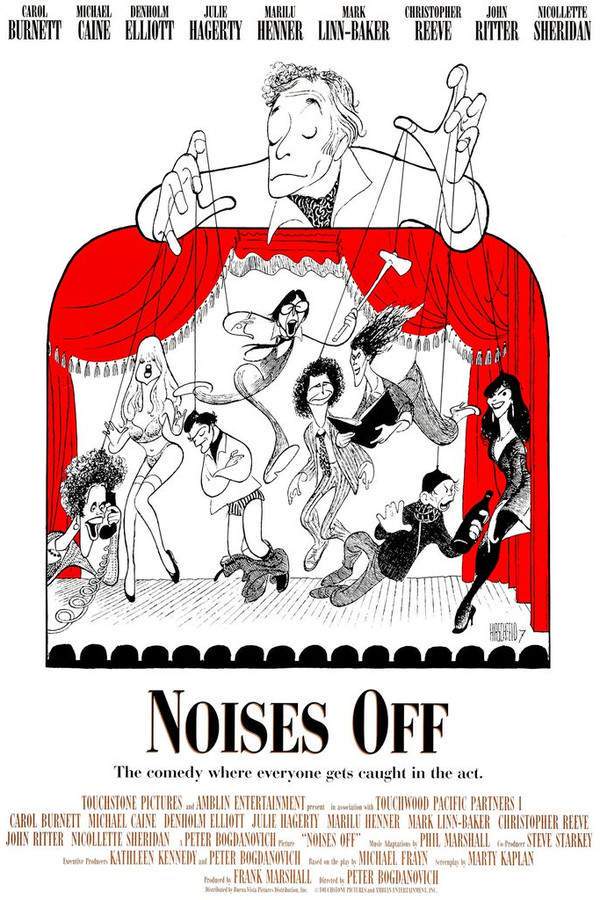
Bullets Over Broadway (1994) movie poster

Plot Summary

Bullets Over Broadway (1994) Plot Summary Explained

Release, runtime and language
1994 · 98 mins · English
JustWatch #6,653 16
Directed by
Woody Allen
Starring
Jim Broadbent, Edie Falco, Tracey Ullman, Rob Reiner, Jack Warden, Dianne Wiest

Playwright David Shayne funds his new production with help from mobster Nick Valenti, whose girlfriend Olive lands the psychiatrist role despite being a terrible bimbo. David also endures a compulsive‑eating lead, a diva demanding a jazzy rewrite, and Olive’s hit‑man/bodyguard. He must choose whether his art or reality around him matters more.

On this page (6)
  1. 1 Where to watch
  2. 2 What happens: full plot
  3. 3 Plot questions answered
  4. 4 Movie threads
  5. 5 Movies like Bullets Over Broadway
  6. 6 Every angle

Where to watch

Where to Watch Bullets Over Broadway (1994)

Where can you watch Bullets Over Broadway? Stream, rent or buy it in the US, including on Amazon Prime Video, Fawesome and Amazon MX Player: current JustWatch availability with up-to-date prices.

Streaming availability powered by JustWatch

Full plot summary · contains spoilers

What Happens in Bullets Over Broadway: Full Plot Summary

The whole story of Bullets Over Broadway (1994) explained, from the opening scene to the final frame: every key event, every twist and what it all adds up to. Read it as a quick recap before the sequel, to check a scene you missed, or to finally understand what really happened.

In 1928 Broadway-era New York, David Shayne is an idealistic young playwright fresh from Pittsburgh, desperate to finance his project. To secure backing for his play, God of Our Fathers, producer Julian Marx convinces him to cast Olive Neal, the girlfriend of Nick Valenti, in a small role, hoping the connection will grease the wheels of production.

David’s mood brightens when he lands the opportunity to cast the fading but talented stage legend Helen Sinclair in the lead, alongside the dieting, wary British performer Warner Purcell. Rehearsals quickly spiral into chaos when Olive shows up accompanied by Cheech, a mob henchman who insists on watching every rehearsal. Cheech begins offering notes on the script to David, who at first resents the intrusion but soon recognizes that Cheech’s input, though unconventional, carries a strange, practical spark. Cheech, who barely learned to read before burning down his school, reveals an odd, natural flair for dramatic structure, yet he has no interest in taking public credit for the changes.

The cast hails the revised script as genius, while denigrating Cheech’s initial draft as dull and pompous. Buoyed by the sense of imminent success, the company drifts into their indulgences. David cheats on Ellen with Helen, a betrayal that gnaws at his relationship. Warner indulges in overeating and begins an affair with Olive, which he tries to end when Cheech threatens his life. As Olive’s acting continues to disappoint, Cheech grows increasingly desperate to have her fired, and when David reminds him that Olive cannot be dismissed, Cheech takes drastic action.

Cheech murders Olive and dumps her body in a river. At first, the murder appears to be part of an inter-gang conflict, but David instantly sees through the misdirection and argues with Cheech, grappling with the moral weight of the crime. Regretting his own excesses, David faces a personal blow when Ellen leaves him for his hedonistic, Marxist friend Sheldon Flender.

On opening night, Nick Valenti accuses Cheech of Olive’s murder, a claim Cheech denies. Backstage, henchmen Rocco and Aldo chase Cheech while the performance continues, and they shoot him. In his final breath, Cheech provides David with a new closing line for the play, a line that reframes the ending and twists the audience’s expectations.

The play emerges as a critical and commercial triumph, even as the drama backstage remains unsettled. David forgoes the after-party to confront Flender, and in a quiet, revealing moment, he admits a lack of true talent and proposes marriage to Ellen, who accepts. The couple resolves to abandon high society and return to Pittsburgh, signaling a hopeful if uncertain shift away from the exhausting glamour that once defined their lives.

Last updated: October 07, 2025 at 08:55

Was this helpful?

Plot questions answered

Bullets Over Broadway Plot Explained: Your Questions Answered

The questions people ask most about Bullets Over Broadway (1994): what happens in the confusing scenes, why the characters do what they do, the twists, hidden details and what the ending means. Each answer contains spoilers.

Q1

Why does David agree to cast Olive Neal in the play?

David agrees to cast Olive because producer Julian Marx tells him that gangster Nick Valenti is the only one who can finance the production. Casting Olive, Nick's girlfriend, is the price David must pay to get the funding for his play 'God of Our Fathers.'

Foreshadowing: The opening scene establishes that David is desperate for funding and willing to compromise his artistic vision.

  • Olive Neal
  • Nick Valenti
  • mob funding
  • Julian Marx
  • Broadway financing
Q2

How does Cheech become a contributing writer to the play?

Cheech, who barely learned to read before burning down his school, starts offering notes on the script during rehearsals. David initially resents the intrusion but soon realizes Cheech's suggestions have a strange, practical spark and genuine dramatic flair. The cast eventually praises the revised script as genius while dismissing Cheech's original draft as dull.

Foreshadowing: Cheech's presence at rehearsals and his observations about the script hint at his untapped creative talent.

  • Cheech
  • script notes
  • playwright
  • creative contribution
  • rehearsals
Q3

Why does Cheech kill Olive Neal?

Cheech kills Olive because her terrible acting threatens the success of the play he has come to care about. After repeatedly trying to get her fired and being reminded by David that Olive cannot be easily dismissed due to her mob connections, Cheech takes drastic action to remove her from the production.

Foreshadowing: Earlier scenes show Cheech growing increasingly frustrated with Olive's acting and making threats against anyone who stands in the way of the play's success.

  • Olive Neal murder
  • Cheech
  • mob hit
  • actor firing
  • theatrical success
Q4

Why does David cheat on Ellen with Helen Sinclair?

David cheats on his fiancée Ellen with lead actress Helen Sinclair during the stressful production. The affair represents David's broader moral decline as he becomes consumed by the glamorous but corrupt world of Broadway, choosing artistic ambition over personal integrity.

Foreshadowing: David's compromises with casting Olive set him on a path of moral erosion throughout the film.

  • David Shayne
  • Ellen
  • Helen Sinclair
  • affair
  • infidelity
Q5

Why does Ellen leave David for Sheldon Flender?

Ellen leaves David after discovering his affair with Helen Sinclair. She chooses to pursue a relationship with David's Marxist friend Sheldon Flender, representing both romantic rejection and David's loss of the moral compass he represented.

Foreshadowing: David's growing absorption in the production and his infidelity directly cause the breakdown of his relationship.

  • Ellen
  • Sheldon Flender
  • relationship
  • breakup
  • David Shayne
Q6

What happens to Cheech at the end of the movie?

On opening night, Nick Valenti accuses Cheech of Olive's murder. While the performance continues, mob henchmen Rocco and Aldo chase Cheech backstage and shoot him. In his dying breath, Cheech provides David with a new closing line for the play that reframes the ending.

Foreshadowing: Cheech's murder of Olive creates inevitable retaliation from Nick Valenti's crime organization.

  • Cheech death
  • mob hit
  • final line
  • opening night
  • Rocco Aldo
Q7

What is the final line Cheech gives David?

As Cheech dies, he improvises a new closing line for the play that reframes the ending and twists the audience's expectations. The line represents Cheech's final creative contribution, transforming the play he secretly shaped into something with a completely different meaning.

Foreshadowing: Throughout the film, Cheech's uncredited contributions reshape the script's dramatic structure.

  • final line
  • ending
  • play
  • Cheech
  • dramatic twist
Q8

Why does David decide to return to Pittsburgh?

After the play's success but at the cost of multiple relationships and a man's life, David realizes the Broadway world he pursued has corrupted him. He admits his lack of true talent, proposes to Ellen, and the couple resolves to leave high society and return to Pittsburgh for a more honest life.

Foreshadowing: David's journey shows progressive disillusionment with theatrical ambition throughout the film.

  • David Shayne
  • Pittsburgh
  • leaving Broadway
  • fresh start
  • disillusionment
Q9

How does the play become a success despite all the chaos?

Despite murder, infidelity, and mob violence, the play 'God of Our Fathers' becomes a critical and commercial triumph. The chaos paradoxically fuels the production's energy, and Cheech's uncredited contributions, culminating in his dying final line, create a ending that resonates with audiences.

Foreshadowing: The revised script after Cheech's notes is repeatedly praised as genius by the cast.

  • play success
  • God of Our Fathers
  • critical acclaim
  • commercial success
  • theatrical triumph
Q10

Why does Nick Valenti accuse Cheech of Olive's murder?

Nick Valenti accuses Cheech because Olive was his girlfriend, and when she disappears, Nick suspects the man who was constantly around her. Though Cheech initially denies it, the accusation triggers the mob's violent retaliation against Cheech during opening night.

Foreshadowing: Cheech's threats against Olive and his visible frustration with her presence make him the obvious suspect.

  • Nick Valenti
  • accusation
  • murder investigation
  • Olive Neal
  • mob boss

Movie threads

More Movies Like Bullets Over Broadway, by Mood & Story

Curated lists built around what makes Bullets Over Broadway tick: the same mood, the same kind of story or the same emotional payoff. Each list explains why these movies belong together.

Movies where art clashes with crime like Bullets Over Broadway

Stories where high art is funded and corrupted by lowlife crime. If you enjoyed the chaotic blend of theatrical egos and gangster dealings in Bullets Over Broadway, you'll like these movies. This section gathers films where creative endeavors are financed by criminals, forcing artists into uneasy alliances and darkly comic moral compromises.

  • satirical
  • cynical
  • tense
  • chaotic
  • witty
  • morally complex
  • Tone: dark, satirical, cynical
  • Pacing: steady, building tension
Why these movies?

The story pattern: The narrative pattern follows an idealistic artist who secures funding from an unlikely and dangerous source, typically a mobster. As the production moves forward, the criminal's influence grows, creating friction between artistic vision and underworld demands. The story often climaxes with a violent resolution that forces the protagonist to re-evaluate their ambitions and the true cost of their success.

Why they belong together: Movies are grouped here for their unique blend of two disparate worlds—the cerebral realm of art and the visceral world of crime. They share a satirical, cynical tone, a steady pacing that builds tension between creative and criminal pressures, and a focus on themes of integrity, compromise, and the often-absurd reality of making art.

Satirical backstage stories like Bullets Over Broadway

Cynical and witty tales of chaotic theater and film productions. For viewers who liked the witty takedown of theatrical pretensions in Bullets Over Broadway, this section features similar movies. Discover cynical comedies set in the worlds of stage and screen, filled with egotistical actors, desperate writers, and the chaotic journey to opening night.

  • satirical
  • witty
  • chaotic
  • cynical
  • ensemble cast
  • show business
  • Tone: witty, dark, cynical
  • Pacing: steady, chaotic progression
Why these movies?

The story pattern: These stories typically follow a beleaguered director or writer trying to helm a production amidst a cast of dysfunctional, narcissistic performers. The plot is driven by a series of escalating crises—rewrites, romantic entanglements, and artistic disagreements—that threaten to derail the entire project. The journey is less about the final product's success and more about the satirical unraveling of the creative process itself.

Why they belong together: These films are united by their sharp, satirical wit aimed at the entertainment industry. They share a specific vibe: chaotic yet steady pacing that mirrors a production timeline, a darkly comic tone that punctures artistic pretension, and a cast of characters who are both talented and terribly difficult.

If you liked this

Movies Like Bullets Over Broadway

Similar movies to Bullets Over Broadway: the same genre, themes or kind of story. Each one comes with its own plot summary, timeline and ending explained.

Browse all movie summaries

Every angle

Bullets Over Broadway (1994) Explained: Plot, Timeline & Characters

Everything about Bullets Over Broadway in one place: what happens in the plot summary, the timeline in chronological order, the characters and meaning and a spoiler-free summary. What's After the Movie adds the cast, box office and post-credit scenes.

Coming soon on iOS and Android

The Plot Explained Movie Summary App

Plot summaries, endings explained and timelines on your phone. Catch up on any movie in minutes, save your favorites and never miss a twist again.

Be the first to know when we launch. Your email stays private, always.

Learn more about the app