Plot Explained Spoilers guaranteed!
Plot Explained

Browse by genre

To the Shores of Tripoli (1942) movie poster

Plot Summary

To the Shores of Tripoli (1942) Plot Summary Explained

Release, runtime and language
1942 · 86 mins · English
Directed by
H. Bruce Humberstone
Starring
Harry Morgan, Maureen O'Hara, Maxie Rosenbloom, Randolph Scott, Alan Hale Jr., William Tracy

Blending romance, comedy and high‑octane thrills, the film follows a pampered, wealthy youngster who impulsively enlists in the U.S. Marines. His carefree swagger soon yields to tough training and battlefield hardships, turning him into a savvy, battle‑tested soldier while a flirtatious romance and comic mishaps provide levity amid Uncle Sam’s fighting backdrop.

On this page (6)
  1. 1 Where to watch
  2. 2 What happens: full plot
  3. 3 Plot questions answered
  4. 4 Movie threads
  5. 5 Movies like To the Shores of Tripoli
  6. 6 Every angle

Where to watch

Where to Watch To the Shores of Tripoli (1942)

Where can you watch To the Shores of Tripoli? Stream, rent or buy it in the US, including on Amazon Video, Apple TV Store and Fandango At Home: current JustWatch availability with up-to-date prices.

Streaming availability powered by JustWatch

Full plot summary · contains spoilers

What Happens in To the Shores of Tripoli: Full Plot Summary

The whole story of To the Shores of Tripoli (1942) explained, from the opening scene to the final frame: every key event, every twist and what it all adds up to. Read it as a quick recap before the sequel, to check a scene you missed, or to finally understand what really happened.

Chris Winters, a wealthy Culver Military Academy dropout and playboy, enlists in the U.S. Marine Corps, where he meets his drill instructor Dixie Smith and falls for Navy nurse Mary Carter. The young recruit soon learns that life in uniform isn’t just about bravado and fancy clothes; Smith has a long memory of service, having fought in World War I under the elder Winters, and he affectionately calls Winters "The Skipper" as a sign of reluctant respect. This clash between a carefree socialite and a disciplined Marine sets the tone for a story about growth, loyalty, and the costs of changing one’s world.

Helene Hunt, Winters’s society girlfriend, pushes him toward a cushy civilian post in Washington, D.C., wielding her uncle’s influence with the base commander to steer him away from combat service. The non-fraternization policy becomes a recurring obstacle, highlighting the friction between the romantic world Chris has known and the rigid structure of military life, especially when the officer is a woman and the enlisted man is male.

To prove himself, Winters is put in charge of a platoon. The drill is rough and sometimes slapstick, as the Marines tease and test him during close-order drills. Yet, after a tense session, the platoon returns nearly flawless, and Smith—initially amused—begins to see the man behind the swagger. Winters’s pride surfaces when he declares, with a hint of defiance, “I was captain of the boxing team at Culver.”

[Winters] is selected for Sea School, and during gunnery practice, he performs a daring rescue by saving Dixie Smith from danger while repairing the targets. A confrontation soon follows, with Winters and the drill instructor clashing over who struck first. Smith ultimately takes the blame, taking a rank penalty to shield the younger man from Naval Prison, and the act earns Winters a hard-won respect from Smith and the rest of the unit. Still, the pull of civilian life proves powerful, and Winters contemplates leaving the Marines.

The shadow of war grows closer when Winters learns of the Pearl Harbor attack. He's in a car with Helene when the news hits, and the road is soon blocked by his old platoon marching toward a Navy transport ship. In a decisive moment, Winters races to Sgt. Smith to re-enlist, donning his old uniform again (save for his two-toned shoes) as he moves to rejoin the ranks. On the transport ship, he is finally reunited with Mary Carter, signaling the start of a new chapter shaped by duty, romance, and the unyielding march of history.

Last updated: October 09, 2025 at 09:26

Was this helpful?

Plot questions answered

To the Shores of Tripoli Plot Explained: Your Questions Answered

The questions people ask most about To the Shores of Tripoli (1942): what happens in the confusing scenes, why the characters do what they do, the twists, hidden details and what the ending means. Each answer contains spoilers.

Q1

Why does Sgt. Smith call Chris Winters "The Skipper"?

Sgt. Dixie Smith calls Winters "The Skipper" because he served under Winters's father, Captain Christopher Winters, during World War I. The nickname is a sign of reluctant respect, Smith sees the younger Winters as somewhat of a pampered heir to his father's military legacy, but also acknowledges the potential he sees in the wayward son.

Foreshadowing: The earlier reference to Winters's father establishes the family military tradition that looms over Chris's journey.

  • sgt smith
  • skipper
  • captain winters
  • world war i
  • drill instructor
Q2

Why does Helene Hunt try to get Chris a civilian post in Washington?

Helene uses her uncle's influence with General Gordon to secure Chris a cushy civilian job in Washington because she wants to keep him safe from combat and maintain their privileged lifestyle. She represents the civilian world that prizes comfort and status over military duty, and she fears losing Chris to the dangers of war.

Foreshadowing: This subplot establishes the ongoing tension between Chris's carefree social world and his growing commitment to military life.

  • helene hunt
  • washington
  • general gordon
  • civilian job
  • Influence
Q3

Why does Sgt. Smith take the blame for fighting with Chris?

Smith claims he struck first during their confrontation to take the punishment himself and protect Chris from being sent to Naval Prison. This sacrifice demonstrates Smith's transformation from harsh drill instructor to mentor, as he chooses to shield the young recruit even at the cost of his own rank.

Foreshadowing: Smith's earlier resistance to Chris masks a growing respect that culminates in this protective act.

  • smith
  • fight
  • naval prison
  • rank penalty
  • sacrifice
  • mentor
Q4

Why does Chris decide to leave the Marines after earning respect?

Chris decides to leave the Marines despite having earned respect from Smith and the unit because the pull of civilian life remains powerful. Even after growing as a soldier, he struggles with whether the military life truly suits him, showing that character growth is an ongoing process rather than an instant transformation.

Foreshadowing: This decision sets up the pivotal moment when Chris must choose between his old life and his new identity.

  • leave marines
  • civilian life
  • decision
  • respect
  • departure
Q5

What prompts Chris to re-enlist after the Pearl Harbor attack?

When Chris sees his old platoon marching toward the Navy transport ship while driving with Helene, the sight reawakens his sense of duty. Combined with the shock of Pearl Harbor, this moment forces him to abandon his civilian plans and run to Sgt. Smith to re-enlist, proving his transformation into a committed Marine is complete.

Foreshadowing: The road encounter mirrors earlier moments where military duty calls to him, but this time he answers definitively.

  • pearl harbor
  • re-enlist
  • platoon
  • transport ship
  • duty
  • wartime
Q6

How does the fraternization policy affect Chris and Mary's relationship?

The non-fraternization policy creates tension because Mary Carter is a Navy lieutenant while Chris is an enlisted Marine. This military rule prevents them from freely associating, highlighting the friction between their personal desires and the rigid structure of military life, a recurring obstacle they must navigate throughout the film.

Foreshadowing: Their early encounters establish this conflict, which builds toward their eventual reunion at sea.

  • fraternization policy
  • mary carter
  • navy
  • marines
  • officer
  • enlisted
Q7

Why does Chris save Sgt. Smith during gunnery practice?

During naval gunnery maneuvers, Chris performs a daring rescue by saving Smith from danger while repairing targets. This act proves Chris has moved beyond his privileged past and is willing to risk his life for his drill instructor, earning the hard-won respect of Smith and the entire unit.

Foreshadowing: The rescue comes after Winters declares his boxing captain past, showing he's beginning to apply his athleticism to military service.

  • gunnery practice
  • rescue
  • targets
  • danger
  • respect
  • unit
Q8

Why does Chris's old platoon blocking the road matter?

When Chris sees his old platoon marching toward a Navy transport ship, blocking his path, it serves as a powerful visual reminder of the life he briefly left behind. This encounter rekindles his sense of duty and provides the catalyst for his decision to re-enlist, showing that his connection to the Marines runs deeper than he realized.

Foreshadowing: The moment echoes his earlier training days, creating a symbolic circle that he must complete by returning to service.

  • old platoon
  • road
  • transport ship
  • duty
  • re-enlistment
  • decision

Movie threads

More Movies Like To the Shores of Tripoli, by Mood & Story

Curated lists built around what makes To the Shores of Tripoli tick: the same mood, the same kind of story or the same emotional payoff. Each list explains why these movies belong together.

Military Boot Camp Stories like To the Shores of Tripoli

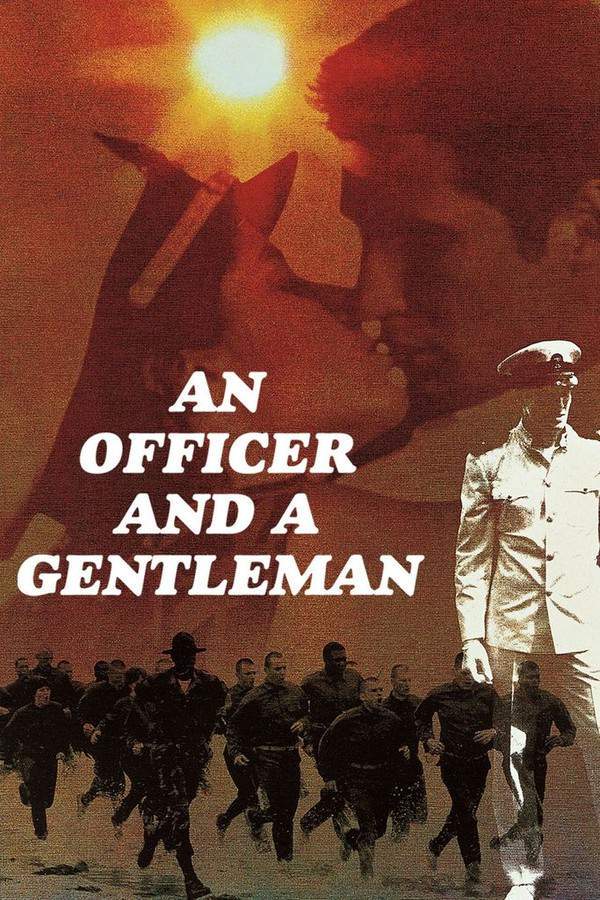
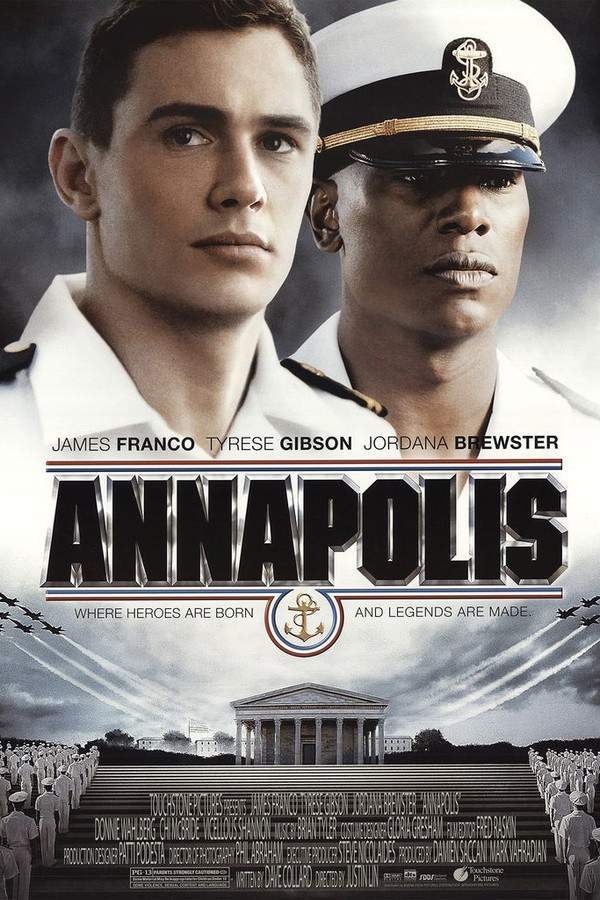
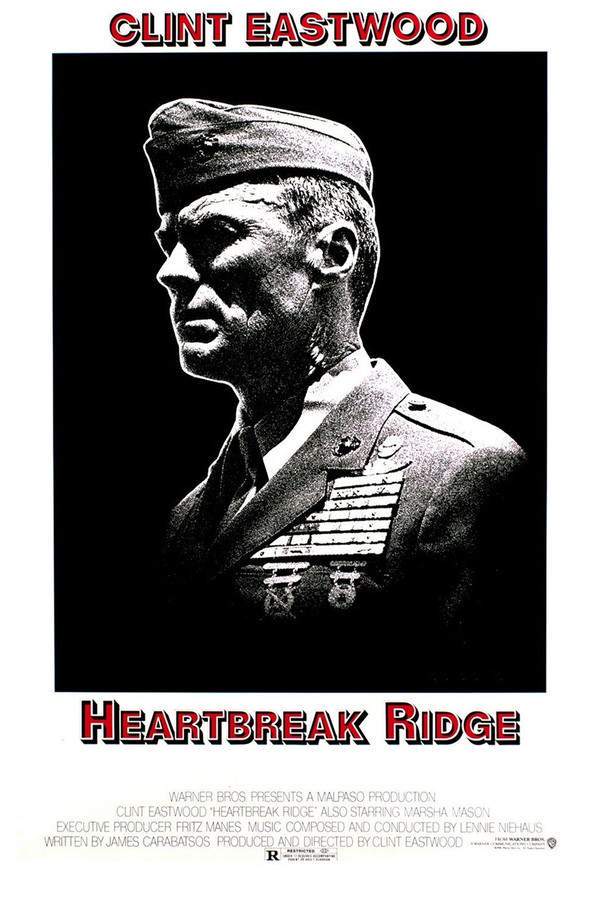
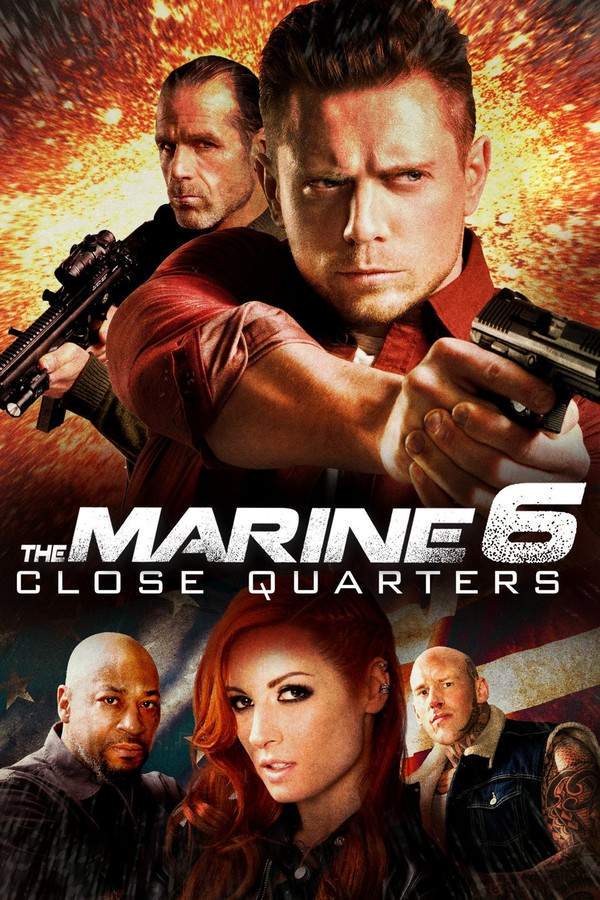
Stories where undisciplined rookies find purpose and camaraderie through tough military training. Explore movies like To the Shores of Tripoli that focus on the boot camp experience. If you enjoyed the blend of tough training, character redemption, and comedic moments within a military setting, this thread captures similar stories of discipline, camaraderie, and coming of age under Uncle Sam's command.

  • patriotic
  • disciplinary
  • uplifting
  • camaraderie
  • comic relief
  • redemption
  • Tone: hopeful, disciplinary
  • Pacing: steady, event-driven
Why these movies?

The story pattern: This narrative pattern follows a protagonist, often a rebellious or unmotivated individual, who enlists in the military. The core of the story is their arduous training, where they clash with authority, struggle with the physical and mental demands, and eventually earn the respect of their peers and superiors. The journey is one of redemption, self-discovery, and learning the true meaning of duty and teamwork.

Why they belong together: Movies are grouped here for their shared focus on the military training arc as the primary vehicle for character development. They share a hopeful tone, a steady pacing that builds from individual struggles to collective strength, and a mix of medium intensity drama with lighter, humorous moments.

Wartime Romance Movies similar to To the Shores of Tripoli

Romantic stories set against the backdrop of war, where love provides hope amid conflict. Find romantic dramas like To the Shores of Tripoli set during wartime. If you liked the flirtatious romance providing levity against a backdrop of military duty and personal growth, this collection features similar stories where love and resilience intersect, leading to hopeful and happy conclusions.

  • wartime romance
  • hopeful
  • uplifting
  • heartfelt
  • nostalgic
  • resilience
  • Tone: hopeful, romantic
  • Pacing: steady, character-driven
Why these movies?

The story pattern: The narrative typically involves a soldier or individual whose life is upended by war, who then meets a love interest. Their romance develops amidst the uncertainties and separations of military life, serving as an emotional anchor. The plot weaves together moments of tender connection with the challenges of duty, ultimately affirming the power of love to endure and provide purpose.

Why they belong together: These films are connected by their core blend of a significant romance subplot with a wartime setting. They share a medium emotional weight, avoiding extreme tragedy in favor of a hopeful, happy ending. The pacing is steady, allowing both the romantic and military plots to develop without one overshadowing the other.

If you liked this

Movies Like To the Shores of Tripoli

Similar movies to To the Shores of Tripoli: the same genre, themes or kind of story. Each one comes with its own plot summary, timeline and ending explained.

Browse all movie summaries

Every angle

To the Shores of Tripoli (1942) Explained: Plot, Timeline & Characters

Everything about To the Shores of Tripoli in one place: what happens in the plot summary, the timeline in chronological order, the characters and meaning and a spoiler-free summary. What's After the Movie adds the cast, box office and post-credit scenes.

Coming soon on iOS and Android

The Plot Explained Movie Summary App

Plot summaries, endings explained and timelines on your phone. Catch up on any movie in minutes, save your favorites and never miss a twist again.

Be the first to know when we launch. Your email stays private, always.

Learn more about the app