Plot Explained Spoilers guaranteed!
Plot Explained

Browse by genre

Through a Glass, Darkly (2008) movie poster

Timeline

Through a Glass, Darkly (2008) Timeline Explained – Every Event in Order

Release, runtime and language
2008 · 100 mins · Norwegian
Directed by
Jesper W. Nielsen
Starring
Liv Ullmann, Aksel Hennie, Espen Skjønberg, Trine Wiggen, Mads Ousdal, Àlex Batllori

Through a magical, playful narrative, a young girl confronting the end of her life comes to accept death and discovers a deeper appreciation for the beauty of existence. Adapted from Jostein Gaarder’s novel, the film blends emotion with wonder.

On this page (5)
  1. 1 Events in order (13)
  2. 2 Timeline questions answered
  3. 3 Movie threads
  4. 4 Movies like Through a Glass, Darkly
  5. 5 Every angle

13 events in order · contains spoilers

Through a Glass, Darkly Timeline: Events in Chronological Order

Every key event of Through a Glass, Darkly (2008) in order, scene by scene, with when and where it takes place. Use it to untangle flashbacks, time jumps and parallel storylines, to refresh your memory before the sequel or to find the exact scene you are thinking of.

  1. Karin's release and diagnosis

    On the remote island vacation, Karin is released from the asylum where she was treated for schizophrenia. Martin, a respected doctor, tells Karin's father David that her illness is nearly incurable. The revelation strains the family dynamics as they navigate the fragile threads of trust during their 24-hour stay.

    When
    morning
    Where
    Remote island vacation home
  2. Minus's play and David's subtle offense

    The group gathers to watch a play Minus has written for David. David pretends to approve, but the performance reads as a subtle attack on his character. The scene foreshadows the day's tensions between art, ego, and family.

    When
    afternoon
    Where
    Living room
  3. Karin's nocturnal walk and attic imagery

    That night, Karin rejects Martin's advances and follows the sound of a foghorn to the attic. She faints during a moment when voices seem to come from behind the peeling wallpaper. The eerie climb into the attic marks the start of her personal confrontation with perceived realities.

    When
    night
    Where
    Attic
  4. Karin discovers David's diary

    Karin sneaks into David's room and finds his diary, reading his description of her disease as incurable. She discovers his desire to record her deterioration in meticulous detail, which shocks and unsettles her. The discovery deepens her sense of invasion by her own family.

    When
    night
    Where
    David's room
  5. Morning fishing confrontation

    The next morning, David and Martin confront each other while fishing. Martin accuses David of sacrificing Karin for his art and of cowardice and phoniness, while David evasively defends himself. He finally confesses a suicide attempt and reveals his love for Karin, Minus, and Martin.

    When
    morning
    Where
    Beached fishing area
  6. Karin confides in Minus

    Karin opens up to Minus about her episodes and her wait for God to appear behind the wallpaper. Minus reveals his sexual frustration, and Karin teases him after discovering his pornographic magazine. The exchange deepens their fraught bond and underscores the breakdown of boundaries.

    When
    afternoon
    Where
    Beach/house
  7. Incestuous encounter on the wrecked ship

    During a looming storm, Karin sees a wrecked ship on the beach and runs to it for shelter, where Minus follows and they engage in incestuous sexual activity. The act crystallizes the breakdown of family norms under the strain of fear and desire.

    When
    late afternoon
    Where
    Wrecked ship on the beach
  8. The ship incident reported to the men

    Minus recounts the ship incident to the others, prompting Martin to call for an ambulance. The trauma of Karin's actions deepens the fear and urgency among the family and signals the imminent medical intervention. Tension rises as the group processes what happened.

    When
    afternoon
    Where
    Beach
  9. Karin's private confession and hospital plan

    Karin asks to speak with her father alone and confesses her misconduct toward Martin and Minus. She explains that a voice urged her to act and to search David's desk, and she requests to remain in the hospital to avoid living between realities. They prepare to go to hospital while Karin heads toward the attic again.

    When
    late afternoon
    Where
    Family villa
  10. God behind the wall and the spider

    In the attic, Karin declares that God is about to walk out of the closet door and fixates on a crack in the wall where a spider emerges. An ambulance helicopter passes by, rattling the door, and Karin is sedated as fear overtakes her. She later describes seeing God as an evil-faced, cold-eyed spider that failed to penetrate her.

    When
    evening
    Where
    Attic
  11. Karin's final revelation and departure

    Karin vanishes and reappears in a frenzy, then is sedated again. The men prepare to depart the island by helicopter, with Karin and Martin leaving first. The moment leaves a sense of spiritual encounter that defies rational explanation.

    When
    evening
    Where
    Island/Villa
  12. Father and son: love as a lifeline

    Minus tells his father he is afraid of losing touch with ordinary reality after Karin's grip on him. He asks whether he can survive that way, and David responds that he can if he has something to hold on to. The two share a quiet, hopeful bond amid the chaos.

    When
    evening
    Where
    Beach/Island
  13. Papa spoke to me

    David and Minus reflect on love, faith, and the possibility that love can sustain Karin. In a moving moment, Minus whispers that his father spoke to him, underscoring the fragile but vital connection between generations amidst crisis.

    When
    night
    Where
    Island

Last updated: October 07, 2025 at 08:34

Was this helpful?

Timeline questions answered

Through a Glass, Darkly Timeline Explained: Your Questions Answered

When does it happen, and why in that order? The questions people ask about the chronology of Through a Glass, Darkly (2008): time jumps, flashbacks, cause and effect between scenes and the correct order of events, each answered with spoilers.

Q1

Why does Karin go to the attic during the night?

Karin is drawn to the attic because she experiences auditory hallucinations - she hears voices coming from behind the peeling wallpaper and believes God will appear there. After rejecting Martin's sexual advances, she follows the sound of a foghorn which leads her up to the attic space where her delusions intensify.

  • karin
  • attic
  • god
  • wallpaper
  • hallucinations
Q2

Why does Karin read David's diary?

After fainting in the attic from her hallucinations, Karin wanders into her father David's room and finds his diary. She discovers he has been documenting her illness clinically - describing her disease as incurable and recording his observations about her deterioration. This invasion of her privacy by her own father deepens her sense of betrayal.

  • karin
  • david
  • diary
  • illness
  • betrayal
Q3

Why does Karin have an incestuous encounter with Minus?

During a looming storm, Karin runs toward a wrecked ship on the beach in a state of fear and confusion. Minus follows her, and the encounter happens in the chaos of the storm and her deteriorating mental state. The scene represents the complete breakdown of family boundaries under extreme psychological pressure - Karin is unable to distinguish reality from her hallucinations, and normal social restraints collapse.

Foreshadowing: Earlier, Minus reveals his sexual frustration to Karin, and she teases him about hiding a pornographic magazine.

  • karin
  • minus
  • incest
  • ship
  • storm
  • breakdown
Q4

Why does David keep a diary about Karin's condition?

David, a novelist suffering from writer's block, approaches his daughter's illness with the same clinical distance he uses in his writing. His diary entries document Karin's deterioration in meticulous detail, treating her as a subject to be observed and recorded rather than a daughter to be supported. This reflects his fundamental flaw - prioritizing his art and intellectual pursuits over emotional connection with his family.

  • david
  • diary
  • documentation
  • illness
  • writer
Q5

Why does Karin describe God as a spider?

In the attic, Karin fixates on a crack in the wall where a spider emerges. During her hallucination, she perceives this spider as God - an evil-faced creature with cold, calm eyes that attempted to 'penetrate' her. When it failed, it retreated onto the wall. This imagery combines her religious delusions with her fear of invasion and sexual violation.

Foreshadowing: Karin has previously told Minus she waits for God to appear behind the wallpaper in the attic.

  • karin
  • god
  • spider
  • hallucination
  • attic
  • religion
Q6

Why does Karin ask to stay at the hospital?

After confessing her misconduct toward Martin and Minus, Karin tells her father she cannot live in two realities at once and must choose one. She recognizes that her mind cannot distinguish between real experiences and hallucinations, so she requests to remain in the hospital where she can exist within a single, controlled reality rather than trying to function in the outside world.

  • karin
  • hospital
  • reality
  • choice
  • mental illness
Q7

Why does Minus tell the others about what happened on the ship?

Minus reveals the incestuous encounter to Martin and David, prompting Martin to call for an ambulance. His decision to confess likely stems from guilt, shock, and the need for adult intervention during a traumatic situation. The revelation signals the moment the family's facade of normalcy completely shatters.

  • minus
  • confession
  • ship
  • trauma
  • ambulance
Q8

Why does David attempt to drive off a cliff?

David admits to Martin and Karin that he recently tried to drive his car off a cliff, only prevented by a faulty transmission. This suicide attempt reveals his desperate state - overwhelmed by guilt over his emotional neglect of his family, his writer's block, and his daughter's incurable illness. His attempt represents his inability to cope with the emotional demands of his relationships.

  • david
  • suicide
  • cliff
  • guilt
  • desperation
Q9

Why does Minus say 'Papa spoke to me' at the end?

After the traumatic day, Minus confesses to his father that he fears losing touch with ordinary reality after Karin's experiences. David tells him he can survive if he has something to hold on to - love. This moment marks the first genuine father-son conversation they've had, with David finally offering emotional support rather than distant intellectualism. The line 'Papa spoke to me' represents the breakthrough in their relationship that only crisis could produce.

  • david
  • minus
  • love
  • connection
  • hope
  • father son
Q10

Why does Martin confront David about sacrificing Karin?

Martin, as Karin's husband and a doctor, directly accuses David of sacrificing his daughter for his art - of being self-absorbed, cowardly, and phony. This confrontation stems from Martin's frustration with David's emotional distance and his discovery that David has been treating Karin's illness as material for writing rather than a personal tragedy to endure together.

  • martin
  • david
  • accusation
  • art
  • sacrifice
Q11

Why does Karin hear voices behind the wallpaper?

Karin experiences auditory hallucinations as part of her schizophrenia. She describes waiting for God to appear behind the wallpaper in the attic, and during her episodes she hears voices emanating from within the walls themselves. This symptom of her illness represents her mind's attempt to impose religious meaning onto her perceptual disturbances.

  • karin
  • voices
  • wallpaper
  • hallucination
  • schizophrenia
Q12

What does Karin mean by 'living in two realities'?

Karin explains that she cannot live in two realities at once - referring to her inability to distinguish between the real world and the world of her hallucinations. She experiences both simultaneously and cannot function in either. By choosing the hospital, she selects the reality of medical treatment over the constant confusion of trying to exist in a world where her perceptions betray her.

  • karin
  • realities
  • hallucination
  • choice
  • hospital

Movie threads

More Movies Like Through a Glass, Darkly, by Mood & Story

Curated lists built around what makes Through a Glass, Darkly tick: the same mood, the same kind of story or the same emotional payoff. Each list explains why these movies belong together.

Slow burn psychological dramas like Through a Glass, Darkly

Stories where quiet tension and mental turmoil create a suffocating atmosphere. If you liked the suffocating tension and psychological unraveling in Through a Glass, Darkly, explore more movies like it. This list features similar slow-burn dramas where mental turmoil and family secrets create a deeply unsettling, melancholic, and claustrophobic vibe.

  • slow burn
  • psychological
  • claustrophobic
  • anxious
  • unsettling
  • somber
  • Tone: tense, melancholic
  • Pacing: slow burn
Why these movies?

The story pattern: These narratives often center on a character or family unit under immense psychological pressure. The plot unfolds slowly, prioritizing character study and atmospheric tension over overt action, leading to a gradual unraveling of sanity or relationships within a confined, intense setting.

Why they belong together: Movies are grouped here for their shared commitment to a slow, tense pacing, a heavy emotional weight centered on psychological distress, and a dominant mood of anxiety and claustrophobia. They offer a similar experience of witnessing a quiet, internal collapse.

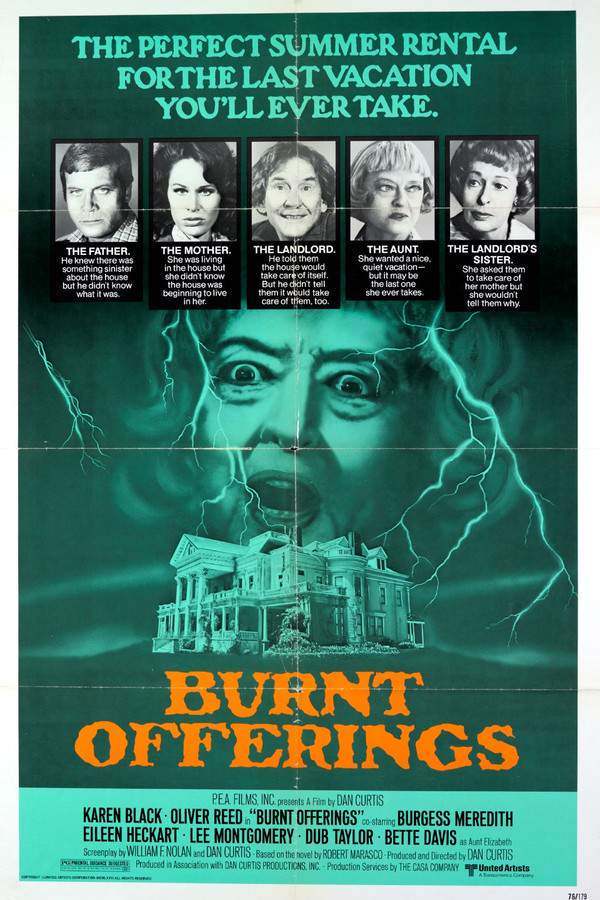
Heavy bittersweet family stories like Through a Glass, Darkly

Intense family stories that confront dark truths but end with a glimmer of hope. For viewers who appreciated the intense exploration of family and mental health in Through a Glass, Darkly, this list recommends similar dramatic movies. These films share a heavy emotional weight, tackle difficult themes, and deliver poignant, bittersweet endings that leave a lasting impact.

  • family dysfunction
  • bittersweet
  • heavy
  • melancholic
  • introspective
  • unsettling
  • Tone: tense, bittersweet
  • Pacing: slow, character driven
Why these movies?

The story pattern: The narrative pattern involves a family forced to confront a deep-seated crisis or secret. The journey is painful and intense, exposing fractures and flaws. The climax is often a tragedy or a breaking point, but the resolution provides a fragile, hard-won moment of grace or acknowledgment that softens the bleakness.

Why they belong together: These movies are connected by their exploration of heavy, often taboo topics within a family context, their intense emotional weight, and their specific bittersweet emotional arc—journeying through darkness to find a sliver of light, making the overall experience poignant rather than purely devastating.

If you liked this

Movies Like Through a Glass, Darkly

Similar movies to Through a Glass, Darkly: the same genre, themes or kind of story. Each one comes with its own plot summary, timeline and ending explained.

Browse all movie summaries

Every angle

Through a Glass, Darkly (2008) Explained: Plot, Timeline & Characters

Everything about Through a Glass, Darkly in one place: what happens in the plot summary, the timeline in chronological order, the characters and meaning and a spoiler-free summary. What's After the Movie adds the cast, box office and post-credit scenes.

Coming soon on iOS and Android

The Plot Explained Movie Summary App

Plot summaries, endings explained and timelines on your phone. Catch up on any movie in minutes, save your favorites and never miss a twist again.

Be the first to know when we launch. Your email stays private, always.

Learn more about the app