Plot Explained Spoilers guaranteed!
Plot Explained

Browse by genre

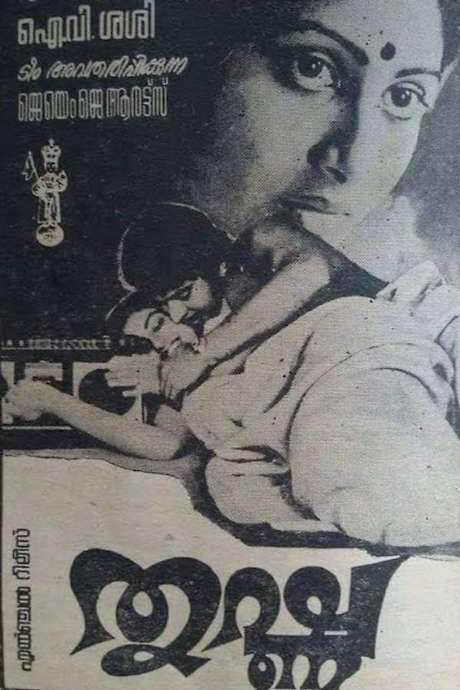
Thrishna (1981) movie poster

Characters & Themes

Thrishna (1981) Characters, Setting & Themes Explained

Release, runtime and language
1981 · More mins · Malayalam
Directed by
I V Sasi
Starring
Mammootty, Lalu Alex, Rajyalakshmi, Kaviyoor Ponnamma, Swapna, Mallika Sukumaran

The film tells the story of Das (Mammootty), who is a rich playboy and his relationships with his callgirl, Jaysree (Swapna) and his love interest, Sridevi (Rajyalakshmi).

On this page (6)
  1. 1 Characters explained (11)
  2. 2 Where & when it takes place
  3. 3 Themes & meaning (4)
  4. 4 Character & meaning questions
  5. 5 Movie threads
  6. 6 Every angle

11 main characters · contains spoilers

Thrishna Characters Explained: Who Is Who

The main characters of Thrishna (1981), heroes and villains: what drives them, how they change over the course of the story and what each of them reveals about the film's bigger ideas.

  • Krishnadas (Das) – Mammootty

    A rich, spoiled playboy who treats Jaysree as a possession rather than a partner. He flaunts his power and ridicules Jaysree’s profession, showing little empathy beyond momentary flirtations. His claim of ownership over Jaysree is challenged by the events that unfold, and he eventually leaves the bungalow alone.

    • 💼 Rich
    • 😈 Womanizer
  • Jayasree – Swapna

    A callgirl brought into the house under deceptive pretenses; she plays the role of a dutiful wife to avoid scandal. Her bond with Gopan grows as she recognizes shared vulnerability, and she ultimately reveals her truth before choosing to leave with him.

    • 💃 Performer
    • 🕊️ Resilient
  • Parameswaran – Sankaradi

    Caretaker of the bungalow who protects the family’s name by concealing Jaysree’s true relationship with Das. He keeps order at the residence while his son Gopan aids visitors in the area.

    • 🛡️ Protector
  • Kannamma – Mallika Sukumaran

    Parameswaran’s Tamil wife who helps run the household and maintain a calm presence amid the unfolding tensions. She represents a steadying domestic presence in the story.

    • 🏡 Family anchor
  • Gopakumar (Gopan) – Rajkumar Sethupathy

    Parameswaran’s son who stays away from the bungalow and earns a living guiding foreigners. He forms a sympathetic bond with Jaysree and ultimately accompanies her toward a new path.

    • 🎒 Guide
    • 🧭 Companion
  • K.V.S. Panikkar – Jose Prakash

    A family friend whose arrival with his wife and daughters creates social pressure and a test of propriety for Das’s household. He embodies the external gaze of society on private lives.

    • 🕴️ External scrutiny
  • Chinnammu Amma – Kaviyoor Ponnamma

    Panikkar’s wife who adds to the household’s sense of tradition and social expectation. She participates in the family’s interactions during the visit.

    • 👵 Matriarch
  • Rao Bahadur Shankaramenon – Premji

    The elder, respected father-in-law figure whose presence underscores the weight of social reputation and lineage in the family dynamic.

    • 🎖️ Authority
  • Sridevi – Rajyalakshmi

    Das’s social world collides with her own marriage. Her separated status leaves her cautious, yet she briefly rekindles a shared connection with Das through music before choosing to return to her husband Vijayshankar.

    • 🎼 Music
    • 💑 Relationship
  • Ramakrishnan – Lalu Alex

    Nirmala’s engineer husband, Sridevi’s former partner, whose presence marks the practical side of domestic alliances and separation.

    • 👷‍♂️ Engineer
  • Vijayshankar – Ratheesh

    Sridevi’s separated husband who apologizes for his insensitive behavior, and whom she ultimately returns to, highlighting themes of reconciliation and obligation.

    • 🤝 Reconciliation

Last updated: February 18, 2026 at 23:20

Was this helpful?

Setting

Where and When Does Thrishna Take Place?

The setting of Thrishna (1981): the year and time period, the places and locations, and how they shape the characters, the mood and the tension of the story.

Time period

Location

Kodaikanal

Set in the hill town of Kodaikanal, the story unfolds around a secluded bungalow surrounded by pine forests. The residence is managed by Parameswaran and his wife Kannamma and becomes a backdrop for the tension between desire, reputation, and family name. The cool, peaceful setting contrasts with the heated personal dynamics playing out inside.

  • 🏞️ Hill station
  • 🏡 Bungalow estate

Last updated: February 18, 2026 at 23:20

Was this helpful?

4 major themes

Thrishna Meaning: Themes & Message Explained

What is Thrishna (1981) really about? The emotional, social and philosophical themes the film keeps returning to, its symbolism and the message beneath the surface.

  • Love and Exploitation

    A relationship built on appearance and power is tested by deception. Das treats Jaysree as an object and uses the bungalow as a stage for his whims, exposing the vulnerability of someone living under social scrutiny. The narrative questions whether physical desire can coexist with genuine affection and respect.

  • Music and Healing

    Music becomes a conduit for empathy, allowing Sridevi to rekindle a softer connection with Das. It also helps reveal hidden feelings and soften rigid attitudes. The return of music to the characters' interactions marks a turning point toward understanding rather than coercion.

  • Freedom and Choice

    Jayasree asserts agency by leaving the oppressive dynamics of the house with Gopan. Gopan's decision to accompany her reflects a search for mutual respect and escape from exploitation. The ending underscores the possibility of choosing one's own path, even when it means departure from comfortable leverage.

  • Social Reputation

    The threat to family honor drives characters to perform roles that mask their true selves. The visits from Panikkar's family and the care taken to preserve appearances shape actions and decisions. The story critiques how reputation can constrain honesty and personal happiness.

Last updated: February 18, 2026 at 23:20

Was this helpful?

Character & theme questions

Thrishna Characters & Meaning: Your Questions Answered

The questions people ask about Thrishna (1981): who the characters really are, their relationships, what the symbols mean, where it takes place and what the movie is really about. Each answer contains spoilers.

Q1

Where is the movie set?

The story takes place in Kodaikanal, a hill station in Tamil Nadu known for its cool climate, pine forests, and secluded atmosphere. The primary location is a private bungalow surrounded by nature, managed by a caretaker and his wife.

  • kodaikanal
  • hill station
  • setting
  • bungalow
  • location
Q2

What are the main themes of the film?

The movie explores four major themes: Love and Exploitation (the transactional nature of Das's relationship with Jaysree), Music and Healing (how music rekindles emotional connection), Freedom and Choice (characters asserting agency to escape oppressive dynamics), and Social Reputation (the weight of family honor and appearances).

  • themes
  • love
  • exploitation
  • music
  • healing
  • freedom
  • choice
  • reputation
Q3

Who is Das and what role does he play?

Das (played by Mammootty) is a wealthy, spoiled playboy who treats Jaysree as a possession rather than a genuine partner. He uses his power and wealth to control others while maintaining social appearances. His arc involves confronting the consequences of his exploitative behavior.

  • das
  • mammootty
  • playboy
  • rich
  • character role
Q4

Who is Jaysree and what is her situation?

Jaysree is a callgirl brought to the bungalow under false pretenses, forced to play the role of a dutiful wife to protect Das's reputation. She represents vulnerability and eventual empowerment, finding solidarity with Gopan and choosing to leave the oppressive environment.

  • jaysree
  • swapna
  • callgirl
  • character role
Q5

Who is Sridevi in the story?

Sridevi is Das's love interest who comes from a separated marriage. Though cautious due to her marital history, she shares a brief emotional connection with Das through music before ultimately choosing to return to her husband Vijayshankar.

  • sridevi
  • rajyalakshmi
  • love interest
  • character role
Q6

Who is Gopan and what is his role?

Gopan is the son of the bungalow caretaker Parameswaran. He works as a guide for foreigners in the Kodaikanal area and forms a sympathetic bond with Jaysree based on mutual respect. He accompanies her at the end as she chooses a new path.

  • gopan
  • guide
  • caretaker son
  • character role
Q7

Who is Parameswaran and what role does he play?

Parameswaran is the caretaker of the bungalow in Kodaikanal. He maintains the household and protects the family's reputation by concealing the truth about Jaysree's relationship with Das. He represents the loyal domestic servant bound by duty and social expectations.

  • parameswaran
  • caretaker
  • bungalow
  • servant
  • reputation
Q8

How does the film portray love and exploitation?

The movie depicts a relationship built on power imbalance, where Das treats Jaysree as an object rather than a partner. The narrative questions whether physical desire can coexist with genuine affection, showing how social scrutiny and economic dependence create toxic dynamics.

  • love
  • exploitation
  • power
  • desire
  • relationship
Q9

What is the significance of music in the film?

Music serves as a conduit for empathy and emotional healing. It allows Sridevi and Das to reconnect on a softer level, revealing hidden feelings and softening rigid attitudes. The return of music marks a turning point toward understanding rather than coercion.

  • music
  • healing
  • emotional connection
  • empathy
Q10

How does the film address freedom and choice?

The theme of freedom emerges through Jaysree's decision to leave the bungalow with Gopan, choosing mutual respect over exploitation. The ending emphasizes that characters can reclaim agency and choose their own path, even when it means departing from comfortable situations.

  • freedom
  • choice
  • agency
  • escape
  • departure
Q11

How does social reputation affect the characters?

The threat of damaging family honor drives characters to perform false roles and mask their true selves. Visits from family friends like Panikkar create pressure to maintain appearances. The story critiques how obsession with reputation constrains honesty and personal happiness.

  • reputation
  • honor
  • family
  • social pressure
  • appearances
Q12

What is the overall emotional tone of the film?

The film has a predominantly melancholic tone, stemming from characters trapped in transactional relationships dealing with emotional emptiness. The intensity is medium, with tension arising from interpersonal conflicts and social hypocrisy rather than dramatic action, resulting in a bittersweet ending.

  • tone
  • mood
  • melancholy
  • emotional
  • bittersweet

Movie threads

More Movies Like Thrishna, by Mood & Story

Curated lists built around what makes Thrishna tick: the same mood, the same kind of story or the same emotional payoff. Each list explains why these movies belong together.

Bittersweet tales of failed connections like in Thrishna

Character dramas where loneliness persists despite fleeting moments of romance. If you liked the melancholic exploration of loneliness in Thrishna, find more movies like it. This thread gathers similar character-driven dramas about unfulfilled desires and bittersweet failed relationships.

  • melancholic
  • lonely
  • unfulfilled
  • emotionally distant
  • reflective
  • bittersweet
  • Tone: melancholic, bittersweet
  • Pacing: steady, character-driven
Why these movies?

The story pattern: Stories in this thread typically follow characters entangled in relationships that are doomed from the start—often due to social barriers, emotional unavailability, or transactional dynamics. The narrative arc tends to be a steady decline or a cycle of hope and disappointment, culminating in a bittersweet ending where characters are left to confront their solitude.

Why they belong together: These movies share a core focus on the melancholy of emotional disconnection. They are unified by a steady pacing that allows for deep character study, a medium intensity centered on interpersonal tension, and a pervasive mood of reflective sadness surrounding the failure to achieve true intimacy.


Slow-burn melancholy character studies like Thrishna

Quiet, reflective films that explore emotional emptiness and identity crises. For viewers who appreciated the steady, reflective pace of Thrishna, discover similar movies. These character studies explore themes of identity crisis and emotional emptiness with a melancholic, measured approach.

  • melancholic
  • reflective
  • slow burn
  • emotionally distant
  • psychologically tense
  • lonely
  • Tone: melancholic, reflective
  • Pacing: steady, slow-burn
Why these movies?

The story pattern: Narratives in this thread are less about plot events and more about the gradual unfolding of a character's internal state. The journey is one of introspection, often involving a crisis of identity or a confrontation with a life that feels hollow. The pacing is steady, allowing the audience to sit with the characters' quiet desperation.

Why they belong together: These films are grouped by their shared atmospheric qualities: a melancholic tone, a steady and deliberate pacing that prioritizes mood over action, and a medium level of emotional intensity derived from character introspection. They create a cohesive experience of somber reflection.

Every angle

Thrishna (1981) Explained: Plot, Timeline & Characters

Everything about Thrishna in one place: what happens in the plot summary, the timeline in chronological order, the characters and meaning and a spoiler-free summary. What's After the Movie adds the cast, box office and post-credit scenes.

Coming soon on iOS and Android

The Plot Explained Movie Summary App

Plot summaries, endings explained and timelines on your phone. Catch up on any movie in minutes, save your favorites and never miss a twist again.

Be the first to know when we launch. Your email stays private, always.

Learn more about the app