Plot Explained Spoilers guaranteed!
Plot Explained

Browse by genre

This Man Must Die (1969) movie poster

Timeline

This Man Must Die (1969) Timeline Explained – Every Event in Order

Release, runtime and language
1969 · 113 mins · French
Directed by
Claude Chabrol
Starring
Michel Charrel, Jean Yanne, Maurice Pialat, Caroline Cellier, Michel Duchaussoy, Dominique Zardi

When his young son is killed in a hit‑and‑run, Charles Thenier becomes consumed by vengeance, determined to find and kill the driver. His search leads him to actress Helène Lanson, who was a passenger in the vehicle, and through her to her brother‑in‑law Paul Decourt, a cruel and dangerous man whose involvement deepens the quest for retribution.

On this page (5)
  1. 1 Events in order (12)
  2. 2 Timeline questions answered
  3. 3 Movie threads
  4. 4 Movies like This Man Must Die
  5. 5 Every angle

12 events in order · contains spoilers

This Man Must Die Timeline: Events in Chronological Order

Every key event of This Man Must Die (1969) in order, scene by scene, with when and where it takes place. Use it to untangle flashbacks, time jumps and parallel storylines, to refresh your memory before the sequel or to find the exact scene you are thinking of.

  1. Michel's death and Charles's vow of revenge

    Charles Thénier returns from the beach to learn his young son Michel has been killed in a hit-and-run. The tragedy drives him to vow revenge and he begins keeping a journal in which he declares his intention to kill the offender once he finds him.

    When
    Evening
    Where
    Beach
  2. Fruitless police work and a garage hunch

    The police investigation yields no leads and stalls. Charles starts following a hunch that the driver was connected to a garage because there is no record of a car going in for repairs that day.

    When
    Weeks after murder
    Where
    City police
  3. Discovery of Hélène Lanson and the diary setup

    While pursuing his hunch, Charles learns that Hélène Lanson was the passenger in the car on the day of Michel's death. Under his pen-name Marc Andrieux, he seduces her and learns that the driver was her brother-in-law Paul Decourt. Hélène confesses she has suffered depressive anxiety.

    When
    Following his discovery
  4. Brittany trip and deeper revelations

    In Brittany, Charles confirms that Paul is detestable, cruel to his wife, and hated by his teenage son Philippe. He also learns that Hélène once slept with Paul. Philippe expresses to Charles his own desire to kill his father.

    When
    During visit
    Where
    Brittany, France
  5. Plan to murder and a cliff-side rescue

    Charles wrestles with whether to kill Paul. He decides to kill him in a staged sailing accident and buys a boat for the plan. During the preparations, he rescues Paul from a cliff-fall, showing his reluctance to go through with murder.

    When
    On the voyage preparation
    Where
    Off Brittany coast / harbour area
  6. Confrontation at sea and the diary's reach

    At sea, Paul pulls a gun on Charles and reveals that he has read Charles's diary and has given it to his solicitor to deliver to the police if anything happens to him. Charles returns to the harbour.

    When
    Sea voyage
    Where
    On a boat near the coast
  7. Plan collapses as Paul throws Charles out

    Back in harbour, Paul throws Charles out of his house and Charles abandons his plan to murder Paul, driving away with Hélène.

    When
    Immediately after sea voyage
    Where
    Harbour/Paul's house
  8. Television report and police suspicions

    A roadside restaurant broadcasts Paul’s death by poisoning and pleads for Charles and Hélène to return. The police speculate that Charles engineered the diary’s discovery to deflect suspicion.

    When
    Shortly after return
    Where
    Roadside restaurant
  9. Charles's arrest and the missing poison bottle

    Charles is arrested, but the police cannot find the poisoned bottle that would prove Paul’s death by poisoning. He had left before the poisoning.

    When
    Soon after arrest
    Where
    Police custody
  10. Philippe's confession and Charles's release

    Philippe confesses to the murder and provides the poisoned bottle as proof, clearing Charles as the killer and prompting his release.

    When
    Shortly after arrest
    Where
    Police station
  11. Note reveals Charles's true guilt

    Back at the hotel, Charles is weary and leaves a note explaining that Philippe’s confession saves him and that Charles is the real murderer. He urges Hélène to share the confession with the police and vows to punish himself and vanish.

    When
    Night
    Where
    Hotel
  12. Final voyage and Brahms epilogue

    The film ends with Charles sailing into the ocean, reciting a line from Brahms and reflecting on fate: the consequences befall both the hunter and the hunted.

    When
    Final moment
    Where
    Open sea

Last updated: October 09, 2025 at 12:36

Was this helpful?

Timeline questions answered

This Man Must Die Timeline Explained: Your Questions Answered

When does it happen, and why in that order? The questions people ask about the chronology of This Man Must Die (1969): time jumps, flashbacks, cause and effect between scenes and the correct order of events, each answered with spoilers.

Q1

Why does Charles rescue Paul from the cliff if he plans to kill him?

Charles rescues Paul because despite his thirst for revenge, he still has moral reservations about committing murder himself. Additionally, Charles realizes that killing Paul outright would not give him the answers he needs about the hit-and-run. The rescue also allows him to maintain his cover and continue gathering information about the family before executing his more calculated plan. This moment shows the internal conflict between his grief-driven vengeance and his underlying humanity.

Foreshadowing: Earlier, Charles tells Philippe he cannot kill someone in cold blood, foreshadowing his inability to go through with direct murder.

  • charles thenier
  • paul decourt
  • cliff rescue
  • moral conflict
  • revenge
Q2

What was in Charles's journal that made Paul threaten him?

Charles kept a detailed journal documenting his plan to find and kill the person responsible for his son's death. The journal contained explicit statements of his intention to commit murder. When Paul pulled a gun on Charles during their sea voyage, he revealed he had read the journal and had already given it to his solicitor to deliver to the police should anything happen to him. This essentially held Charles's own written confession as leverage against him.

  • journal
  • diary
  • confession
  • paul threat
  • charles plan
Q3

Why does Philippe confess to killing Paul when Charles actually did it?

Philippe confesses to protect Charles because he believes Charles saved him from his abusive father and gave him hope. Philippe sees Charles as the only person who understood his desire to escape his father's cruelty. By confessing, Philippe attempts to shield the man he views as his protector, even though Charles is the actual murderer. This act adds another layer of moral complexity to the story.

Foreshadowing: Philippe earlier confesses to Charles that he wants to kill his father, establishing his deep hatred and providing motive for the false confession.

  • philippe decourt
  • false confession
  • protecting charles
  • murder trial
Q4

How did Paul Decourt actually die?

Paul Decourt was poisoned. Charles planted poisoned medication meant for Paul, intending to kill him in a way that would appear natural. However, Charles had already left the house before the poisoning took place, which is why the police initially suspected him but couldn't find proof. The poisoned bottle was later recovered by Philippe, who used it as evidence to support his false confession.

Foreshadowing: Charles purchases a boat specifically to stage a sailing accident, but switches to poison as his method, showing his adaptability in finding ways to kill Paul.

  • paul decourt
  • poisoning
  • poisoned bottle
  • murder method
Q5

Why does Charles abandon his plan to kill Paul after the sailing trip?

Charles abandons his murder plan after Paul threatens him with the journal evidence and throws him out of the house. However, he still drives away with Hélène, suggesting his resolve has wavered. The true reason for his change of heart is revealed later: he had already poisoned Paul before leaving, making the sailing accident unnecessary. His abandonment of the overt plan was a strategic retreat rather than a genuine change of heart.

  • charles
  • murder plan
  • sailing accident
  • abandons revenge
Q6

What motivates Philippe to want his father dead?

Philippe hates his father because Paul is described as cruel and detestable, treating his wife harshly and dominating the household. The abuse Philippe witnesses and experiences creates such intense resentment that he explicitly tells Charles he wants to kill his father. This shared desire for Paul's death creates a bond between Charles and Philippe, ultimately leading Philippe to protect Charles by confessing to a murder he didn't commit.

Foreshadowing: During the Brittany visit, Charles observes Paul's cruel treatment of his wife and notices Philippe's visible hostility toward his father.

  • philippe decourt
  • abusive father
  • family abuse
  • desire to kill
Q7

Why does Charles confess to killing Paul at the end?

Charles confesses because he cannot live with the guilt of letting an innocent teenager take the blame for his crime. Although Philippe's false confession clears him legally, Charles feels morally obligated to reveal the truth. He writes a note explaining everything to Hélène and asks her to turn it over to the police. His confession represents both self-punishment and a final act of integrity, though he chooses to vanish rather than face trial.

  • charles confession
  • guilt
  • self-punishment
  • moral redemption
Q8

What happens to Charles at the end of the movie?

After confessing to Hélène through a note, Charles leaves and sails away into the open ocean. The film ends with him disappearing into the sea as a Brahms voice-over quotes ancient wisdom about fate: that what befalls a man alsobefalls the beast, implying both hunter and hunted share the same mortality. This ambiguous ending suggests Charles may have committed suicide as self-punishment or simply vanished to escape consequences.

Foreshadowing: The recurring theme of vengeance consuming the avenger foreshadows his ultimate self-destruction.

  • charles thenier
  • ending
  • sailing away
  • fate
  • self-punishment
Q9

Why does Hélène agree to help Charles investigate Paul?

Hélène agrees to take Charles to her sister's family in Brittany partly to escape her traumatic memories of the accident and her troubled relationship with Paul. She is also manipulated by Charles, who uses his pen-name to seduce her. While she genuinely develops feelings for him, her cooperation is driven by her desire to leave her depressive state and her need for human connection, making her vulnerable to Charles's manipulation.

Foreshadowing: Hélène admits she has suffered from depressive anxiety and is haunted by traumatic memories, explaining her willingness to escape with a stranger.

  • hélène lanson
  • manipulates
  • helps charles
  • depression
Q10

Why do the police suspect Charles engineered the diary's discovery?

The police believe Charles deliberately left his journal for Paul to find, knowing Paul would give it to his solicitor. They theorize this was a calculated move to make Paul appear paranoid and to deflect suspicion from himself once Paul was killed. This explains why they arrest Charles despite limited evidence, they see the diary as proof of premeditation and a possible frame job.

Foreshadowing: Paul tells Charles he read the journal and gave it to his solicitor, creating the evidence chain the police later analyze.

  • police investigation
  • diary evidence
  • suspicion
  • charles arrest

Movie threads

More Movies Like This Man Must Die, by Mood & Story

Curated lists built around what makes This Man Must Die tick: the same mood, the same kind of story or the same emotional payoff. Each list explains why these movies belong together.

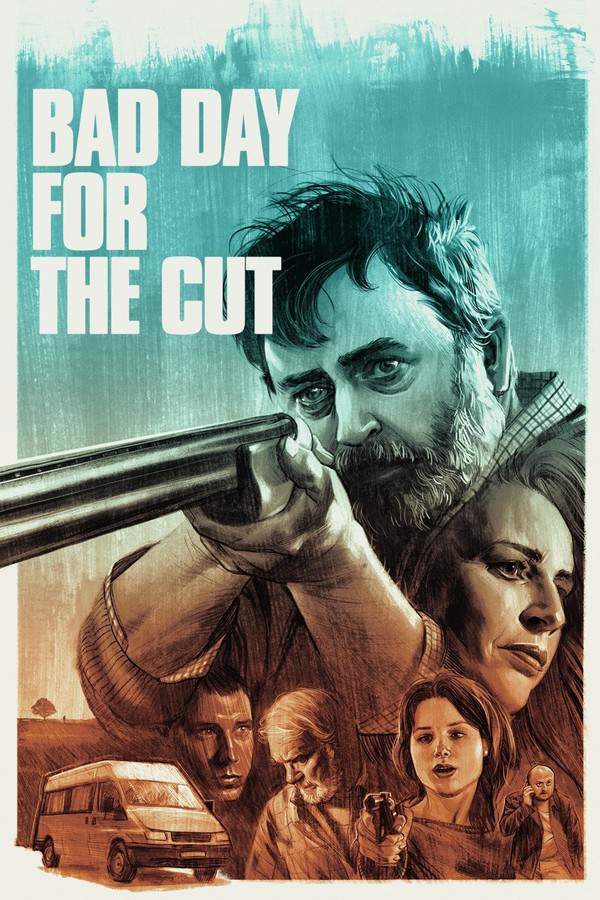
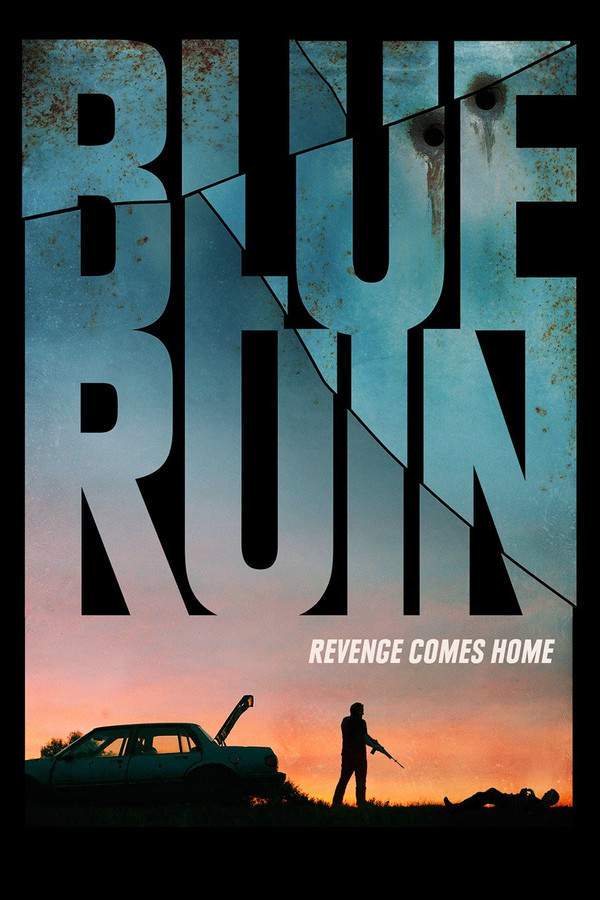
Revenge thrillers with moral decay like in This Man Must Die

Obsessive quests for vengeance that consume the seeker. If you liked the grim, methodical revenge plot of This Man Must Die, you'll find similar movies here. These stories focus on characters consumed by vengeance, leading to suspenseful investigations, moral conflict, and bleak outcomes. They are dark, emotionally heavy thrillers about the price of retribution.

  • vengeful
  • obsessive
  • morally conflicted
  • suspenseful
  • somber
  • grieving
  • Tone: dark, bleak
  • Pacing: steady, methodical
Why these movies?

The story pattern: The narrative follows a protagonist who, after a profound personal loss, embarks on a calculated and obsessive mission for revenge. This journey often involves infiltration, deception, and a gradual moral collapse, culminating in an ending where the revenge is achieved but at a great personal cost, leaving the protagonist hollow or destroyed.

Why they belong together: These films are grouped together because they share a central focus on the psychological and moral toll of revenge. They feature high emotional weight, a dark tone, and a steady, deliberate pacing that builds suspense. The experience is defined by a somber, morally conflicted mood and a bleak perspective on justice.
Somber investigative thrillers like This Man Must Die

Slow-burning suspense fueled by personal tragedy and a quest for answers. For viewers who appreciated the somber, investigative pace of This Man Must Die, this section features similar movies. These are steady-paced dramas and thrillers where a character's grief propels a meticulous search for truth or justice, creating a heavy, suspenseful atmosphere without relying on fast-paced action.

  • grieving
  • methodical
  • somber
  • suspenseful
  • investigative
  • morally ambiguous
  • Tone: somber, dark, suspenseful
  • Pacing: steady, deliberate
Why these movies?

The story pattern: The story is driven by a catalyst of profound grief, which sets a seemingly ordinary person on a path of quiet, determined investigation. The narrative unfolds with careful, procedural steps as the protagonist gathers clues and infiltrates lives, building suspense through tension and deception rather than overt action, all while carrying the heavy emotional burden of their loss.

Why they belong together: These movies share a specific mood mix of somber grief and methodical suspense. They are characterized by a steady pacing that allows the emotional weight to settle, a high intensity derived from the protagonist's unwavering focus, and a dark tone that explores the intersection of personal tragedy and the pursuit of a dark truth.

If you liked this

Movies Like This Man Must Die

Similar movies to This Man Must Die: the same genre, themes or kind of story. Each one comes with its own plot summary, timeline and ending explained.

Browse all movie summaries

Every angle

This Man Must Die (1969) Explained: Plot, Timeline & Characters

Everything about This Man Must Die in one place: what happens in the plot summary, the timeline in chronological order, the characters and meaning and a spoiler-free summary. What's After the Movie adds the cast, box office and post-credit scenes.

Coming soon on iOS and Android

The Plot Explained Movie Summary App

Plot summaries, endings explained and timelines on your phone. Catch up on any movie in minutes, save your favorites and never miss a twist again.

Be the first to know when we launch. Your email stays private, always.

Learn more about the app