Plot Explained Spoilers guaranteed!
Plot Explained

Browse by genre

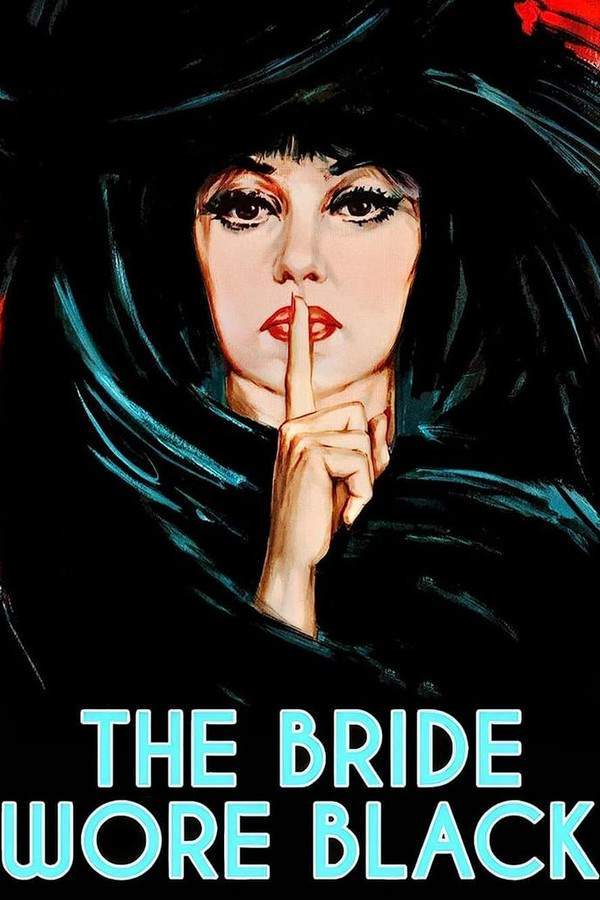
The Bride Wore Black (1968) movie poster

Plot Summary

The Bride Wore Black (1968) Plot Summary Explained

Release, runtime and language
1968 · 107 mins · French
Directed by
François Truffaut
Starring
Jeanne Moreau, Michael Lonsdale, Charles Denner, Claude Rich, Michel Bouquet, Van Doude

After witnessing a brutal attack on her wedding day, she returns as a grieving widow, haunted by the same fate. Julie Kohler, rescued from a suicide attempt by her mother, abandons her hometown and sets out to hunt down five unsuspecting men. She intends to charm and eliminate each of them, though the reasons behind her lethal quest remain a mystery.

On this page (5)
  1. 1 What happens: full plot
  2. 2 Plot questions answered
  3. 3 Movie threads
  4. 4 Movies like The Bride Wore Black
  5. 5 Every angle

Full plot summary · contains spoilers

What Happens in The Bride Wore Black: Full Plot Summary

The whole story of The Bride Wore Black (1968) explained, from the opening scene to the final frame: every key event, every twist and what it all adds up to. Read it as a quick recap before the sequel, to check a scene you missed, or to finally understand what really happened.

Julie Kohler Jeanne Moreau attempts suicide by leaping from an upstairs window, but is stopped by her mother. After packing her clothes and a substantial sum of money, Julie says goodbye to her mother and leaves on a journey.

On the French Riviera, Bliss Claude Rich, a reformed womanizer, draws Julie in as she attends his engagement party at a high-rise apartment. He is instantly intrigued by her, and Julie lures him onto the balcony, dropping her scarf onto the awning support pole and convincing him to retrieve it in exchange for revealing her identity. As he climbs over the balcony, she tells him her name and pushes him to his death before she flees.

Julie’s next target is Robert Coral Michel Bouquet, a lonely bachelor. She persuades him to attend a classical music concert and agrees to meet the following night. Before their rendezvous, Julie buys a bottle of arak and injects it with poison. When she meets Coral at his studio apartment, she serves him the drink and reveals her identity. A flashback shows that the groom at a church wedding—Julie’s late husband—was shot to death; Coral insists it was an accident and pleads for his life before dying.

The next target is Clément Morane Michael Lonsdale, a would-be politician. After following his wife and young son, Cookie, to their suburban home, Julie befriends Cookie and tricks the wife into leaving with a fake telegram claiming that her mother is ill. Julie poses as Miss Becker Alexandra Stewart, a teacher, and offers to cook dinner for Morane and his son. She plays hide-and-seek with Cookie, discovers a small cupboard under a staircase, and later locks Morane inside to reveal her true identity. He pleads that what happened was an accident.

Another flashback reveals Julie’s husband was killed by Delvaux Daniel Boulanger, a member of an informal hunting club that also included Bliss, Coral, Morane and Fergus. After the rifle incident near the church, the men go their separate ways, swearing not to reveal their involvement. Remorseless, Julie seals the cupboard door and Morane suffocates. The real Miss Becker is arrested after Cookie tells the police that she killed his father, but Julie exonerates her with an anonymous call, claiming responsibility for the murder.

Julie waits in Delvaux’s junkyard, planning to kill him with a handgun, but he is arrested by the police for selling stolen cars. She then pursues Fergus Charles Denner, a womanizing artist, who becomes her model for a series of hunting-themed illustrations depicting the huntress Diana. He confesses his feelings for her, but she rebuffs him and eventually shoots him in the back. After discovering a full-length nude mural of her on Fergus’s wall, she contemplates painting over it but leaves it as is.

At Fergus’s funeral, Corey Jean-Claude Brialy recognizes Julie, a longtime acquaintance of Bliss and Fergus who had met her at Bliss’s engagement party. At the police station, she coldly confesses to murdering the four men, but refuses to disclose her motives. Julie is sent to the same prison as Delvaux, where, while helping the matrons serve meals, she hides a kitchen knife and uses it to stab Delvaux off-screen.


Last updated: October 09, 2025 at 10:47

Was this helpful?

Plot questions answered

The Bride Wore Black Plot Explained: Your Questions Answered

The questions people ask most about The Bride Wore Black (1968): what happens in the confusing scenes, why the characters do what they do, the twists, hidden details and what the ending means. Each answer contains spoilers.

Q1

Why is Julie hunting down these five men?

Julie hunts the five men because they were all members of an informal hunting club that was present when her husband was killed on their wedding day. Though Delvaux fired the fatal shot, all five men were responsible for the reckless behavior that led to the accident, and they conspired to hide their involvement by swearing not to reveal what happened.

Foreshadowing: The opening scene establishes Julie's suicide attempt immediately after the wedding-day tragedy, establishing the depth of her grief and obsession.

  • revenge
  • hunting club
  • wedding day
  • murder
  • vendetta
Q2

What happened to Julie's husband on their wedding day?

Julie’s husband was shot to death by Delvaux during a rifle accident outside the church right after the wedding ceremony. The flashback reveals Delvaux was handling a rifle carelessly, and the shot killed the groom. The men present, Delvaux, Bliss, Coral, Morane, and Fergus, swore to keep their involvement secret.

  • groom
  • shot
  • wedding
  • church
  • accident
  • rifle
Q3

What is the hunting club and why are all five men responsible?

The hunting club was an informal group of men who hunted together. Though only Delvaux fired the shot that killed Julie’s husband, the other four men, Bliss, Coral, Morane, and Fergus, were present and complicit in the cover-up. Julie holds all five accountable because they collectively chose secrecy over accountability, allowing the killer to go unpunished.

  • hunting club
  • delvaux
  • cover-up
  • accountability
  • conspiracy
Q4

How does Julie kill Bliss on the balcony?

Julie attends Bliss’s engagement party on the French Riviera and lures him onto the balcony by dropping her scarf on the awning support pole. She asks him to retrieve it in exchange for revealing her identity. When he climbs over the balcony, she tells him her name and pushes him to his death.

  • bliss
  • balcony
  • push
  • fall
  • engagement party
  • french riviera
Q5

How does Julie poison Robert Coral?

Julie buys a bottle of arak and uses a syringe to inject poison into it before meeting Coral at his studio apartment. After serving him the tainted drink, she reveals her identity as he collapses and dies, while a flashback shows her husband’s death at the church.

  • coral
  • arak
  • poison
  • syringe
  • concert
  • studio
Q6

Why does Julie trap Clément Morane in the cupboard?

Julie poses as Miss Becker, the teacher, and gains access to Morane’s home. When Morane crawls into a small cupboard under the stairs to search for Cookie’s lost ring, Julie locks him inside and seals the door with duct tape, leaving him to suffocate. She reveals her identity as he pleads that the shooting was an accident.

Foreshadowing: Earlier, Julie discovers the cupboard while playing hide-and-seek with Cookie, planting the idea for the murder method.

  • morane
  • cupboard
  • suffocate
  • miss becker
  • cookie
  • duct tape
Q7

Why does Julie exonerate the real Miss Becker?

After Cookie tells police that Miss Becker killed his father, the innocent teacher is arrested. Julie makes an anonymous phone call to police claiming responsibility for the murder, exonerating Miss Becker. This demonstrates Julie’s ability to manipulate the narrative, she controls when she is identified and when she remains hidden.

  • miss becker
  • cookie
  • arrest
  • anonymous call
  • exonerate
Q8

Why does Julie confess to the murders but refuse to explain her motives?

Julie confesses to killing the four men at the police station but refuses to disclose her motives, remaining cold and controlled during the interrogation. This choice reflects her view that the men deserved to die regardless of whether society understands or approves, she does not seek validation, only vengeance.

  • confession
  • motive
  • police
  • refuse
  • interrogation
Q9

Why does Julie allow herself to be sent to the same prison as Delvaux?

Julie deliberately confesses to the murders, knowing she would be imprisoned alongside Delvaux. While helping the matrons serve meals in the prison kitchen, she hides a knife and uses it to stab Delvaux off-screen, completing her revenge against the man who actually fired the shot that killed her husband.

Foreshadowing: Julie initially waits at Delvaux’s junkyard with a handgun to kill him, but his arrest for selling stolen cars forces her to find another way.

  • delvaux
  • prison
  • knife
  • stab
  • final act
  • revenge
Q10

Why does Julie leave the nude mural of herself on Fergus’s wall?

After killing Fergus, Julie discovers a full-length nude mural of herself in his studio, part of her hunting-themed illustrations depicting the huntress Diana. She contemplates painting over it but ultimately leaves it intact, perhaps acknowledging that the image represents how she chose to present herself to him or accepting this final artifact of her deception.

  • fergus
  • mural
  • nude
  • diana
  • huntress
  • painting

Movie threads

More Movies Like The Bride Wore Black, by Mood & Story

Curated lists built around what makes The Bride Wore Black tick: the same mood, the same kind of story or the same emotional payoff. Each list explains why these movies belong together.

Methodical female revenge thrillers like The Bride Wore Black

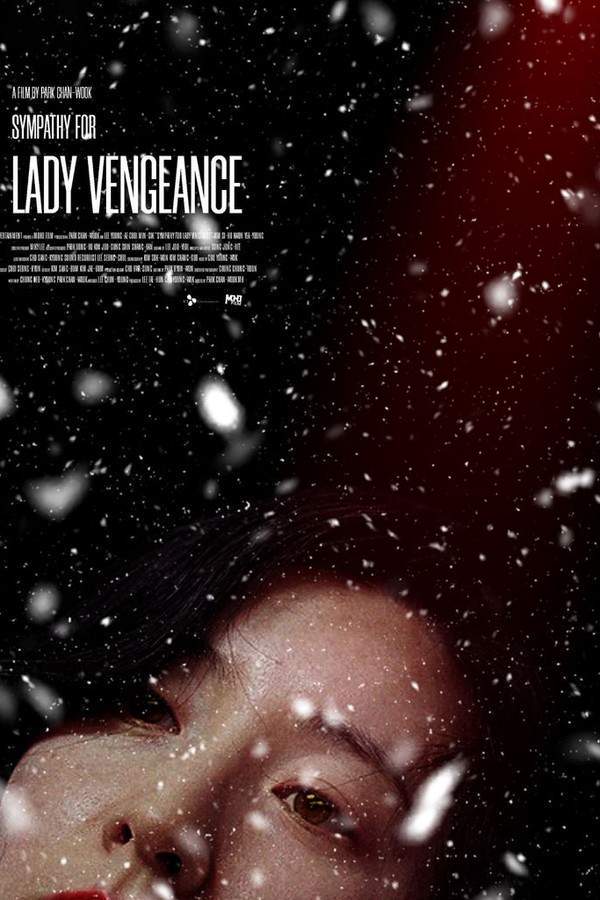
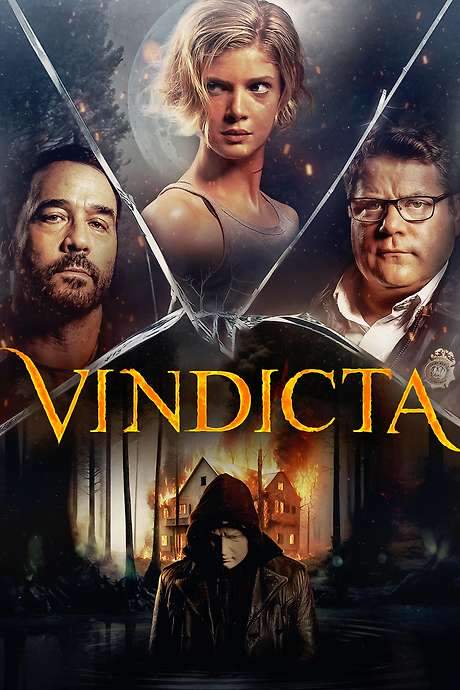
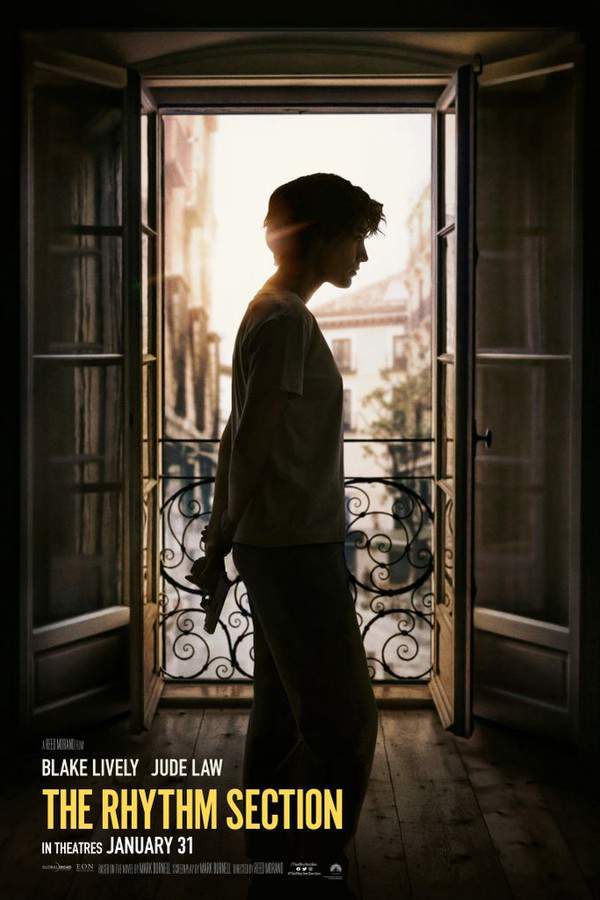
Stories of women executing cold, calculated plans for vengeance. Explore movies like 'The Bride Wore Black' featuring women who take justice into their own hands. If you enjoyed Julie Kohler's cold, calculated revenge mission, you'll find similar stories of meticulous planning, psychological transformation, and atmospheric suspense in these films.

  • revenge-driven
  • methodical
  • cold
  • suspenseful
  • tense
  • atmospheric
  • Tone: dark, suspenseful, fatalistic
  • Pacing: steady, methodical
Why these movies?

The story pattern: The narrative typically follows a linear or episodic structure, where the protagonist methodically targets those responsible for a past trauma. The journey is less about explosive action and more about strategic execution, building tension with each step. The focus is on the character's internal transformation and the cold, relentless pursuit of their goal, often leading to a morally complex or bleak conclusion.

Why they belong together: These movies are grouped together by their shared core premise of a female-led revenge plot, emphasizing calculation over chaos. They share a dark, suspenseful tone, a steady pacing that builds dread, and a heavy emotional weight stemming from trauma. The experience is defined by a cold, atmospheric tension and a focus on the psychological cost of vengeance.

Bleak and fatalistic crime dramas like The Bride Wore Black

Grim stories where characters are trapped by fate and their own despair. Find movies similar to 'The Bride Wore Black' that explore dark criminal underworlds and tragic character arcs. If you appreciated the film's melancholic atmosphere, heavy emotional weight, and bleak ending, you'll discover other crime dramas with a strong sense of fate, psychological trauma, and moral ambiguity.

  • bleak
  • fatalistic
  • melancholic
  • tense
  • atmospheric
  • grief-stricken
  • Tone: dark, bleak, melancholic
  • Pacing: steady, atmospheric
Why these movies?

The story pattern: Stories in this thread often follow a spiral of violence or a quest born from profound loss, where the protagonist's actions are shadowed by a sense of predestined tragedy. The plot unravels with a steady, often deliberate pace, building an atmosphere of mounting dread. The journey is characterized by moral compromises, psychological unraveling, and an ending that reinforces the futility or high cost of the central conflict.

Why they belong together: These films are united by their uniformly dark tone, heavy emotional weight, and bleak conclusions. They share a melancholic, often neo-noir atmosphere and explore themes of fate, grief, and irreversible consequences. The viewing experience is intense and suspenseful, leaving a lasting impression of despair and the inescapable nature of tragedy.

If you liked this

Movies Like The Bride Wore Black

Similar movies to The Bride Wore Black: the same genre, themes or kind of story. Each one comes with its own plot summary, timeline and ending explained.

Browse all movie summaries

Every angle

The Bride Wore Black (1968) Explained: Plot, Timeline & Characters

Everything about The Bride Wore Black in one place: what happens in the plot summary, the timeline in chronological order, the characters and meaning and a spoiler-free summary. What's After the Movie adds the cast, box office and post-credit scenes.

Coming soon on iOS and Android

The Plot Explained Movie Summary App

Plot summaries, endings explained and timelines on your phone. Catch up on any movie in minutes, save your favorites and never miss a twist again.

Be the first to know when we launch. Your email stays private, always.

Learn more about the app