Plot Explained Spoilers guaranteed!
Plot Explained

Browse by genre

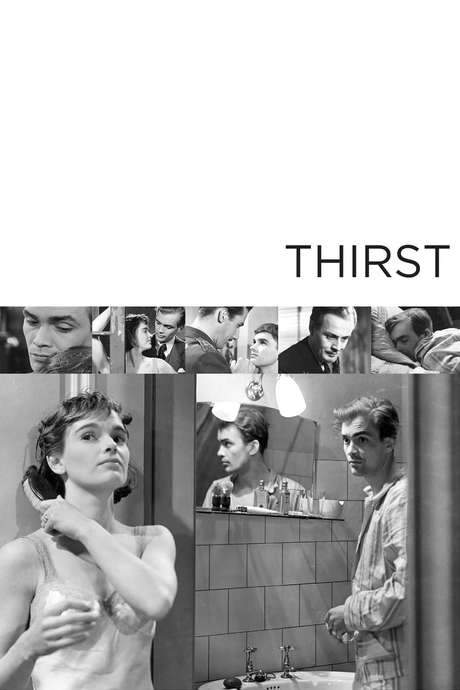
Thirst (2009) movie poster

Characters & Themes

Thirst (2009) Characters, Setting & Themes Explained

Release, runtime and language
2009 · 133 min · Icelandic
Loading streaming availability…
Directed by
Chan-wook Park
Starring
Kang-ho Song, Ok-bin Kim

A dedicated priest volunteers for a clinical trial to combat a mysterious virus, but a tainted blood transfusion unexpectedly transforms him into a vampire. Now grappling with an insatiable thirst and a descent into darkness, Sang-hyun struggles to maintain his faith while confronting the Seven Deadly Sins. He must reconcile his former life with his new, cursed existence and find a way to navigate the terrifying consequences of his transformation.

On this page (10)
  1. 1 Where to watch
  2. 2 Characters explained (2)
  3. 3 Character relationship map
  4. 4 Where & when it takes place
  5. 5 Themes & meaning (3)
  6. 6 Character & meaning questions
  7. 7 The book behind the movie
  8. 8 Movie threads
  9. 9 Movies like Thirst
  10. 10 Every angle
Loading streaming availability…

2 main characters · contains spoilers

Thirst Characters Explained: Who Is Who

The main characters of Thirst (2009), heroes and villains: what drives them, how they change over the course of the story and what each of them reveals about the film's bigger ideas.

  • Sang-hyun

    played by Kang-ho Song

    Sang-hyun is a devoted priest who embodies selflessness and faith, yet finds himself entangled in a web of dark desires after becoming a vampire. His character exhibits a deep internal conflict as he grapples with newfound cravings for blood and the moral implications of his forbidden romance. This struggle highlights the complexity of human nature and the challenges of maintaining one's convictions.

    • 🕊️ Priest
    • 🧛‍♂️ Vampire
    • 💔 Conflicted
  • Tae-ju

    played by Ok-bin Kim

    Tae-ju is the repressed wife of Sang-hyun's childhood friend, representing the longing for freedom from societal constraints. Her character evolution throughout the film showcases her desire to break free from her monotonous life and her increasing attraction to Sang-hyun. This relationship reflects her search for identity and happiness beyond her oppressive circumstances.

    • 🚪 Escapee
    • 🔥 Passionate
    • 💔 Trapped

Last updated: October 28, 2026 at 22:07

Was this helpful?

3 characters · 2 connections · contains spoilers

Thirst Character Relationship Map

Who is connected to whom in Thirst: family, love, friendships, rivalries and hidden ties, colour-coded. Pick a character to see their side of the story, or a connection to see what brings two characters together.

SSang-hyunKang-ho SongTTae-juOk-bin KimSCSang-hyun'schildhood friend

Last updated: October 28, 2026 at 22:07

Was this helpful?

Setting

Where and When Does Thirst Take Place?

The setting of Thirst (2009): the year and time period, the places and locations, and how they shape the characters, the mood and the tension of the story.

Time period

The film's events occur in a contemporary timeframe, yet it reflects timeless struggles with morality, desire, and the consequences of one's actions. The modern context accentuates the relevance of the themes explored in the story, even as it weaves in elements of vampiric mythology.

Location

small town

The movie primarily takes place in a small town, which symbolizes a place of familiarity and simplicity. This setting contrasts sharply with the turmoil that unfolds as Sang-hyun engages in his inner battle after the experiment. The town represents a mundane reality that Tae-ju seeks to escape from through her relationship with Sang-hyun.

  • 🏡 Town
  • 🚪 Escape
  • 🌌 Darkness

Last updated: October 28, 2026 at 22:07

Was this helpful?

3 major themes

Thirst Meaning: Themes & Message Explained

What is Thirst (2009) really about? The emotional, social and philosophical themes the film keeps returning to, its symbolism and the message beneath the surface.

  • Desire

    Desire drives the narrative as Sang-hyun struggles with his newfound cravings and his attraction to Tae-ju. Their affair highlights the tension between lust and morality, bringing forth the consequences of acting on one's forbidden impulses. This theme ultimately showcases the darkness that can emerge from unfulfilled longing.

  • Faith

    Sang-hyun's journey explores the conflict between faith and sin, as he grapples with his identity as a priest and the bloodlust that overtakes him. His internal struggle reflects the broader question of what it means to maintain one's humanity in the face of overwhelming temptation, testing his beliefs and values.

  • Mortality

    The film delves into the themes of mortality and the consequences of seeking immortality. Sang-hyun's transformation into a vampire serves as a metaphor for the loss of humanity and the curse of eternal life, prompting viewers to consider the value of life and the sacrifices one may make to survive.

Last updated: October 28, 2026 at 22:07

Was this helpful?

Character & theme questions

Thirst Characters & Meaning: Your Questions Answered

The questions people ask about Thirst (2009): who the characters really are, their relationships, what the symbols mean, where it takes place and what the movie is really about. Each answer contains spoilers.

Q1

Where does the movie take place?

Thirst is set primarily in a small town, which serves as a symbolic space of familiarity and simplicity. This ordinary setting contrasts sharply with the internal turmoil Sang-hyun experiences after his transformation, creating a stark dichotomy between the mundane external world and his cursed inner reality.

  • setting
  • small town
  • location
  • symbolism
Q2

What time period is the film set in?

The film takes place in a contemporary, modern timeframe. While the story unfolds in the present day, it tackles timeless philosophical and theological struggles with morality, desire, and the consequences of one's actions, giving the narrative a sense of universality despite its modern setting.

  • time period
  • contemporary
  • modern era
  • timeless themes
Q3

What are the main themes explored in the film?

Thirst explores three central themes: Desire, which drives the forbidden romance between Sang-hyun and Tae-ju; Faith, representing the priest's struggle between his religious identity and his monstrous transformation; and Mortality, examining the loss of humanity through the vampire metaphor and questioning the value of eternal life.

  • themes
  • desire
  • faith
  • mortality
  • vampire symbolism
Q4

Who is Sang-hyun in the movie?

Sang-hyun is a dedicated priest who volunteers for a medical experiment to find a cure for a mysterious virus. After receiving a tainted blood transfusion, he transforms into a vampire and must grapple with his insatiable bloodlust, his fading faith, and his forbidden attraction to Tae-ju, representing the conflict between holiness and darkness.

  • Sang-hyun
  • priest
  • vampire
  • protagonist
  • character
Q5

Who is Tae-ju in the movie?

Tae-ju is the repressed wife of Sang-hyun's childhood friend, trapped in a monotonous life governed by societal expectations. Her character arc revolves around her yearning for freedom and self-identity, which draws her into a dangerous affair with Sang-hyun as she seeks escape from her oppressive circumstances.

  • Tae-ju
  • wife
  • character
  • freedom
  • desire
Q6

What does Sang-hyun's transformation into a vampire represent?

The transformation serves as a metaphor for the loss of humanity and the curse of eternal life. It symbolizes how seeking immortality or power can lead to damnation, stripping away one's identity and convictions. Sang-hyun's change from a selfless priest to a bloodthirsty creature represents the corruption of the soul.

  • vampire transformation
  • symbolism
  • mortality
  • immortality
  • damnation
Q7

How does the film explore faith versus sin?

Thirst presents Sang-hyun as a holy man whose vampiric nature forces him to confront the Seven Deadly Sins. His internal battle between maintaining his priestly convictions and succumbing to bloodlust and lust creates a profound theological conflict, questioning whether redemption is possible when one's very existence is tied to darkness.

  • faith
  • sin
  • priest
  • theology
  • seven deadly sins
  • temptation
Q8

How does desire drive the story's conflict?

Desire functions as the film's primary engine, manifesting in Sang-hyun's blood cravings and his forbidden attraction to Tae-ju. Their affair represents the tension between lust and morality, showing how unfulfilled longing and acting on forbidden impulses lead to devastating consequences for both characters.

  • desire
  • lust
  • affair
  • forbidden love
  • temptation
Q9

Why is the small town setting significant?

The small town symbolizes ordinary life and moral simplicity, standing in deliberate contrast to the extreme internal conflict Sang-hyun endures. This setting also represents the suffocating reality Tae-ju wishes to escape, highlighting how the characters' inner darkness exists within an outwardly normal, unremarkable environment.

  • small town
  • setting
  • symbolism
  • contrast
  • ordinary life
Q10

What is the tone and atmosphere of the film?

Thirst maintains a consistently dark and bleak tone, exploring themes of damnation, depravity, and the corruption of a sacred figure. The film offers little hope, instead presenting a relentless descent into moral and spiritual darkness through methodical pacing that emphasizes psychological turmoil over action.

  • tone
  • dark
  • bleak
  • atmosphere
  • mood
Q11

What makes Thirst different from typical vampire movies?

Unlike conventional vampire films focused on horror or romance, Thirst uses vampirism as a vehicle for philosophical and theological exploration. It delves deep into questions of faith, morality, and human nature rather than supernatural rules, presenting the vampire as a metaphor for spiritual damnation rather than a creature of legend.

  • vampire genre
  • different
  • unique
  • philosophy
  • theology

Movie threads

More Movies Like Thirst, by Mood & Story

Curated lists built around what makes Thirst tick: the same mood, the same kind of story or the same emotional payoff. Each list explains why these movies belong together.

Movies about damned clergy and cursed faith like Thirst

Stories where religious figures succumb to monstrous temptation and moral decay. If you enjoyed the spiritual turmoil in Thirst, this list features similar movies about holy figures grappling with monstrous transformations. Discover other tense, dramatic stories where priests and nuns face vampirism, demonic possession, or profound sin, leading to a dark exploration of faith and damnation.

  • tormented
  • existential dread
  • melancholic
  • oppressive
  • religious crisis
  • gothic
  • Tone: dark, tormented, bleak
  • Pacing: steady, character-driven
Why these movies?

The story pattern: The narrative typically follows a pious individual who undergoes a physical or spiritual transformation that pits their divine calling against a new, monstrous nature. The central conflict is internal, a battle for a soul being slowly corrupted. The story arc is a steady, inevitable descent into darkness, where the character's struggle often ends in tragedy or a bleak acceptance of their damnation.

Why they belong together: These films are grouped by their shared focus on the corruption of religious innocence. They blend horror and drama to examine themes of sin, faith, and sacrifice, often with a dark tone, high emotional weight, and a steady pacing that allows for deep character study. The similarity lies in the visceral, tormented journey of a spiritual leader losing their battle against darkness.


Sensual body horror and existential vampire movies like Thirst

Horror stories where physical desire and monstrous transformation are intertwined. For viewers who liked the visceral, carnal horror of Thirst, this section finds similar movies blending sensuality with monstrous transformation. Explore films where vampirism or other bodily horrors create a mood of existential dread and forbidden desire, often with a steady pace and heavy emotional impact.

  • sensual
  • carnal
  • haunting
  • oppressive
  • body horror
  • existential dread
  • Tone: dark, sensual, melancholic
  • Pacing: steady, deliberate
Why these movies?

The story pattern: The narratives in this thread fuse body horror with themes of forbidden romance and existential questioning. The protagonist's transformation is a source of both terror and addictive pleasure, leading to a desperate internal conflict. The plot unfolds with a steady, deliberate pace, focusing on the psychological unraveling and moral compromises that come with embracing a new, monstrous nature.

Why they belong together: These movies share a unique blend of visceral horror and sensual atmosphere. They are united by a mood that is haunting, oppressive, and deeply concerned with the physical and philosophical consequences of desire. The similarity is in the tone—dark, heavy, and unflinching—and the focus on how monstrous change corrupts both the body and the soul.

If you liked this

Movies Like Thirst

Similar movies to Thirst: the same genre, themes or kind of story. Each one comes with its own plot summary, timeline and ending explained.

Browse all movie summaries

Every angle

Thirst (2009) Explained: Plot, Timeline & Characters

Everything about Thirst in one place: what happens in the plot summary, the timeline in chronological order, the characters and meaning and a spoiler-free summary. What's After the Movie adds the cast, box office and post-credit scenes.

Coming soon on iOS and Android

The Plot Explained Movie Summary App

Plot summaries, endings explained and timelines on your phone. Catch up on any movie in minutes, save your favorites and never miss a twist again.

Be the first to know when we launch. Your email stays private, always.

Learn more about the app