Plot Explained Spoilers guaranteed!
Plot Explained

Browse by genre

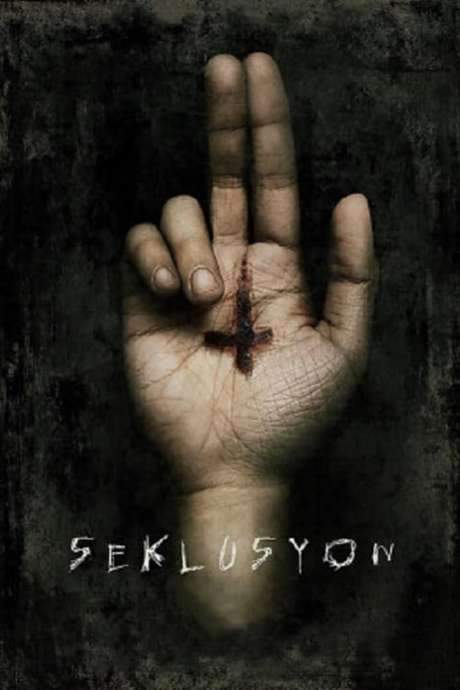
Seklusyon (2016) movie poster

Plot Summary

Seklusyon (2016) Plot Summary Explained

Release, runtime and language
2016 · 90 mins · Tagalog
Directed by
Erik Matti
Starring
Lou Veloso, Jerry O'Hara, Neil Ryan Sese, Dominic Roque, Rhed Bustamante, Elora Españo

In 1947, aspiring priests are sent to a secluded convent for the final day of their training, intended to protect them from worldly evils. Their seclusion is disrupted by the arrival of a mysterious young girl. As they grapple with intense spiritual trials and temptations, the priests must determine whether she is a divine messenger or an agent of darkness. Their faith and resolve are tested as they confront the potential influence of the devil.

On this page (5)
  1. 1 What happens: full plot
  2. 2 Plot questions answered
  3. 3 Movie threads
  4. 4 Movies like Seklusyon
  5. 5 Every angle

Full plot summary · contains spoilers

What Happens in Seklusyon: Full Plot Summary

The whole story of Seklusyon (2016) explained, from the opening scene to the final frame: every key event, every twist and what it all adds up to. Read it as a quick recap before the sequel, to check a scene you missed, or to finally understand what really happened.

In 1947, Padre Ricardo arrives at a crowded marketplace to investigate a string of miraculous healings performed by a mysterious child named Anghela Sta. Ana, Rhed Bustamante whose touch seems to bend reality, aided by a mysterious nun, Phoebe Walker as Sister Cecilia. Ricardo becomes uneasy as each healing is followed by a black liquid dripping from Anghela's mouth. Miguel, Ronnie Alonte, a deacon, travels to a nearby monastery where he meets Sandoval, a former priest who was excommunicated. Sandoval explains an old ecclesiastical custom: temporary deacons are secluded at the end of their training, a seven-day window believed to leave them especially vulnerable to demonic influence. During this period, Miguel encounters his fellow deacons—Carlo, Fabián, Dominic Roque, and Marco.

Inside a church, Padre Ricardo confronts a bloodied Anghela, discovering that her parents were murdered. The local bishop orders Anghela and Sister Cecilia to be housed among the secluded deacons, despite Ricardo's protests, but allows the investigation to continue. Sandoval initially resists the arrangement, warning it could disturb the deacons’ training, but he finally yields when the bishop reiterates the directive. Anghela uses her powers to restore bread that had spoiled and to turn tap water into wine; the deacons marvel at her miracles, though Miguel remains skeptical.

Nightmares plague the trainees, each reflecting a sin: Marco's gluttony that contributed to his siblings' deaths in the war-torn era, Fabián's reason for joining the priesthood as a flight from an abusive mother, and Miguel's torment by the ghostly visitation of his dead former lover, Erina, staged as a grotesque version of Our Lady of Sorrows. One night, Anghela seeks Sandoval in the kitchen for sustenance and later discusses his excommunication; she convinces him of his innocence, and he departs the next morning, leaving the deacons in Anghela's care.

Padre Ricardo returns to a convent to question the Mother Superior about Sister Cecilia. Despite the Mother Superior's rudeness, she provides Cecilia's records but warns Ricardo to stop investigating and never return. The documents reveal Cecilia's war-time trauma—she was gang-raped and left with a burned face; Anghela later heals those scars. The records also show Anghela's orphaned origins and adoption, and a startling note where the name NgaHela appears, an anagram of Anghela, said to be the Devil incarnate. The documents imply Anghela’s healing and miraculous powers derive not from God but from malevolent forces. When Ricardo tries to warn the bishop, Sandoval bursts in and shoots the bishop dead, announcing Anghela's whereabouts and that she awaits Ricardo.

As the deacons complete their training, Anghela persuades them to redeem their sins by indulging their vices, sometimes using Cecilia as a pawn. Marco succumbs to gluttony; Fabián, Dominic Roque, reveals his abusive tendencies; Carlo is shown as a pedophile. In a Black Mass conducted in the monastery chapel, Miguel tries to persuade the others to distrust Anghela; he denounces her as a false prophet and flees, with Anghela, Cecilia, and the three deacons in pursuit through the woods. A chase ends with Miguel unconscious after a fall; a flashback reveals his heartbreak over Erina, who had become pregnant but, betrayed, hanged herself after giving birth. Anghela tends to Miguel’s head wound and the revelation hits him—she is his daughter.

Back in the chapel, Anghela resumes her satanic rite while the four deacons drink from a chalice filled with the ominous black liquid. Miguel drinks, yet his doubt lingers. Padre Ricardo confronts Anghela again, attempting an exorcism, only to be incinerated by her powers. Miguel seizes Anghela away, taking her to the chapel and barricading the door. There, Anghela reveals herself as NgaHela, the demon plotting to seize control of the Catholic Church; those she has healed are now her followers. Cecilia and the deacons press against the barricaded door, but Miguel drives a knife into Anghela, and black liquid pours from her mouth as she dies. Miguel escapes, vanishing from sight.

The film closes with Fabián, Carlo, and Marco being ordained by a new bishop who remains unaware that their ordination was not to God but to the Devil.
Last updated: October 03, 2025 at 06:47

Was this helpful?

Plot questions answered

Seklusyon Plot Explained: Your Questions Answered

The questions people ask most about Seklusyon (2016): what happens in the confusing scenes, why the characters do what they do, the twists, hidden details and what the ending means. Each answer contains spoilers.

Q1

Why was Anghela placed with the deacons during their training

The local bishop ordered Anghela and Sister Cecilia to be housed among the secluded deacons despite Padre Ricardo's protests. The bishop claimed it was to continue the investigation into Anghela's miraculous powers, but this placement proved catastrophic as the seven-day seclusion period left the deacons especially vulnerable to demonic influence.

Foreshadowing: Earlier, Sandoval explains that temporary deacons are secluded at the end of their training because this seven-day window leaves them especially vulnerable to demonic influence.

  • anghela
  • deacons
  • bishop
  • seclusion
  • training
  • monastery
Q2

What is the black liquid that drips from Anghela's mouth

The black liquid is revealed to be demonic in nature. It appears after each healing and later pours from Anghela's mouth when she dies, confirming her powers come from malevolent forces rather than divine grace. The documents at the convent note that Anghela (NgaHela) is the Devil incarnate, and her healing powers derive from evil.

Foreshadowing: Padre Ricardo becomes uneasy watching each healing followed by the black liquid dripping from Anghela's mouth, sensing something was wrong.

  • black liquid
  • healing
  • demon
  • demonic powers
  • anghela
Q3

How is Miguel related to Anghela

Miguel is Anghela's father. After he falls unconscious during the chase through the woods, a flashback reveals his past with Erina, his former lover who became pregnant, was betrayed, and hanged herself after giving birth. Anghela tends to Miguel's wound and the revelation hits him, she is his daughter.

Foreshadowing: Miguel is tormented throughout the film by a ghostly visitation of Erina, staged as a grotesque version of Our Lady of Sorrows.

  • miguel
  • anghela
  • father
  • daughter
  • erina
  • paternity
Q4

Why did each deacon succumb to their sins during training

Anghela exploited each deacon's weakness by persuading them to 'redeem their sins' through indulging their vices. Marco gave in to gluttony (which contributed to his siblings' deaths in the war), Fabián revealed abusive tendencies he had hidden, and Carlo was shown to be a pedophile. This corruption was part of Anghela's plan to weaken their faith and make them susceptible to demonic influence.

Foreshadowing: Nightmares plague the trainees early on, each reflecting their specific sin: Marco's gluttony, Fabián's flight from an abusive mother, and Miguel's torment by his dead lover.

  • deacons
  • sins
  • marco
  • fabian
  • carlo
  • corruption
  • anghela
Q5

Who is NgaHela in Seklusyon

NgaHela is the true identity of Anghela, her name is an anagram. The convent records contain a startling note stating that NgaHela is the Devil incarnate. In the climax, Anghela reveals herself as NgaHela, a demon plotting to seize control of the Catholic Church by corrupting the priests from within.

Foreshadowing: The documents at the convent reveal the name NgaHela (anagram of Anghela) with a warning that she is the Devil incarnate.

  • ngahela
  • anghela
  • demon
  • devil
  • satan
  • incarnate
Q6

What happens to Padre Ricardo in Seklusyon

Padre Ricardo attempts to perform an exorcism on Anghela in the chapel, but she incinerates him with her demonic powers. He is killed while trying to stop the demonic ritual, becoming one of the film's violent victims.

Foreshadowing: Ricardo had been investigating Anghela throughout the film, increasingly convinced her powers came from evil rather than God.

  • padre ricardo
  • exorcism
  • killed
  • incinerated
  • death
Q7

Why does Sandoval kill the bishop

After Ricardo obtains the convent records revealing Anghela's true demonic nature and attempts to warn the bishop, Sandoval bursts in and shoots the bishop dead. He then announces Anghela's whereabouts and that she awaits Ricardo. This act confirms Sandoval has been working with Anghela all along and eliminates the bishop as an obstacle.

Foreshadowing: Earlier, Anghela had convinced Sandoval of his innocence regarding his excommunication, and he departed the monastery leaving the deacons in her care.

  • sandoval
  • bishop
  • killed
  • shooting
  • murder
  • excommunicated
Q8

What does the ending of Seklusyon mean

The film ends with Fabián, Carlo, and Marco being ordained as priests by a new bishop who remains unaware that their ordination was not to God but to the Devil. This bleak ending signifies that Anghela (NgaHela) has successfully infiltrated the Catholic Church, the three corrupted deacons are now positioned within the church as her followers, representing evil's victory.

Foreshadowing: Anghela reveals during the final confrontation that those she has healed are now her followers.

  • ending
  • ordination
  • devil
  • fabian
  • carlo
  • marco
  • bishop
  • church
  • corruption
Q9

What is Sister Cecilia's role in Seklusyon

Sister Cecilia aids Anghela throughout the film, assisting with her miracles at the marketplace. She was gang-raped during the war and left with a burned face, which Anghela later heals. The records reveal this trauma, and Anghela uses Cecilia as a pawn to manipulate the deacons. She participates in the Black Mass and helps pursue Miguel through the woods.

Foreshadowing: The Mother Superior warns Ricardo to stop investigating and never return when he questions about Cecilia.

  • sister cecilia
  • nun
  • anghela
  • trauma
  • war
  • healing
  • pawn
Q10

Why is Miguel the only one who resists Anghela

Miguel remains skeptical of Anghela from the beginning despite the other deacons being marveled by her miracles. His skepticism stems from his tormented conscience over his dead lover Erina and the guilt he carries. When he finally drinks from the chalice during the Black Mass, his doubt still lingers. Ultimately, he is the one who drives a knife into Anghela, killing her and escaping, though he vanishes afterward, possibly because he is Anghela's father and therefore uniquely positioned to harm her.

Foreshadowing: Miguel is the only deacon who continues to distrust Anghela, even urging the others to distrust her during the Black Mass.

  • miguel
  • resist
  • anghela
  • doubt
  • skepticism
  • father
  • escape

Movie threads

More Movies Like Seklusyon, by Mood & Story

Curated lists built around what makes Seklusyon tick: the same mood, the same kind of story or the same emotional payoff. Each list explains why these movies belong together.

Movies about claustrophobic religious horror like Seklusyon

Stories where holy sanctuaries become traps for psychological and spiritual battles. If you liked the oppressive dread of Seklusyon, explore more movies like it where faith is tested in isolated settings. These similar religious horror stories feature psychological torture, demonic threats, and the systemic corruption of belief, creating a deeply unsettling viewing experience for fans of the genre.

  • demonic
  • oppressive
  • claustrophobic
  • spiritually intense
  • unsettling
  • sinister
  • Tone: dark, oppressive, bleak
  • Pacing: steady, building dread
Why these movies?

The story pattern: The narrative typically follows a group or individual within a secluded religious environment, such as a convent or monastery, who initially seek sanctuary but instead confront a malevolent force that exploits their sins and weaknesses. The story unfolds as a steady, psychological siege where the boundaries between divine trial and demonic attack blur, often culminating in a bleak victory for the forces of corruption.

Why they belong together: These films are grouped by their shared focus on the horror inherent within religious institutions, the intense psychological pressure on characters of faith, and the oppressive, claustrophobic atmosphere. They blend themes of temptation, sin, and the fragility of belief against a backdrop of unwavering darkness.

Slow burn demonic horror movies like Seklusyon

A steady, unnerving build of dread that culminates in full-blown supernatural horror. For viewers who appreciated the steady, dread-filled pacing of Seklusyon, this list features similar slow burn horror movies. These films focus on a gradual escalation of supernatural evil, psychological torment, and a pervasive sense of dread, perfect for fans of methodical and atmospherically intense horror stories.

  • slow burn
  • sinister
  • nightmarish
  • demonic dread
  • unsettling
  • psychologically intense
  • Tone: dark, tense, nightmarish
  • Pacing: steady, slow burn
Why these movies?

The story pattern: Stories in this thread begin with a relatively calm state that is incrementally eroded by strange occurrences and psychological unease. The plot avoids jump scares in favor of a building tension, investigating the source of the evil before erupting into a climactic, often devastating, confrontation. The journey is a linear descent from order into chaos and nightmare.

Why they belong together: These movies are united by their deliberate pacing and focus on atmospheric dread over fast-paced action. They share a common structure of investigation and escalation, a dark and serious tone, and a high-intensity payoff that feels earned by the patient buildup of sinister details and psychological pressure.

If you liked this

Movies Like Seklusyon

Similar movies to Seklusyon: the same genre, themes or kind of story. Each one comes with its own plot summary, timeline and ending explained.

Browse all movie summaries

Every angle

Seklusyon (2016) Explained: Plot, Timeline & Characters

Everything about Seklusyon in one place: what happens in the plot summary, the timeline in chronological order, the characters and meaning and a spoiler-free summary. What's After the Movie adds the cast, box office and post-credit scenes.

Coming soon on iOS and Android

The Plot Explained Movie Summary App

Plot summaries, endings explained and timelines on your phone. Catch up on any movie in minutes, save your favorites and never miss a twist again.

Be the first to know when we launch. Your email stays private, always.

Learn more about the app