Plot Explained Spoilers guaranteed!
Plot Explained

Browse by genre

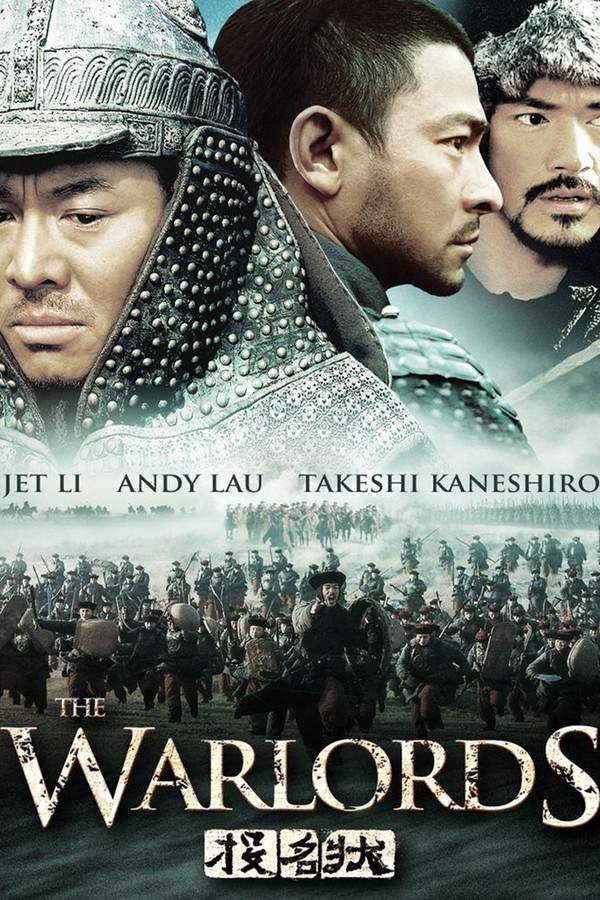
The Warlords (2007) movie poster

Timeline

The Warlords (2007) Timeline Explained – Every Event in Order

Release, runtime and language
2007 · 126 mins · Chinese
Directed by
Peter Chan
Starring
Jet Li, Andy Lau, Takeshi Kaneshiro, Jacky Heung, Xu Jinglei, Guo Xiaodong

Amid China’s devastating civil war, countless lives are shattered, including that of General Pang. After he is gravely wounded, a striking young woman and two other men rescue him. Bound by loyalty and revenge, the quartet swears to eliminate the rebel forces threatening their nation.

On this page (5)
  1. 1 Events in order (13)
  2. 2 Timeline questions answered
  3. 3 Movie threads
  4. 4 Movies like The Warlords
  5. 5 Every angle

13 events in order · contains spoilers

The Warlords Timeline: Events in Chronological Order

Every key event of The Warlords (2007) in order, scene by scene, with when and where it takes place. Use it to untangle flashbacks, time jumps and parallel storylines, to refresh your memory before the sequel or to find the exact scene you are thinking of.

  1. Pang survives the battle and meets the bandit leaders

    Pang Qingyun survives a brutal battle between imperial and rebel forces, emerging as the sole survivor. He meets Zhao Erhu and Jiang Wuyang, the leaders of a bandit gang based in a nearby village, and agrees to join their raids for food. This alliance marks the beginning of a fragile brotherhood and a new power dynamic.

    When
    1860s, Taiping Rebellion era
    Where
    Battlefield near the bandit village
  2. Imperial troops seize the raided supplies; Pang begins a secret affair

    That night, imperial troops arrive in the village and seize the raided supplies. Around this time, Pang begins a secret affair with Liansheng, Zhao's wife. The personal entanglement complicates loyalties within the group.

    When
    1860s
    Where
    Village
  3. Pang forms a militia and binds the trio with a blood oath

    With the villagers hungry, Pang convinces them to form a militia to support the imperial cause. The three men—Pang, Zhao, and Jiang—swear a blood oath and pledge lifelong brotherhood on the pain of death. The oath solidifies their bond and sets a grim code for their actions.

    When
    Early stage
    Where
    Nearby village
  4. Militia wins early victories; ambition turns toward Suzhou

    With minimal support from regular imperial forces, the militia scores a series of victories against the rebels. Pang's ambitions grow as he plans to attack the rebel-controlled city of Suzhou. The momentum broadens the scope of their operations.

    When
    Early-mid 1860s
    Where
    Frontlines toward Suzhou
  5. Imperial jealousy and the year-long Suzhou siege begins

    Pang's successes provoke jealousy among his imperial superiors, who withhold reinforcements and supplies. The siege of Suzhou begins and stretches for a year, during which the militia gradually runs out of food. The strain exposes fractures within their alliance.

    When
    During the Suzhou siege
    Where
    Suzhou vicinity
  6. Zhao infiltrates Suzhou and assassinates the commander under surrender terms

    Zhao disguises himself and infiltrates Suzhou to assassinate the rebel commander. The commander, already planning to surrender, allows Zhao to kill him on the condition that imperial forces spare rebels and civilians in the city. Pang learns of Zhao's clandestine deal with the rebels.

    When
    During the siege
    Where
    Suzhou, inside the city
  7. Limited supplies spark a fierce dispute and Zhao is chained

    Pang procures ten days' worth of supplies from a rival imperial commander. When he learns Zhao has made a deal with the rebels, Pang refuses to honor it, arguing the limited supplies cannot support both his men and the surrendered rebels. A dispute erupts, and Pang temporarily puts Zhao in chains to prevent interference; Jiang is tasked with overseeing the massacre of the surrendered rebels.

    When
    During the siege
    Where
    Suzhou
  8. Zhao contemplates desertion; Pang pleads for loyalty

    Zhao is embittered by Pang's decision and intends to desert the militia. Pang pleads with him to stay, arguing the massacre was necessary and they must conserve their supplies for their next battle toward Nanjing. The rift between them deepens but their oath still binds them.

    When
    During the siege
    Where
    Suzhou
  9. The war ends; Pang is rewarded, but loyalties fray

    Following the Battle of Nanjing, which marks the end of the war, Pang is rewarded with the position of viceroy by the imperial government. Pang and Zhao grow apart due to mistrust, especially after Zhao distributes funds to their men without Pang's approval. Yet Zhao refuses to turn against Pang when political rivals push him to betray him.

    When
    Post-war
    Where
    Nanjing and surrounding territories
  10. Pang plots Zhao's assassination; Jiang uncovers the affair

    Realizing he is losing control over Zhao and the group, Pang considers disbanding the militia and reluctantly plots Zhao's assassination. Jiang learns of Pang's plan and tries to dissuade him; he also discovers Pang's ongoing secret affair with Liansheng. The internal conspiracy deepens as personal loyalties clash with political expediency.

    When
    Post-war
    Where
    Military encampment near the capital
  11. Jiang kills Liansheng; Zhao dies trapped in Pang's web

    Jiang confronts Liansheng, blaming her for breaking their brotherhood and kills her. Meanwhile Zhao is tricked into thinking Pang is in danger and goes to save him, only to fall into a trap and die without realizing Pang's intent. The tragedy cements the final fracture in the trio's relationship.

    When
    Post-war
    Where
    Capital region
  12. Pang is mortally wounded; Jiang delivers the coup de grâce

    Pang is fatally wounded by a sniper sent by his political rivals. As he collapses, he allows Jiang to deliver the coup de grâce and fulfill their oath of brotherhood. The moment seals the fate of the trio and their vows.

    When
    End of war
    Where
    Outskirts of Nanjing
  13. Jiang pays the price; lingchi and a stark last line

    Offscreen, Jiang is arrested and executed by lingchi as the scapegoat for Pang's assassination. His last words are reported as 'dying is easy, living is harder'. The ending underscores the costs of ambition, betrayal, and loyalty.

    When
    Aftermath
    Where
    Political court

Last updated: October 09, 2025 at 16:36

Was this helpful?

Timeline questions answered

The Warlords Timeline Explained: Your Questions Answered

When does it happen, and why in that order? The questions people ask about the chronology of The Warlords (2007): time jumps, flashbacks, cause and effect between scenes and the correct order of events, each answered with spoilers.

Q1

Why did Pang refuse to honor Zhao's deal with the surrendered rebels?

Pang refused because he secured only ten days of supplies from a rival imperial commander, which he calculated could not sustain both his militia and the surrendered rebels. He believed honoring the deal would leave his men without enough food to continue their campaign toward Nanjing. This decision created a bitter rift between Pang and Zhao, as Pang chose military pragmatism over the mercy Zhao had negotiated.

Foreshadowing: Earlier in the siege, imperial higher-ups had already withheld reinforcements, creating the desperate supply shortage that forced Pang's hand.

  • Pang Zhao deal Suzhou surrender supplies rebels
Q2

Why did Pang order the massacre of the surrendered rebels in Suzhou?

After refusing to honor Zhao's deal, Pang ordered Jiang to oversee the killing of the surrendered rebels to prevent them from becoming a liability or potentially rejoining the rebellion. Pang justified it as a grim necessity to conserve resources for the next campaign. Though Jiang carried out the order, he did so with heavy heart and mounting regret, marking a turning point in his moral deterioration.

Foreshadowing: The earlier imperial troops seizure of raided supplies established the desperate resource constraints that made Pang increasingly ruthless.

  • Pang massacre Suzhou Jiang surrendered rebels order
Q3

Why did Pang orchestrate Zhao's assassination after all their years of brotherhood?

Pang grew paranoid about losing control as Zhao distributed funds to the men without his approval and political rivals hinted that Zhao might be a threat. Sensing his grip on the militia slipping and fearing Zhao could turn against him, Pang reluctantly plotted his death. Zhao was tricked into thinking Pang was in danger, went to rescue him, and fell into the trap, dying without knowing Pang had ordered his death.

Foreshadowing: The tension after Nanjing, where Pang received rewards while Zhao's loyalties were questioned by rivals, planted the seeds of mistrust.

  • Pang Zhao assassination betrayal brotherhood plot death
Q4

Why did Jiang kill Lian after discovering Pang's affair?

Jiang saw Pang's secret affair with Lian, Zhao's wife, as a betrayal of their blood oath and the brotherhood they had sworn. He believed Lian had broken the sacred bond between the three men, and in his anger, he killed her. This act shattered the trio's already fractured relationship and set in motion the tragic events that followed.

Foreshadowing: The secret affair had been ongoing since early in their alliance, creating a hidden tension that would later explode into violence.

  • Jiang Lian affair betrayal killed brotherhood oath
Q5

What caused the rift between Pang and Zhao?

The rift stemmed from multiple factors: the disagreement over honoring the rebel surrender deal, Zhao being temporarily chained by Pang, the massacre order that Zhao opposed, and later disagreements over fund distribution. Though Zhao stayed after Pang pleaded, the trust between them never fully recovered. Political rivals then exploited this division, pushing Zhao to betray Pang while also warning Pang that Zhao was a threat.

Foreshadowing: The blood oath they swore bound them but also created impossible expectations that the harsh realities of war would eventually shatter.

  • Pang Zhao rift falling out brotherhood trust betrayal
Q6

Why was Jiang executed by lingchi as the scapegoat for Pang's death?

After Pang was fatally wounded by a sniper sent by his political rivals, Jiang delivered the coup de grâce to fulfill their oath. However, the political establishment needed someone to blame for Pang's assassination. Jiang was arrested and executed by lingchi, slow dismemberment, as the official scapegoat, while the true perpetrators escaped consequences. His final words were 'dying is easy, living is harder.'

Foreshadowing: The film established that Pang had many political rivals who resented his rise and withheld support throughout the war.

  • Jiang lingchi executed scapegoat Pang death political rivals
Q7

How did Pang rise to become a viceroy after the war?

After the Battle of Nanjing, which marked the turning point ending the Taiping Rebellion, Pang was rewarded with the position of viceroy by the imperial government. His militia's string of victories against the rebels, despite inadequate support, had proven valuable to the imperial cause. However, this rise also made him a target for political rivals who eventually orchestrated his downfall.

Foreshadowing: The early victories against rebels and Pang's growing ambitions set the stage for his eventual reward and subsequent corruption.

  • Pang viceroy reward Nanjing emperor position power
Q8

Why did imperial higher-ups withhold reinforcements from Pang's militia?

Pang's growing successes and victories against the rebels provoked jealousy among his superiors in the imperial hierarchy. They withheld both reinforcements and scarce supplies, turning what should have been a swift campaign into a year-long siege of Suzhou. This bureaucratic obstruction forced Pang into increasingly desperate and morally compromised decisions.

Foreshadowing: The film opens with the chaotic civil war where loyalty to the empire was already complicated by internal politics.

  • imperial jealousy reinforcements supplies withheld Pang military rivals
Q9

What was the significance of the blood oath between Pang, Zhao, and Jiang?

The three men swore a blood oath pledging lifelong brotherhood on pain of death. This oath solidified their alliance and established a code that bound their actions throughout the war. However, as ambition, betrayal, and moral compromises eroded their bond, the oath became a haunting reminder of ideals that could not survive the brutal necessities of war, ultimately driving the tragic conclusion.

Foreshadowing: The oath was sworn early when they formed the militia, binding them before the moral compromises began.

  • blood oath brotherhood Pang Zhao Jiang pledge vow loyalty
Q10

How did political rivals contribute to the characters' downfall?

Pang's political rivals played a crucial role in the tragedy: they withheld reinforcements during the war, creating the supply crisis that led to the massacre decision. Later, they manipulated both Pang and Zhao, warning Pang that Zhao was a threat while also pushing Zhao to betray Pang. Finally, they sent a sniper who fatally wounded Pang, then ensured Jiang took the blame for the assassination through lingchi execution.

Foreshadowing: The imperial jealousy noted early in the film established that politicalmachinations would undermine the brothers' military success.

  • political rivals manipulation sniper Pang Jiang Zhao betrayal

Movie threads

More Movies Like The Warlords, by Mood & Story

Curated lists built around what makes The Warlords tick: the same mood, the same kind of story or the same emotional payoff. Each list explains why these movies belong together.

Epic Brother Betrayal Stories like The Warlords

Stories where unbreakable bonds are shattered by ambition and the brutal necessities of war. If you liked the tragic bond between the sworn brothers in The Warlords, explore more movies where brotherhood is tested and shattered by war and ambition. These films share a focus on intense male relationships, the heavy cost of power, and bleak, morally complex endings in grand historical settings.

  • tragic
  • grim
  • tense
  • brutal
  • somber
  • betrayal
  • Tone: dark, tragic, somber
  • Pacing: variable, building tension
Why these movies?

The story pattern: Narratives in this thread typically follow a close-knit group of allies or brothers whose loyalty is their greatest strength. As they rise in power or face a formidable external threat, internal tensions fueled by differing ideals, ambition, or the harsh demands of survival create an irreparable rift, culminating in a pivotal act of betrayal that defines the tragic outcome.

Why they belong together: Movies are grouped here for their shared focus on the dissolution of loyal bonds within a high-stakes, often wartime, setting. They create a specific, heavy emotional experience by building up a powerful connection only to tear it down through forces of ambition and circumstance, resulting in a somber and tragic finale.

Stories of Moral Collapse like The Warlords

Character-driven stories where noble goals are corrupted by the brutal realities of survival. For viewers who appreciated The Warlords' exploration of how war corrupts noble intentions, this section features similar movies about moral compromise. These films depict characters making increasingly dark choices for survival or power, set in grim, high-stakes environments that challenge their core principles.

  • grim
  • oppressive
  • desperate
  • brutal
  • tragic
  • somber
  • Tone: dark, bleak, oppressive
  • Pacing: variable, character-driven
Why these movies?

The story pattern: The narrative pattern involves a protagonist who begins with a clear, often righteous, goal. As they engage with a brutal conflict or system, they are forced to make sacrifices that contradict their initial morals. Each compromise leads to a deeper descent, blurring the lines between hero and villain, and culminating in a conclusion where the cost of their actions is tragically clear.

Why they belong together: These movies are united by their focus on a character's psychological and ethical unraveling. They share a dark, oppressive tone and carry a heavy emotional weight, compelling viewers to witness how good intentions are systematically destroyed by harsh environments, resulting in a powerfully somber and thought-provoking experience.

If you liked this

Movies Like The Warlords

Similar movies to The Warlords: the same genre, themes or kind of story. Each one comes with its own plot summary, timeline and ending explained.

Browse all movie summaries

Every angle

The Warlords (2007) Explained: Plot, Timeline & Characters

Everything about The Warlords in one place: what happens in the plot summary, the timeline in chronological order, the characters and meaning and a spoiler-free summary. What's After the Movie adds the cast, box office and post-credit scenes.

Coming soon on iOS and Android

The Plot Explained Movie Summary App

Plot summaries, endings explained and timelines on your phone. Catch up on any movie in minutes, save your favorites and never miss a twist again.

Be the first to know when we launch. Your email stays private, always.

Learn more about the app