Plot Explained Spoilers guaranteed!
Plot Explained

Browse by genre

The Trip (1967) movie poster

Characters & Themes

The Trip (1967) Characters, Setting & Themes Explained

Release, runtime and language
1967 · 85 mins · English
Directed by
Roger Corman
Starring
Bruce Dern, Peter Bogdanovich, Dick Miller, Dennis Hopper, Peter Fonda, Rodney Bingenheimer

A Lovely Sort of Death After his wife leaves him, a disillusioned director dives into the drug scene, trying anything his friend suggests.

On this page (7)
  1. 1 Characters explained (7)
  2. 2 Where & when it takes place
  3. 3 Themes & meaning (3)
  4. 4 Character & meaning questions
  5. 5 Movie threads
  6. 6 Movies like The Trip
  7. 7 Every angle

7 main characters · contains spoilers

The Trip Characters Explained: Who Is Who

The main characters of The Trip (1967), heroes and villains: what drives them, how they change over the course of the story and what each of them reveals about the film's bigger ideas.

  • Paul Groves (Peter Fonda)

    A television commercial director who embarks on a LSD journey confronting heartbreak and shifting perceptions. His trip exposes his vulnerability, his fear of being found out, and his search for meaning beyond glossy image and performance.

    • 🎭 Main character
    • 🧠 Psychedelic journey
    • 🕊️ Self-discovery
  • John

    played by Bruce Dern

    Paul's initial guide during the LSD trip, a steady presence who helps navigate the altered reality before Paul ultimately leaves him behind. He represents external guidance and the pull of structure amid chaos.

    • 🗺️ Guide
    • 🧭 Guidance
    • 🕶️ Counterculture figure
  • Max

    played by Dennis Hopper

    A friendly guide in the trip who offers companionship and support as Paul wanders through clubs and visions. He functions as a foil to Paul’s anxiety, helping keep the journey from spiraling.

    • 🎈 Companion
    • 🧭 Exploration
    • 🌀 Psychedelic symbol
  • Glenn

    played by Salli Sachse

    A young woman attracted to people who take LSD, she drives Paul to her Malibu beach house and becomes his lover for the night. She embodies curiosity about the counterculture and a pragmatic warmth that contrasts with Paul’s detachment.

    • 💃 Lover
    • 🧷 Counterculture
    • 💞 Intimacy
  • Sally Groves

    played by Susan Strasberg

    Paul's wife, described as adulterous in the summary, representing the fragile state of their marriage and the source of Paul’s emotional conflict as he undergoes the trip.

    • 💌 Marriage
    • 💔 Jealousy
    • 🏚️ Domestic life
  • Lover

    played by Michael Blodgett

    A romantic encounter encountered during the trip, illustrating the tension between sexual desire and emotional commitment. The moment highlights how desire can complicate relationships during a psychedelic experience.

    • 🔥 Romance
    • 🧪 Sex
    • 💫 Dreamlike sequence
  • Go-Go Dancer

    played by Joyce Mandel

    One of the club performers seen in Sunset Strip venues, contributing to the film’s depiction of nightlife and the social fabric of the era.

    • 🎤 Nightlife
    • 💃 Performance
    • 🕺 Club culture

Last updated: March 05, 2026 at 18:15

Was this helpful?

Setting

Where and When Does The Trip Take Place?

The setting of The Trip (1967): the year and time period, the places and locations, and how they shape the characters, the mood and the tension of the story.

Time period

1960s

Set in the mid to late 1960s, the film captures the era's counterculture and permissive attitudes toward experimentation. LSD and psychedelic imagery anchor the narrative as a reflection of broader social upheaval and a redefinition of personal freedoms. The characters navigate romance, divorce, and the search for identity within this shifting cultural landscape.

Location

Sunset Strip, Malibu Beach House

The Sunset Strip is depicted as a neon-lit artery of West Hollywood where Paul confronts consumer culture and his own psyche. Malibu beach house scenes provide a contrasting, sunlit space where intimacy and vulnerability surface. The settings underscore the film’s exploration of perception versus reality during a psychedelic experience.

  • 🎬 Urban setting
  • 🏖️ Beach locale
  • 🎶 Nightlife

Last updated: March 05, 2026 at 18:15

Was this helpful?

3 major themes

The Trip Meaning: Themes & Message Explained

What is The Trip (1967) really about? The emotional, social and philosophical themes the film keeps returning to, its symbolism and the message beneath the surface.

  • Psychedelia

    Paul's LSD trip unfolds as a visual and psychological journey, bending time and space to reveal inner fears and desires. The kaleidoscopic imagery and motifs of pursuit mirror his attempts to confront reality beyond everyday routines. The sequence questions what is real when perception is altered, and what it takes to return to normal consciousness.

  • Love

    The relationship between Paul and Glenn, punctuated by desire and secrecy, probes how infidelity and longing shape a person's choices. Paul's marriage to Sally Groves adds tension, highlighting the fragility of vows under the influence of novelty and escape. The trip frames romance as both liberation and potential ruin.

  • Commercialism

    Paul is a television commercial director whose world is defined by image and messaging. The film juxtaposes consumerist aesthetics with a raw, revelatory psychedelic experience, suggesting that advertising masks deeper truths about identity and happiness. The ride through clubs, city nights, and intimate spaces becomes a critique of how fame and success intersect with personal fulfillment.

Last updated: March 05, 2026 at 18:15

Was this helpful?

Character & theme questions

The Trip Characters & Meaning: Your Questions Answered

The questions people ask about The Trip (1967): who the characters really are, their relationships, what the symbols mean, where it takes place and what the movie is really about. Each answer contains spoilers.

Q1

Where is The Trip set?

The film is set primarily on the Sunset Strip in West Hollywood and at a Malibu beach house. The neon-lit Sunset Strip represents the gritty nightlife and consumer culture Paul navigates, while the beach house offers a contrasting space of intimacy and vulnerability. These two settings underscore the movie's exploration of perception versus reality during Paul's psychedelic experience.

  • sunset strip
  • malibu
  • setting
  • west hollywood
  • locations
Q2

What time period does The Trip depict?

The movie is set in the mid to late 1960s, during the height of the counterculture era. This period is characterized by permissive attitudes toward experimentation, particularly with LSD and psychedelic substances. The film captures the era's social upheaval and redefinition of personal freedoms, using these cultural themes as a backdrop for Paul's emotional journey.

  • 1960s
  • time period
  • counterculture
  • 1967
  • era
Q3

What are the main themes in The Trip?

The Trip explores three interconnected themes: psychedelia, love, and commercialism. Psychedelia drives the narrative as Paul's LSD trip bends time and space to reveal inner fears and desires. Love examines the fragility of relationships, particularly Paul's marriage to Sally Groves and his encounter with Glenn. Commercialism contrasts Paul's work as a TV commercial director with the raw, revelatory experience of his psychedelic journey, critiquing how image-making masks deeper truths about identity and happiness.

  • themes
  • psychedelia
  • love
  • commercialism
  • meaning
Q4

Who is Paul Groves in The Trip?

Paul Groves, played by Peter Fonda, is a television commercial director who embarks on an LSD journey after his wife leaves him. He represents a disillusioned creative professional searching for meaning beyond glossy image and performance. His trip exposes his vulnerability, fear of being exposed, and deep emotional conflict rooted in heartbreak and betrayal.

  • paul groves
  • peter fonda
  • protagonist
  • main character
Q5

What does the LSD trip represent in the film?

Paul's LSD trip functions as both a visual and psychological journey that bends time and space to reveal his inner fears and desires. The kaleidoscopic imagery and motifs of pursuit mirror his attempts to confront reality beyond everyday routines. The sequence questions what is real when perception is altered, serving as a metaphor for his emotional state following his wife's departure.

  • lsd
  • psychedelic
  • trip
  • hallucination
  • perception
Q6

Who helps Paul during his LSD trip?

Two characters guide Paul through his LSD experience: John and Max. John, played by Bruce Dern, serves as Paul's initial guide, providing a steady presence that helps navigate the altered reality before Paul leaves him behind. Max, played by Dennis Hopper, offers companionship and acts as a foil to Paul's anxiety, helping prevent the journey from spiraling into chaos.

  • john
  • max
  • bruce dern
  • dennis hopper
  • guides
  • trip sitters
Q7

Who is Glenn in The Trip?

Glenn, played by Salli Sachse, is a young woman drawn to people who experiment with LSD. She drives Paul to her Malibu beach house and becomes his lover for the night. Glenn embodies curiosity about the counterculture and offers a pragmatic warmth that contrasts with Paul's emotional detachment. Their encounter probes how infidelity and longing shape a person's choices during times of personal crisis.

  • glenn
  • salli sachse
  • lover
  • malibu beach house
Q8

Who is Sally Groves and why does she matter?

Sally Groves, played by Susan Strasberg, is Paul's wife whose departure triggers his descent into the drug scene. Described as adulterous, she represents the fragile state of Paul's marriage and serves as the primary source of his emotional conflict. Her betrayal haunts Paul throughout his psychedelic journey, making his trip as much about processing heartbreak as it is about altered perception.

  • sally groves
  • wife
  • marriage
  • betrayal
  • susan strasberg
Q9

What does the Sunset Strip represent in the film?

The Sunset Strip is depicted as a neon-lit artery of West Hollywood where Paul confronts consumer culture and his own psyche. It serves as the film's primary urban setting, representing the nightlife, image-focused world of the entertainment industry that Paul works in. The clubs and city nights become a critique of how fame and success intersect with personal fulfillment, contrasting sharply with the more intimate, vulnerable moments at the beach house.

  • sunset strip
  • nightlife
  • clubs
  • west hollywood
  • consumer culture
Q10

How does Paul being a commercial director connect to the film's themes?

Paul's career as a television commercial director places him at the intersection of image and reality. The film juxtaposes consumerist aesthetics, glossy ads, polished performances, with the raw, revelatory psychedelic experience. This contrast suggests that advertising masks deeper truths about identity and happiness. Paul's journey through clubs, city nights, and intimate spaces becomes a critique of how professional success in image-making can coexist with personal emptiness.

  • commercial director
  • advertising
  • career
  • image
  • consumer culture

Movie threads

More Movies Like The Trip, by Mood & Story

Curated lists built around what makes The Trip tick: the same mood, the same kind of story or the same emotional payoff. Each list explains why these movies belong together.

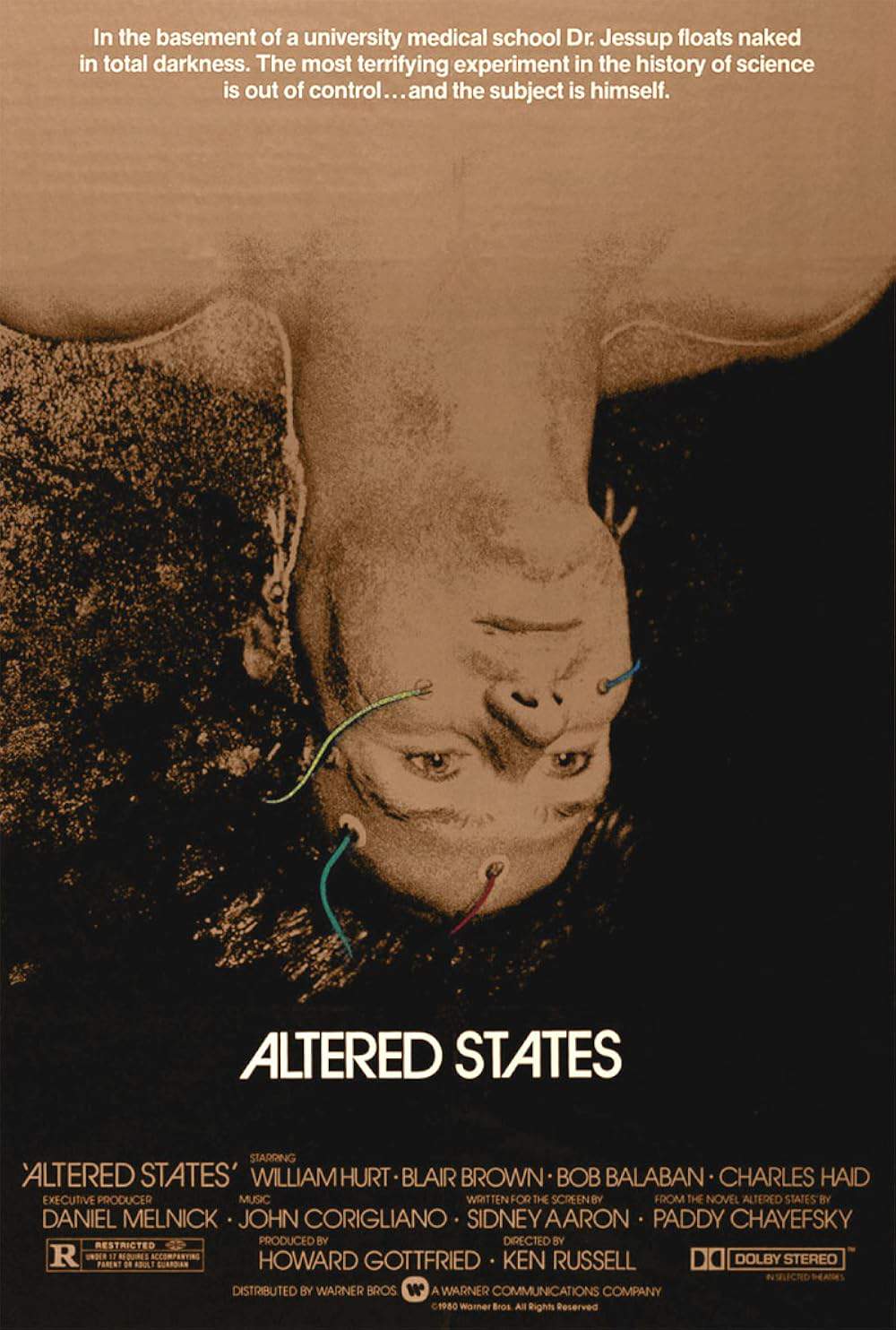
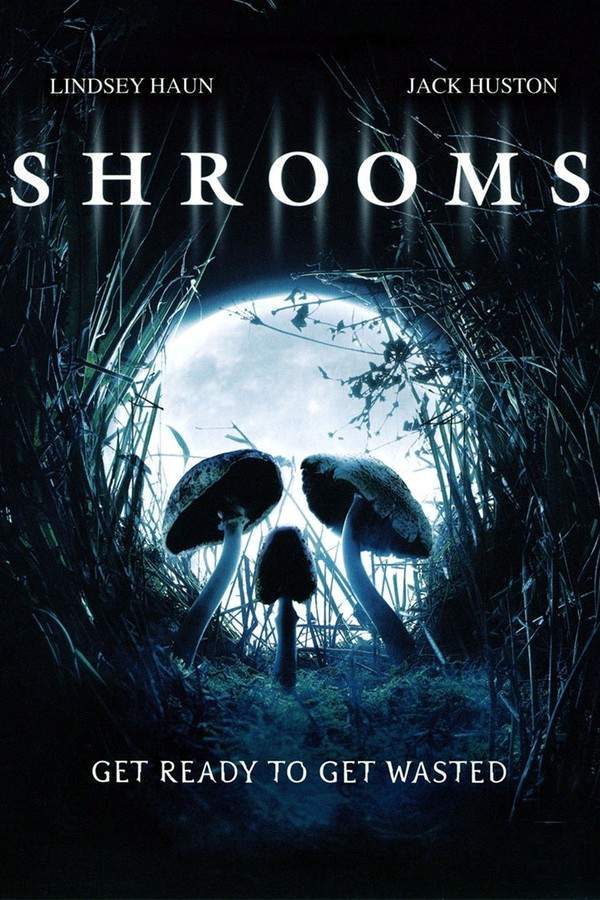
Psychedelic Descents into the Psyche like in The Trip

Surreal journeys where drug use unlocks a character's deepest anxieties and fears. Discover movies like The Trip that explore the dark side of psychedelic experiences. If you enjoyed the surreal, paranoid journey into the protagonist's mind, you'll find similar stories of psychological crisis and disorienting self-discovery in these films.

  • psychedelic
  • paranoid
  • disorienting
  • surreal
  • anxious
  • introspective
  • Tone: dark, paranoid, introspective
  • Pacing: variable, disorienting
Why these movies?

The story pattern: These narratives follow characters undergoing psychedelic experiences that amplify their latent fears and emotional wounds. The story structure often blurs the line between reality and hallucination, using surreal imagery and disjointed pacing to mirror a fractured psychological state. The journey is inward, forcing a confrontation with personal demons rather than an escape from them.

Why they belong together: These films are grouped by their shared focus on the destabilizing psychological effects of drugs. They prioritize a dark, heavy tone and a variable, disorienting pace to create a deeply introspective and anxious mood. Viewers who connect with this thread are seeking intense, complex stories about the mind unraveling.
Shattered Dreams and Self in the 1960s like in The Trip

Character studies of existential despair and disillusionment amidst counterculture upheaval. Explore more movies like The Trip that capture the mood of 1960s disillusionment. These films feature characters undergoing deep psychological crises and identity searches, reflecting the era's tensions between personal freedom and existential despair.

  • melancholic
  • disillusioned
  • introspective
  • 1960s
  • existential
  • psychological
  • Tone: dark, melancholic, disillusioned
  • Pacing: variable, introspective
Why these movies?

The story pattern: The narrative pattern involves a protagonist whose life foundation crumbles, often triggered by a personal loss like divorce or professional failure. Set in the culturally rich yet turbulent 1960s, their journey is not one of easy liberation but of melancholic questioning and psychological strain. The story unfolds with a heavy emotional weight, leading to an ambiguous or bittersweet resolution that reflects the complexity of personal transformation.

Why they belong together: These films share a specific historical mood and thematic focus: the dark side of the '60s dream. They are united by a heavy emotional weight, complex character psychology, and a tone that blends melancholy with dark introspection. The pacing can vary, but the focus remains squarely on the character's internal crisis.

If you liked this

Movies Like The Trip

Similar movies to The Trip: the same genre, themes or kind of story. Each one comes with its own plot summary, timeline and ending explained.

Browse all movie summaries

Every angle

The Trip (1967) Explained: Plot, Timeline & Characters

Everything about The Trip in one place: what happens in the plot summary, the timeline in chronological order, the characters and meaning and a spoiler-free summary. What's After the Movie adds the cast, box office and post-credit scenes.

Coming soon on iOS and Android

The Plot Explained Movie Summary App

Plot summaries, endings explained and timelines on your phone. Catch up on any movie in minutes, save your favorites and never miss a twist again.

Be the first to know when we launch. Your email stays private, always.

Learn more about the app