Plot Explained Spoilers guaranteed!
Plot Explained

Browse by genre

The Riverman (2004) movie poster

Timeline

The Riverman (2004) Timeline Explained – Every Event in Order

Release, runtime and language
2004 · 91 mins · English
Loading streaming availability…
Directed by
Bill Eagles
Starring
Bruce Greenwood, Cary Elwes, Mark Graham, Sam Jaeger, Kathleen Quinlan, Richard Blackburn

To catch a killer, investigators realize they must first comprehend the nature of evil. The film follows a series of recorded interviews with notorious convicted murderer Ted Bundy, whose insights are hoped to shed light on the motives and methods of the mysterious Green River Killer who is terrorizing Seattle, guiding the hunt for the elusive predator.

On this page (5)
  1. 1 Where to watch
  2. 2 Events in order (12)
  3. 3 Timeline questions answered
  4. 4 Movie threads
  5. 5 Every angle
Loading streaming availability…

12 events in order · contains spoilers

The Riverman Timeline: Events in Chronological Order

Every key event of The Riverman (2004) in order, scene by scene, with when and where it takes place. Use it to untangle flashbacks, time jumps and parallel storylines, to refresh your memory before the sequel or to find the exact scene you are thinking of.

  1. Keppel is recruited to profile a Seattle serial killer

    Criminology professor Robert D. Keppel is approached by Detective Dave Reichert to help profile a serial killer preying on Seattle's prostitutes. He agrees, hoping his expertise can illuminate the killer's patterns and motives. The case pulls him into a high-stakes investigation that threatens to intrude on his personal life.

    When
    early in the investigation
    Where
    Seattle, Washington
  2. Sande Keppel's concern over his obsession

    Keppel's wife Sande expresses frustration as he spends more time at crime scenes and with interviews than at home. The investigation strains their marriage and personal life. This conflict underscores the cost of his professional drive.

    When
    early in the investigation
    Where
    Home
  3. Bundy contacts Keppel with an offer to consult

    Keppel receives a letter from Ted Bundy, the infamous killer he helped send to death row, offering to 'consult' on the Seattle case. Bundy seeks access to the investigation in the hope of influencing outcomes. The unusual outreach sets the stage for a controversial collaboration.

    When
    shortly after the case begins
    Where
    Keppel's office / mail
  4. Keppel interviews Bundy under false pretenses

    Keppel arranges a series of interviews with Bundy, disguising his motive as seeking Bundy’s expertise. The sessions are conducted with a professional distance, but Keppel is secretly hoping Bundy will reveal details of his own murders. Bundy becomes a source of unsettling psychological insight rather than practical profiling advice.

    When
    during Bundy correspondence
    Where
    Prison interview room
  5. Bundy names the killer 'The Riverman' but offers little profiling

    In the interviews, Bundy dubs the Seattle killer 'The Riverman' but provides scant help for building a credible profile. He withholds actionable patterns, focusing instead on his own pathology. Keppel remains skeptical about Bundy’s usefulness to the case.

    When
    during interviews
    Where
    Prison interview room
  6. Bundy confesses to several unsolved murders

    Bundy finally confesses to a number of unsolved murders, hoping his admissions will influence Keppel’s timing of his execution. Keppel listens with clinical detachment, weighing truth against Bundy’s desire for influence. The confessions provide chilling insight into Bundy’s psychology rather than concrete leads for the Riverman case.

    When
    during interviews
    Where
    Prison interview room
  7. Keppel and Reichert pursue Gary Ridgway

    Simultaneously, Keppel and Reichert pursue a suspect in the Riverman case, Gary Ridgway. They conduct questioning and gather physical evidence, marking a shift from Bundy’s dialogue to the traditional investigative process. The case begins to hinge on who the killer is rather than why he killed.

    When
    investigation stage
    Where
    Seattle police / field
  8. A DNA sample is collected from Ridgway

    As the investigation progresses, a DNA sample is taken from Ridgway for analysis. The move represents the transition to forensic science as a central tool in identifying the Riverman. The sample sits in a lab, awaiting matching possibilities with recovered evidence.

    When
    early stage of Ridgway case
    Where
    Police precinct / lab
  9. DNA links Ridgway to the murders

    Over time, the DNA analyses yield a link between Ridgway and the Riverman murders. The scientific connection strengthens the case and validates the suspicions about the suspect. The breakthrough reframes the investigation around Ridgway as the primary suspect.

    When
    years later
    Where
    Laboratory / Seattle
  10. Ridgway is convicted thanks to DNA

    The DNA evidence ultimately contributes to Ridgway's conviction for the Riverman murders. The forensic link provides the crucial piece that closes the long pursuit. Bundy’s contributions fade compared to the effectiveness of modern forensic science.

    When
    years later
    Where
    Courtroom
  11. Keppel’s profiling work intersects with forensic results

    Keppel’s attempts to profile the killer are juxtaposed with the DNA-driven outcome of Ridgway’s case. The narrative emphasizes the evolving relationship between profiling and forensic science in solving serial killings. The Riverman case becomes a turning point in how investigators operate in Seattle.

    When
    throughout the case
    Where
    Seattle / investigation sites
  12. The Riverman case closes with Ridgway's conviction

    With Ridgway convicted, the Riverman investigation reaches resolution. Bundy’s dramatic confessions have limited impact on the outcome, while the DNA match provides the definitive verdict. Keppel reflects on the costs and complexities of pursuing truth through both psychology and science.

    When
    closing phase
    Where
    Seattle courtroom

Last updated: February 20, 2026 at 18:43

Was this helpful?

Timeline questions answered

The Riverman Timeline Explained: Your Questions Answered

When does it happen, and why in that order? The questions people ask about the chronology of The Riverman (2004): time jumps, flashbacks, cause and effect between scenes and the correct order of events, each answered with spoilers.

Q1

Why did Ted Bundy offer to help with the Green River Killer investigation?

Bundy reached out to Keppel seeking access to the investigation because he wanted to influence the outcome of his own case. As a convicted murderer on death row, Bundy hoped that cooperating would give him some leverage to delay his execution or shape how his own crimes were handled.

Foreshadowing: Bundy had previously corresponded with other investigators and sought attention throughout his incarceration.

  • ted bundy
  • green river killer
  • investigation
  • death row
  • motive
Q2

What was Robert Keppel's real goal in interviewing Bundy?

While publicly presenting himself as seeking Bundy's expertise to profile the Riverman, Keppel's actual hope was that Bundy would confess to details of his own unsolved murders before being executed. He used the profiling angle as a pretext to gain access to Bundy.

Foreshadowing: The film's title and premise establish that this was a controversial collaboration from the start.

  • robert keppel
  • ted bundy
  • interviews
  • confession
  • motive
Q3

Why was Bundy's profiling help so limited?

Bundy deliberately withheld actionable insights about the Riverman's patterns and instead focused the conversations on his own psychology and crimes. He provided the nickname 'The Riverman' but refused to offer a credible behavioral profile, keeping the conversation centered on himself rather than helping solve the Seattle case.

Foreshadowing: Bundy is portrayed as self-absorbed and manipulative throughout the interviews.

  • profiling
  • riverman
  • bundy
  • serial killer
  • psychology
Q4

Why did Bundy suddenly confess to additional murders?

Bundy confessed to several unsolved murders in a final attempt to delay his execution. He believed that providing new admissions might influence the timing of his death sentence or give him some control over his legacy, though his confessions offered little practical help for the Riverman case.

Foreshadowing: Earlier in the interviews, Bundy shows his obsession with possessing victims even after death.

  • confession
  • execution
  • unsolved murders
  • bundy
  • delay
Q5

How did DNA evidence eventually lead to Gary Ridgway's conviction?

Years after the initial investigation, police collected DNA from Ridgway during early questioning. When the DNA sample was later analyzed and matched against evidence from the Green River murder scenes, it provided the crucial scientific link that linked Ridgway to the crimes and secured his conviction.

Foreshadowing: Timeline event 8 shows the DNA sample being collected early but not yet processed.

  • dna
  • evidence
  • gary ridgway
  • conviction
  • forensic
Q6

Why did investigators question Gary Ridgway so early in the case?

Reichert and Keppel identified Ridgway as a suspect early in the investigation due to his connection to the Seattle area and other factors. They took a DNA sample from him at that time, which later became critical evidence once forensic technology advanced enough to match it against crime scene samples.

Foreshadowing: Timeline item 7 shows the direct pursuit of Ridgway as a suspect.

  • gary ridgway
  • suspect
  • investigation
  • questioning
  • evidence
Q7

What real help did Bundy provide to solving the Green River murders?

Bundy provided minimal practical help in solving the actual case. His primary contributions were giving the killer the nickname 'The Riverman' and offering psychological insights into his own pathology. The case was ultimately solved through traditional police work and DNA forensics, not through Bundy's profiling advice.

Foreshadowing: The film contrasts Bundy's unreliable dialogue with the methodical forensic investigation.

  • bund
  • riverman
  • profile
  • green river
  • investigation
Q8

Why did Keppel's wife object to his involvement in the case?

Sande Keppel was frustrated because her husband was spending more time at crime scenes and conducting interviews than at home. His obsession with the investigation strained their marriage, as he prioritized the high-profile case over his personal life and family.

Foreshadowing: Early timeline events establish this marital tension as a recurring subplot.

  • sande keppel
  • marriage
  • wife
  • conflict
  • obsession
Q9

What did Bundy reveal about his psychology during the interviews?

During the interviews, Bundy revealed disturbing insights into his own pathology, particularly his urge to possess his victims even after death, which included necrophilia. These confessions were clinically documented by Keppel but served more as a window into Bundy's mind than as practical profiling information for the Riverman case.

Foreshadowing: Timeline event 6 notes Bundy's focus on his own pathology rather than actionable leads.

  • necrophilia
  • psychology
  • bundy
  • pathology
  • confession
Q10

How many years passed before Gary Ridgway was convicted?

The DNA evidence linking Ridgway to the Green River murders emerged years after the initial investigation. The timeline shows that DNA was collected early but the matching and conviction occurred much later, reflecting the slow advancement of forensic technology and the lengthy process of building a prosecutable case.

Foreshadowing: Timeline events 9 and 10 show the gap between evidence collection and conviction.

  • conviction
  • years
  • dna
  • ridgway
  • timeline

Movie threads

More Movies Like The Riverman, by Mood & Story

Curated lists built around what makes The Riverman tick: the same mood, the same kind of story or the same emotional payoff. Each list explains why these movies belong together.

Criminal Psychology Movies Like The Riverman

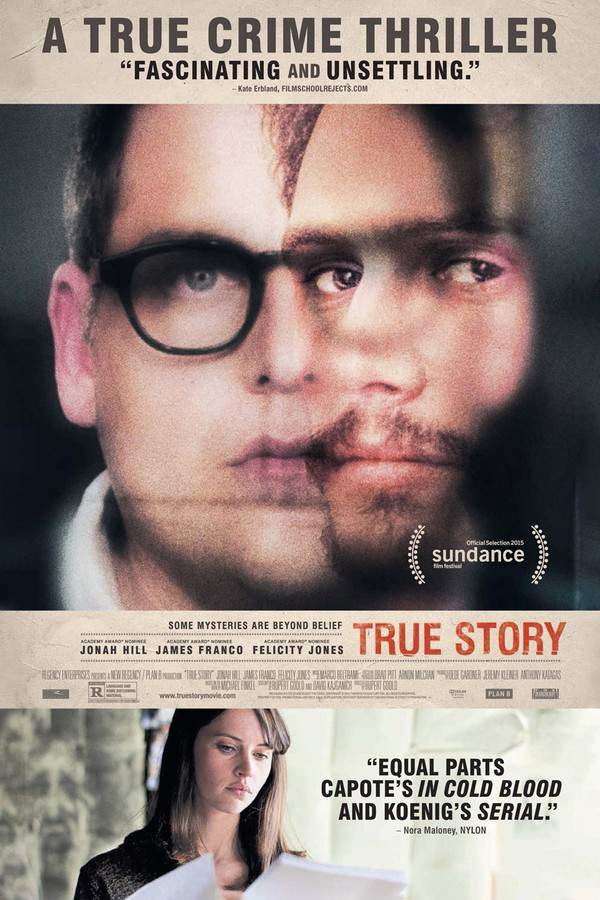
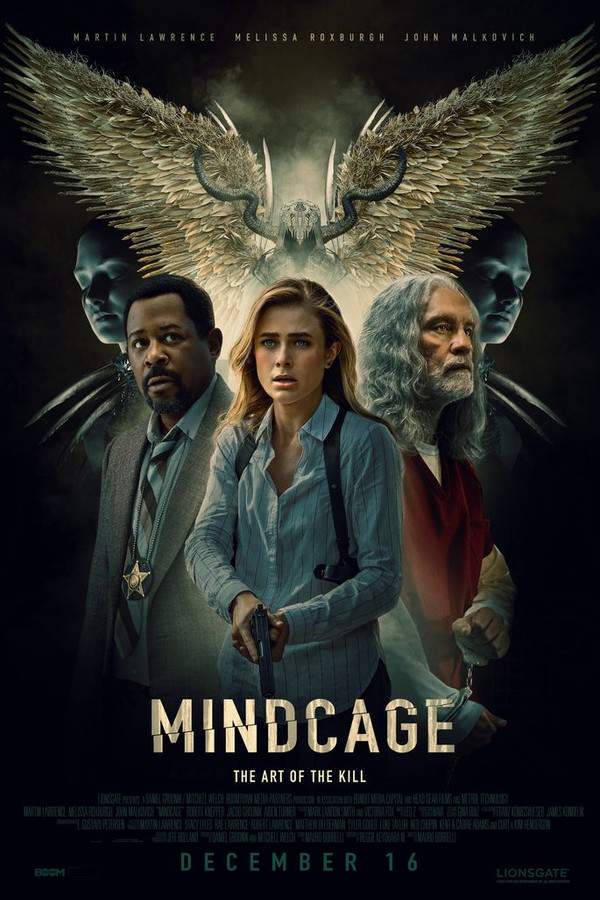
Stories where investigators delve deep into a killer's mind to understand the crime. If you were fascinated by the psychological profiling in The Riverman, explore more movies where investigators enter the minds of criminals. These tense thrillers and dramas focus on the methodical hunt for killers through interviews and analysis, creating a gripping and uneasy atmosphere.

  • psychological
  • tense
  • clinical
  • methodical
  • unsettling
  • grim
  • Tone: dark, clinical, tense
  • Pacing: steady, methodical
Why these movies?

The story pattern: The narrative follows investigators, often FBI agents or detectives, as they use interviews, case files, and behavioral analysis to build a psychological profile of an elusive criminal. The plot is driven by intellectual deduction and unsettling conversations, rather than action, leading to a climactic identification that often carries a heavy emotional cost.

Why they belong together: These films are grouped by their shared focus on the clinical, intellectual process of understanding evil. They create a specific, grim tension derived from facing humanity's capacity for violence head-on, rather than from physical chase sequences.
Bleak True Crime Dramas Like The Riverman

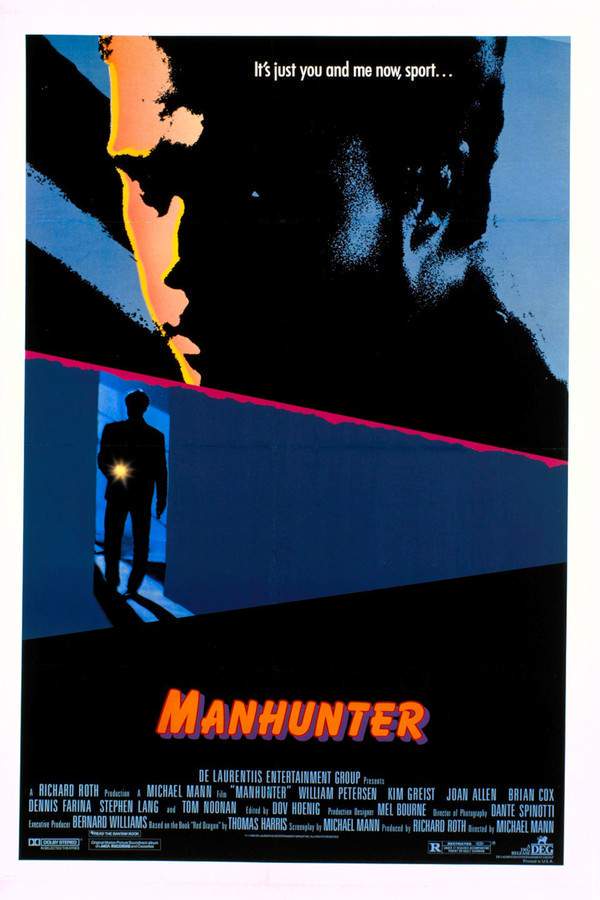
Sobering dramatizations of real-life crimes that offer little solace. Fans of The Riverman's grim depiction of a real serial killer case will find more unsettling stories here. These movies are based on true crimes and share a somber, heavy tone, focusing on the psychological toll and procedural reality of the investigation without glorifying the violence.

  • grim
  • somber
  • uneasy
  • true story
  • disturbing
  • heavy
  • Tone: somber, grim, uneasy
  • Pacing: steady, deliberate
Why these movies?

The story pattern: These narratives are grounded in real-world events, following a linear, often procedural structure that mirrors the actual investigation. The emotional journey is one of grim determination, exposing the viewer to the dark subject matter with a sense of responsibility rather than entertainment, culminating in endings that feel earned yet somber.

Why they belong together: They are united by their commitment to a realistic, unflinching portrayal of true crime. The shared vibe is one of solemnity and psychological weight, offering a sobering look at evil that resonates long after the credits roll.

Every angle

The Riverman (2004) Explained: Plot, Timeline & Characters

Everything about The Riverman in one place: what happens in the plot summary, the timeline in chronological order, the characters and meaning and a spoiler-free summary. What's After the Movie adds the cast, box office and post-credit scenes.

Coming soon on iOS and Android

The Plot Explained Movie Summary App

Plot summaries, endings explained and timelines on your phone. Catch up on any movie in minutes, save your favorites and never miss a twist again.

Be the first to know when we launch. Your email stays private, always.

Learn more about the app