Plot Explained Spoilers guaranteed!
Plot Explained

Browse by genre

The Monitors (1969) movie poster

Timeline

The Monitors (1969) Timeline Explained – Every Event in Order

Release, runtime and language
1969 · 92 mins · English
Directed by
Jack Shea
Starring
Peter Boyle, Alan Arkin, Adam Arkin, Ed Begley, Mike Nussbaum, Keenan Wynn

Earthlings chafe at the peace established by a benevolent alien race and set about to rebel.

On this page (5)
  1. 1 Events in order (12)
  2. 2 Timeline questions answered
  3. 3 Movie threads
  4. 4 Movies like The Monitors
  5. 5 Every angle

12 events in order · contains spoilers

The Monitors Timeline: Events in Chronological Order

Every key event of The Monitors (1969) in order, scene by scene, with when and where it takes place. Use it to untangle flashbacks, time jumps and parallel storylines, to refresh your memory before the sequel or to find the exact scene you are thinking of.

  1. Monitors establish control over Earth

    The Monitors descend and impose a new order, aiming to suppress humanity's violent and sexual impulses. They deploy a pacifying gas and flood the airwaves with television ads praising their benevolent rule. People gradually submit as dissent fades and normal life becomes a glossy spectacle.

    Where
    Earth
  2. Pacification through gas and propaganda

    The Monitors unleash gas to dampen aggression and sexuality, effectively neutralizing resistance. They saturate media with ads that celebrate Monitor benevolence and routine life under their supervision, featuring odd cultural cameos. The world adapts to the new normal, though beneath the surface unease lingers.

    Where
    Earth
  3. Conflict ignites with a street preacher

    A flamboyant street preacher provokes the Monitors, triggering a clash that spills into public spaces. The confrontation reveals the fragility of Monitor bliss and the cost of suppressing dissent. The event highlights the growing undercurrent of resistance among ordinary people.

    Where
    City street
  4. Barbara, Harry and Max are spirited away

    Amid the turmoil, Barbara (the Monitors' collaborator), pilot Harry, and his brother Max are spirited away by the preacher. They are drawn into SCRAG's orbit, moving away from Monitor-controlled zones toward the anti-Monitor resistance. The kidnapping sets the stage for a divided alliance with far-reaching consequences.

  5. SCRAG emerges as the anti-Monitor force

    It is revealed that the street preacher leads SCRAG, the Secret Counter Retaliatorial Group. SCRAG acts as an organized resistance aiming to undermine Monitor control and reclaim human agency. The group represents a direct challenge to the Monitors' authority.

  6. Loyalties split among the principals

    Through a series of twists, Harry ends up among the Monitors while Barbara and Max align with SCRAG. The split creates parallel threads in the central storyline and heightens the stakes of every move.

    Where
    Various locations
  7. The principals are reunited

    Despite earlier divisions, the principal characters are brought back together, renewing the sense of a shared mission. They begin coordinating efforts in preparation for a decisive confrontation.

    Where
    Various locations
  8. Departure toward Washington, D.C.

    The trio leaves Barbara behind as they travel toward Washington, D.C., intending to foil SCRAG's plot to bomb Monitor headquarters. The journey is tense, mixing strategic planning with the risk of betrayal and unexpected alliances.

    Where
    On the road to Washington, D.C.
  9. SCRAG plots to bomb Monitor HQ

    SCRAG engineers a bombing attack on Monitor headquarters, raising the stakes for everyone involved. The planned strike threatens Monitor rule and challenges the protagonists to intervene in time.

    Where
    Monitor HQ
  10. DC mission to foil the attack

    The assembled group converges on Washington, D.C. to disrupt SCRAG's plan and protect Monitor HQ. The mission tests loyalties as former enemies must cooperate for a common goal.

    Where
    Washington, D.C.
  11. Monitors decide humanity is unworthy

    Having witnessed the upheaval, the Monitors conclude that humans are not worthy of their leadership and withdraw from Earth. Their departure ends the pacification and leaves humanity to decide its own fate.

    Where
    Earth
  12. Earth returns to its violent roots

    With the Monitors gone, humanity is free to resume violence and corruption. The world shifts back toward the old patterns, signaling a precarious but undeniable freedom.

    Where
    Earth

Last updated: February 03, 2026 at 07:41

Was this helpful?

Timeline questions answered

The Monitors Timeline Explained: Your Questions Answered

When does it happen, and why in that order? The questions people ask about the chronology of The Monitors (1969): time jumps, flashbacks, cause and effect between scenes and the correct order of events, each answered with spoilers.

Q1

Why did the Monitors decide to leave Earth?

After observing the human conflict and chaos caused by the SCRAG bombing plot and subsequent turmoil, the Monitors concluded that humanity was not worthy of their leadership. They withdrew their influence entirely, ending the pacification program and allowing humans to govern themselves again.

Foreshadowing: Early scenes showing the Monitors' clinical observation of human behavior foreshadowed their eventual judgment of humanity as unfit.

  • Monitors departure
  • alien withdrawal
  • humanity unworthy
Q2

What was SCRAG planning to do?

SCRAG, the Secret Counter Retaliatorial Group, engineered a bombing attack on Monitor headquarters in Washington, D.C. The attack was meant to strike a decisive blow against Monitor rule and reclaim human autonomy.

Foreshadowing: The street preacher's inflammatory sermons and his abduction of Barbara, Harry, and Max hinted at SCRAG's willingness to use violent tactics.

  • SCRAG bombing plot
  • Monitor HQ attack
  • resistance plan
Q3

Why did Barbara Cole collaborate with the Monitors?

Barbara Cole was a movie actress who became a collaborator with the Monitors, likely due to the new reality they created where compliance offered safety and prominence under their regime. Her collaboration placed her at the center of the Monitor-controlled media landscape.

Foreshadowing: Barbara's role in Monitor television ads and broadcasts established her as someone who had adapted to and benefited from alien rule.

  • Barbara Cole
  • Monitor collaborator
  • actress
Q4

Who was the street preacher Stutz working for?

The street preacher Stutz was actually the leader of SCRAG, the Secret Counter Retaliatorial Group. He deliberately provoked the Monitors with his boisterous preaching to spark conflict and draw other characters into the resistance movement.

Foreshadowing: Stutz's dramatic, confrontational behavior masked a calculated agenda beyond typical street preaching.

  • Stutz preacher
  • SCRAG leader
  • resistance leader
Q5

How did the Monitors' pacifying gas work?

The Monitors deployed a spray-can pacifying gas designed to suppress human violence and sexual impulses. The gas effectively neutralized aggression, making it difficult for humans to resist or rebel against Monitor rule.

Foreshadowing: Early scenes of Monitors spraying gas and the resultant docile behavior of citizens established this as a primary tool of control.

  • pacifying gas
  • Monitor technology
  • suppression
Q6

What happened to Earth after the Monitors withdrew?

With the Monitors gone, humanity was suddenly free to resume its old patterns of violence and corruption. The world returned to its familiar cycles, suggesting that the peace imposed by the Monitors was merely superficial and that humans reverted to their natural state.

Foreshadowing: The Monitors' clinical withdrawal and their final judgment that humans were unworthy hinted at this cynical conclusion.

  • Earth after Monitors
  • humanity restored
  • violence returns
Q7

Why did Harry and Max end up on different sides?

Through a series of twists, Harry Jordan remained aligned with the Monitors while his brother Max was pulled into SCRAG's orbit. This split created tension between the brothers and reflected the broader division among humans caught between compliance and resistance.

Foreshadowing: The characters' separate kidnappings and the different paths they took during the chaos set the stage for their divided loyalties.

  • Harry Jordan
  • Max Jordan
  • split allegiances
Q8

What triggered the main conflict in the story?

The street preacher Stutz's provocative actions sparked the pivotal clash that pulled Barbara, Harry, and Max into the larger crisis. His confrontational preaching directly challenged Monitor authority and ignited the chain of events leading to the SCRAG conspiracy.

Foreshadowing: Stutz's boisterous, disruptive presence on the city street was deliberately designed to provoke a reaction from the Monitors.

  • street preacher conflict
  • SCRAG activation
  • rebellion begins
Q9

What did the Monitors want from Earth?

The Monitors sought to curb humanity's violence, sexuality, war, and trouble. They imposed a peaceful order through pacifying gas and propaganda, aiming to create a harmonious society. Their goal was benevolent control, though it ultimately proved temporary.

Foreshadowing: The Monitors' systematic replacement of media with ads praising their rule and their enforcement of pacifism revealed their long-term agenda.

  • Monitor goals
  • alien invasion
  • peaceful rule
Q10

Was the ending of the movie optimistic or pessimistic?

The ending was deliberately ambiguous and satirical. On the surface, humanity regained freedom and autonomy. However, that freedom immediately led back to violence and corruption, suggesting humanity may have been better off under Monitor rule, or that humans are inherently incapable of peace.

Foreshadowing: The Monitors' final decision and the quick reversion to violence played as both a pessimistic commentary and a ironic punchline.

  • movie ending interpretation
  • satirical conclusion
  • human nature

Movie threads

More Movies Like The Monitors, by Mood & Story

Curated lists built around what makes The Monitors tick: the same mood, the same kind of story or the same emotional payoff. Each list explains why these movies belong together.

Satirical Rebellion Movies like The Monitors

Chaotic free spirits rise up against a peaceful, overly orderly society. If you liked the quirky rebellion of The Monitors, explore more movies where free-spirited characters challenge overly orderly or peaceful societies. This section features comedies and sci-fi stories with a satirical, whimsical take on utopian ideals and chaotic resistance.

  • satirical
  • quirky
  • rebellious
  • utopian
  • absurd
  • subversive
  • Tone: light, whimsical, satirical
  • Pacing: steady
Why these movies?

The story pattern: Narratives in this thread typically involve a group or individual who feels stifled by a harmonious, perhaps alien-imposed, society. They initiate a rebellion that is less about righteous fury and more about a desire for chaos, individuality, or the 'good old days' of imperfection, often leading to ironic or mixed outcomes.

Why they belong together: These movies are grouped together because they share a light, satirical tone and a core theme of subverting the idea of a perfect world. They focus on the humorous and often paradoxical conflict between enforced peace and human (or alien) nature's need for disorder.
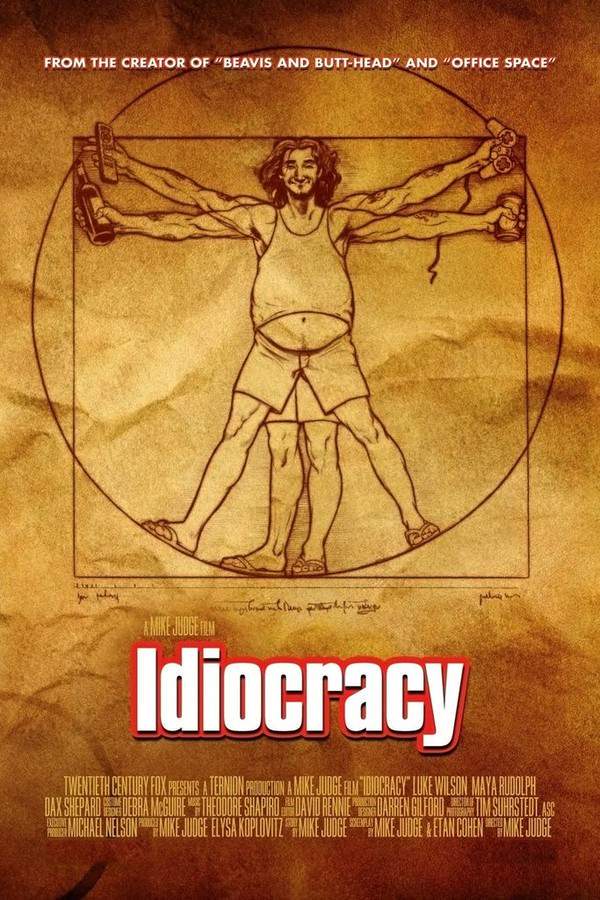
Movies about Benevolent Alien Rule like The Monitors

Exploring the ironic tensions of being ruled by well-meaning but controlling outsiders. Fans of The Monitors will enjoy these explorations of benevolent dictatorship. Discover similar sci-fi comedies and dramas where aliens or advanced beings impose peace on humanity, leading to satirical and thought-provoking stories about freedom vs. security.

  • thought-provoking
  • ironic
  • paternalistic
  • subversive
  • paranoid
  • satirical
  • Tone: light, thought-provoking, ironic
  • Pacing: steady
Why these movies?

The story pattern: The narrative pattern follows a society adjusting to, and eventually resisting, a paternalistic ruling power. The protagonists often undertake missions to expose or disrupt the system, discovering that the greatest threat isn't malice, but a condescending form of care that strips away what makes people human.

Why they belong together: These films are connected by their unique premise: the antagonists are not villainous, but patronizing. This creates a specific blend of low-stakes tension, social commentary, and ironic humor, focusing on the paradox of a 'good' form of oppression.

If you liked this

Movies Like The Monitors

Similar movies to The Monitors: the same genre, themes or kind of story. Each one comes with its own plot summary, timeline and ending explained.

Browse all movie summaries

Every angle

The Monitors (1969) Explained: Plot, Timeline & Characters

Everything about The Monitors in one place: what happens in the plot summary, the timeline in chronological order, the characters and meaning and a spoiler-free summary. What's After the Movie adds the cast, box office and post-credit scenes.

Coming soon on iOS and Android

The Plot Explained Movie Summary App

Plot summaries, endings explained and timelines on your phone. Catch up on any movie in minutes, save your favorites and never miss a twist again.

Be the first to know when we launch. Your email stays private, always.

Learn more about the app