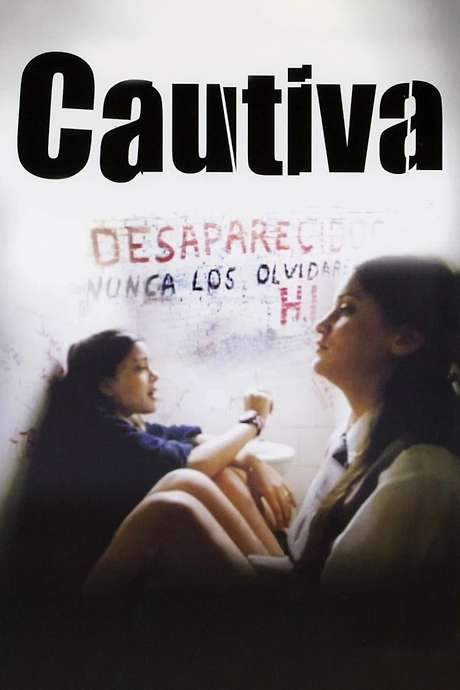
Plot Explained Spoilers guaranteed!
Plot Explained

Browse by genre

The Girlfriend (1988) movie poster

Characters & Themes

The Girlfriend (1988) Characters, Setting & Themes Explained

Release, runtime and language
1988 · 110 mins · Spanish
Directed by
Jeanine Meerapfel
Starring
Liv Ullmann, Federico Luppi, Fernán Mirás, Claudio Rissi, Max Berliner, Chela Cardalda

Raquel and Maria have been close since childhood. As adults, Raquel fulfills her dream of becoming an actress, while Maria lives with her handyman husband, raises three children, and runs the household. After the 1976 Argentine coup, Maria’s eldest son Carlos is abducted, and she turns to Raquel for help. Raquel’s involvement brings the junta’s attention, forcing her to flee to Berlin. Maria joins a women’s group researching the disappeared. With democracy restored in 1983, the two friends reunite.

On this page (7)
  1. 1 Characters explained (7)
  2. 2 Where & when it takes place
  3. 3 Themes & meaning (4)
  4. 4 Character & meaning questions
  5. 5 Movie threads
  6. 6 Movies like The Girlfriend
  7. 7 Every angle

7 main characters · contains spoilers

The Girlfriend Characters Explained: Who Is Who

The main characters of The Girlfriend (1988), heroes and villains: what drives them, how they change over the course of the story and what each of them reveals about the film's bigger ideas.

  • María (Liv Ullmann)

    A devoted mother and wife whose quiet life is upended by her son Carlos's disappearance. Her relentless search reveals a growing inner strength, as she navigates grief, truth, and the demands of a brutal political era. María's arc centers on resilience, moral courage, and the transformation from domestic routine to public advocacy.

    • 🧭 Tenacious
    • 💪 Resilient
    • 👩‍👧‍👦 Maternal
  • Pancho (Federico Luppi)

    María’s husband, who embodies steadiness and traditional partnership. He struggles with the strain of his wife’s quest and the family’s changing dynamics, offering quiet support while wrestling with his own limits. Pancho represents the ordinary man trying to keep family life intact under extraordinary pressure.

    • 🏠 Loyal
    • 🕊️ Supportive
    • 👨‍👩‍👧‍👦 Husband
  • Raquel (Cipe Lincovsky)

    María’s lifelong, feisty Jewish friend whose cultural identity shapes both her art and her fate. Her relationship with María spans decades, and her career in theatre becomes entangled with the dictatorship’s censorship. Raquel’s journey includes exile and the burden of memory, reflecting how friendship endures through upheaval.

    • 🎭 Artist
    • 🧭 Identity
    • 🛡️ Loyal
  • Diego (Victor Laplace)

    played by Víctor Laplace

    A public television executive who must balance his love for Raquel with the regime’s demands. His position places him at the confluence of культура, politics, and personal risk. Diego’s calculus illustrates how individuals navigate power structures while attempting to protect those they care about.

    • 🎙️ Public figure
    • 🧭 Moral conflict
    • 🖥️ Media
  • Comisario Tito (Lito Cruz)

    A police commander who personifies state authority during the dictatorship. His actions represent the coercive mechanisms that shape the environment in which the protagonists live. Tito’s presence underscores the constant threat of surveillance, arrest, and intimidation faced by ordinary citizens.

    • 🛡️ Authority
    • 🧭 Coercion
    • ⚖️ Law enforcement
  • Parapolicial (Claudio Rissi)

    An operative associated with the repressive apparatus that operates beyond civilian oversight. His involvement signals the reach of state power into personal lives and the violence used to suppress dissent. The character embodies the looming danger that shadows the search for truth.

    • 🔒 Repression
    • 💼 Security apparatus
    • 🕶️ Shadow operations
  • Amigo de Raquel en Berlín (Harry Baer)

    A German-Argentine exile who provides a distant connection to Carlos’s fate and the broader diaspora. His perspective reflects the international dimension of Argentina’s dictatorship, as well as the personal costs of exile and memory. He helps anchor Raquel’s Berlin chapter in the story.

    • ✈️ Exile
    • 🌍 Diaspora
    • 🗣️ Memory

Last updated: October 04, 2025 at 14:00

Was this helpful?

Setting

Where and When Does The Girlfriend Take Place?

The setting of The Girlfriend (1988): the year and time period, the places and locations, and how they shape the characters, the mood and the tension of the story.

Time period

Late 1970s (circa 1978)

The events unfold during Argentina's last civil-military dictatorship (1976–1983), a period of heavy censorship, surveillance, and political repression. Disappearances and fear shape daily life, even for ordinary, aspiring artists and families. The film depicts how the regime’s climate forces people to balance personal safety with moral duty. The search for Carlos occurs against this backdrop of state power and social resistance.

Location

Suburb of Buenos Aires, Argentina

Set in a quiet, working-class suburb south of Buenos Aires, the film grounds its story in ordinary life under a turbulent era. The neighborhood is depicted as close-knit, with families navigating fear and grief amid disappearing relatives. This intimate setting highlights community bonds, including mothers who band together in the face of repression. The suburb acts as a microcosm of Argentina during the dictatorship, where private lives are haunted by public silences.

  • 🏘️ Suburban setting
  • 🗺️ Argentina
  • 🕰️ 1970s

Last updated: October 04, 2025 at 14:00

Was this helpful?

4 major themes

The Girlfriend Meaning: Themes & Message Explained

What is The Girlfriend (1988) really about? The emotional, social and philosophical themes the film keeps returning to, its symbolism and the message beneath the surface.

  • Grief and Loss

    The disappearance of Carlos becomes a defining wound for María and her family. Grief is not only personal but social, drawing in friends and neighbors who share the ache. The narrative follows María’s unwavering drive to uncover the truth, even as hope wanes. In parallel, other characters grapple with the limits of what can be learned or proven under a repressive regime.

  • Friendship & Solidarity

    María’s lifelong friendship with Raquel provides a counterbalance to loss, offering support and shared memory. Their bond navigates cultural and identity tensions, revealing resilience through art, conversation, and mutual aid. The Mothers of the Plaza de Mayo emerge as a broader symbol of collective courage and persistent advocacy. The duo’s collaboration shows how solidarity can sustain individuals when political forces threaten their families.

  • Oppression & Dictatorship

    The dictatorship’s repressive climate frames every character’s choices, from Raquel’s artistic career to Diego’s careful public role. Anti-Semitic undercurrents and censorship complicate personal and professional lives. The film portrays how institutions mold behavior, suppress dissent, and weaponize fear to control society. Yet it also showcases quieter acts of defiance and moral choice amid surveillance and coercion.

  • Exile & Identity

    Raquel’s exile to Berlin underscores how identity and political danger intersect, forcing her to navigate belonging and exile. The Berlin encounter offers a distant glimpse of Carlos’s fate and the trauma of displacement. Upon return, the complexities of identity and memory resurface, shaping how each character relates to Argentina and to one another. The interplay of home and abroad highlights the cost of political turmoil on personal lives.

Last updated: October 04, 2025 at 14:00

Was this helpful?

Character & theme questions

The Girlfriend Characters & Meaning: Your Questions Answered

The questions people ask about The Girlfriend (1988): who the characters really are, their relationships, what the symbols mean, where it takes place and what the movie is really about. Each answer contains spoilers.

Q1

Where is The Girlfriend set?

The film is set in a quiet, working-class suburb south of Buenos Aires, Argentina. This intimate suburban setting serves as a microcosm of Argentina during the military dictatorship, depicting ordinary family life haunted by the fear and grief of disappearances.

  • argentina
  • buenos aires
  • suburb
  • setting
  • location
Q2

When does the story take place?

The events unfold during Argentina's military dictatorship from 1976 to 1983, specifically in the late 1970s around 1978. This period was marked by censorship, surveillance, and political repression known as the Dirty War.

  • 1970s
  • 1976
  • 1978
  • dictatorship
  • military regime
  • argentina history
Q3

What are the main themes of the movie?

The film explores several interconnected themes: grief and loss following a child's disappearance, friendship and solidarity between women, the oppression of Argentina's military dictatorship, and the experience of exile and questions of identity. These themes intertwine to show how political violence affects personal lives.

  • grief
  • loss
  • friendship
  • solidarity
  • dictatorship
  • oppression
  • exile
  • identity
Q4

Who is María and what is her role in the story?

María is a devoted mother and wife whose quiet domestic life is shattered when her eldest son Carlos is abducted during the dictatorship. Her journey transforms her from a homemaker into a resilient advocate who joins other mothers in searching for truth about the disappeared.

  • maria
  • mother
  • disappeared
  • grief
  • resilience
Q5

Who is Raquel and what is her background?

Raquel is María's lifelong Jewish friend who fulfills her dream of becoming an actress. Her career in theatre brings her into conflict with the dictatorship's censorship. As the regime's attention turns to her, she is forced to flee to Berlin, where she grapples with exile and learns more about her friend's son's fate.

  • raquel
  • actress
  • jewish
  • exile
  • berlin
  • theater
Q6

How does the movie portray friendship during the dictatorship?

The film shows how María and Raquel's lifelong friendship provides emotional support and shared strength throughout the crisis. Their bond is tested by political danger but endures, demonstrating how solidarity between women sustains individuals when the state threatens their families. The Mothers of the Plaza de Mayo appear as a broader symbol of this collective courage.

  • friendship
  • solidarity
  • mothers of plaza de mayo
  • women
  • support
Q7

How does the movie depict the Argentine dictatorship?

The film portrays the dictatorship's oppressive climate as shaping every character's choices, from artistic careers to family life. It shows how the regime uses surveillance, fear, and violence to control society, with ordinary people constantly balancing personal safety with moral duty. The presence of police and paramilitary figures underscores the constant threat citizens faced.

  • dictatorship
  • repression
  • surveillance
  • military junta
  • argentina
  • oppression
Q8

What is the relationship between María and Raquel?

María and Raquel have been close friends since childhood, with their bond deepening as adults when political crisis engulfs their families. Their friendship spans cultural and identity differences, María is a traditional wife and mother while Raquel is a Jewish actress. This relationship becomes a source of mutual aid and resilience throughout the dictatorship's horrors.

  • maria
  • raquel
  • friendship
  • relationship
  • childhood friends
Q9

What happens when Raquel flees to Berlin?

Raquel's exile to Berlin forces her to navigate belonging and displacement while remaining connected to events in Argentina. Through a German-Argentine friend, she gains a distant connection to Carlos's fate. This storyline explores how political turmoil affects personal identity and the trauma of living abroad during homeland crises.

  • exile
  • berlin
  • displacement
  • raquel
  • german-argentine
Q10

What role do the Mothers of the Plaza de Mayo play?

The Mothers of the Plaza de Mayo appear as a symbol of collective courage and persistent advocacy. María joins a women's group researching the disappeared, paralleling this real historical movement of mothers who sought truth about their children lost to the dictatorship. This illustrates how individual grief transforms into public resistance.

  • mothers of plaza de mayo
  • disappeared
  • human rights
  • argentina
  • resistance
Q11

How does the movie address Jewish identity and anti-Semitism?

The film highlights Raquel's Jewish background as shaping both her art and her vulnerability under the dictatorship. Anti-Semitic undercurrents and censorship complicate her professional and personal life, showing how the regime targeted minority communities. This element adds layers to the themes of identity and persecution.

  • jewish
  • anti-semitism
  • identity
  • culture
  • censorship
Q12

What happens when democracy is restored in 1983?

With democracy restored in 1983, María and Raquel are able to reunite after years of separation caused by political persecution and exile. However, the central loss of Carlos remains unresolved, creating a bittersweet ending that shows personal endurance alongside historical sadness. The film suggests that while political freedom returns, the trauma of disappearances leaves lasting scars.

  • democracy
  • 1983
  • reunion
  • ending
  • resolution
  • military dictatorship

Movie threads

More Movies Like The Girlfriend, by Mood & Story

Curated lists built around what makes The Girlfriend tick: the same mood, the same kind of story or the same emotional payoff. Each list explains why these movies belong together.

Movies about intimate political terror like The Girlfriend

Personal lives consumed by the slow, creeping dread of a repressive state. Explore movies like 'The Girlfriend' that delve into the personal cost of political oppression. These intimate dramas show how historical trauma affects families and friendships, focusing on resilience and the slow-burning search for truth amidst state violence.

  • somber
  • anxious
  • oppressive
  • resilient
  • grieving
  • meditative
  • Tone: dark, somber, tense
  • Pacing: slow, deliberate
Why these movies?

The story pattern: The narrative often begins in a state of relative normalcy that is shattered by a political event, typically a disappearance or act of state violence. The story then follows the prolonged, often quiet, struggle of civilians—usually women or families—to uncover the truth, find their loved ones, and maintain their humanity against a backdrop of pervasive fear. The journey is one of endurance rather than triumphant victory.

Why they belong together: These movies are grouped by their shared focus on the domestic and personal impact of large-scale political conflict. They share a slow, meditative pace that allows grief and tension to build, a dark and somber tone, and a heavy emotional weight centered on themes of loss, memory, and resilience.

Movies about lifelong friendship tested by history like The Girlfriend

Stories where enduring friendship is tested by time, tragedy, and history. If you liked the profound friendship in 'The Girlfriend,' discover other movies about bonds that endure across decades. These stories often feature bittersweet endings, where friendship provides solace against a backdrop of personal loss or historical upheaval.

  • intimate
  • resilient
  • grieving
  • somber
  • meditative
  • heartfelt
  • Tone: bittersweet, heavy, intimate
  • Pacing: slow, character-driven
Why these movies?

The story pattern: The narrative spans a significant period, tracing the parallel lives of two friends who may follow different paths. A major crisis—often historical or personal—tests their bond, forcing them to rely on each other in new ways. The story explores loyalty, sacrifice, and how shared history sustains them, culminating in a reunion or reaffirmation of their connection that is meaningful but cannot erase the scars of their journey.

Why they belong together: These films are connected by their deep investment in a single, central friendship as the emotional core. They share a heavy emotional weight, a slow or steady pacing that allows the relationship to develop authentically, and a bittersweet or melancholic tone where joy and sorrow are deeply intertwined.

If you liked this

Movies Like The Girlfriend

Similar movies to The Girlfriend: the same genre, themes or kind of story. Each one comes with its own plot summary, timeline and ending explained.

Browse all movie summaries

Every angle

The Girlfriend (1988) Explained: Plot, Timeline & Characters

Everything about The Girlfriend in one place: what happens in the plot summary, the timeline in chronological order, the characters and meaning and a spoiler-free summary. What's After the Movie adds the cast, box office and post-credit scenes.

Coming soon on iOS and Android

The Plot Explained Movie Summary App

Plot summaries, endings explained and timelines on your phone. Catch up on any movie in minutes, save your favorites and never miss a twist again.

Be the first to know when we launch. Your email stays private, always.

Learn more about the app