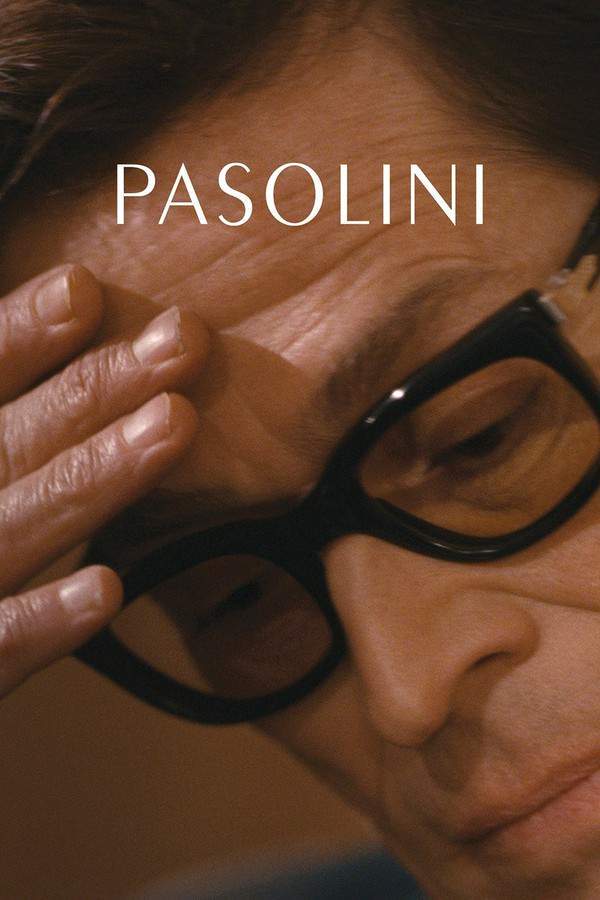
The Decameron

The Decameron

Year: 1971

Runtime: 111 mins

Language: Italian

DramaComedyHistory

Pasolini’s The Decameron brims with ribald humor and earthy sensuality, recounting a series of bawdy medieval tales. A swindled Sicilian ends up rich, a fake deaf‑mute infiltrates a convent, a wife hides her lover, a dying priest is duped, brothers take revenge on a sister’s lover, a girl meets her boyfriend on a roof at night, painters wait for inspiration, a crafty priest tries to seduce a friend’s wife, and two friends make a pact to discover what lies beyond death.

Warning: spoilers below!

Haven’t seen The Decameron yet? This summary contains major spoilers. Bookmark the page, watch the movie, and come back for the full breakdown. If you're ready, scroll on and relive the story!

Timeline & Setting – The Decameron (1971)

Explore the full timeline and setting of The Decameron (1971). Follow every major event in chronological order and see how the environment shapes the story, characters, and dramatic tension.

Time period

14th century

The stories unfold in 14th-century Italy, a medieval world of merchants, convents, and noble households. The tales explore contemporary social norms, humor, and morality through episodic vignettes rather than a single linear narrative. A painterly frame by Giotto's pupil connects the episodes to the era's art and storytelling traditions.

Location

Naples, Prato, Messina, Valbona, Germany

The film traverses several Italian locales to present its mosaic of tales, with Naples as the central hub for two stories. Other episodes move to Prato for Ciappelletto's arc, to Messina for the Caterina-Ricciardo plot, and to the Valbona region for the tale of Caterina. A journey to Germany appears within Ciappelletto's chapters, all linked by the frame of Giotto's pupil painting a mural.

🗺️ Italian Cities 🕰️ 14th Century 🎭 Period Drama

Last updated: October 04, 2025 at 19:45

Was this helpful?

Main Characters – The Decameron (1971)

Meet the key characters of The Decameron (1971), with detailed profiles, motivations, and roles in the plot. Understand their emotional journeys and what they reveal about the film’s deeper themes.

Andreuccio of Perugia (Ninetto Davoli)

A young, eager traveler who comes to Naples to buy horses. He is quick-witted and opportunistic, yet easily duped by a polite rich woman and a dangerous urban underworld. His luck swings between peril and cunning as he navigates traps and thieves to come away with a ring and a tale of survival.

💼 Resourceful 🐎 Naive 🗺️ Traveler

Ciappelletto

A roguish old thief and sly fraud who weaponizes lies and a sham sanctimony to survive. His scheme culminates in a posthumous sainthood of convenience, exposed only after his death. The character embodies the trope of deceit masquerading as virtue within a corrupt social order.

🕵️‍♂️ Trickster 🕊️ Hypocrite

Masetto da Lamporecchio

A young gardener who seeks work at a convent and pretends to be deaf and dumb to avoid suspicion. Inside the convent, he becomes the subject of sexual curiosity, and his silence is used to cope with the mounting demands. His arc highlights desire, power, and the fragility of virtue.

🌹 Temptation 🧑‍🌾 Humility

Peronella

A cunning housewife who manipulates her husband through a ruse involving a pot and a lover. Her scheming keeps social order within the domestic sphere while exposing the gullibility and complicity of her husband. The episode centers on wit, sexuality, and social cunning.

💑 Trickster 🪣 Domestic Comedy

Caterina di Valbona

A young woman who falls in love with Ricciardo and orchestrates a plan to sleep with him outside the eye of her family. Her father's practical consent—marriage for dowry—drives the social logic of the tale. The couple's gamble pays off in a socially strategic marriage.

💍 Romance 🏛️ Family Honor

Riccardo

A lover who scales walls to be with Caterina, willing to secure a future through marriage. His relationship with Caterina navigates the tension between illicit love and social legitimacy. The tale centers on youth, risk, and pragmatic arrangements.

💘 Love 🧭 Risk-Taking

Gemmata

A married woman who becomes entangled in a magical ruse that threatens her sense of self and her marriage. Don Gianni's scheme exposes the vulnerability of sexual narratives and the male gaze. The episode blends farce with a critique of manipulation.

🪄 Fantasy 🧑‍🤝‍🧑 Seduction

Giotto's Pupil

A pupil of Giotto who travels to Naples to paint a mural, serving as the frame that binds the episodic stories. His art-seeking journey anchors the film in medieval storytelling and artistic aspiration. The interlude underscores the tension between dream and reality.

🎨 Artist 🧭 Framing Device

Don Gianni

A crafty figure who embodies mischievous cunning and practical scheming. He orchestrates the events that enable Gemmata to become a subject of his proposed 'transformation' tale, highlighting the interplay of manipulation and desire. His actions propel the satire of social norms.

🗡️ Conspiracy 🤹 Mockery

Last updated: October 04, 2025 at 19:45

Was this helpful?

Major Themes – The Decameron (1971)

Explore the central themes of The Decameron (1971), from psychological, social, and emotional dimensions to philosophical messages. Understand what the film is really saying beneath the surface.

💋 Sex Deceit

Desire and sexual cunning drive several episodes, using seduction and exposure to manipulate others and secure advantage. Andreuccio is lured by a wealthy widow, while Masetto's experiences in the convent revolve around the power dynamics of bodies. The film uses bawdy humor to critique how sexual appetite intersects with social reputation.

⚖️ Moral Hypocrisy

Religious and lay figures frequently manipulate virtue to conceal self-interest. The Mother Superior's comical missteps trigger a cascade of confessions and revelations. Ciappelletto's staged piety shows how reputation can be manufactured through deceit, satirizing social pretensions around virtue.

🎨 Art Narrative

A frame featuring Giotto's pupil ties the episodic tales to medieval art and storytelling, making the mural a mirror for the stories told. The painting process and the fresco-like structure invite reflection on how stories are crafted and remembered. The finale reinforces the theme by gazing upon the completed artwork and pondering the nature of creation.

🎭 Satire Folly

The film revels in farce and social satire, skewering convent life, merchant culture, and aristocratic pretensions. The ensemble of episodes acts as a carnival of human foibles, gently lampooning hypocrisy and vanity. Through humor, the movie examines how people navigate desire, luck, and social judgment.

Last updated: October 04, 2025 at 19:45

Was this helpful?

The Decameron (1971) Character & Theme Questions Answered – Info FAQ

Browse frequently asked questions about The Decameron (1971) focused on characters, relationships, themes, symbols, setting, and story context. This movie info FAQ gives spoiler-aware explanations for character arcs, world details, and thematic interpretation so readers can better understand what the film is really about.

Q1

Where is The Decameron set?

A.

The film is set across several Italian locations, with Naples serving as the central hub for most stories. Other tales take place in Prato, Messina, and the Valbona region, while one episode briefly moves to Germany. The frame story follows a pupil of Giotto traveling to Naples to paint a mural, connecting all the episodic tales.

italian locationsnaplesSettingmedieval italy
Q2

What time period does the movie depict?

A.

The film is set in 14th-century Italy, depicting a medieval world of merchants, convents, and noble households. This era grounds the stories in the social norms, humor, and morality of the period, connecting them to medieval art and storytelling traditions through the Giotto frame.

14th centurymedievaltime periodhistorical setting
Q3

What are the main themes of The Decameron?

A.

The film explores several interconnected themes: sexual cunning and deceit used to manipulate others; moral hypocrisy among religious and lay figures who conceal self-interest behind virtue; the relationship between art and narrative, emphasized through the Giotto frame; and social satire that lampoons convent life, merchant culture, and aristocratic pretensions through bawdy humor.

themessex deceitmoral hypocrisysatireart narrative
Q4

What does the Sex Deceit theme represent?

A.

The Sex Deceit theme shows how desire and sexual cunning drive characters to manipulate others for advantage. Andreuccio is lured by a wealthy widow, while Masetto's convent experience explores the power dynamics of bodies. The film uses bawdy humor to critique how sexual appetite intersects with social reputation and vulnerability.

sex deceitseductiondesiremanipulation
Q5

How does Moral Hypocrisy appear in the film?

A.

Moral Hypocrisy appears through characters like Ciappelletto, who stages fake piety to achieve posthumous sainthood, and the Mother Superior whose comical missteps trigger confessions. The film satirizes how reputation can be manufactured through deceit, exposing social pretensions around virtue in religious and secular contexts.

moral hypocrisyreligiondeceitsatirecorruption
Q6

What is the purpose of the Giotto's Pupil frame story?

A.

Giotto's Pupil serves as a framing device who travels to Naples to paint a mural, binding the episodic tales together. This connects the anthology to medieval art traditions and invites reflection on how stories are crafted and remembered. The final scene gazes upon the completed artwork, pondering the nature of creation and the line between dreams and finished art.

giottoframe storyartmedieval artnarrative structure
Q7

Who is Ciappelletto in the film?

A.

Ciappelletto is a roguish old thief and fraud who uses lies and fake sanctimony to survive. He orchestrates a scheme that results in his posthumous sainthood, exposing how deceit can masquerade as virtue within a corrupt social order. His story satirizes religious hypocrisy and the manufacturing of reputation.

ciappellettofraudsaintdeception
Q8

Who is Masetto da Lamporecchio?

A.

Masetto is a young gardener who seeks work at a convent while pretending to be deaf and dumb to avoid suspicion. Inside, his silence makes him the subject of sexual curiosity from the nuns, highlighting themes of desire, power dynamics, and the fragility of virtue within religious institutions.

masettoconventdeaf mutedesirepower dynamics
Q9

Who is Peronella?

A.

Peronella is a cunning housewife who manipulates her husband through a clever ruse involving a large pot and a hidden lover. Her scheming maintains social order in the domestic sphere while exposing her husband's gullibility and complicity. Her story centers on wit, sexuality, and social cunning.

peronellahousewifecunningdomestic plot
Q10

What is the Caterina and Ricciardo story about?

A.

Caterina di Valbona and Ricciardo fall in love, but their relationship requires careful orchestration to bypass her family. Caterina devises a plan to meet Ricciardo secretly, and her father's practical consent, driven by the need for a dowry, leads to a socially strategic marriage. Their tale centers on youthful risk and pragmatic romantic arrangements.

caterinaricciardolovemarriagefamily
Q11

Why does The Decameron use an anthology format?

A.

The anthology format presents multiple unrelated tales tied together by a framing device, reflecting the structure of Boccaccio's original medieval text. This allows the film to explore varied aspects of human foibles, desire, greed, hypocrisy, and cunning, through distinct stories that collectively function as a carnival of human behavior, rather than a single linear narrative.

anthologystructureformatboccacciomedieval tales
Q12

What is the tone and style of the film?

A.

The film maintains a predominantly light tone despite dealing with serious subjects like murder and revenge. It uses bawdy humor and earthy sensuality to examine how people navigate desire, luck, and social judgment. The episodic nature creates variable pacing, shifting between comedic farce and more sobering moments while maintaining a satirical, often comic approach.

tonestylehumorsatirecomedicbawdy
Mobile App Preview

Coming soon on iOS and Android

The Plot Explained Mobile App

From blockbusters to hidden gems - dive into movie stories anytime, anywhere. Save your favorites, discover plots faster, and never miss a twist again.

Sign up to be the first to know when we launch. Your email stays private, always.

Explore Movie Threads

Discover curated groups of movies connected by mood, themes, and story style. Browse collections built around emotion, atmosphere, and narrative focus to easily find films that match what you feel like watching right now.

Ribald Medieval Comedies like The Decameron

Bawdy, earthy stories of human desire and folly set in the past.If you enjoyed the earthy humor and medieval setting of The Decameron, you'll find more movies like it here. This collection features similar historical comedies and satirical tales that explore human desire and social folly with a playful, ribald touch.

ribaldearthybawdyplayfulsatiricalmedievalsensual

Narrative Summary

Stories in this thread are often episodic or structured around interconnected tales of trickery, seduction, and social satire. Characters are frequently cunning commoners or corrupt figures of authority, and the plots revolve around outwitting systems or indulging base desires, leading to comedic and often morally ambiguous conclusions.

Why These Movies?

These films are grouped by their shared setting in a historical past used for satire, their lighthearted and sensual tone, and their focus on the humorous aspects of human nature. They prioritize playful entertainment over historical accuracy, creating a cohesive vibe of irreverent fun.

Playful Anthology Movies like The Decameron

Films that weave together multiple tales with a mix of humor and reflection.Fans of the mosaic structure of The Decameron will enjoy these other anthology films. Discover movies with similar variable pacing, where multiple stories are woven together to create a playful and meditative exploration of a central theme.

playfulmeditativedreamlikeepisodicwhimsicalcontemplativesatirical

Narrative Summary

The narrative pattern is defined by its structure: a series of vignettes or short stories. While individual tales may have their own arcs, the film's overall journey is about the cumulative effect and the thematic links between them. The pacing is naturally variable, and the ending often feels contemplative or ambiguous, reflecting on the act of storytelling itself.

Why These Movies?

These movies are united by their anthology format, which creates a distinct viewing experience of shifting perspectives and tones. They share a moderate complexity and a vibe that balances playful entertainment with deeper, sometimes dreamlike, reflection.

Unlock the Full Story of The Decameron

Don't stop at just watching - explore The Decameron in full detail. From the complete plot summary and scene-by-scene timeline to character breakdowns, thematic analysis, and a deep dive into the ending - every page helps you truly understand what The Decameron is all about. Plus, discover what's next after the movie.

The Decameron Summary

Read a complete plot summary of The Decameron, including all key story points, character arcs, and turning points. This in-depth recap is ideal for understanding the narrative structure or reviewing what happened in the movie.

The Decameron Summary

The Decameron Timeline

Track the full timeline of The Decameron with every major event arranged chronologically. Perfect for decoding non-linear storytelling, flashbacks, or parallel narratives with a clear scene-by-scene breakdown.

The Decameron Timeline

The Decameron Spoiler-Free Summary

Get a quick, spoiler-free overview of The Decameron that covers the main plot points and key details without revealing any major twists or spoilers. Perfect for those who want to know what to expect before diving in.

The Decameron Spoiler-Free Summary

More About The Decameron

Visit What's After the Movie to explore more about The Decameron: box office results, cast and crew info, production details, post-credit scenes, and external links - all in one place for movie fans and researchers.

More About The Decameron

Similar Movies to The Decameron

Discover movies like The Decameron that share similar genres, themes, and storytelling elements. Whether you’re drawn to the atmosphere, character arcs, or plot structure, these curated recommendations will help you explore more films you’ll love.