
The Battery
Year: 2012
Runtime: 101 mins
Language: English
During a zombie apocalypse in rural Connecticut, baseball players Ben and Mickey struggle to survive, both the undead and each other. Forced to work together as a "battery"—a pitcher and catcher—they must use their baseball skills to outwit a zombie batter. The pair's differing approaches to survival often lead to conflict, but a potential rescue appears when a human voice is heard over their walkie-talkies, leaving them to question whether salvation or danger lies ahead.
Warning: spoilers below!
Haven’t seen The Battery yet? This summary contains major spoilers. Bookmark the page, watch the movie, and come back for the full breakdown. If you're ready, scroll on and relive the story!
Timeline – The Battery (2012)
Trace every key event in The Battery (2012) with our detailed, chronological timeline. Perfect for unpacking nonlinear stories, spotting hidden connections, and understanding how each scene builds toward the film’s climax. Whether you're revisiting or decoding for the first time, this timeline gives you the full picture.
Last updated: October 01, 2025 at 10:22
The Battery (2012) Timeline Questions Answered – Chronology FAQ
Find frequently asked questions about the The Battery (2012) timeline, including chronological order, nonlinear jumps, cause-and-effect links, and scene sequence clarifications. This timeline FAQ helps explain when key events happen, how moments connect, and why the story unfolds in that specific order.
Why does Ben refuse to sleep indoors?
After three months trapped inside a house in Massachusetts with Mickey's family during the early zombie outbreak, Ben watched Mickey's father, mother, and brother die while they were confined. This trauma made him paranoid about being trapped indoors, so he now survives by constant movement and sleeping outdoors whenever possible.
Earlier scenes show Ben's anxiety about enclosed spaces and his insistence on staying on the move.
Why does Ben release a zombie into Mickey's room?
Ben deliberately forces Mickey to confront his first zombie. He finds a tied zombie near the forest house, frees it into Mickey's room, and leaves him a baseball bat. This harsh initiation is meant to harden Mickey for survival, as Ben recognizes that Mickey's refusal to adapt will get them both killed.
Ben's warning earlier about needing to be ready to kill reflects his pragmatic approach to survival.
Why does Ben forced to kill Mickey?
After the car becomes surrounded by zombies, Mickey crawls out through the sunroof to search for the car keys that Annie threw into tall grass. He returns with a zombie bite on his hand. Knowing that infection is certain in this world, Ben is faced with the brutal choice of mercy-killing his friend to prevent him from turning into one of the undead.
Earlier dialogue about not wanting to become a zombie sets up this inevitable outcome.
Why does Annie shoot Ben and abandon them?
When Mickey calls Annie by name, she realizes they've been trying to track her group. Viewing them as potential threats or unwanted followers, Annie shoots Ben in the leg to disable him and throws their car keys into tall grass before driving away with Egghead and the others. She explicitly warns them not to follow.
Annie's earlier refusal to let them join the Orchard and her command to stay off the channel reveal her group's secretive, protective stance.
Why does Mickey change after killing his first zombie?
The combination of killing his first zombie and receiving the Orchard's rejection marks a turning point for Mickey. The experience forces him to accept the harsh reality of their situation. He begins listening to Ben's advice, learns practical skills like fishing, and spends significantly less time isolated in his headphones, showing his gradual adaptation to survival.
His emotional breakdown after the zombie kill, where he fears they may never belong anywhere, propels this transformation.
Why does the Orchard reject Mickey and Ben?
Annie flatly refuses Mickey's requests to join their group and later orders them to stay off the channel entirely. The Orchard appears to be a secretive survival community that prioritizes its own security over helping outsiders. By rejecting contact, they prevent any potential threats from tracking their location or membership.
Annie's stern warning to stop contacting them suggests the group operates in isolation for protection.
What happened to Mickey's family?
Three months before the main story, Ben and Mickey were trapped in a house in Massachusetts with Mickey's family during the zombie outbreak. Mickey's father, mother, and brother were all killed before Ben and Mickey managed to escape. This tragedy shapes both characters and explains their contrasting approaches to survival.
Ben's trauma from being trapped indoors stems directly from this three-month ordeal.
What does the battery reference mean?
In baseball, a battery refers to the pitcher and catcher working as a coordinated duo. The film applies this concept to Ben and Mickey's survival partnership, with Ben taking the lead as the pragmatic pitcher while Mickey serves as the follower, though their conflicting personalities create constant friction throughout their journey.
The film's premise explicitly frames them as a battery trying to survive together.
Why does Mickey keep trying to contact the Orchard?
Despite Ben's warnings, Mickey repeatedly uses the walkie-talkie to reach the Orchard because he desperately wants to find a community and return to normalcy. His longing for human connection and belonging drives him to ignore the danger of drawing attention to themselves. The rejection devastates him because it closes off his hope for a better future.
Mickey constantly retreats into his CD player, showing his reliance on familiar comforts and human connection.
Why does Ben kill the man who holds Mickey at knifepoint?
When a man named Jerry holds Mickey at knifepoint and demands their car keys, Ben uses a clever ruse, claiming Mickey has a disease, to convince Jerry to release him. Once Mickey is free, Ben immediately shoots Jerry dead. The brutal kill reflects Ben's willingness to do whatever's necessary to survive, showing how the apocalypse has hardened his moral compass.
Ben's quick thinking and ruthless action demonstrate the survival skills he developed during his three months trapped with Mickey's family.
What does Ben vow at the end of the film?
After shooting Mickey and enduring days trapped in the car surrounded by zombies, Ben speaks into the walkie-talkie and vows to hunt down Annie and the Orchard to avenge Mickey's death. The mid-credits scene shows him escaping the car and walking down the road with a horde of zombies following, suggesting he's chosen a path of vengeance rather than mere survival.
Mickey's death and Annie's betrayal directly fuel Ben's vengeful purpose at the film's conclusion.
Why does Annie answer the walkie-talkie the second time?
The first time Mickey contacts the Orchard, Annie or Frank responds with a flat rejection. The second time, Annie herself answers and is more decisive, commanding them to stay off the channel and stop contacting her group. Her response suggests she's the leader making protective decisions for the Orchard, and her urgency indicates she views their repeated contact as a security risk.
Annie's later actions at the roadside confirm she's willing to use violence to protect her group's secrecy.

Explore Movie Threads
Discover curated groups of movies connected by mood, themes, and story style. Browse collections built around emotion, atmosphere, and narrative focus to easily find films that match what you feel like watching right now.
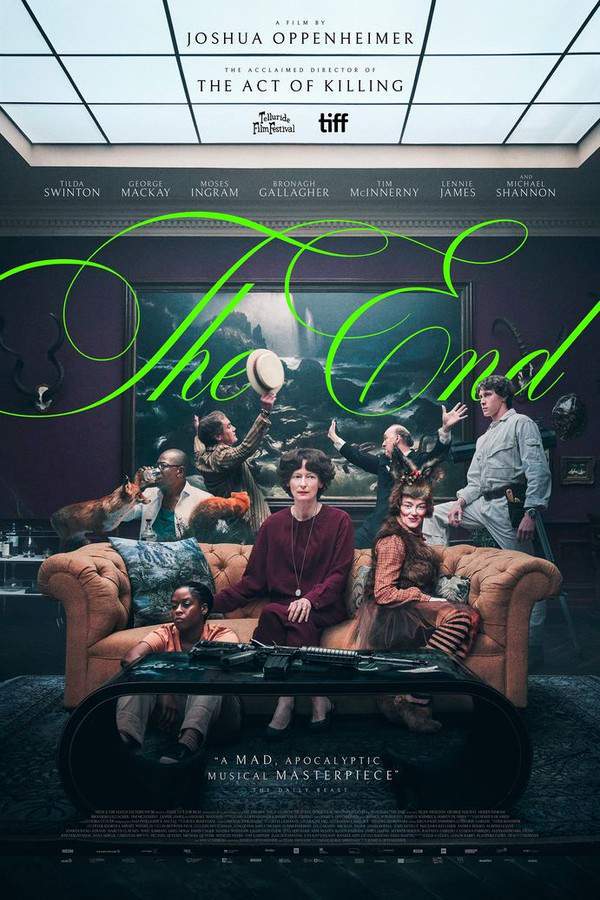
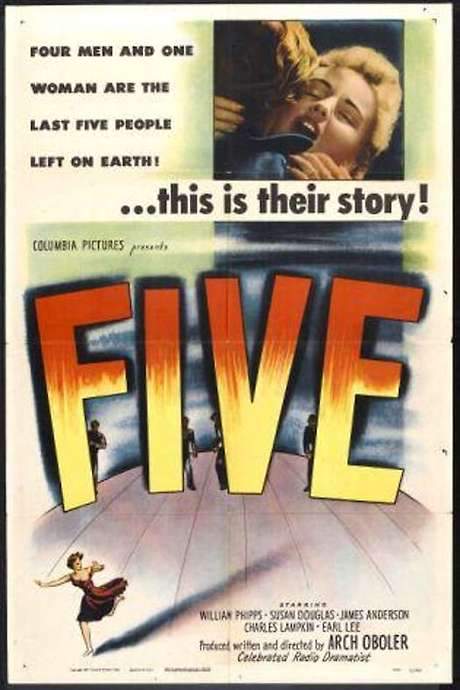
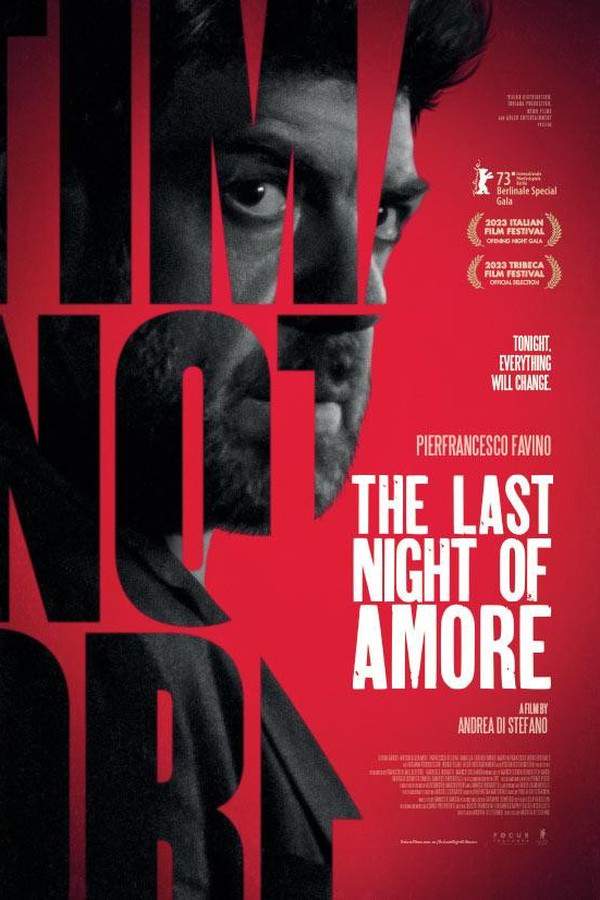
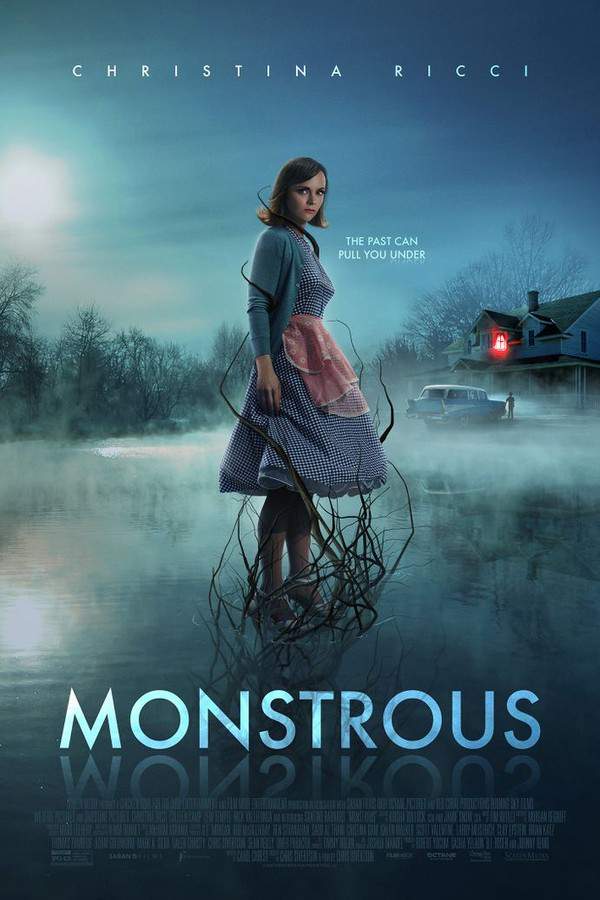
Movies about survival psychology like The Battery
Character-driven stories where the biggest threat is the human mind.If you liked The Battery's focus on the mental strain of survival, you'll find similar stories here. These movies explore the emotional and psychological battles characters face in desolate worlds, prioritizing character drama over relentless action.



Narrative Summary
Stories in this thread follow a small group or individual navigating a broken world. The plot is often secondary to the character study, tracing how isolation, grief, and the need to make brutal choices corrode humanity and relationships.
Why These Movies?
These films are grouped by their shared emphasis on the internal, emotional landscape of survival. They feature slow pacing, heavy emotional weight, and a melancholic tone, creating a coherent experience for viewers drawn to psychological depth in genre settings.
Movies about bleak friendships like The Battery
Stories where a central relationship unravels under unbearable pressure.Fans of The Battery's heartbreaking portrayal of Ben and Mickey's dissolving bond will appreciate these films. They feature pairs or small groups whose relationships are the emotional core, leading to heavy, often bleak conclusions.
The Battery
2012

Silent Souls
2011

Bokeh
2017

Handling the Undead
2024

A Handful of Dust
2019

Last Days
2005

Never Let Me Go
2010

The Black Monk
1988

Neither the Sea Nor the Sand
1972
I Saw the TV Glow
2024

Boy Meets Girl
1984

Melancholia
2011

Goin’ Down the Road
1970

A Room Full of Nothing
2019

Two Lovers and a Bear
2016
Narrative Summary
The narrative follows a duo or tight-knit group whose differing philosophies or circumstances create irreparable conflict. The story arc is typically a downward spiral, moving from fragile cooperation towards inevitable separation or tragedy, emphasizing the theme that some burdens cannot be shared.
Why These Movies?
These movies share a specific emotional pattern: the slow, painful dissolution of a crucial human connection under duress. They are united by a heavy emotional weight, a bleak ending feel, and a focus on grief, loss, and the high cost of survival.
Unlock the Full Story of The Battery
Don't stop at just watching - explore The Battery in full detail. From the complete plot summary and scene-by-scene timeline to character breakdowns, thematic analysis, and a deep dive into the ending - every page helps you truly understand what The Battery is all about. Plus, discover what's next after the movie.
The Battery Summary
Read a complete plot summary of The Battery, including all key story points, character arcs, and turning points. This in-depth recap is ideal for understanding the narrative structure or reviewing what happened in the movie.

Characters, Settings & Themes in The Battery
Discover the characters, locations, and core themes that shape The Battery. Get insights into symbolic elements, setting significance, and deeper narrative meaning - ideal for thematic analysis and movie breakdowns.


