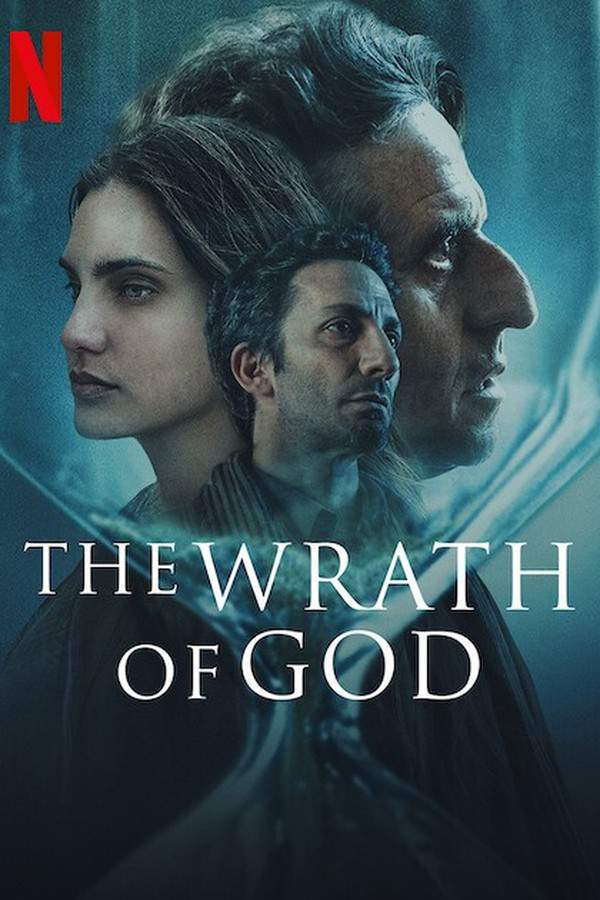
Haunted by a string of mysterious family deaths, Luciana becomes entangled in a terrifying ordeal. Her boss, a writer burdened by guilt, appears to know more than he reveals about the sinister forces at work. Determined to save her sister Valentina, Luciana confronts the encroaching darkness, struggling to discern truth from delusion in a desperate fight for survival and a chance at redemption.
Warning: spoilers below!
Haven’t seen The Wrath of God yet? This summary contains major spoilers. Bookmark the page, watch the movie, and come back for the full breakdown. If you're ready, scroll on and relive the story!
Explore the full timeline and setting of The Wrath of God (2022). Follow every major event in chronological order and see how the environment shapes the story, characters, and dramatic tension.
Last updated: December 03, 2024 at 14:29
Meet the key characters of The Wrath of God (2022), with detailed profiles, motivations, and roles in the plot. Understand their emotional journeys and what they reveal about the film’s deeper themes.
Last updated: December 03, 2024 at 14:29
Explore the central themes of The Wrath of God (2022), from psychological, social, and emotional dimensions to philosophical messages. Understand what the film is really saying beneath the surface.
Last updated: December 03, 2024 at 14:29
Browse frequently asked questions about The Wrath of God (2022) focused on characters, relationships, themes, symbols, setting, and story context. This movie info FAQ gives spoiler-aware explanations for character arcs, world details, and thematic interpretation so readers can better understand what the film is really about.
Mojada is depicted as a fictional country south of Mexico, characterized by rugged landscapes and significant political turmoil. The region is home to the Aymara people and is marked by the scars of revolution and ongoing political unrest.
The film is set in 1922, a period of significant upheaval in Latin America. This era was marked by revolutions and conflicts that shaped national identities, with the struggle between military power and civil rights intensifying throughout the region.
The Aymara people in Mojada live in a matriarchal society, which is central to the film's cultural context. This social structure contrasts with the external political forces threatening their community during the revolutionary period.
The rebellion theme reflects the fight against oppressive forces in a violent backdrop. Characters navigate loyalty, morality, and survival while resisting tyranny. The narrative explores personal vendettas alongside broader sociopolitical conflicts, showing both the costs and necessity of standing against oppression.
Unity emerges through collaboration between characters from different backgrounds, particularly Emmet Keogh, Father Van Horne, and the Aymara people. Their joint efforts symbolize hope in a divided world, showing how solidarity against a common enemy can create strength despite cultural and personal differences.
Faith serves as both a guiding light and a source of conflict. Through Father Van Horne's character, the film explores the struggle between religious duties and personal convictions. The theme examines how belief systems are tested during periods of extreme violence and moral complexity.
Esteban Rey is an Irish patriot portrayed by Juan Minujín who becomes entangled in the revolutionary struggle of Mojada. He embodies the conflict between national identity and the harsh realities of armed conflict, and his evolving relationship with the Aymara people defines his path toward rebellion.
Luciana B is a mute Aymara Indian woman portrayed by Macarena Achaga, representing resilience and cultural strength in the revolutionary context. Her character showcases the harsh realities faced by women during this period, and her bond with Esteban adds emotional depth, symbolizing hope and human connection amid violence.
Kloster, played by Diego Peretti, serves as a foil to Esteban Rey, representing opportunism within the revolutionary context. His self-preservation-focused motivations often clash with the ideals of others, embodying the pragmatic and sometimes ruthless approach required for survival in tumultuous times.
The film portrays a nation marked by the struggle between military power and civil rights, with tension showcaseing the clash between differing ideologies. This environment creates the backdrop for character decisions, emphasizing the resilience of oppressed people during periods of revolution and conflict.
Discover curated groups of movies connected by mood, themes, and story style. Browse collections built around emotion, atmosphere, and narrative focus to easily find films that match what you feel like watching right now.
Stories of ordinary people fighting to survive amid violent political upheaval.Find movies like The Wrath of God, where desperate characters fight for survival in a violent revolutionary landscape. If you enjoyed the high-stakes action and grim political turmoil, explore similar stories of ordinary people pushed to their limits.
The narrative follows protagonists who are not necessarily soldiers or heroes, but civilians or reluctant participants thrust into a life-or-death struggle. The plot is often a linear, fast-paced journey through a series of captures, escapes, and confrontations, where the primary goal is simple survival against overwhelming odds.
These films are grouped by their shared atmosphere of a society in collapse, the high-intensity pacing of a thriller, and the heavy emotional weight of witnessing brutality and loss. They share a dark, resolute tone and focus on the human cost of political conflict.
Characters seek atonement for past guilt in a brutal, high-stakes present.If you liked the theme of guilt and redemption in The Wrath of God, discover other movies where characters seek atonement through violent struggle. These stories feature morally conflicted protagonists and end on a bittersweet note after heavy sacrifice.
The narrative pattern involves a character with a troubled history who is given a chance to rectify past mistakes or protect others. This path to redemption is paved with violence and difficult moral choices. The story concludes with the central threat neutralized, but key losses along the way ensure the ending feels earned yet somber, focusing on the price of absolution.
These films share a focus on moral conflict and the theme of redemption achieved through sacrifice. They blend high-intensity action with heavy emotional drama, resulting in a similarly bittersweet and resonant conclusion that lingers with the viewer.
Don't stop at just watching - explore The Wrath of God in full detail. From the complete plot summary and scene-by-scene timeline to character breakdowns, thematic analysis, and a deep dive into the ending - every page helps you truly understand what The Wrath of God is all about. Plus, discover what's next after the movie.
Read a complete plot summary of The Wrath of God, including all key story points, character arcs, and turning points. This in-depth recap is ideal for understanding the narrative structure or reviewing what happened in the movie.
Track the full timeline of The Wrath of God with every major event arranged chronologically. Perfect for decoding non-linear storytelling, flashbacks, or parallel narratives with a clear scene-by-scene breakdown.
What really happened at the end of The Wrath of God? This detailed ending explained page breaks down final scenes, hidden clues, and alternate interpretations with expert analysis and viewer theories.