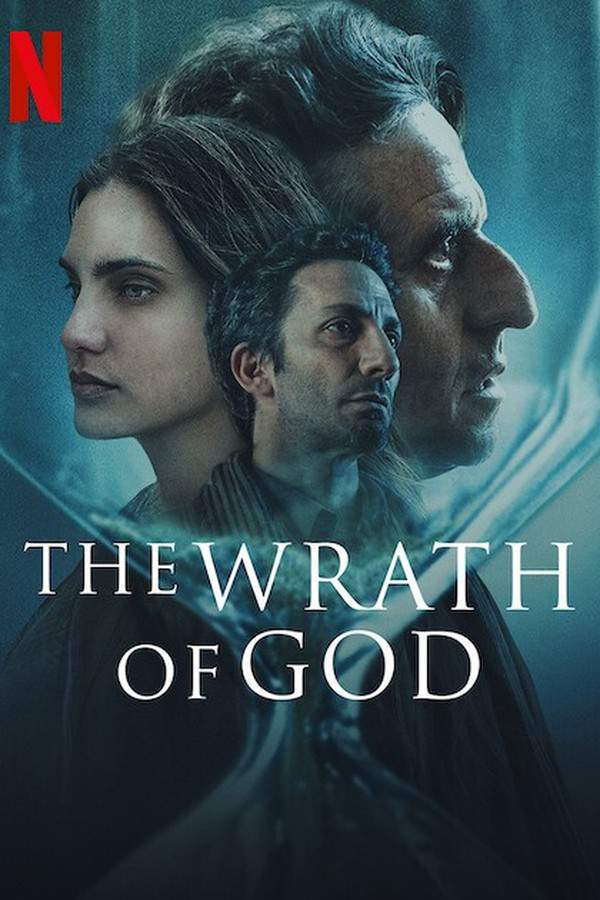
Haunted by a string of mysterious family deaths, Luciana becomes entangled in a terrifying ordeal. Her boss, a writer burdened by guilt, appears to know more than he reveals about the sinister forces at work. Determined to save her sister Valentina, Luciana confronts the encroaching darkness, struggling to discern truth from delusion in a desperate fight for survival and a chance at redemption.
Warning: spoilers below!
Haven’t seen The Wrath of God yet? This summary contains major spoilers. Bookmark the page, watch the movie, and come back for the full breakdown. If you're ready, scroll on and relive the story!
Still thinking about how The Wrath of God (2022) ended? Here’s a full breakdown of the ending, key final moments, major twists, and the deeper meaning behind the film’s conclusion.
*In the final moments of “The Wrath of God,” Luciana, overwhelmed by her suffering and seeking justice, confronts Kloster at his book signing. She pleads with him to end his revenge and take responsibility for his actions, but when he dismisses her plea and minimizes her pain, she chooses to end her life by jumping from the third floor of the bookstore. Her fall is tragic and symbolically represents her final attempt to escape her torment and the cycle of revenge that Kloster embodies. As she falls, her blood splatters across Kloster’s books, signifying how her suffering has become intertwined with his legacy of cruelty.
In the aftermath, Kloster shows no remorse or guilt, remaining untouched by the consequences of his actions. Meanwhile, Esteban witnesses Luciana’s death and later seeks to expose Kloster through a written article. However, his efforts are thwarted by the media’s skepticism and the corrupting influence of Kloster’s stature. The film leaves viewers contemplating the idea that Kloster, in his twisted sense of divine justice, escapes accountability, continuing his manipulative and predatory ways. The ending questions whether true justice can ever be achieved and suggests that revenge and moral corruption often prevail over genuine righteousness, leaving the cycle of violence unresolved.*
Last updated: June 25, 2025 at 08:58
Read frequently asked questions about the ending of The Wrath of God (2022), including final-scene interpretation, twist explanations, character outcomes, and the deeper meaning behind the conclusion. This ending explained FAQ is designed for viewers searching for clear spoiler-heavy answers and ending breakdown insights.
Luciana jumps from the third floor of the bookstore because she is overwhelmed by her suffering and desperate for escape. After confronting Kloster and pleading with him to take responsibility for his actions, he dismisses her plea and minimizes her pain. With no other way out of the cycle of revenge and torment that Kloster embodies, she chooses to end her life as her final attempt to escape her torment.
Earlier in the film, Luciana's desperation and psychological unraveling are visible as she struggles to discern truth from delusion.
The blood splattering across Kloster's books is highly symbolic. It represents how Luciana's suffering and death have become intertwined with Kloster's legacy of cruelty. Her death literally stains his work, suggesting that his words and his 'divine justice' are now permanently marked by the blood of his victims.
Kloster escapes justice because of his stature and influence. After witnessing Luciana's death, Esteban's attempt to expose Kloster through a written article is thwarted by media skepticism and the corrupting influence of Kloster's powerful position. The film suggests that his twisted sense of divine justice and manipulation have protected him from accountability.
Esteban does try to expose Kloster after witnessing Luciana's death, writing an article to reveal his crimes. However, his efforts fail because the media is skeptical and Kloster's status protects him from scrutiny. The ending shows that Kloster's influence is too strong to be overcome by one journalist's revelation.
The ending suggests that revenge and moral corruption often prevail over genuine righteousness. Despite Luciana's desperate plea for Kloster to end his cycle of revenge, he refuses, and she ultimately takes her own life. The film leaves the cycle of violence unresolved, questioning whether true justice can ever be achieved when powerful figures like Kloster operate without accountability.
Kloster shows no remorse because he operates under a twisted sense of divine justice. Throughout the film, he believes his actions are morally justified, viewing himself as an instrument of God's wrath. His inability to recognize his cruelty as wrong means he remains untouched by the consequences of his actions, even when faced with the direct result of his manipulations.
The ending text does not explicitly state Valentina's fate after Luciana's confrontation with Kloster. The focus remains on Luciana's tragic choice and its aftermath, with Valentina appearing to be saved from the immediate danger but left in the wake of her sister's trauma and death.
Kloster is not defeated in any traditional sense. While Luciana confronts him and pays the ultimate price, Kloster remains unpunished and continues his manipulative ways. He escapes accountability, and his legacy of cruelty persists. The film presents a bleak view where the villain effectively wins by avoiding consequences.
The ending questions whether true justice can ever be achieved in a world where powerful individuals like Kloster can escape accountability. Despite Luciana's sacrifice, the system remains corrupt and stacked in favor of those with influence. The film suggests that moral corruption and revenge often triumph over genuine righteousness, leaving viewers with an unresolved sense of injustice.
Luciana confronts Kloster at his book signing because she is determined to save her sister Valentina and put an end to the cycle of revenge. She pleads with him to end his revenge and take responsibility for his actions, believing that direct confrontation might stop the violence. However, her plea falls on deaf ears, leading to her tragic decision.
Discover curated groups of movies connected by mood, themes, and story style. Browse collections built around emotion, atmosphere, and narrative focus to easily find films that match what you feel like watching right now.
Stories of ordinary people fighting to survive amid violent political upheaval.Find movies like The Wrath of God, where desperate characters fight for survival in a violent revolutionary landscape. If you enjoyed the high-stakes action and grim political turmoil, explore similar stories of ordinary people pushed to their limits.
The narrative follows protagonists who are not necessarily soldiers or heroes, but civilians or reluctant participants thrust into a life-or-death struggle. The plot is often a linear, fast-paced journey through a series of captures, escapes, and confrontations, where the primary goal is simple survival against overwhelming odds.
These films are grouped by their shared atmosphere of a society in collapse, the high-intensity pacing of a thriller, and the heavy emotional weight of witnessing brutality and loss. They share a dark, resolute tone and focus on the human cost of political conflict.

Characters seek atonement for past guilt in a brutal, high-stakes present.If you liked the theme of guilt and redemption in The Wrath of God, discover other movies where characters seek atonement through violent struggle. These stories feature morally conflicted protagonists and end on a bittersweet note after heavy sacrifice.
The narrative pattern involves a character with a troubled history who is given a chance to rectify past mistakes or protect others. This path to redemption is paved with violence and difficult moral choices. The story concludes with the central threat neutralized, but key losses along the way ensure the ending feels earned yet somber, focusing on the price of absolution.
These films share a focus on moral conflict and the theme of redemption achieved through sacrifice. They blend high-intensity action with heavy emotional drama, resulting in a similarly bittersweet and resonant conclusion that lingers with the viewer.
Don't stop at just watching - explore The Wrath of God in full detail. From the complete plot summary and scene-by-scene timeline to character breakdowns, thematic analysis, and a deep dive into the ending - every page helps you truly understand what The Wrath of God is all about. Plus, discover what's next after the movie.
Read a complete plot summary of The Wrath of God, including all key story points, character arcs, and turning points. This in-depth recap is ideal for understanding the narrative structure or reviewing what happened in the movie.
Track the full timeline of The Wrath of God with every major event arranged chronologically. Perfect for decoding non-linear storytelling, flashbacks, or parallel narratives with a clear scene-by-scene breakdown.
Discover the characters, locations, and core themes that shape The Wrath of God. Get insights into symbolic elements, setting significance, and deeper narrative meaning - ideal for thematic analysis and movie breakdowns.