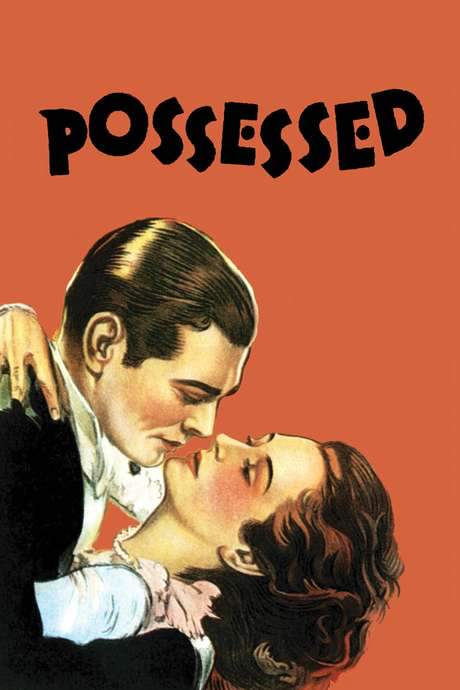
Shelby Barret Wyatt, [Barbara Stanwyck], is a capable stable hand who tends show horses for the snobbish, wealthy widow Mrs. Nicholas, nicknamed Nicko. She meets John 'Johnny' Wyatt, the destitute scion of a once-wealthy Long Island family who rides polo for Nicko. The nouveau-riche Gene Fairchild, a horseman who rides his own entries, is in love with Shelby, while Nicko is in love with Johnny. Despite their best efforts, Shelby and Johnny fall in love, and jealousy tugs at Nicko and Fairchild in equal measure. When Nicko fires Shelby, the action shifts from flirtation to consequence: Johnny, loyal though conflicted, chooses to leave Shelby rather than watch her punished by social scorn, and the two elope.
They return to Wyattville, the town named for Johnny’s family, where Shelby and Johnny try to carve out a life together despite a chilly reception from the snobbish relatives who rule the place. The couple launches a small business handling the horses of their wealthy neighbors, a venture that promises independence but carries the burden of unfamiliar risk and pride. Shelby had hoped for a loan from her Kentucky grandfather to get the enterprise off the ground; when that money never arrives, she borrows from Fairchild [John Eldredge] without telling Johnny, hoping to prove herself capable of supporting them on their own terms. The couple’s fragile happiness is soon threatened by gossip and old money, as Nicko’s insinuations darken Shelby’s prospects and test Johnny’s trust.
The situation grows more perilous when Fairchild invites Shelby aboard his yacht to entertain a wealthy client. She agrees to help, hoping to reach Johnny by phone or by common sense, but the client and his female companion, the chorus girl Olga [Dorothy Tree], arrive in a drunken haze. Olga’s sudden accident—she falls overboard and drowns—and Fairchild’s name becomes entwined with the tragedy. An officer aboard the vessel testifies that he saw Fairchild leaving the ship with a mysterious “woman in red,” casting a pall over Fairchild’s reputation and placing Shelby in a precarious moral position. Shelby, pressed by fear of scandal and the weight of social expectations, finds herself drawn into a conflict that could destroy her marriage and her future.
In the courtroom drama that follows, Shelby makes a stunning turn: she confesses that she is the woman in question. Her testimony is a desperate bid to save Fairchild, even as she understands the personal cost and the risk to her own standing and marriage. The Wyatt family—Uncle Emlen Wyatt and Grandpa Wyatt among them—rally to defend Shelby’s honesty and integrity, underscoring the ties that bind the family beyond social appearances. The confession shifts the courtroom dynamics, and Shelby’s courage sets the stage for a crucial reversal: Fairchild’s fate seems less certain, but Shelby’s honesty casts a new light on the entire affair.
As the case unfolds, Eugene—Fairchild’s rival and party to the complicated web of affections—proposes a different path: divorce Shelby and marry him. Shelby, however, remains steadfast in her love for Johnny, refusing to betray the bond she has with him despite the strain in their marriage. The moment reaches its emotional peak when Shelby steps out of the courthouse to find Johnny waiting in his car. He reminds her of an old pledge they made—that they are a closed corporation, a mutual trust that cannot be broken by scandal or poverty. He offers a quiet, practical comfort as he helps her blow her nose with his own handkerchief, and they share a renewed embrace that signals a recommitment to their life together, defying the pressures that would have torn them apart.
Across its arc, the story tracks a delicate balance between pride, loyalty, and the stubborn persistence of love. Shelby’s willingness to risk her reputation to protect someone she believes in—and Johnny’s steadfast commitment to their shared dream—offer a portrait of resilience in a world ruled by class distinctions and public opinion. The film’s emotional core rests on their decision to stand together, even when it would be easier to retreat into separate paths. The courthouse finale—not just a legal judgment but a moral reckoning—leaves Shelby and Johnny in a place where, despite the odds, their bond remains intact and the future, though uncertain, is still theirs to shape.
In the end, the tale is less about a single act of heroism and more about the quiet courage of two people who refuse to let their love be erased by rumor or money. It is a testament to loyalty, the complexity of social codes, and the stubborn, hopeful belief that a life built together can outlast the sting of scandal.