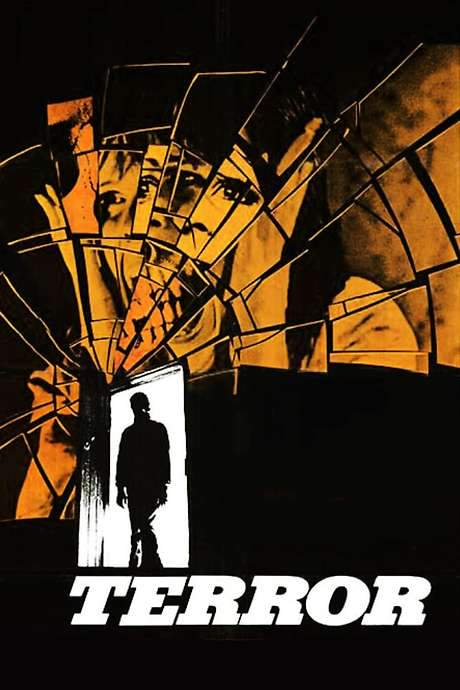
Year: 2007
Runtime: 94 mins
Language: English
Director: Jeremy Kasten
What are you afraid of? In a dark carnival, hypnotist‑magician Montag the Magnificent performs gruesome “illusions” that become reality after the tricks end. An underground journalist investigates the strange deaths, wondering if they are coincidences or proof of ingenious murders, and discovers a truth more bizarre and disturbing than anyone imagined.
Find where to stream, rent, or buy The Wizard of Gore (2007) in the US with current JustWatch availability, up-to-date pricing, and platform listings for subscription, rental, and digital purchase options.
Warning: spoilers below!
Haven’t seen The Wizard of Gore yet? This summary contains major spoilers. Bookmark the page, watch the movie, and come back for the full breakdown. If you're ready, scroll on and relive the story!
Trace every key event in The Wizard of Gore (2007) with our detailed, chronological timeline. Perfect for unpacking nonlinear stories, spotting hidden connections, and understanding how each scene builds toward the film’s climax. Whether you're revisiting or decoding for the first time, this timeline gives you the full picture.
Last updated: February 20, 2026 at 12:14
Find frequently asked questions about the The Wizard of Gore (2007) timeline, including chronological order, nonlinear jumps, cause-and-effect links, and scene sequence clarifications. This timeline FAQ helps explain when key events happen, how moments connect, and why the story unfolds in that specific order.
The film never fully explains the mechanism behind Montag's tricks. During his performances, he performs mutilation illusions on female volunteers who appear unharmed immediately afterward. However, in the days following the shows, the same women collapse and die in public or at home, their bodies showing the same grisly injuries suggested by Montag's act. The film presents this as a supernatural or psychological phenomenon rather than explaining it through conventional magic.
Jack intervenes because he believes Montag is about to harm Sherry and the two plainclothes cops by guiding them into the fire he started through hypnosis. Jack sees this as the only way to stop what appears to be a real murder about to happen on live television. By pushing Montag into the fire, Jack kills him instantly, believing he has saved everyone from Montag's dangerous illusions.
Yes. The film reveals that Jack, Sherry's boyfriend and fellow reporter, is actually Montag the Magnificent in disguise. This explains how Jack was always conveniently present during the investigation and why Montag never seemed to have a solid alibi. The twist reframes the entire investigation as a deception orchestrated by Montag himself.
After Montag (as Jack) attacks and disembowels her, Sherry laughs maniacally and reveals that none of what happened was real, that even Montag is part of her illusion. This suggests that Sherry may be the true mastermind behind everything, orchestrating the entire narrative as a meta-illusion. The statement undermines any stable reality in the film, leaving the true power dynamics completely ambiguous.
Earlier, Sherry hosts a talk show about exposing truth, hinting at her control over narrative.
The ending is deliberately ambiguous. After the home invasion scene where Montag kills Sherry, he is inexplicably teleported back to his stage, dazed and reciting his original opening speech. This suggests the entire narrative may have been another layer of illusion, or perhaps that the story is循环 looping. Sherry's final line to Jack, 'You know what I think? I think he's a phony', implies she may have been controlling the entire experience, reducing Montag to merely a performer within her illusion.
During his appearance on Sherry's talk show, Montag somehow extends his hypnotic influence beyond the studio audience to viewers watching at home. The film presents this as part of his supernatural abilities, his wave of the hand and command over reality affect everyone watching the broadcast simultaneously. This moment establishes that Montag's powers transcend normal stage magic and affect people through visual media.
Earlier speeches about the nature of reality foreshadow his ability to transcend physical boundaries.
Sherry laughs because, according to her, she is not actually hurt, everything happening is part of her illusion. Her laughter is both a sign that she is in control and a meta-commentary on the nature of the film itself. The moment suggests Sherry possesses powers equal to or greater than Montag's, and that her apparent vulnerability was simply part of her performance.
After killing Sherry at her home, Montag is somehow teleported back to his stage, dazed and repeating his original opening monologue. This creates a narrative loop and suggests the entire events may have been another illusion within his show, or that the story exists in a cyclical state where reality and performance constantly blur. The return reinforces the film's themes about the impossibility of distinguishing reality from illusion.
The film deliberately blurs the line between reality and illusion throughout. Montag's stage tricks appear to become real, killing his volunteers. The investigation seems genuine until Jack's reveal as Montag. Then Sherry's revelation that she controls the illusion further destabilizes any fixed reality. The ending suggests even Montag's identity may be performative within Sherry's larger illusion, making the question of what is 'real' fundamentally unanswerable.
Montag's opening speeches about reality being an illusion set up this theme.
The film implies Sherry may be Montag's equal or superior in power. She survives a brutal attack completely unharmed, laughs while claiming control over the entire situation, and her final statement suggests Montag is merely a character in her illusion. However, the ambiguous ending prevents a definitive answer, it's equally possible Sherry is simply playing along with another of Montag's illusions or that the entire exchange is a recursive performance with no clear hierarchy.
Discover curated groups of movies connected by mood, themes, and story style. Browse collections built around emotion, atmosphere, and narrative focus to easily find films that match what you feel like watching right now.
Where illusions bleed into life and what you see might not be real.If you liked The Wizard of Gore's exploration of illusion versus reality, this thread brings you movies that play with perception. Discover similar horror films where stage magic, psychological manipulation, and reality-twisting plots create unsettling experiences.
Stories often follow a protagonist investigating a central illusionist or phenomenon, where initial disbelief gradually gives way to terrifying personal entanglement. The narrative structure typically builds towards a final, reality-shattering revelation or twist.
Movies are grouped here for their shared focus on psychological manipulation, perception-fueled horror, and styles like surrealism or meta-fiction that make you question what's real.
A journalist delves into bizarre murders, finding truth more horrifying than fiction.Fans of The Wizard of Gore's investigative plot will find similar thrillers here. Explore movies where reporters or protagonists chase a mystery, uncovering surreal horror and experiencing a reality that crumbles around them.
The protagonist, often a journalist or skeptic, actively investigates a bizarre mystery. As clues are uncovered, the protagonist's grip on reality weakens, culminating in a conclusion that questions the very nature of what they've witnessed.
They share a core structure of investigation that reveals surreal horror, creating suspense through the protagonist's deepening immersion in a world of graphic violence and psychological manipulation.
Don't stop at just watching - explore The Wizard of Gore in full detail. From the complete plot summary and scene-by-scene timeline to character breakdowns, thematic analysis, and a deep dive into the ending - every page helps you truly understand what The Wizard of Gore is all about. Plus, discover what's next after the movie.
Read a complete plot summary of The Wizard of Gore, including all key story points, character arcs, and turning points. This in-depth recap is ideal for understanding the narrative structure or reviewing what happened in the movie.
Discover the characters, locations, and core themes that shape The Wizard of Gore. Get insights into symbolic elements, setting significance, and deeper narrative meaning - ideal for thematic analysis and movie breakdowns.
Discover movies like The Wizard of Gore that share similar genres, themes, and storytelling elements. Whether you’re drawn to the atmosphere, character arcs, or plot structure, these curated recommendations will help you explore more films you’ll love.
The Wizard of Gore (2007) Plot Summary & Movie Recap
The Wizard of Gore (2007) Scene-by-Scene Movie Timeline
The Wizard of Gore (2007) Spoiler-Free Summary & Key Flow
Movies Like The Wizard of Gore – Similar Titles You’ll Enjoy
Centipede Horror (1982) Detailed Story Recap
The Horror Show (1989) Spoiler-Packed Plot Recap
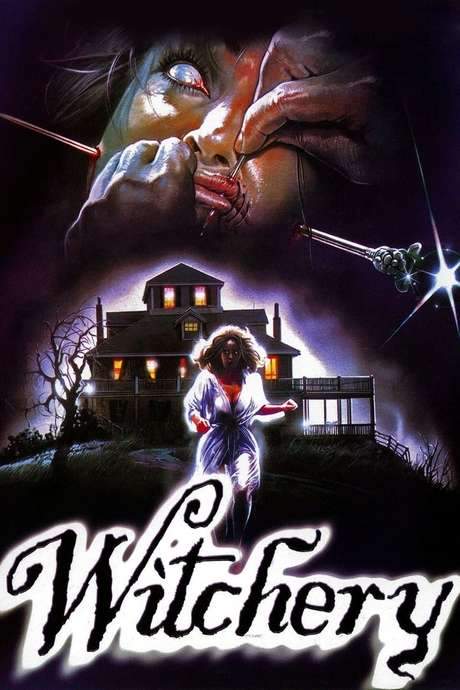
Witchery (1988) Movie Recap & Themes
Nude for Satan (1974) Film Overview & Timeline
Tower of Evil (1972) Complete Plot Breakdown
The Sorcerers (1967) Complete Plot Breakdown
Black Magic Rites (1973) Complete Plot Breakdown
The Wizard of Gore (1970) Movie Recap & Themes
The Gore Gore Girls (1972) Detailed Story Recap
Horror Rises from the Tomb (1973) Full Summary & Key Details
The Magician (1926) Movie Recap & Themes
The Erotic Rites of Frankenstein (1973) Movie Recap & Themes
Terror (1978) Movie Recap & Themes
The Black Belly of the Tarantula (1971) Movie Recap & Themes
The Wizard (1927) Spoiler-Packed Plot Recap