


Plot Explained Spoilers guaranteed!
Plot Explained

Browse by genre

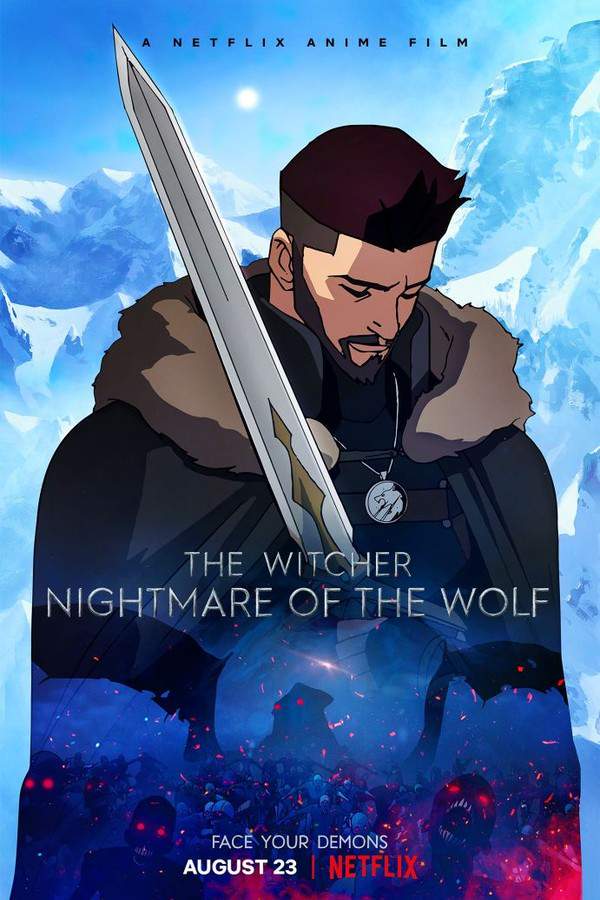
The Witcher: Nightmare of the Wolf (2021) movie poster

Characters & Themes

The Witcher: Nightmare of the Wolf (2021) Characters, Setting & Themes Explained

Release, runtime and language
2021 · 81 min · English
Echo score 70
JustWatch #10,259
Directed by
Kwang Il Han
Starring
Kim Bodnia

This anime origin story follows Vesemir, a predecessor to Geralt of Rivia, as he undertakes a dangerous mission to stop a shadowy threat terrorizing a kingdom. As a skilled and adventurous young witcher, he confronts challenges that force him to reckon with his past and battle both external monsters and inner demons in his pursuit of victory.

On this page (9)
  1. 1 Where to watch
  2. 2 Characters explained (5)
  3. 3 Where & when it takes place
  4. 4 Themes & meaning (3)
  5. 5 Character & meaning questions
  6. 6 The book behind the movie
  7. 7 Movie threads
  8. 8 Movies like The Witcher: Nightmare of the Wolf
  9. 9 Every angle

Where to watch

Where to Watch The Witcher: Nightmare of the Wolf (2021)

Where can you watch The Witcher: Nightmare of the Wolf? Stream, rent or buy it in the US, including on Netflix and Netflix Standard: current JustWatch availability with up-to-date prices.

Streaming availability powered by JustWatch

5 main characters · contains spoilers

The Witcher: Nightmare of the Wolf Characters Explained: Who Is Who

The main characters of The Witcher: Nightmare of the Wolf (2021), heroes and villains: what drives them, how they change over the course of the story and what each of them reveals about the film's bigger ideas.

  • Vesemir (Kim Bodnia)

    Vesemir is a seasoned witcher, imparting knowledge and combat skills to the younger generation. Driven by a strong sense of duty, he faces challenges head-on, demonstrating both vulnerability and leadership. His complex relationship with his past influences his decisions, making him a compelling figure in the battle against darkness.

    • 🧙‍♂️ Witcher
    • 🔥 Mentor
    • 🛡️ Warrior
  • Illyana

    Illyana is a significant figure in Vesemir's life, representing unfulfilled dreams and the warmth of lost love. Her tragic fate fuels Vesemir's emotional journey, as her memories linger, motivating him to protect the future generation. Though her presence is fleeting, her impact resonates deeply throughout the story.

    • ❤️ Love
    • 🌸 Tragedy
    • 🔮 Sorceress
  • Tetra Gilcrest

    Tetra is a cunning sorceress with a vendetta against witchers, believing them to be abominations. Her machinations drive the conflict as she seeks to eliminate them, showcasing a complex antagonist who is both driven and ruthless. Her background reveals deep-seated motivations rooted in personal loss.

    • ⚔️ Antagonist
    • 🌪️ Manipulator
    • 🧙‍♀️ Sorceress
  • Deglan

    Deglan serves as a mentor figure to Vesemir, revealing the harsh realities facing witchers. His decisions, born from desperation, lead to unintended consequences, showcasing the moral ambiguity faced by those in his position. His legacy impacts Vesemir profoundly, as he seeks to instill a sense of honor in the next generation.

    • 🧙‍♂️ Mentor
    • ⚖️ Moral Dilemma
    • 🗡️ Warrior
  • Kitsu

    Kitsu is a hybrid creature whose actions unleash chaos and bring to light the darker side of magic. Representing a blend of humanity and monstrosity, she embodies the consequences of unnatural experimentation. Her relationship to Vesemir highlights themes of manipulation and sorrow.

    • 🐉 Hybrid
    • 🔮 Experiment
    • 😈 Antagonist

Last updated: October 22, 2024 at 19:09

Was this helpful?

Setting

Where and When Does The Witcher: Nightmare of the Wolf Take Place?

The setting of The Witcher: Nightmare of the Wolf (2021): the year and time period, the places and locations, and how they shape the characters, the mood and the tension of the story.

Time period

Medieval

The film takes place during a medieval period, characterized by the existence of mages and monstrous creatures. This time is marked by strife, as witchers face persecution despite their abilities to combat the supernatural, revealing societal tensions and a decline in traditional witcher roles.

Location

Kaedwen, Ard Carraigh, Kaer Morhen

Kaedwen is a significant kingdom known for its rugged landscapes and sprawling forests, where the story begins and unfolds. Ard Carraigh, its capital, serves as a backdrop to intertwined destinies amidst political intrigue and danger. Kaer Morhen, the ancestral home of the witchers, is a place of transformation, training, and tragic history.

  • 🏰 Locations
  • 🌲 Forests
  • 🏔️ Mountains

Last updated: October 22, 2024 at 19:09

Was this helpful?

3 major themes

The Witcher: Nightmare of the Wolf Meaning: Themes & Message Explained

What is The Witcher: Nightmare of the Wolf (2021) really about? The emotional, social and philosophical themes the film keeps returning to, its symbolism and the message beneath the surface.

  • Heroism

    The theme of heroism is central to the narrative, as Vesemir risks his life to protect those weaker than himself and confronts formidable foes. His journey from a young servant to a capable witcher showcases the qualities of bravery and sacrifice inherent in true heroes. Ultimately, the film explores what it means to fight for honor amidst chaos.

  • Loss

    Loss shapes the characters' motivations and decisions throughout the film. Vesemir grapples with the poignant memories of his past, including the death of Illyana and the loss of his mentor Deglan. These heart-wrenching moments fuel his resolve to train the next generation of witchers to face their own adversities.

  • Legacy

    The theme of legacy resonates through Vesemir's mentorship of the young witchers. He strives to impart wisdom and resilience to the boys, ensuring they carry on the witcher's traditions. The choices they face echo the decisions of previous generations, highlighting the ongoing struggle between good and evil.

Last updated: October 22, 2024 at 19:09

Was this helpful?

Character & theme questions

The Witcher: Nightmare of the Wolf Characters & Meaning: Your Questions Answered

The questions people ask about The Witcher: Nightmare of the Wolf (2021): who the characters really are, their relationships, what the symbols mean, where it takes place and what the movie is really about. Each answer contains spoilers.

Q1

Where does the story take place?

The story unfolds primarily in Kaedwen, a rugged kingdom known for its sprawling forests and mountains. Key locations include Ard Carraigh, the capital city serving as a backdrop for political intrigue, and Kaer Morhen, the ancient stronghold where witchers are trained. The contrast between the war-torn kingdom and the remote witcher fortress drives much of the narrative tension.

  • kaedwen
  • ard carraigh
  • kaer morhen
  • setting
  • locations
Q2

What time period is the film set in?

The film is set in a medieval period characterized by the existence of mages, monstrous creatures, and witchers. This era is marked by widespread strife, as witchers face societal persecution despite being the only ones capable of combating supernatural threats. The medieval setting establishes a world where ancient magic coexists with political turmoil.

  • medieval
  • time period
  • era
  • world context
Q3

What is Kaer Morhen?

Kaer Morhen is the ancestral home and fortress of the witchers, serving as both a training ground and a sanctuary. It is a place of transformation where young boys undergo the grueling Trial of the Grasses to become witchers. The stronghold carries a tragic history and represents the last bastion of a dying order facing extinction.

  • kaer morhen
  • witcher stronghold
  • fortress
  • training ground
Q4

Who is Vesemir?

Vesemir is a seasoned witcher and the main protagonist of the film, predating Geralt of Rivia. He serves as a mentor to younger witchers, teaching them combat skills and survival. Driven by a complex past including the loss of his mentor Deglan and unfulfilled love for Illyana, Vesemir embodies both vulnerability and leadership as he battles external monsters and internal demons.

  • vesemir
  • witcher
  • mentor
  • protagonist
Q5

Who is Tetra Gilcrest and why does she oppose witchers?

Tetra Gilcrest is a cunning sorceress who serves as the film's primary antagonist. She harbors deep hatred toward witchers, viewing them as abominations born from unnatural experimentation. Her vendetta stems from personal loss, driving her to orchestrate a conspiracy aimed at eliminating the witcher order entirely. She represents the human threat to witchers, revealing that monsters come in human form as well.

  • tetra gilcrest
  • sorceress
  • antagonist
  • vendetta
Q6

What does the film explore about heroism?

The theme of heroism centers on Vesemir's journey from a young servant to a capable witcher willing to risk his life protecting others. The film examines what it truly means to fight for honor amid chaos, showing that heroism requires sacrifice and bravery. Vesemir's choices demonstrate that true heroes face their fears and accept the consequences of their actions.

  • heroism
  • bravery
  • sacrifice
  • honor
Q7

How does loss shape the characters' motivations?

Loss profoundly influences Vesemir throughout the film, particularly the death of Illyana (his lost love) and Deglan (his mentor). These painful memories fuel his determination to train the next generation of witchers, ensuring they can face their own adversities. The theme explores how past trauma drives present actions and shapes one's sense of purpose.

  • loss
  • grief
  • death
  • motivation
  • trauma
Q8

What does the legacy theme represent in the film?

The legacy theme revolves around Vesemir's mentorship of young witchers, as he imparts wisdom and resilience to ensure the witcher tradition survives. He strives to give the boys a choice their predecessors never had, breaking cycles of sacrifice and servitude. The film shows how current generations echo the decisions of those before them, continuing the struggle between good and evil.

  • legacy
  • mentorship
  • tradition
  • succession
Q9

What is a witcher and what is their role in the world?

A witcher is a monster hunter who has undergone magical mutations to gain enhanced abilities, longer life, and resistance to toxins. Despite their skills in combating supernatural threats, witchers face societal persecution and are often viewed with suspicion and fear. The film explores the moral ambiguity of their profession and the burden of being neither fully human nor fully monster.

  • witcher
  • monster hunter
  • mutations
  • profession
Q10

What is the relationship between witchers and society?

Witchers exist in a tense relationship with the broader society that depends on them but also fears and persecutes them. Despite being the only defense against monstrous creatures, they are viewed as abominations by many, including sorcerers like Tetra Gilcrest. The film highlights this paradox through political intrigue and the persecution witchers face despite their essential role in maintaining safety.

  • society
  • persecution
  • discrimination
  • political tension
Q11

What is Kitsu and what does she represent?

Kitsu is a hybrid creature resulting from unethical magical experimentation, embodying the dark side of magic and the consequences of playing god. Her existence represents the tragedy of unnatural creation and the suffering of beings caught between humanity and monstrosity. Her relationship with Vesemir highlights themes of manipulation, sorrow, and the moral costs of forbidden knowledge.

  • kitsu
  • hybrid
  • experimentation
  • dark magic
Q12

What threats exist in the film's world?

The world faces multiple threats including roaming monsters, political instability, and magical dangers. The film reveals a conspiracy involving the mass creation of monsters by human actors, showing that human greed and revenge pose as much danger as supernatural creatures. This complexity underscores the world's moral gray areas where witchers must navigate between fighting monsters and surviving political machinations.

  • monsters
  • threats
  • danger
  • conspiracy
  • magic

Movie threads

More Movies Like The Witcher: Nightmare of the Wolf, by Mood & Story

Curated lists built around what makes The Witcher: Nightmare of the Wolf tick: the same mood, the same kind of story or the same emotional payoff. Each list explains why these movies belong together.

Mature Animated Fantasy Movies like The Witcher: Nightmare of the Wolf

Visually stunning adult animation that tackles grim, emotionally complex stories. If you enjoyed the dark, violent, and emotionally heavy world of The Witcher: Nightmare of the Wolf, explore other adult-oriented animated films. These movies share a similar grim tone, high-stakes action, and complex themes, proving animation is a powerful medium for mature storytelling.

  • dark fantasy
  • grim
  • violent
  • mythic
  • tragedy
  • epic
  • Tone: dark, grim, melancholic
  • Pacing: fast, action-driven
Why these movies?

The story pattern: These narratives often follow a protagonist through a gritty, fantastical world filled with danger and moral compromise. The journey is typically one of survival against overwhelming odds, forcing the hero to confront their past and make difficult choices that leave lasting scars, culminating in a bittersweet or tragic resolution.

Why they belong together: Movies are grouped here because they use animation as a vehicle for mature, dark fantasy stories. They share a high-intensity, action-packed vibe, a dark and often melancholic tone, and a willingness to explore heavy emotional and philosophical questions within their mythic settings.
Bittersweet Origin Stories like The Witcher: Nightmare of the Wolf

Stories of how a legendary figure's rise is forged in trauma and loss. For viewers who appreciated the tragic backstory of Vesemir in The Witcher: Nightmare of the Wolf, this section highlights similar movies about iconic characters. These films show how heroes are forged through loss, betrayal, and moral compromise, resulting in a poignant and emotionally complex origin.

  • tragic
  • melancholic
  • epic
  • grim
  • mythic
  • emotional
  • Tone: dark, bittersweet
  • Pacing: fast, with emotional reveals
Why these movies?

The story pattern: The narrative pattern follows a character's journey from a relative state of innocence into a hardened, skilled figure. This transformation is catalyzed by a catastrophic event—often involving the loss of a family or order—forcing them to confront a harsh world. The ending is rarely purely happy; instead, it's defined by survival, burden, and the somber acceptance of a new, difficult path.

Why they belong together: These films are connected by their focus on the 'origin' as a tragedy. They share a heavy emotional weight, a bittersweet ending feel, and themes of legacy, survival, and the high price of power. The tone is dark, and the journey is intensely personal, making the hero's future accomplishments feel earned through suffering.

If you liked this

Movies Like The Witcher: Nightmare of the Wolf

Similar movies to The Witcher: Nightmare of the Wolf: the same genre, themes or kind of story. Each one comes with its own plot summary, timeline and ending explained.

Browse all movie summaries

Every angle

The Witcher: Nightmare of the Wolf (2021) Explained: Plot, Ending, Timeline & Characters

Everything about The Witcher: Nightmare of the Wolf in one place: what happens in the plot summary, the timeline in chronological order, the characters and meaning, the ending explained and a spoiler-free summary. What's After the Movie adds the cast, box office and post-credit scenes.

Coming soon on iOS and Android

The Plot Explained Movie Summary App

Plot summaries, endings explained and timelines on your phone. Catch up on any movie in minutes, save your favorites and never miss a twist again.

Be the first to know when we launch. Your email stays private, always.

Learn more about the app