Charlotte and Brandon connect online after both experience relationship failures. Eager to find a perfect match, they embellish and fabricate details about their pasts. As they prepare for their wedding, they soon discover the truth about each other, leading to a humorous and revealing look at the foundations of their relationship. They must confront the lies they’ve told and decide if their connection can survive.
Warning: spoilers below!
Haven’t seen The Way We Weren’t yet? This summary contains major spoilers. Bookmark the page, watch the movie, and come back for the full breakdown. If you're ready, scroll on and relive the story!
Read the complete plot breakdown of The Way We Weren’t (2019), including all key story events, major twists, and the ending explained in detail. Discover what really happened—and what it all means.
1937, a crossroads of passion and principle unfolds as two college students from starkly different worlds cross paths: a staunch Marxist Jew named Katie Morosky and a carefree WASP named Hubbell Gardiner. Katie’s fierce commitment to social causes and anti-war ideals stands in sharp contrast to Hubbell’s easygoing charm and talent for writing. As they get to know one another, Katie admires Hubbell’s looks and wit, while Hubbell is drawn to Katie’s unwavering conviction. Their unlikely pairing is met with skepticism from Hubbell’s circle, who tease Katie’s political stances and lifestyle. Their brief moment of closeness culminates in a long, glorious dance at the senior prom, a sign of chemistry that fate will repeatedly test, before they drift apart.
Fast forward to New York City near the end of World War II, where time and circumstance bring them back into each other’s orbit. Katie is juggling multiple jobs, while Hubbell returns from active duty in the South Pacific as a naval officer, carrying with him stories from the front and the weight of his own comfortable, apolitical orbit. The spark rekindles into a deeper bond, and they fall in love. The momentous era that follows carries the weight of public life and private longing, especially after the death of President Franklin D. Roosevelt. Katie’s indignation toward Hubbell’s friends who crack jokes at her expense clashes with Hubbell’s growing sense of frustration at Katie’s blunt candor and his own reluctance to fully engage with the political storms around them. What begins as a tender romance evolves into a complicated dynamic: Hubbell backs away, and they briefly part, only to eventually reunite.
As their relationship grows more complicated, Hubbell receives an opportunity to adapt his novel into a screenplay. Katie worries that Hollywood might squander his talent, but the couple moves to Malibu, drawn by the glimmer of a film industry lifestyle and the security it promises. It is during this relocation that a revelation sinks in: in the bustle of unpacking, they discover they have already married, sealing their commitment in a world that feels bright yet precarious. The glamour of their new life—furnished by studio contracts and coastal living—shadows the creeping dawn of fear and suspicion that would soon define a nation.
The creeping shadow is the Hollywood blacklist and the rise of McCarthyism, which begin to touch even the couple’s carefully constructed world. Katie’s activist instincts flare anew, pushing against a system that threatens personal privacy and free speech. The clash between her principled stances and Hubbell’s desire for a more secluded, career-centered life strains their marriage. Katie’s pregnancy marks a hopeful milestone, yet it is followed by heartbreak: Hubbell’s affair with a former college girlfriend reveals the limits of what he’s willing to give, and the distance between their dreams becomes increasingly hard to bridge. Katie comes to see that Hubbell may never be the partner she imagined possible, and the emotional toll leaves him exhausted, unable to meet her expectations.
The arrival of their daughter, whom Katie names Rachel, becomes a defining moment. The couple ultimately decides to part ways, their marriage dissolving under the pressure of conflicting values and ambitions. Years pass, and destiny nudges them back into each other’s orbit, briefly and poignantly, in front of the Plaza Hotel in New York City. Katie, a persistent advocate for change, is demonstrating to ban the bomb when a taxi interrupts the moment they almost reconnect. The farewell is tender, bittersweet, and honest—a quiet acknowledgment that the love they shared was real, even if their paths diverged.
In the grand arc of their lives, the story traces the pull between idealism and practicality, love and duty, and the personal costs of standing in the public arena. The timeline—from their fraying youth in the 1930s to the later confrontations with censorship and war-era anxieties—paints a portrait of two people who collide, connect, and ultimately learn to navigate the world on terms that feel true to themselves, even as they walk separate roads. The film remains a nuanced meditation on memory, resilience, and the enduring question of what it means to love in a world that continually tests one’s beliefs.
Last Updated: October 01, 2025 at 13:04
Discover curated groups of movies connected by mood, themes, and story style. Browse collections built around emotion, atmosphere, and narrative focus to easily find films that match what you feel like watching right now.
Romantic relationships where hidden truths and fabricated pasts are slowly revealed.If you enjoyed the revealing drama of The Way We Weren’t, you'll find similar stories here. This collection features movies about couples whose relationships are tested when the idealized versions of themselves begin to crack, leading to bittersweet and reflective journeys about authenticity and forgiveness.
The narrative typically follows a couple who meet under idealized circumstances, often crafting a perfect image for their partner. As their relationship deepens, external pressures or internal guilt cause their fabricated pasts to collide with reality. The story's climax revolves around the confrontation of these truths and the difficult choice of whether to rebuild on honesty or part ways.
Movies in this thread share a focus on the tension between romantic idealism and painful reality. They combine humor from the awkwardness of deception with the heavy emotional weight of betrayal and self-discovery, resulting in a consistently bittersweet tone and a reflective pace.
Character-driven stories that thoughtfully deconstruct the myths and realities of romance.For viewers who liked the reflective and melancholic look at love in The Way We Weren’t, this section highlights similar films. These stories thoughtfully explore the complexities of connection in today's world, focusing on personal growth, the friction between expectation and reality, and the bittersweet nature of enduring affection.
These narratives are less about grand gestures and more about intimate, sometimes awkward, moments of truth. They follow characters on a journey of personal growth, often triggered by a relationship that forces them to be honest with themselves. The plot is driven by internal conflict and dialogue, building towards an ending that is emotionally satisfying but not necessarily conventionally happy.
These films are grouped by their shared contemplative mood and moderate complexity. They prioritize authentic character development over plot twists, using romance as a lens to examine larger themes of self-deception, societal pressure, and the courage required for genuine intimacy, resulting in a heavy emotional weight and a poignant feel.
Don't stop at just watching — explore The Way We Weren’t in full detail. From the complete plot summary and scene-by-scene timeline to character breakdowns, thematic analysis, and a deep dive into the ending — every page helps you truly understand what The Way We Weren’t is all about. Plus, discover what's next after the movie.
Track the full timeline of The Way We Weren’t with every major event arranged chronologically. Perfect for decoding non-linear storytelling, flashbacks, or parallel narratives with a clear scene-by-scene breakdown.
Discover the characters, locations, and core themes that shape The Way We Weren’t. Get insights into symbolic elements, setting significance, and deeper narrative meaning — ideal for thematic analysis and movie breakdowns.
Get a quick, spoiler-free overview of The Way We Weren’t that covers the main plot points and key details without revealing any major twists or spoilers. Perfect for those who want to know what to expect before diving in.
Visit What's After the Movie to explore more about The Way We Weren’t: box office results, cast and crew info, production details, post-credit scenes, and external links — all in one place for movie fans and researchers.
Discover movies like The Way We Weren’t that share similar genres, themes, and storytelling elements. Whether you’re drawn to the atmosphere, character arcs, or plot structure, these curated recommendations will help you explore more films you’ll love.
The Way We Weren’t (2019) Scene-by-Scene Movie Timeline
The Way We Weren’t (2019) Movie Characters, Themes & Settings
The Way We Weren’t (2019) Spoiler-Free Summary & Key Flow
Movies Like The Way We Weren’t – Similar Titles You’ll Enjoy
Let's Tie the Knot, Honey! (2022) Complete Plot Breakdown
The Wedding Date (2005) Movie Recap & Themes
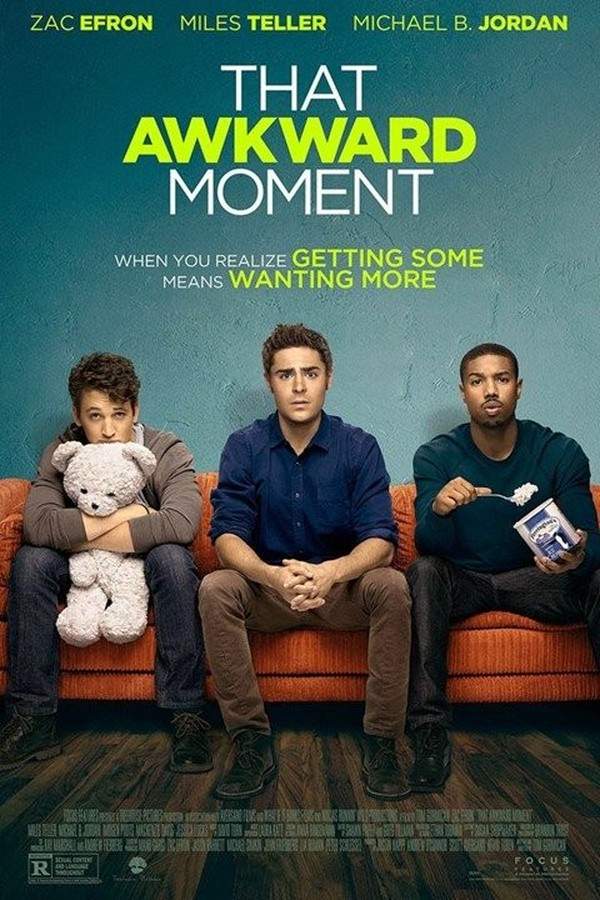
That Awkward Moment (2014) Plot Summary & Ending Explained
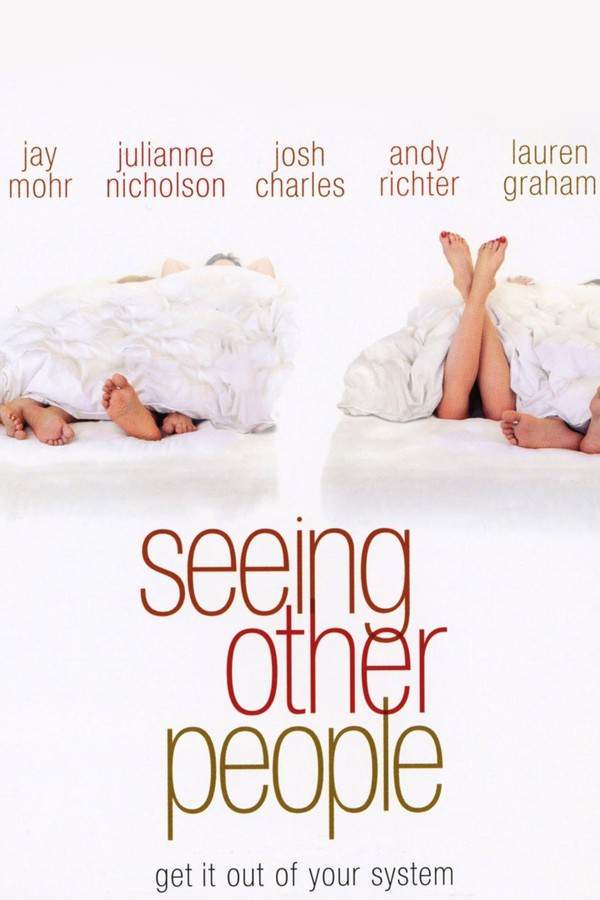
Seeing Other People (2004) Ending Explained & Film Insights
Wedding Swingers (2018) Story Summary & Characters
Getting Played (2005) Plot Summary & Ending Explained
Wedding Daze (2006) Full Movie Breakdown
Everything’s the Wrong Way (1982) Film Overview & Timeline
Men… (1985) Full Movie Breakdown
In a Good Way (2023) Detailed Story Recap
Mr. Wonderful (1993) Complete Plot Breakdown
The Toilers and the Wayfarers (1997) Full Summary & Key Details
The Family Way (1966) Ending Explained & Film Insights
We’re Not Married! (1952) Ending Explained & Film Insights
The Way of All Pants (1927) Detailed Story Recap