Set against the harsh realities of Los Angeles' Skid Row, this film explores the lives of a unique group of individuals. Among the poverty, addiction, and mental illness, former Olympians, Ivy League graduates, and artistic prodigies have formed a resilient community. Through their stories, the film reveals powerful themes of redemption and the enduring strength of the human spirit in the face of adversity.
Find where to stream, rent, or buy Lost Angels: Skid Row Is My Home (2012) in the US with current JustWatch availability, up-to-date pricing, and platform listings for subscription, rental, and digital purchase options.
Warning: spoilers below!
Haven’t seen Lost Angels: Skid Row Is My Home yet? This summary contains major spoilers. Bookmark the page, watch the movie, and come back for the full breakdown. If you're ready, scroll on and relive the story!
Read the complete plot breakdown of Lost Angels: Skid Row Is My Home (2012), including all key story events, major twists, and the ending explained in detail. Discover what really happened, and what it all means.
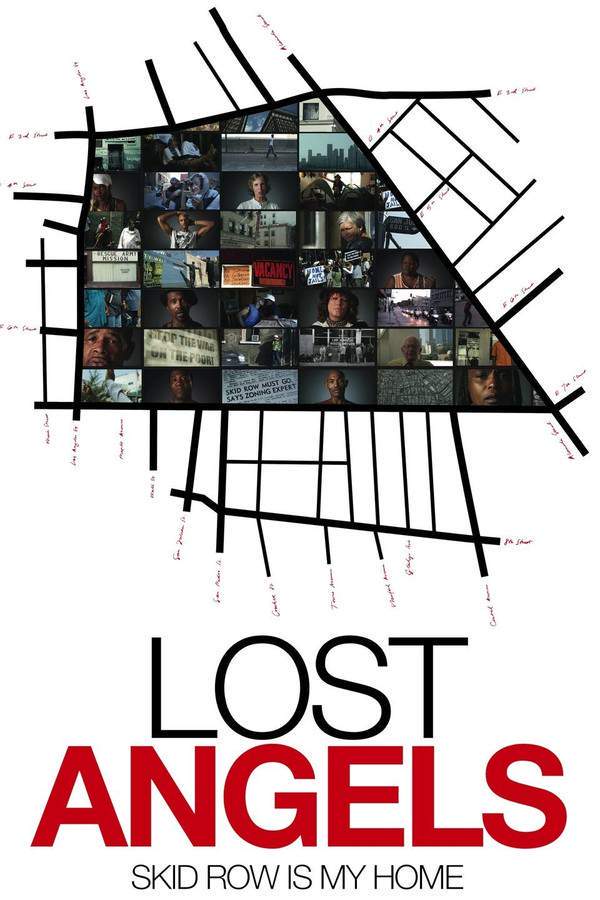
In 2010, Los Angeles, a staggering 10,000 individuals grappling with mental illness reside amidst the challenging environment of Skid Row, a mere one-square mile of Downtown. This area, much like numerous others around the United States, is home to many whose existence is often overlooked. These individuals—often forgotten and unsupported—are visible on the streets, near storefronts, and resting on benches, embodying a community that remains largely invisible.
Directed by Thomas Nappers, LOST ANGELS presents an unflinching yet heartwarming account of eight extraordinary individuals who have carved out a semblance of life for themselves in this unique enclave. Among them is Lee Anne, a former Southern mom, who now devotes her evenings to feeding the stray cats that roam Skid Row. Alongside her is K.K., a former boxer known for his charisma, who fiercely protects Lee Anne while also serving as a compelling historian of the area.
The film introduces Bam Bam, a vibrant transgender figure whose bold demeanor obscures a profound insight into the nature of mental illness. Detroit, a mother of three, abandoned her family in search of something better but found herself without a roof over her head, still striving for personal healing. We also meet O.G., a committed street sweeper and self-appointed chronicler of the neighborhood, as well as Linda Harris, who faces social ostracism due to a rare skin condition yet radiates an inner grace in her community.
General Dogon, a radical ex-convict, has rallied a passionate group of community members to defend civil rights on Skid Row, while Danny Harris, a former Olympic athlete, demonstrates resilience after hitting rock bottom in the shelters, courageously rising from his struggles on the Row.
LOST ANGELS also scrutinizes a neighborhood under siege from gentrification and a police force intent on criminalizing homelessness. It highlights the severe alterations to the mental health care system that have contributed to the current crisis. With the support of dedicated advocates and organizers who fight for the rights of society's marginalized, the residents of Skid Row have come together to resist and reclaim their dignity.
Narrated by Catherine Keener, this insightful documentary sheds light on the proactive strategies that are aiding many in overcoming mental health challenges and substance abuse. For countless individuals, Skid Row emerges as, arguably, the last refuge where they can seek support and construct a meaningful life—illustrating the profound notion that sometimes, home is indeed where the help is.
Last updated: November 07, 2024 at 23:33
Explore frequently asked questions about Lost Angels: Skid Row Is My Home (2012) with spoiler-rich answers covering the full plot summary, major story beats, character motivations, hidden details, and ending meaning. This movie summary FAQ helps explain confusing scenes, plot twists, and narrative decisions in clear, searchable detail.
Lee Anne, a former Southern mom, feeds stray cats as a way to maintain her nurturing nature despite her own difficult circumstances. Her compassion for the animals reflects her need to care for something in an environment where she herself lacks stable support. This act of kindness also represents her way of finding purpose and connection within the Skid Row community.
K.K., a former boxer, acts as Lee Anne's protector due to the vulnerability both face living on the streets. Their relationship is built on mutual dependence and shared history within the community. K.K. also serves as a historian of the area, documenting the stories and resilience of Skid Row's residents.
Bam Bam is a vibrant transgender figure whose bold exterior masks a profound understanding of mental illness. Her presence in the documentary challenges assumptions about identity and survival on Skid Row. Despite facing multiple layers of marginalization, she has carved out a space for herself within the community.
Detroit, a mother of three, left her family in search of a better life but found herself homeless instead. Her journey reflects the difficult circumstances that push people toward Skid Row, often with hope for improvement but without adequate support systems. She continues to seek personal healing while living on the streets.
O.G. works as a street sweeper and self-appointed chronicler of Skid Row, documenting the lives and histories of its residents. His cleaning work represents his contribution to maintaining dignity in the neighborhood, while his role as a chronicler preserves the community's stories that would otherwise be overlooked.
General Dogon, a radical ex-convict, leads community members in defending civil rights on Skid Row. His activism focuses on resisting the criminalization of homelessness and advocating for the basic rights of residents. He rallies others to reclaim their dignity against systemic neglect and external pressures threatening their community.
Danny Harris, a former Olympic athlete, experienced a dramatic fall from grace, ending up in shelters before finding his way to Skid Row. His journey demonstrates how anyone can become homeless, regardless of past achievements. The documentary shows his resilience as he works to rebuild his life from rock bottom.
The documentary addresses how police forces often criminalize homelessness in Skid Row, treating poverty as a law enforcement issue rather than a social services problem. This approach isolates and marginalizes residents further, making it harder for them to access help and exacerbating the crisis.
Gentrification poses a threat to Skid Row as external pressures push for development that could displace long-time residents. The documentary shows the tension between maintaining the community's identity and the forces of change. This struggle highlights the vulnerability of marginalized populations facing economic pressures.
The film critiques the severe alterations to the mental health care system that have contributed to the current crisis in Skid Row. Many residents struggle with mental illness without adequate support, leading them to the streets. The documentary highlights how systemic failures push vulnerable individuals into homelessness.
For many residents, Skid Row has become the last refuge where they can find support and construct a meaningful life. Despite its challenges, the community offers acceptance and resources that elsewhere are inaccessible. The documentary concludes with the idea that home is where the help is, emphasizing community as a form of belonging.
Dedicated advocates and organizers fight for the rights of marginalized individuals on Skid Row, providing essential support and resources. These activists work against systemic neglect, helping residents access services and maintain their dignity. Their efforts represent hope for change within the community.
Discover curated groups of movies connected by mood, themes, and story style. Browse collections built around emotion, atmosphere, and narrative focus to easily find films that match what you feel like watching right now.
Profiles of communities and individuals overcoming profound adversity.If you were moved by the resilience in Lost Angels: Skid Row Is My Home, explore more documentaries that focus on similar themes. These films profile communities and individuals facing adversity, offering a hopeful and humanizing perspective on difficult social issues.
Stories in this thread typically center on a specific marginalized community or a group of individuals, using personal interviews and observational footage to build a portrait of life against the odds. The narrative arc is often one of survival and finding meaning, focusing on the internal strength and communal bonds that help people endure.
These films are grouped together because they share a core philosophy of empathy over exploitation. They balance heavy subject matter with a steady, respectful pacing and an ultimately hopeful tone, prioritizing the human story above the grim circumstances.
Stories where light and humanity are found within dark circumstances.For viewers who appreciated the hopeful core of Lost Angels: Skid Row Is My Home, this collection features similar stories that balance heavy realities with uplifting themes. These dramas and documentaries show characters finding dignity, community, and light in the face of extreme hardship.
The narrative pattern follows characters navigating a harsh or unforgiving environment, whether social, economic, or personal. The central conflict is often against systemic forces or internal struggles, but the resolution hinges on small victories, acts of kindness, and the realization that humanity and hope can persist even in the darkest places.
Movies in this thread share a specific emotional balance: they acknowledge the weight of their subject matter but are fundamentally defined by a hopeful outlook. They often feature steady pacing to allow for reflection and focus on character-driven stories of resilience.
Don't stop at just watching - explore Lost Angels: Skid Row Is My Home in full detail. From the complete plot summary and scene-by-scene timeline to character breakdowns, thematic analysis, and a deep dive into the ending - every page helps you truly understand what Lost Angels: Skid Row Is My Home is all about. Plus, discover what's next after the movie.
Track the full timeline of Lost Angels: Skid Row Is My Home with every major event arranged chronologically. Perfect for decoding non-linear storytelling, flashbacks, or parallel narratives with a clear scene-by-scene breakdown.
Discover the characters, locations, and core themes that shape Lost Angels: Skid Row Is My Home. Get insights into symbolic elements, setting significance, and deeper narrative meaning - ideal for thematic analysis and movie breakdowns.
Discover movies like Lost Angels: Skid Row Is My Home that share similar genres, themes, and storytelling elements. Whether you’re drawn to the atmosphere, character arcs, or plot structure, these curated recommendations will help you explore more films you’ll love.
Lost Angels: Skid Row Is My Home (2012) Scene-by-Scene Movie Timeline
Lost Angels: Skid Row Is My Home (2012) Movie Characters, Themes & Settings
Lost Angels: Skid Row Is My Home (2012) Spoiler-Free Summary & Key Flow
Movies Like Lost Angels: Skid Row Is My Home – Similar Titles You’ll Enjoy
Twilight: Los Angeles (2000) Complete Plot Breakdown
Lost Bohemia (2011) Story Summary & Characters
Dragonslayer (2011) Movie Recap & Themes
Skid Row Marathon (2019) Plot Summary & Ending Explained
Lost in America (2020) Plot Summary & Ending Explained
Angel's Ladies (2000) Full Movie Breakdown
America Lost (2019) Full Summary & Key Details
Lost in America (2019) Plot Summary & Ending Explained
Rising Son: The Legend of Skateboarder Christian Hosoi (2006) Full Summary & Key Details
The Best Hotel on Skid Row (1990) Spoiler-Packed Plot Recap
Fallen Angels (1985) Spoiler-Packed Plot Recap
Lost Angels (1989) Detailed Story Recap
Skid Row (2007) Full Summary & Key Details
Shotgun Freeway: Drives Through Lost L.A. (1995) Story Summary & Characters
Skid Row (1956) Film Overview & Timeline