The Spook Who Sat by the Door

The Spook Who Sat by the Door

Year: 1973

Runtime: 102 mins

Language: English

Director: Ivan Dixon

DramaCrimeWarAction

After securing a position within the CIA by presenting himself as the compliant “Uncle Tom” candidate, the protagonist—an educated Black man—receives top‑secret training. He then turns that knowledge against the establishment, orchestrating a radical, militant uprising that seeks to spark a new American Revolution.

Where to Watch The Spook Who Sat by the Door?

Find where to stream, rent, or buy The Spook Who Sat by the Door (1973) in the US with current JustWatch availability, up-to-date pricing, and platform listings for subscription, rental, and digital purchase options.

Streaming availability powered by JustWatch

Warning: spoilers below!

Haven’t seen The Spook Who Sat by the Door yet? This summary contains major spoilers. Bookmark the page, watch the movie, and come back for the full breakdown. If you're ready, scroll on and relive the story!

Timeline & Setting – The Spook Who Sat by the Door (1973)

Explore the full timeline and setting of The Spook Who Sat by the Door (1973). Follow every major event in chronological order and see how the environment shapes the story, characters, and dramatic tension.

Time period

early 1970s

The early 1970s were marked by a surge of Black nationalism, urban unrest, and ongoing civil rights debates. The film situates its narrative within that volatile period, when institutions faced pressure to demonstrate progress. It shows how policy discussions and public image could mask deeper power struggles.

Location

Chicago, Illinois

Chicago in the early 1970s is portrayed as a city of sharp racial tensions and urgent political debate. The film uses inner-city neighborhoods and government institutions to explore the clash between power, reform, and Black resistance. The urban landscape becomes a stage for covert recruitment, protests, and confrontations between civilians, police, and the National Guard.

🌆 Urban Chicago 🧭 1970s Politics ⚖️ Civil Rights Era

Last updated: October 04, 2025 at 18:19

Was this helpful?

Main Characters – The Spook Who Sat by the Door (1973)

Meet the key characters of The Spook Who Sat by the Door (1973), with detailed profiles, motivations, and roles in the plot. Understand their emotional journeys and what they reveal about the film’s deeper themes.

Dan Freeman (Lawrence Cook)

Dan Freeman is a Black nationalist who covertly enrolls in the CIA, becoming its first Black operative. He navigates the agency’s performative diversity while recognizing it as tokenism. After training, he resigns and returns to Chicago to lead a clandestine group called the Freedom Fighters, using the CIA techniques to push for true liberation.

🧭 Strategy ✊ Black Nationalism 🕵️‍♂️ Espionage

Last updated: October 04, 2025 at 18:19

Was this helpful?

Major Themes – The Spook Who Sat by the Door (1973)

Explore the central themes of The Spook Who Sat by the Door (1973), from psychological, social, and emotional dimensions to philosophical messages. Understand what the film is really saying beneath the surface.

🧭 Militancy

Dan Freeman's CIA training reveals a paradox: a quest for freedom through controlled violence. The film follows his shift from a desk job to leading a clandestine 'Freedom Fighters' network, indicating a strategic, long-game approach to liberation. It presents strategic organization, recruitment, and tactical planning as central to Black empowerment. The narrative uses these elements to critique the efficacy and consequences of militant methods.

🔍 Tokenism & Surveillance

The CIA's attempt to showcase diversity by bringing in Black trainees exposes the emptiness of token representation. Freeman is made to tour visiting Senators to create the illusion of inclusion, while the agency quietly undermines the program. The theme explores how institutional racism and propaganda shape public perception.

✊ Liberation Movement

After returning to Chicago, Freeman mentors a new generation of Black youth and pushes for true autonomy rather than reform-only solutions. The film frames the struggle as a broader national debate about who controls freedom. It emphasizes collective action, organizing, and the moral complexities of fighting for liberation within a resistant power structure.

Last updated: October 04, 2025 at 18:19

Was this helpful?

The Spook Who Sat by the Door (1973) Character & Theme Questions Answered – Info FAQ

Browse frequently asked questions about The Spook Who Sat by the Door (1973) focused on characters, relationships, themes, symbols, setting, and story context. This movie info FAQ gives spoiler-aware explanations for character arcs, world details, and thematic interpretation so readers can better understand what the film is really about.

Q1

Where is The Spook Who Sat by the Door set?

A.

The movie is set in Chicago, Illinois, during the early 1970s. The film uses Chicago's inner-city neighborhoods and government institutions as its primary backdrop, portraying a city marked by sharp racial tensions and urgent political debate. This urban setting serves as both a literal location and symbolic stage for the story's exploration of power, reform, and Black resistance.

chicagosettingurbanlocation1970s
Q2

What time period does The Spook Who Sat by the Door take place in?

A.

The film is set in the early 1970s, a period marked by the surge of Black nationalism, urban unrest, and ongoing civil rights debates. This era saw institutions facing pressure to demonstrate progress on racial equality, while deeper power struggles continued beneath the surface. The time setting is essential to understanding the film's themes of tokenism, militancy, and the broader struggle for Black liberation.

1970stime perioderacivil rightsblack nationalism
Q3

Who is Dan Freeman in The Spook Who Sat by the Door?

A.

Dan Freeman is the protagonist, a Black nationalist who covertly enrolls in the CIA and becomes its first Black operative. He strategically navigates the agency's performative approach to diversity, recognizing it as tokenism. After completing his training, he resigns and returns to Chicago to lead a clandestine group called the Freedom Fighters, using the techniques he learned to push for true Black liberation rather than reform within the system.

dan freemanprotagonistcharacterciablack nationalist
Q4

What is the Militant theme in The Spook Who Sat by the Door?

A.

The film explores militancy as a central theme, following Dan Freeman's transformation from a desk job to leading a clandestine Freedom Fighters network. This theme presents strategic organization, recruitment, and tactical planning as central to Black empowerment. The narrative uses these elements to critique the efficacy and consequences of militant methods in the quest for liberation, revealing the paradox of seeking freedom through controlled violence.

militancyrevolutionfreedom fightersarmed strugglestrategy
Q5

How does The Spook Who Sat by the Door address tokenism?

A.

The film examines tokenism through the CIA's attempt to showcase diversity by bringing in Black trainees. Freeman is made to tour visiting Senators to create the illusion of inclusion, while the agency quietly undermines the program. This theme explores how institutional racism and propaganda shape public perception, exposing the emptiness of token representation in seemingly progressive institutions.

tokenismciadiversityinstitutional racismrepresentation
Q6

What does the title The Spook Who Sat by the Door mean?

A.

The title references the phrase 'the spook who sat by the door,' referring to a Black person used by the CIA as a symbolic gesture of inclusion while being kept in a marginal, non-influential position. The protagonist turns this concept on its head by actually using the position to gain real power and knowledge, then applying it against the very institution that tokenized him.

title meaningspookdoortokencia
Q7

What is the Liberation Movement theme in The Spook Who Sat by the Door?

A.

After returning to Chicago, Freeman mentors a new generation of Black youth and pushes for true autonomy rather than reform-only solutions. The film frames this struggle as a broader national debate about who controls freedom. It emphasizes collective action, organizing, and the moral complexities of fighting for liberation within a resistant power structure, presenting the liberation movement as a strategic, long-game approach.

liberationmovementfreedomautonomycollective action
Q8

What political context does The Spook Who Sat by the Door depict?

A.

The film depicts the volatile political climate of the early 1970s, when institutions faced pressure to demonstrate progress on racial equality. It shows how policy discussions and public image could mask deeper power struggles. The narrative situates itself within the clash between Black resistance movements and a government apparatus attempting to maintain control while appearing to embrace reform.

politics1970sgovernmentpowercivil rightsreform
Q9

What is the CIA's role in The Spook Who Sat by the Door?

A.

The CIA serves as both the institution that trains the protagonist and the symbol of the system he ultimately opposes. Through Freeman's infiltration, the film reveals how intelligence agencies engaged in performative diversity while secretly undermining Black advancement. The CIA's training of Freeman becomes the very tool he uses against the establishment, creating a central irony in the film.

ciatraininggovernment agencyinfiltrationintelligence
Mobile App Preview

Coming soon on iOS and Android

The Plot Explained Mobile App

From blockbusters to hidden gems - dive into movie stories anytime, anywhere. Save your favorites, discover plots faster, and never miss a twist again.

Sign up to be the first to know when we launch. Your email stays private, always.

Explore Movie Threads

Discover curated groups of movies connected by mood, themes, and story style. Browse collections built around emotion, atmosphere, and narrative focus to easily find films that match what you feel like watching right now.

Strategic Revolution Stories like The Spook Who Sat by the Door

Stories of oppressed groups training and executing systematic uprisings.If you enjoyed the methodical planning and execution of the rebellion in The Spook Who Sat by the Door, explore more movies like it. These films feature similar narratives of systematic infiltration, training the oppressed, and executing guerrilla warfare against powerful institutions.

revolutionarymethodicaltensesubversiveurgentmilitantstrategic

Narrative Summary

The narrative pattern follows a protagonist who infiltrates or understands a powerful system, acquires crucial knowledge or skills, and then methodically applies that knowledge to orchestrate a calculated, often violent, resistance. The focus is on the strategic build-up and execution of the rebellion rather than a spontaneous outburst.

Why These Movies?

Movies are grouped here due to their shared focus on the 'how' of revolution: the training, the strategic planning, and the deliberate escalation of conflict. They share a tone of serious, high-stakes resistance and a pacing that emphasizes methodical progression over chaotic action.
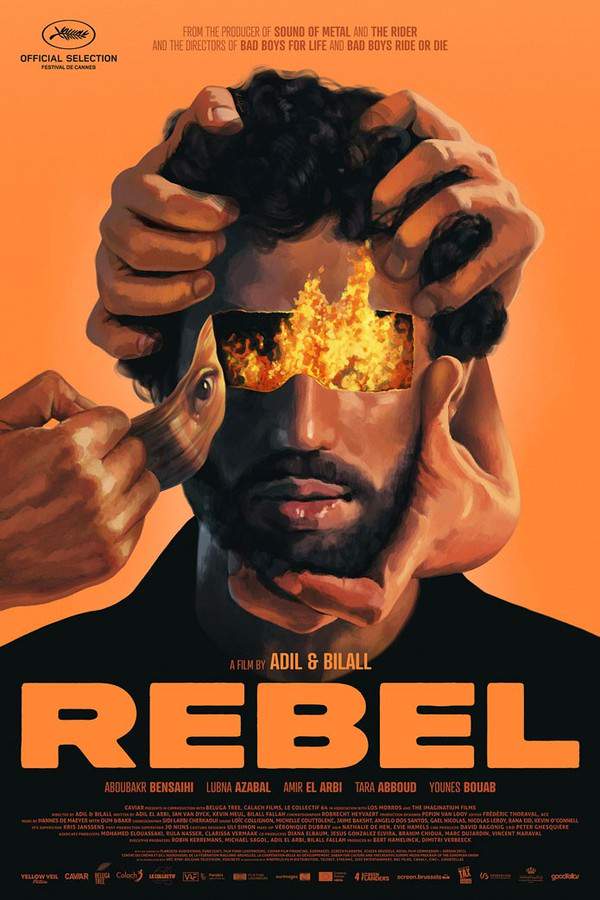
Movies about Subversive Infiltration like The Spook Who Sat by the Door

Protagonists who infiltrate systems only to turn their power against them.Fans of the central premise of The Spook Who Sat by the Door—an undercover agent using institutional knowledge for rebellion—will find similar stories here. These movies explore the tension of double lives and the dramatic moment when the infiltrator's true agenda is revealed.

tenseunsettlingsubversivedualityclandestinedouble agentpsychological tension

Narrative Summary

The narrative follows a character who gains entry into a powerful or hostile organization by concealing their true beliefs or identity. The story builds tension around their performance of compliance, the risk of discovery, and the ultimate execution of their plan to subvert the very system they've joined.

Why These Movies?

These films are connected by the core character arc of the subversive infiltrator. They share a high-tension mood generated by the protagonist's double life, a dark tone due to the morally complex deception, and a focus on the explosive consequences of the hidden agenda being unleashed.

Unlock the Full Story of The Spook Who Sat by the Door

Don't stop at just watching - explore The Spook Who Sat by the Door in full detail. From the complete plot summary and scene-by-scene timeline to character breakdowns, thematic analysis, and a deep dive into the ending - every page helps you truly understand what The Spook Who Sat by the Door is all about. Plus, discover what's next after the movie.

The Spook Who Sat by the Door Summary

Read a complete plot summary of The Spook Who Sat by the Door, including all key story points, character arcs, and turning points. This in-depth recap is ideal for understanding the narrative structure or reviewing what happened in the movie.

The Spook Who Sat by the Door Summary

The Spook Who Sat by the Door Timeline

Track the full timeline of The Spook Who Sat by the Door with every major event arranged chronologically. Perfect for decoding non-linear storytelling, flashbacks, or parallel narratives with a clear scene-by-scene breakdown.

The Spook Who Sat by the Door Timeline

The Spook Who Sat by the Door Spoiler-Free Summary

Get a quick, spoiler-free overview of The Spook Who Sat by the Door that covers the main plot points and key details without revealing any major twists or spoilers. Perfect for those who want to know what to expect before diving in.

The Spook Who Sat by the Door Spoiler-Free Summary

More About The Spook Who Sat by the Door

Visit What's After the Movie to explore more about The Spook Who Sat by the Door: box office results, cast and crew info, production details, post-credit scenes, and external links - all in one place for movie fans and researchers.

More About The Spook Who Sat by the Door

Similar Movies to The Spook Who Sat by the Door

Discover movies like The Spook Who Sat by the Door that share similar genres, themes, and storytelling elements. Whether you’re drawn to the atmosphere, character arcs, or plot structure, these curated recommendations will help you explore more films you’ll love.