


Plot Explained Spoilers guaranteed!
Plot Explained

Browse by genre

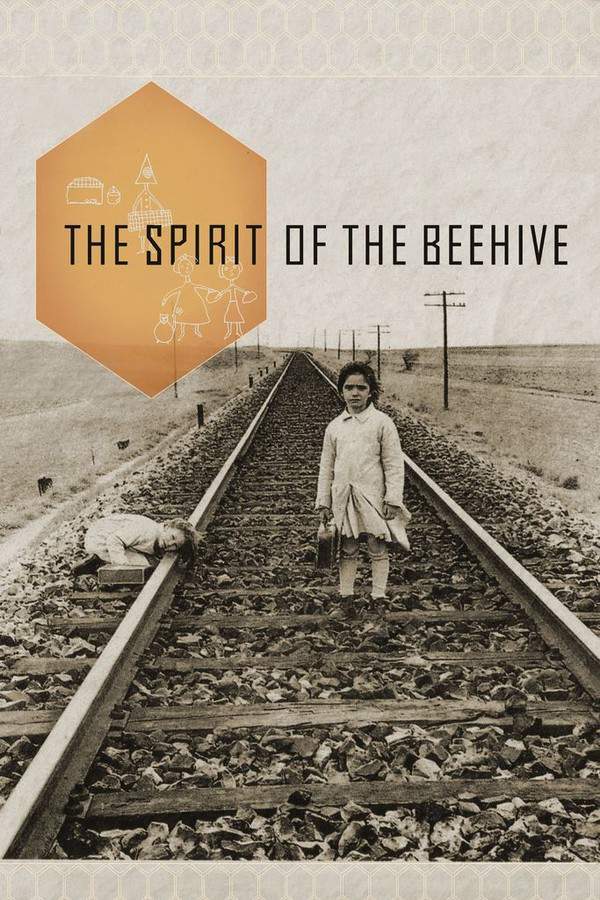
The Spirit of the Beehive (2006) movie poster

Characters & Themes

The Spirit of the Beehive (2006) Characters, Setting & Themes Explained

Release, runtime and language
2006 · 95 min · Spanish
JustWatch #18,737 4
Directed by
Víctor Erice
Starring
Ana Torrent, Fernando Fernán Gómez, Teresa Gimpera

In a small village in post-Civil War Spain, two young sisters are captivated by a film they see at a traveling cinema. One of the girls, believing the film’s imagery to be real, sets out on a journey to find the monster she saw on screen. Her quest becomes a poignant exploration of childhood imagination, loss, and the lingering trauma of the Francoist era, as she seeks connection and understanding amidst a landscape still marked by conflict.

On this page (8)
  1. 1 Where to watch
  2. 2 Characters explained (4)
  3. 3 Where & when it takes place
  4. 4 Themes & meaning (3)
  5. 5 Character & meaning questions
  6. 6 Movie threads
  7. 7 Categories
  8. 8 Every angle

Where to watch

Where to Watch The Spirit of the Beehive (2006)

Where can you watch The Spirit of the Beehive? Stream, rent or buy it in the US, including on Fandango At Home: current JustWatch availability with up-to-date prices.

Streaming availability powered by JustWatch

4 main characters · contains spoilers

The Spirit of the Beehive Characters Explained: Who Is Who

The main characters of The Spirit of the Beehive (2006), heroes and villains: what drives them, how they change over the course of the story and what each of them reveals about the film's bigger ideas.

  • Ana

    played by Ana Torrent

    Ana is a six-year-old girl with a rich inner life and a deep curiosity about the world around her. She embodies the innocence of childhood, yet her experiences force her to confront complex emotions and moral dilemmas. Her interactions with her sister and the wounded soldier reflect her capacity for empathy amid her own struggles with understanding grief and loss.

    • 👧 Child
    • 🌱 Innocence
    • 🌌 Curiosity
  • Isabel

    Isabel, Ana's older sister, serves as both a confidante and a somewhat manipulative figure in Ana's life. While affectionate, she often exploits Ana's innocence, leading her into situations that challenge Ana's understanding of reality. Isabel's influence is crucial in shaping Ana's perceptions and reactions throughout the story.

    • 👩‍👧 Sister
    • 🌀 Influence
    • 💭 Imagination
  • Ana's Father

    played by Fernando Fernán Gómez

    Ana's father is a man preoccupied with beekeeping and the data he collects, frequently neglecting the emotional needs of his family. His fixation on his work symbolizes the struggles many face in balancing personal passion with familial responsibility. His character reflects the broader societal disconnection that follows the civil war.

    • 👨‍🌾 Caregiver
    • 📖 Scholar
    • 🔍 Oblivious
  • Ana's Mother

    played by Teresa Gimpera

    Ana's mother is a distant figure, lost in her own fantasies about a former love. Her character represents the emotional void left in families post-war and the impact of unfulfilled dreams on parental relationships. Although her intentions may be good, her emotional detachment leaves her children craving deeper connections.

    • 👩‍👧‍👦 Mother
    • 📝 Dreamer
    • 🌪️ Detached

Last updated: October 22, 2024 at 21:24

Was this helpful?

Setting

Where and When Does The Spirit of the Beehive Take Place?

The setting of The Spirit of the Beehive (2006): the year and time period, the places and locations, and how they shape the characters, the mood and the tension of the story.

Time period

1940

Set shortly after the Spanish Civil War, the film reflects the socio-political climate of 1940, a time marked by the aftermath of conflict and the rise of Francoist rule. This period was characterized by oppression, censorship, and a struggle for identity, which deeply influences the characters and their relationships. The era's tension serves as a poignant backdrop to the children's simple yet profound experiences in a tumultuous world.

Location

Spanish village, Castilian plateau

The movie takes place in a secluded Spanish village situated on the Castilian plateau, an area known for its serene landscapes and traditional lifestyles. This rural setting provides a backdrop for the intimate familial interactions and the childhood experiences of Ana and her sister, Isabel. The combination of isolation and natural beauty enhances the film's exploration of childhood innocence amidst the harsh realities of post-civil war Spain.

  • 🏡 Village
  • 🌄 Plateau

Last updated: October 22, 2024 at 21:24

Was this helpful?

3 major themes

The Spirit of the Beehive Meaning: Themes & Message Explained

What is The Spirit of the Beehive (2006) really about? The emotional, social and philosophical themes the film keeps returning to, its symbolism and the message beneath the surface.

  • Innocence

    The theme of innocence permeates the film, particularly through Ana's character. Her naive view of the world contrasts sharply with the harsh realities surrounding her, exemplified by her interactions with the wounded soldier and the monstrous imagery from *Frankenstein*. The film poignantly explores how childhood innocence can be both a source of comfort and a vulnerability in a fractured society.

  • Loss

    Loss is a prevalent theme, encapsulated by Ana's experiences both through the soldier's fate and her family's emotional distance. The film illustrates how personal and societal losses intertwine, affecting not just the characters but also their understanding of connection and empathy. This theme resonates deeply as Ana grapples with the invisible scars left by her surroundings.

  • Fantasy vs Reality

    The clash between fantasy and reality unfolds critically through Ana's fixation on the monster from *Frankenstein*. Her desire to connect with this figure symbolizes her need to escape from the harsh truths of her life. This theme reflects the broader human tendency to create illusions as a means of coping with trauma, highlighting the often blurred lines between hope and despair.

Last updated: October 22, 2024 at 21:24

Was this helpful?

Character & theme questions

The Spirit of the Beehive Characters & Meaning: Your Questions Answered

The questions people ask about The Spirit of the Beehive (2006): who the characters really are, their relationships, what the symbols mean, where it takes place and what the movie is really about. Each answer contains spoilers.

Q1

What kind of setting does the film take place in?

The story unfolds in a secluded Spanish village on the Castilian plateau, a rural area characterized by serene landscapes and traditional lifestyles. This isolated environment creates an intimate backdrop for the sisters' childhood experiences while contrasting with the harsh social realities of post-civil war Spain.

  • spanish village
  • castilian plateau
  • rural setting
  • location
Q2

When is the story set?

The film is set in 1940, shortly after the Spanish Civil War. This places the narrative during the early years of Francoist rule, a period marked by oppression, censorship, and collective struggles for identity in the aftermath of conflict.

  • 1940
  • post-civil war
  • francoist era
  • time period
Q3

What role does innocence play in the film?

Innocence is a central theme embodied by Ana, whose naive view of the world contrasts sharply with the harsh realities surrounding her. Her belief that the monster from Frankenstein is real and her interactions with the wounded soldier illustrate how childhood innocence becomes both a source of comfort and a vulnerability in a fractured society.

  • innocence
  • childhood
  • ana
  • vulnerability
Q4

How does the film explore loss?

Loss permeates the film through Ana's experiences with the wounded soldier's fate and her family's emotional distance. The narrative illustrates how personal and societal losses intertwine, leaving invisible scars on the characters. Ana grapples with grief and disconnection in an environment where trauma is woven into everyday life.

  • loss
  • grief
  • trauma
  • emotional scars
Q5

What is the fantasy versus reality theme about?

This theme emerges through Ana's fixation on the monster from Frankenstein, which she believes is real. Her desire to find and connect with this figure symbolizes her need to escape the harsh truths of her life. The film explores how people, especially children, create illusions as a way to cope with trauma, blurring the lines between hope and despair.

  • fantasy
  • reality
  • frankenstein
  • illusion
  • coping
Q6

Who is Ana and what is her role in the story?

Ana is a six-year-old girl with a rich inner life and deep curiosity. As the protagonist, she embodies childhood innocence while being forced to confront complex emotions and moral dilemmas. Her journey reflects her capacity for empathy amid her struggles to understand grief, loss, and the adult world around her.

  • ana
  • protagonist
  • child
  • main character
Q7

What is Ana's father like?

Ana's father is a man obsessed with beekeeping and collecting data, often neglecting his family's emotional needs. His fixation on work symbolizes the broader societal disconnection that followed the civil war, a struggle between personal passion and familial responsibility. He represents the emotional absence common in post-war families.

  • father
  • beekeeping
  • neglect
  • family disconnection
Q8

What is Ana's mother like?

Ana's mother is a distant, emotionally unavailable figure lost in fantasies about a former love. She represents the emotional void left in families after the war and how unfulfilled dreams impact parental relationships. Though possibly well-intentioned, her detachment leaves her children craving deeper connections.

  • mother
  • emotional distance
  • fantasy
  • parental absence
Q9

What role does Isabel play in the story?

Isabel is Ana's older sister, serving as both a confidante and a manipulative influence. While affectionate, she exploits Ana's innocence by leading her into situations that challenge her understanding of reality. Isabel's influence is crucial in shaping Ana's perceptions and reactions throughout the film.

  • isabel
  • sister
  • older sister
  • influence
Q10

Why is the Frankenstein film important in the story?

The traveling cinema's screening of Frankenstein becomes a pivotal element, as Ana mistakenly believes the monster is real. This film-within-a-film serves as a symbolic mirror reflecting themes of isolation, rejection, and the search for connection. The monster becomes a projection of Ana's own longing for acceptance in a world that feels hostile and incomprehensible.

  • frankenstein
  • monster
  • cinema
  • symbolic
  • projection
Q11

How does the post-civil war era influence the story?

The post-civil war setting of 1940s Spain provides a somber backdrop of oppression, censorship, and collective trauma. This political climate permeates the family dynamics, with parents emotionally distant due to their own struggles. The children's innocent quest for meaning unfolds against a world still marked by conflict, adding layers of melancholy and unspoken grief to their journey.

  • spanish civil war
  • oppression
  • censorship
  • trauma
  • political context
Q12

Why is the Castilian plateau setting significant?

The Castilian plateau's serene, isolated landscape emphasizes the contrast between the natural beauty of childhood imagination and the harsh social realities of post-war Spain. This rural seclusion creates an intimate world where the sisters can explore their fantasies, while also highlighting the disconnect from the broader political turmoil affecting their nation.

  • castilian plateau
  • rural landscape
  • isolation
  • contrast

Movie threads

More Movies Like The Spirit of the Beehive, by Mood & Story

Curated lists built around what makes The Spirit of the Beehive tick: the same mood, the same kind of story or the same emotional payoff. Each list explains why these movies belong together.

Movies about childhood imagination confronting reality like The Spirit of the Beehive

Stories where a child's fantasy world confronts a harsh adult reality. If you were captivated by the way The Spirit of the Beehive uses a child's perspective to explore post-war trauma, you'll find similar depth in these films. This collection features movies where young protagonists use their imagination to navigate and understand a broken world, blending poetic beauty with heavy emotional themes.

  • dreamlike
  • melancholic
  • poignant
  • atmospheric
  • contemplative
  • haunting
  • Tone: melancholic, poetic, bittersweet
  • Pacing: slow, contemplative
Why these movies?

The story pattern: Narratives in this thread typically follow a child protagonist whose rich inner life or belief in a fantasy (a monster, a friend, a promised land) serves as a buffer against a difficult reality—be it war, family strife, or political oppression. The journey often involves a gradual, quiet shattering of this innocence, as the fantasy collides with an unforgiving truth, leading to a bittersweet or ambiguous loss of naivety.

Why they belong together: These films are grouped together because they share a unique blend of a child's-eye view, a melancholic tone, and a focus on how imagination mediates trauma. They are united by their slow, atmospheric pacing, heavy emotional weight, and the powerful contrast between youthful wonder and adult sorrow.
Atmospheric post-war dramas with a melancholic tone like The Spirit of the Beehive

Quiet, haunting stories set in the lingering aftermath of war. For viewers who appreciated the haunting, quiet atmosphere of post-Civil War Spain in The Spirit of the Beehive, this list features similar movies steeped in the melancholy of aftermath. These films explore the lingering effects of conflict on individuals and communities through slow, contemplative storytelling and a heavy emotional mood.

  • somber
  • haunting
  • atmospheric
  • quiet
  • contemplative
  • lonely
  • Tone: melancholic, somber, bleak
  • Pacing: slow, atmospheric
Why these movies?

The story pattern: The narrative pattern often revolves around characters grappling with the invisible wounds of war—grief, isolation, and a fractured sense of normalcy. Plots are frequently subtle and character-driven, emphasizing mood over action. The conflict is internal and societal, exploring how people rebuild, remember, or retreat in the face of overwhelming loss, often leading to ambiguous or bittersweet conclusions.

Why they belong together: Movies in this thread share a specific atmospheric quality: a slow, deliberate pace, a dominant melancholic or bleak tone, and a setting defined by the aftermath of violence. They are connected by their focus on the emotional and political residue of conflict rather than the conflict itself, creating a consistent vibe of quiet dread and sorrow.

Categories

Movie Lists Featuring The Spirit of the Beehive

The Spirit of the Beehive appears in these hand-built movie categories. Each one groups movies by a specific mood, theme or story type, with their plot summaries and endings explained.

View all movie categories

Every angle

The Spirit of the Beehive (2006) Explained: Plot, Timeline & Characters

Everything about The Spirit of the Beehive in one place: what happens in the plot summary, the timeline in chronological order, the characters and meaning and a spoiler-free summary. What's After the Movie adds the cast, box office and post-credit scenes.

Coming soon on iOS and Android

The Plot Explained Movie Summary App

Plot summaries, endings explained and timelines on your phone. Catch up on any movie in minutes, save your favorites and never miss a twist again.

Be the first to know when we launch. Your email stays private, always.

Learn more about the app