Plot Explained Spoilers guaranteed!
Plot Explained

Browse by genre

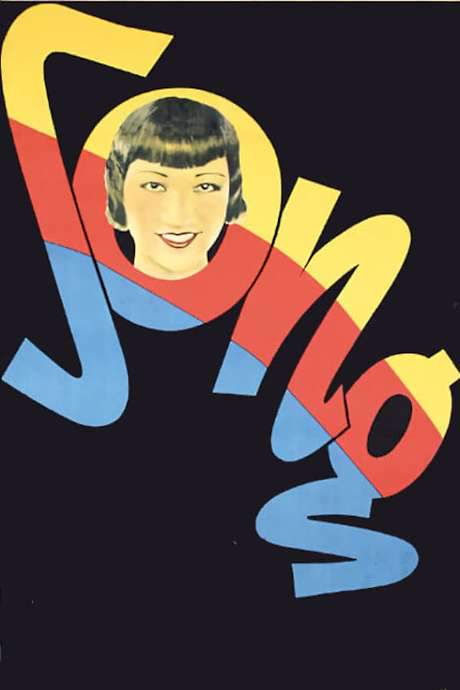
The Song of Songs (1933) movie poster

Characters & Themes

The Song of Songs (1933) Characters, Setting & Themes Explained

Release, runtime and language
1933 · 90 mins · English
Directed by
Rouben Mamoulian
Starring
Lionel Atwill, Hardie Albright, Marlene Dietrich, Brian Aherne, Alison Skipworth, Max Barwyn

After her father’s death, Lily moves to the city to live with her strict aunt. By day she works in the aunt’s bookstore; by night she slips across the street to pose for Richard, a sculptor, and they fall deeply in love. Meanwhile, Baron von Merzbach, a patron of Richard, becomes fascinated with Lily, harboring motives that are far from pure.

On this page (7)
  1. 1 Characters explained (4)
  2. 2 Where & when it takes place
  3. 3 Themes & meaning (3)
  4. 4 Character & meaning questions
  5. 5 Movie threads
  6. 6 Movies like The Song of Songs
  7. 7 Every angle

4 main characters · contains spoilers

The Song of Songs Characters Explained: Who Is Who

The main characters of The Song of Songs (1933), heroes and villains: what drives them, how they change over the course of the story and what each of them reveals about the film's bigger ideas.

  • Lily Czepanek (Marlene Dietrich)

    An innocent peasant girl who enters a world of art and wealth, Lily is initially gentle and open-hearted. Her awakening through nude posing exposes her sexuality and resilience, yet she is susceptible to manipulation by those who seek to control her. Over the course of the story she moves from naivety to a more complex, self-determined stance, ending in a genuine, if complicated, partnership with Richard.

    • 🌸 Naivety
    • 💃 Awakening
    • 💔 Heartbreak
  • Richard Waldow (Brian Aherne)

    A penniless artist who loves Lily but struggles with practicalities, Richard is at once compassionate and wary of letting emotion override reality. He hesitates to fully commit, then acts with remorse and care, inviting Lily back to his studio. His sculpture of Lily becomes a touchstone for their reconciliation and the film's meditation on art, love, and responsibility.

    • 🎨 Artist
    • 💬 Self-doubt
    • 🕊️ Compassion
  • Baron von Merzbach (Lionel Atwill)

    A wealthy aristocrat who views Lily as a possession and a means to maintain influence. He schemes to lure Lily away from her aunt and uses money to buy legitimacy in her life. His vanity collapses when his desires clash with Lily's will to define her own path.

    • 🏰 Aristocrat
    • 💰 Wealth
    • 🪤 Manipulator
  • Mme Rasmussen (Alison Skipworth)

    Lily's aunt and owner of a bookshop, she treats Lily more as a means to financial gain than as family. Her practical, money-driven decisions spur Lily's descent into the Baron's orbit and later set the stage for her disillusionment and pursuit of independence.

    • 👩‍💼 Family dynamics
    • 💸 Materialism
    • 💼 Ambition

Last updated: October 04, 2025 at 18:35

Was this helpful?

Setting

Where and When Does The Song of Songs Take Place?

The setting of The Song of Songs (1933): the year and time period, the places and locations, and how they shape the characters, the mood and the tension of the story.

Time period

Location

Berlin, Baron's estate, Richard's atelier, Berlin cabaret, Mrs. Rasmussen's bookshop

The story unfolds across Berlin and its environs, from a modest bookshop where Lily begins her life to the Baron's lavish estate and the artist's intimate studio. It moves through Berlin's cabaret scene, exposing a city alive with art, desire, and danger. The settings underscore a clash between innocence and exploitation within urban life.

  • 🗺️ City setting
  • 🏰 Aristocracy
  • 🎨 Art scene
  • 🎭 Nightlife

Last updated: October 04, 2025 at 18:35

Was this helpful?

3 major themes

The Song of Songs Meaning: Themes & Message Explained

What is The Song of Songs (1933) really about? The emotional, social and philosophical themes the film keeps returning to, its symbolism and the message beneath the surface.

  • Love Illusion

    Lily's early love for Richard is tender but naive, and the Baron's pursuit reveals how affection can be reshaped by money and status. The relationships test loyalty, resilience, and the cost of chasing romance in a world ruled by wealth. The film traces her shift from innocence toward a more self-determined stance, culminating in a hopeful if uneasy reconciliation.

  • Wealth Power

    Wealth and patronage drive the plot, with the Baron using money to control Lily and secure influence. The aunt's cash bargain and the Baron's estate expose how economic advantage dictates choices and fates. The narrative critiques class dynamics and the commodification of intimacy, while characters struggle with motives and temptations.

  • Art Identity

    Richard's sculpture and Lily's cabaret transformation frame the tension between art and reality. The statue Lily posed for becomes a symbol of innocence, then shatters as she confronts harsh truths. Their reconciliation suggests a mature bond rooted in shared art and experience.

Last updated: October 04, 2025 at 18:35

Was this helpful?

Character & theme questions

The Song of Songs Characters & Meaning: Your Questions Answered

The questions people ask about The Song of Songs (1933): who the characters really are, their relationships, what the symbols mean, where it takes place and what the movie is really about. Each answer contains spoilers.

Q1

Where is the movie set?

The Song of Songs is set primarily in Berlin, moving between several key locations: Mrs. Rasmussen's modest bookshop where Lily works, the Baron's lavish estate, Richard's intimate artist studio, and Berlin's cabaret scene. These settings create a contrast between innocence and exploitation within urban 1930s life.

  • berlin
  • setting
  • bookshop
  • estate
  • studio
  • cabaret
Q2

Who is Lily Czepanek and what is her story?

Lily Czepanek is an innocent peasant girl who moves to Berlin to live with her aunt after her father's death. She works in the aunt's bookshop by day and secretly poses nude for sculptor Richard Waldow by night. Over the course of the film, she transforms from a naive young woman into a more self-determined individual, ultimately seeking independence from those who try to control her.

  • lily
  • peasant girl
  • innocence
  • transformation
  • independence
Q3

What does the Baron want from Lily?

Baron von Merzbach becomes obsessed with Lily and uses his wealth to manipulate her into his orbit. He views her as a possession and a means to maintain his influence, attempting to buy legitimacy in her life. His vanity and sense of entitlement collapse when Lily asserts her own will, refusing to be controlled by his economic power.

  • baron
  • wealth
  • manipulation
  • control
  • aristocrat
Q4

Why does Richard the sculptor matter to the story?

Richard Waldow is a penniless artist who genuinely loves Lily but struggles with practical realities. His sculpture of Lily becomes the film's central symbol, representing her innocence that shatters as she confronts harsh truths. Their reconciliation at the end suggests a mature bond rooted in shared art and experience, offering the film's qualified redemption.

  • richard
  • sculptor
  • artist
  • love
  • sculpture
  • art
Q5

What role does Lily's aunt play in the story?

Mme Rasmussen owns the bookshop where Lily works but treats her niece more as a means to financial gain than as family. Her practical, money-driven decisions directly push Lily toward the Baron's orbit, setting in motion the events that lead to Lily's disillusionment and eventual pursuit of independence.

  • aunt
  • bookshop
  • money
  • exploitation
  • guardian
Q6

What is the Love Illusion theme about?

The Love Illusion theme explores how romantic affection becomes reshaped by money and status. Lily's early love for Richard is tender but naive, while the Baron's pursuit reveals how wealth can distort genuine connection. The film tests loyalty and resilience, showing the cost of chasing romance in a world ruled by economic power.

  • love
  • illusion
  • innocence
  • loyalty
  • romance
Q7

How does the film portray wealth and power?

Wealth and patronage drive the plot, with the Baron systematically using money to control Lily and secure influence over her life. The aunt's cash bargain and the Baron's estate expose how economic advantage dictates choices and fates. The narrative critiques class dynamics and the commodification of intimacy, showing how money warps relationships.

  • wealth
  • power
  • class
  • patronage
  • commodification
  • money
Q8

What does the Art Identity theme represent?

The Art Identity theme examines the tension between art and reality through Richard's sculpture and Lily's cabaret transformation. The statue Lily posed for becomes a powerful symbol, it represents her innocence, then shatters as she confronts harsh truths about exploitation. Their reconciliation suggests a mature bond built on shared artistic understanding.

  • art
  • identity
  • sculpture
  • cabaret
  • transformation
  • reality
Q9

What does the Baron's estate represent?

The Baron's lavish estate symbolizes the corrupting power of wealth and aristocratic privilege. It stands in stark contrast to the modest bookshop where Lily begins, representing the world of exploitation she enters. The opulent setting underscores the class dynamics and the commodification of intimacy that the film critiques.

  • estate
  • aristocracy
  • wealth
  • corruption
  • privilege
Q10

Why is the cabaret scene significant?

Berlin's cabaret scene appears in the film as a setting that exposes a city alive with art, desire, and danger. It represents the darker side of urban nightlife and serves as the environment where Lily's transformation unfolds. The cabaret symbolizes the clash between innocence and the exploitative aspects of urban life.

  • cabaret
  • nightlife
  • berlin
  • desire
  • danger
  • urban

Movie threads

More Movies Like The Song of Songs, by Mood & Story

Curated lists built around what makes The Song of Songs tick: the same mood, the same kind of story or the same emotional payoff. Each list explains why these movies belong together.

Bittersweet Melodramas of Lost Innocence like The Song of Songs

Tragic romantic journeys into disillusionment, ending with a qualified redemption. If you liked the tragic yet redemptive arc of Lily in The Song of Songs, you'll find similar resonance in these movies. This thread gathers stories of young protagonists navigating sexual awakening and class divides, leading to a loss of innocence and a bittersweet emotional conclusion.

  • melancholic
  • tragic
  • passionate
  • redemptive
  • despairing
  • bittersweet
  • Tone: melancholic, tragic, passionate
  • Pacing: steady, deliberate
Why these movies?

The story pattern: The narrative follows a protagonist, often young and inexperienced, who enters a world that corrupts their initial purity. A romantic or artistic entanglement leads to exploitation, forcing them to confront cynicism and harsh truths. The story culminates not in pure despair, but in a complex acceptance or reconciliation that carries the weight of their experiences.

Why they belong together: Movies in this thread share a melancholic tone, a steady, deliberate pacing that allows for emotional depth, and a medium-high emotional weight. They are unified by the core theme of a painful but transformative loss of innocence and a bittersweet resolution that acknowledges both the tragedy and the growth.
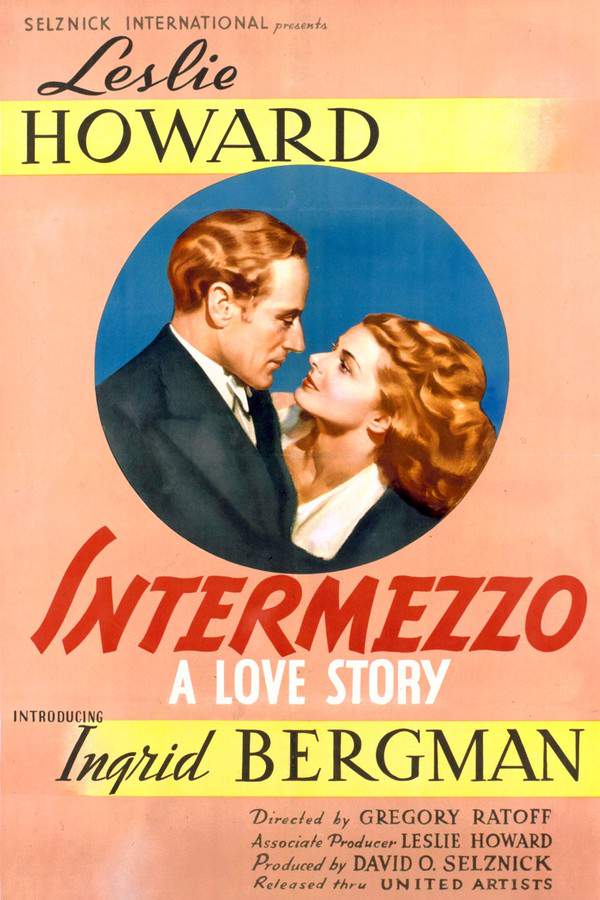
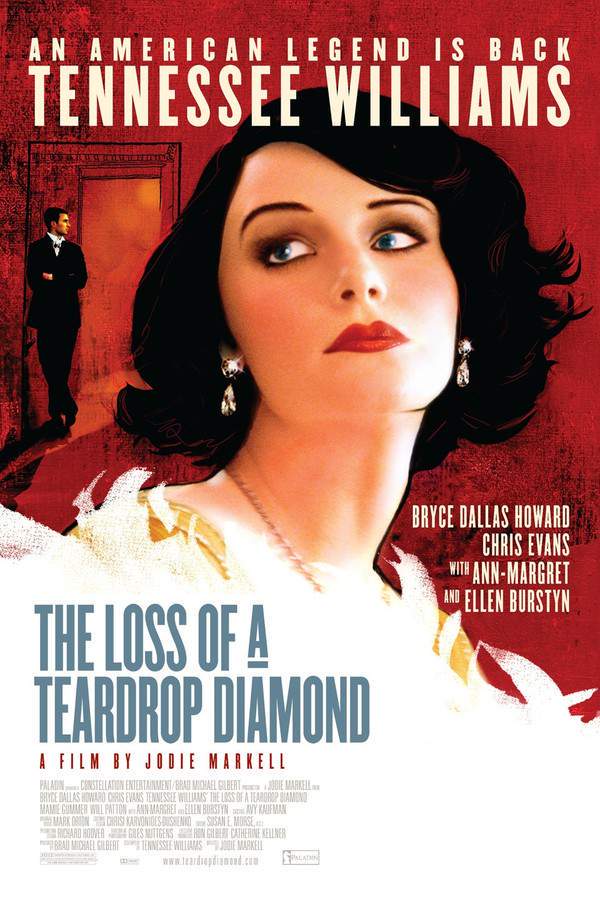
Artistic Love Triangle Stories like The Song of Songs

Where romantic rivalries intertwine with artistic passion, leading to exploitation. Discover movies similar to The Song of Songs that explore the volatile intersection of art, desire, and class. These films feature love triangles where a patron or wealthy figure threatens a genuine artistic connection, creating dramatic tension and themes of exploitation.

  • passionate
  • tragic
  • romantic
  • cynical
  • artistic
  • exploitation
  • Tone: passionate, melancholic, cynical
  • Pacing: steady, dramatic
Why these movies?

The story pattern: The plot revolves around a love triangle involving an artist, their muse or lover, and a wealthy or powerful patron. The patron's desire is often possessive and morally questionable, creating a conflict between genuine creative passion and the corrupting influence of money or status. The narrative explores the ensuing emotional damage and moral compromises.

Why they belong together: These films are grouped by their specific thematic focus on the art world as a backdrop for destructive love triangles. They share a passionate, sometimes cynical mood, a steady pacing that builds dramatic tension, and a consistent exploration of how desire and power dynamics can pervert artistic expression and genuine connection.

If you liked this

Movies Like The Song of Songs

Similar movies to The Song of Songs: the same genre, themes or kind of story. Each one comes with its own plot summary, timeline and ending explained.

Browse all movie summaries

Every angle

The Song of Songs (1933) Explained: Plot, Timeline & Characters

Everything about The Song of Songs in one place: what happens in the plot summary, the timeline in chronological order, the characters and meaning and a spoiler-free summary. What's After the Movie adds the cast, box office and post-credit scenes.

Coming soon on iOS and Android

The Plot Explained Movie Summary App

Plot summaries, endings explained and timelines on your phone. Catch up on any movie in minutes, save your favorites and never miss a twist again.

Be the first to know when we launch. Your email stays private, always.

Learn more about the app