Year: 1973
Runtime: 217 min
Language: French
Director: Jean Eustache
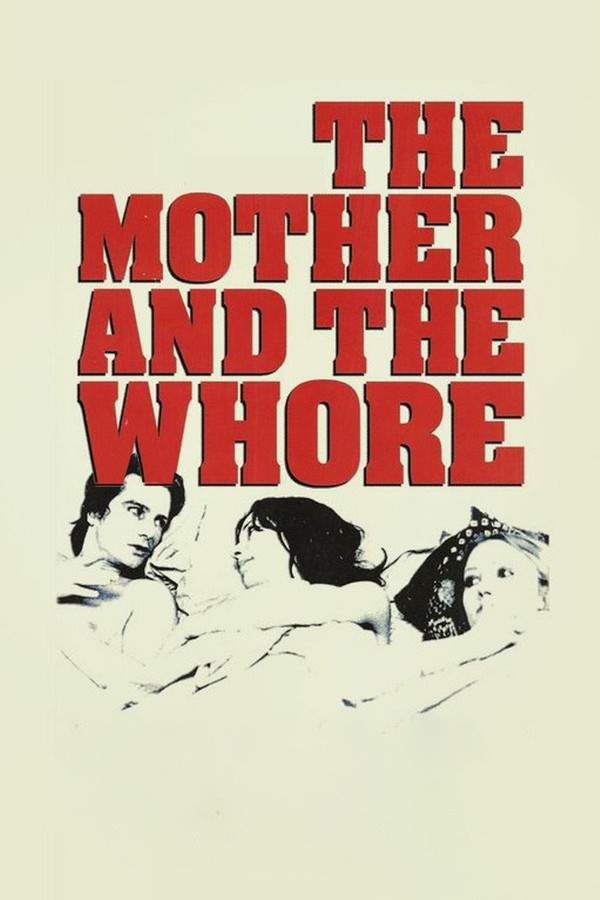
A complex and emotionally charged drama explores the tangled relationships between three people. Alexandre finds himself caught between his girlfriend, Marie, and another woman, Veronika, leading to a passionate but unsustainable affair. As their desires intertwine, jealousy and conflict arise, revealing the challenges and heartaches inherent in love and commitment. The film delves into the intricacies of human connection and the consequences of pursuing forbidden desires.
Warning: spoilers below!
Haven’t seen The Mother and the Whore yet? This summary contains major spoilers. Bookmark the page, watch the movie, and come back for the full breakdown. If you're ready, scroll on and relive the story!
Read the complete plot breakdown of The Mother and the Whore (1973), including all key story events, major twists, and the ending explained in detail. Discover what really happened, and what it all means.
Alexandre, a seemingly aimless young intellectual, navigates life in Paris without a clear direction. An aspiring journalist, he fills his days with deep discussions on political and philosophical themes, often referencing contemporary films like The Working Class Goes to Heaven and reminiscing about the Mai 68 protests. Living with his partner, Marie, who works at a dress store, Alexandre’s nonchalance towards her affections leads to a series of tense confrontations cloaked in her passionate, yet frustrated, denouncements of his behavior.
In a bid to rekindle his romantic life, Alexandre reaches out to an ex-girlfriend, Gilberte, only to face rejection as she decides to marry another man. This fuels Alexandre’s sense of loneliness, prompting him to visit the famed café, Les Deux Magots, where he acquires the number of a woman leaving. Enter Veronika, a Polish French anesthesiologist with a bold outlook on life and relationships. She embodies freedom and promiscuity, ultimately leading Alexandre into a whirlwind of seduction.
As Alexandre’s affair with Veronika blooms, Marie becomes increasingly aware of his betrayal, although their intimacy reignites whenever they find themselves together. During one of [Marie]‘s business trips to London, Alexandre indulges not only with Veronika but also with another friend, further complicating his entangled love life. Each encounter is shadowed by Alexandre’s penchant for lecturing these women about various philosophies, all while setting the mood with classical and pop tunes from his record collection.
The dynamic shifts when a drunken Veronika surprises Alexandre and Marie in bed, leading to a tumultuous three-way relationship that initially excites all parties involved. However, competitive feelings soon surface, as both women vie for Alexandre’s attention. This tension escalates when Marie invites one of her ex-lovers over, prompting a harsh confrontation. Veronika vocally dissects Alexandre’s attitude toward women at Café Flore, branding him incapable of genuine love.
When Marie attempts to end her life with sleeping pills, only to be saved by Alexandre, the dominoes begin to fall. Veronika, in the aftermath, expresses her disillusionment with societal labels placed on sexually liberated women, and she confesses the fear of possibly being pregnant with Alexandre’s child.
In a moment of urgency, Alexandre drives Veronika back to her residence at the hospital, yet his emotions take over as he proposes. Strange laughter mixed with tears follows, as Veronika wrestles with feelings of nausea and fear, begging Alexandre to fetch a dish. In the midst of chaos and uncertainty, Alexandre finds himself troubled and overwhelmed, sitting on the floor, trapped in a web of his own making.
Last updated: November 16, 2024 at 17:39
Explore frequently asked questions about The Mother and the Whore (1973) with spoiler-rich answers covering the full plot summary, major story beats, character motivations, hidden details, and ending meaning. This movie summary FAQ helps explain confusing scenes, plot twists, and narrative decisions in clear, searchable detail.
Alexandre proposes in a moment of panic and guilt after Veronika confesses she might be pregnant with his child while feeling sick and vulnerable. This impulsive proposal is less a romantic gesture and more an attempt to take responsibility for the chaos he has created. However, the proposal comes from a place of emotional overwhelm rather than genuine commitment, which is why Veronika's reaction is mixed laughter and tears rather than clear joy.
Earlier, Alexandre had been criticizing Veronika for her 'promiscuity' while simultaneously pursuing multiple women, establishing his pattern of contradictory behavior.
Marie attempts suicide with sleeping pills after being caught in a painful rivalry with Veronika for Alexandre's attention. The tension between the three has escalated to the point where Marie feels ignored and unimportant. Alexandre has been neglecting her while pursuing Veronika, and even when a three-way relationship forms, Marie still feels secondary. Her suicide attempt is the breaking point of accumulated emotional neglect and jealousy.
Throughout the film, Marie frequently confronts Alexandre about his nonchalance towards her, and her frustration builds as he continues to prioritize other women.
Veronika's mixed reaction of strange laughter and tears reflects her overwhelming emotional state in that moment. She is dealing with possible pregnancy, nausea, fear about her future, and the absurdity of Alexandre's proposal coming amid such chaos. The laughter may be nervous or even ironic - she recognizes the proposal is reactive rather than genuinely romantic. The tears come from genuine fear about the situation and uncertainty about whether she can trust Alexandre's commitment.
Veronika has just expressed disillusionment with how society labels sexually liberated women, showing her vulnerability beneath her bold exterior.
The three-way relationship fails because competitive feelings inevitably surface between Marie and Veronika. Both women begin vying for Alexandre's attention, transforming the initial excitement into jealousy and tension. When Marie invites one of her ex-lovers over in what appears to be a retaliatory move, the situation escalates further. The dynamic becomes unsustainable as genuine emotional connections cannot coexist with such constant competition and resentment.
The initial three-way encounter happens when a drunken Veronika surprises Alexandre and Marie in bed, suggesting the arrangement was born from chaos rather than genuine mutual agreement.
Veronika publicly criticizes Alexandre at Café Flore because she sees through his hypocritical behavior. He lectures women about philosophy and relationships while simultaneously pursuing multiple affairs and treating them inconsistently. She accuses him of being incapable of genuine love, pointing out that he uses intellectual discussions to dominate and control rather than connect authentically. This confrontation highlights the film's criticism of Alexandre as a self-absorbed intellectual who talks about love but cannot truly commit.
Throughout the film, Alexandre is shown using philosophical discussions to set the mood during intimate encounters, revealing his pattern of using intellect as a tool for seduction rather than genuine connection.
Veronika's confession that she might be pregnant with Alexandre's child raises the stakes dramatically and forces Alexandre to confront the real consequences of his actions. It transforms his aimless philandering into something with tangible, life-altering implications. The pregnancy possibility adds urgency to his impulsive proposal and underscores how his avoidance of responsibility has finally caught up with him. It also deepens Veronika's vulnerability, revealing the fear behind her bold exterior.
Veronika earlier expressed disillusionment with societal labels placed on sexually liberated women, showing her awareness of the double standards she faces.
Alexandre is depicted as a seemingly aimless young intellectual who fills his days with political and philosophical discussions without pursuing concrete goals. His aimlessness appears to be a form of resistance against conventional society - he references Mai 68 and rejects traditional success. However, this also serves as a mask for his inability to commit emotionally or take responsibility. His intellectual posturing masks a profound emotional immaturity that damages everyone around him.
The film opens by establishing Alexandre's pattern of deep discussions about films and protests, showing he prefers to contemplate rather than act.
The ending shows Alexandre sitting on the floor, overwhelmed by the emotional chaos he has created through his indecision and self-centeredness. After impulsively proposing to Veronika and dealing with the aftermath of Marie's suicide attempt, he is finally confronted with the consequences of his actions. The image symbolizes his complete emotional collapse - trapped in a web of his own making with no clear way out. The ambiguous ending suggests he remains stuck in this pattern rather than finding resolution.
The entire film has been building toward this moment of reckoning, with each affair and confrontation adding to the emotional weight Alexandre can no longer sustain.
Alexandre visits Les Deux Magots, the famous Parisian café, after being rejected by his ex-girlfriend Gilberte who is marrying another man. Feeling desolate and lonely, he goes to this iconic intellectual gathering spot in search of connection. It is here that he notices Veronika leaving and acquires her number, marking the beginning of his affair. The location represents his attempt to reinvent his romantic life through chance encounters typical of bohemian Parisian intellectual circles.
Alexandre's earlier rejection by Gilberte fuels his sense of loneliness and drives him to seek new romantic opportunities.
Marie becomes increasingly aware of Alexandre's betrayal as his affair with Veronika develops, though the exact moment of discovery is not detailed in the summary. Her awareness is suggested by the tense confrontations that escalate throughout the film. Despite knowing about his infidelity, their intimacy reignites whenever they are together, showing the complicated and unhealthy dynamic of their relationship. Marie's knowledge contributes to her emotional deterioration and eventual suicide attempt.
The film establishes early on that Marie is frustrated with Alexandre's nonchalance towards her, creating tension in their living arrangement.
Discover curated groups of movies connected by mood, themes, and story style. Browse collections built around emotion, atmosphere, and narrative focus to easily find films that match what you feel like watching right now.
Character-driven stories where intense dialogue reveals the complexities of love.If you liked the raw, dialogue-heavy exploration of love in The Mother and the Whore, you'll find similar movies here. These films use intense conversations to delve into the complexities of relationships, desire, and intellectualism, creating a claustrophobic and emotionally demanding experience.
Stories in this thread are driven by conversation, not action. Characters frequently engage in lengthy, philosophical debates about life and love, which often leads to emotional confrontations and a deepening of relational conflicts. The plot is secondary to the evolving dynamics between a small group of characters.
These films are grouped together because they share a focus on intellectual discourse as the primary vehicle for character development and emotional tension. They create a specific atmosphere of urban intellectualism and emotional claustrophobia through their talkative nature.
Stories where a tangled affair leads to profound psychological turmoil.For viewers seeking movies similar to The Mother and the Whore's intense love triangle. These films feature passionate but destructive affairs, high emotional stakes, and a focus on the psychological consequences of entangled desires, resulting in a powerful and exhausting viewing experience.
The narrative pattern follows the formation and inevitable collapse of a three-way relationship. It delves deep into the perspectives of each character, highlighting their vulnerabilities and flaws. The central conflict arises from competing desires and the impossibility of satisfaction, leading to a crisis that leaves the characters emotionally shattered.
These movies are united by their unflinching portrayal of the devastation caused by complicated romantic entanglements. They share a high intensity, a melancholic tone, and a focus on the emotional and existential costs of pursuing unsustainable relationships.
Don't stop at just watching - explore The Mother and the Whore in full detail. From the complete plot summary and scene-by-scene timeline to character breakdowns, thematic analysis, and a deep dive into the ending - every page helps you truly understand what The Mother and the Whore is all about. Plus, discover what's next after the movie.
Track the full timeline of The Mother and the Whore with every major event arranged chronologically. Perfect for decoding non-linear storytelling, flashbacks, or parallel narratives with a clear scene-by-scene breakdown.
Discover the characters, locations, and core themes that shape The Mother and the Whore. Get insights into symbolic elements, setting significance, and deeper narrative meaning - ideal for thematic analysis and movie breakdowns.