Plot Explained Spoilers guaranteed!
Plot Explained

Browse by genre

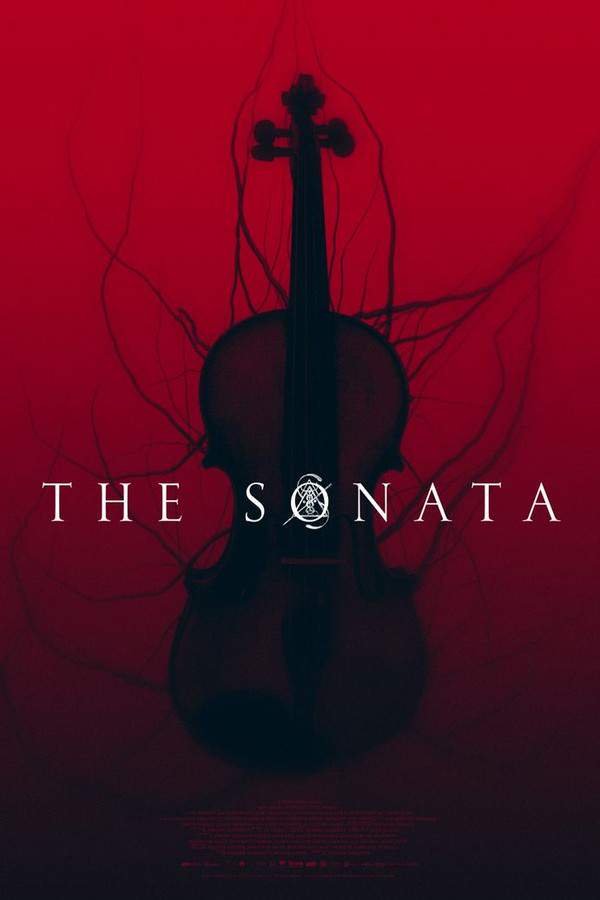
The Sonata (2020) movie poster

Plot Summary

The Sonata (2020) Plot Summary Explained

Release, runtime and language
2020 · 90 min · English
Echo score 53
Loading streaming availability…
Directed by
Andrew Desmond
Starring
Rutger Hauer, Simon Abkarian, James Faulkner, Freya Tingley, Catherine Schaub-Abkarian, Christopher Brand

Following her father's death, a gifted pianist discovers a complex sonata among his possessions. As she unravels the piece, she uncovers a hidden inheritance and a web of cryptic clues suggesting a dark family secret. The music leads her on a perilous journey, revealing a sinister legacy and an unsettling curse that puts her own life in danger.

On this page (6)
  1. 1 Where to watch
  2. 2 What happens: full plot
  3. 3 Plot questions answered
  4. 4 Movie threads
  5. 5 Movies like The Sonata
  6. 6 Every angle
Loading streaming availability…

Full plot summary · contains spoilers

What Happens in The Sonata: Full Plot Summary

The whole story of The Sonata (2020) explained, from the opening scene to the final frame: every key event, every twist and what it all adds up to. Read it as a quick recap before the sequel, to check a scene you missed, or to finally understand what really happened.

Violin virtuoso Rose Fisher and her agent Charles Vernais are thrown into turmoil when they uncover the tragic truth about Rose's estranged father: he took his own life by setting himself ablaze. The revelation is even more shocking as they learn that Rose's father was none other than Richard Marlowe, a once-renowned composer who became an eccentric recluse. Their already strained professional relationship hits a breaking point when Rose chooses to pause her commitments to visit her father's remote French estate, which now belongs to her.

Upon arriving at Marlowe's mansion, she encounters Thérèse, her father's former housekeeper. While in town for cigarettes, Rose feels the weight of her father's notorious legacy as the locals regard her with puzzled glances. Curiosity leads her to discover sheet music for an unfinished violin sonata hidden within her father's desk, adorned with strange occult symbols. When she plays a portion of the music on the piano, a haunting figure temporarily manifests behind her.

In a moment of regret, Rose reaches out to Charles to mend their professional rift. She shares the details of the sonata and sends him images of the cryptic symbols for his insight. Drawn by an eerie presence and a childlike voice, Rose finds herself in the music room again, where she uncovers a clock marked with one of the sonata's symbols. Recognizing the piece as Marlowe's final creation, Charles seeks the expertise of former client and musical prodigy James. James notes that the music is disjointed in parts and, unable to decipher it further, guides Charles to Sir Victor Ferdinand, a music historian who once collaborated with Marlowe.

Investigating the symbols, Victor presents Charles with a book on occult history. He reveals that the strange signs are linked to a clandestine French society that believed music could open a portal to the devil, possibly even summoning the antichrist. However, the deeper they delve, the more Charles suffers from debilitating headaches whenever Victor plays the sonata.

While searching the mansion, Rose finds news clippings of her musical achievements that her father treasured. She also notices one of the occult symbols burned into the fireplace during a fire, leading to a series of nightmarish visions where her father, engulfed in flames, points towards a living statue of cherubs outside. Upon Charles' return to the estate, he informs Rose that the symbols they uncovered each represent one of the four faces of evil: power, immortality, appearance, and duality, collectively forming a fifth, even darker emblem of the occult.

Rose shares her findings with Charles, revealing the symbols found on the clock and in the fireplace. Together, they attempt to reveal hidden musical notes by heating the sheet music, soon realizing the score needs to be played with the clock set an hour ahead. Following Rose's suggestion, Charles seeks out Thérèse again, who recalls seeing another symbol behind a mirror. This leads him to theorize that the sonata should be played backward. Thérèse mentions that Marlowe often vanished into the woods, with the locals suspicious of his involvement in the disappearances of children.

As Rose explores the woods, she stumbles upon an old chapel leading to a chilling underground chamber. There, murals depict demonic motifs, alongside recordings of Marlowe capturing the screams of children. On her return, Rose encounters several ghostly children, which she relays to Charles. As his fixation on solving the sonata intensifies, Rose reveals the duality symbol associated with the cherub statue they saw outside, indicating that the sheet music must be layered over each other for clarity.

With the final symbol—the fifth—unveiled in a rose depicted on a portrait of Marlowe, Charles realizes that the score was written for Rose's innocent soul, intricately composed from the anguished screams of kidnapped children. Horrified by the malevolent nature of the music, Rose attempts to destroy the pages and contact the authorities. However, consumed by obsession, Charles chokes Rose, compelling her to play the sinister sonata.

As she plays, her eyes gleam with an otherworldly light, and ghostly children appear. Tragedy strikes when a demonic entity manifests, claiming Charles's life violently. The final note played shatters the windows, and the following day, Thérèse discovers Charles's lifeless body.

Time passes, and at the prestigious Royal London Concert Hall, Victor witnesses an unsettling performance by Rose. As she begins to play the haunting sonata in front of an audience, her eyes exhibit the glow of possession, hinting that the dark legacy of her father's music may not yet be finished.
Last updated: October 27, 2024 at 21:38

Was this helpful?

Plot questions answered

The Sonata Plot Explained: Your Questions Answered

The questions people ask most about The Sonata (2020): what happens in the confusing scenes, why the characters do what they do, the twists, hidden details and what the ending means. Each answer contains spoilers.

Q1

Why did Richard Marlowe set himself on fire?

Richard Marlowe took his own life by setting himself ablaze, but the deeper reason was his guilt over the demonic sonata he composed using the screams of kidnapped children. The film reveals he was consumed by the occult legacy he created and likely knew the curse would eventually claim him or those who pursued it.

Foreshadowing: Earlier in the film, Thérèse mentions that locals suspected Marlowe was involved in children's disappearances, hinting at his dark deeds.

  • richard marlowe
  • suicide
  • death
  • guilt
  • fire
Q2

What do the occult symbols on the sonata mean?

The symbols represent the four faces of evil: power, immortality, appearance, and duality. Together, they form a fifth, darker emblem associated with summoning the antichrist through music. Charles discovers this when researching with Victor, who reveals the symbols are linked to a secret French society that believed music could open a portal to the devil.

Foreshadowing: When Rose first plays the sonata, a haunting figure manifests behind her, confirming the symbols have supernatural power.

  • occult symbols
  • four faces of evil
  • devil
  • portal
  • antichrist
Q3

Why was the sonata composed using children's screams?

Charles realizes the horrifying truth: Richard Marlowe kidnapped children and recorded their anguished screams to compose the sonata. The piece was specifically written for Rose's innocent soul, making it a conduit for summoning demonic forces. This explains why playing the full sonata unleashes the supernatural entity.

Foreshadowing: Rose discovers recordings of children screaming in the underground chamber, foreshadowing the son's origins.

  • children screams
  • kidnapping
  • composition
  • rose
  • innocent soul
Q4

What happens to Charles at the end?

Charles is killed by a demonic entity when Rose is forced to play the cursed sonata. As she performs, the supernatural force manifests violently and claims his life right in the mansion. Thérèse discovers his lifeless body the next day.

Foreshadowing: Earlier, Charles suffers debilitating headaches whenever Victor plays the sonata, showing the music's corrupting influence on him.

  • charles death
  • demon
  • killed
  • mansion
  • supernatural
Q5

Is Rose possessed at the end of the movie?

Yes, the ending strongly implies Rose is possessed by the demonic force. At the Royal London Concert Hall, her eyes exhibit an otherworldly glow as she begins playing the haunting sonata in front of an audience. This suggests the curse has taken hold of her and the dark legacy continues.

Foreshadowing: When Rose plays the sonata, her eyes gleam with otherworldly light, and ghostly children appear around her.

  • rose
  • possessed
  • ending
  • concert
  • eyes glow
  • curse
Q6

What was Richard Marlowe doing in the woods?

Rose discovers the horrifying answer when she explores the woods near the mansion and finds an old chapel with an underground chamber. Inside are murals depicting demonic motifs and recordings of Marlowe capturing children's screams. This confirms he was kidnapping and torturing children to create his sonata.

Foreshadowing: Thérèse mentions that Marlowe often vanished into the woods and that locals were suspicious of children's disappearances.

  • woods
  • chapel
  • underground chamber
  • children
  • recordings
  • kidnapped
Q7

Why did Charles become obsessed with solving the sonata?

Charles became increasingly obsessed with deciphering the sonata because the demonic music was corrupting him. He experiences debilitating headaches when Victor plays the piece, and as he gets closer to the truth, his behavior turns violent and controlling. The curse appears to have manipulated his mind, leading him to force Rose to play the sonata despite knowing its evil nature.

Foreshadowing: The headaches Charles suffers whenever the sonata is played indicate the music's supernatural influence over him.

  • charles
  • obsession
  • sonata
  • corruption
  • headaches
  • control
Q8

What is the connection between the clock and the sonata?

Rose discovers a clock marked with one of the sonata's symbols in the music room. Together with Charles, they realize the sheet music contains hidden notes that can only be revealed by heating the paper. They also figure out the clock must be set an hour ahead for the sonata to be played correctly, revealing another layer of the puzzle meant to protect or unlock the demonic power.

Foreshadowing: The hidden notes in the sheet music are a crucial clue that leads to understanding the sonata's true purpose.

  • clock
  • hidden notes
  • sheet music
  • heat
  • symbol
  • puzzle
Q9

What does the duality symbol represent in the film?

The duality symbol is associated with the cherub statue outside the mansion. Rose realizes the sheet music must be layered over each other to reveal the full composition. This duality represents the conflict between good and evil, innocence and corruption, which is embodied in Richard Marlowe's own dual nature as both a renowned composer and a child kidnapper.

Foreshadowing: Rose notices the symbol burned into the fireplace and later connects it to the cherub statue during her visions.

  • duality
  • cherub statue
  • sheet music
  • layering
  • good evil
Q10

Why does Charles think the sonata should be played backward?

After finding another symbol behind a mirror through Thérèse, Charles theorizes that playing the sonata backward might reveal hidden elements or reverse the occult summoning. This theory stems from their progressive understanding of the piece as a complex puzzle-box designed by Richard Marlowe, though the backward playing ultimately doesn't prevent the demonic manifestation.

Foreshadowing: Each new symbol discovery adds another layer to the mystery, with the mirror symbol suggesting reversal or inversion.

  • backward
  • mirror
  • reverse
  • symbols
  • theory
  • charles
Q11

Why does Rose see ghostly children?

Rose encounters ghostly children both in the mansion and after her exploration of the underground chamber. These apparitions are the souls of the children Richard Marlowe kidnapped and killed to create the sonata. They appear as manifestations tied to the cursed music, and they become visible when Rose is being drawn deeper into the supernatural reality of her father's legacy.

Foreshadowing: Rose discovers recordings of children's screams in the underground chamber, directly connecting to the ghostly encounters.

  • ghost children
  • spirits
  • mansion
  • souls
  • manifestation
  • supernatural
Q12

Why does Rose inherit her father's estate?

Rose inherits her father's remote French estate because she is his biological daughter, though they were estranged. Richard Marlowe left the mansion to Rose in his will, making her the owner of both the property and everything in it, including the cursed sonata and the dark secrets hidden within.

Foreshadowing: Rose is described as estranged from her father, yet she is his sole heir.

  • inheritance
  • estate
  • will
  • father
  • daughter
  • mansion

Movie threads

More Movies Like The Sonata, by Mood & Story

Curated lists built around what makes The Sonata tick: the same mood, the same kind of story or the same emotional payoff. Each list explains why these movies belong together.

Cursed inheritance movies like The Sonata

Where an inheritance reveals a terrifying past that threatens the present. If you liked the way The Sonata uses a father's musical legacy to uncover a dark occult secret, you'll appreciate these movies. This list features thrillers and horror films where characters inherit a mysterious object or property that leads them down a dangerous path of family secrets and supernatural curses.

  • sinister
  • haunting
  • unsettling
  • obsessive
  • melancholic
  • cryptic
  • Tone: dark, unsettling
  • Pacing: steady, methodical
Why these movies?

The story pattern: The narrative pattern follows a linear but escalating discovery process. A character, often dealing with grief, is bequeathed an item that contains cryptic clues. As they investigate, they unravel a sinister history tied to their family or a malevolent force, leading to a direct confrontation with a supernatural threat that often ends with the curse consuming them.

Why they belong together: Movies are grouped here because they share a core premise of a dangerous inheritance, a methodical uncovering of clues, a focus on family secrets, and a tone of pervasive dread. The similarity lies in the blend of mystery, psychological thriller, and supernatural horror elements driven by a legacy from the past.

Supernatural art horror movies similar to The Sonata

Where a creative work becomes a conduit for unspeakable horror. For viewers who enjoyed the central role of the musical sonata in The Sonata as a key to a supernatural mystery, this list features similar films. Explore movies where a creative work like a painting, film, or composition hides a dark secret or actively channels occult forces, creating a slow-burn atmosphere of dread.

  • atmospheric
  • anxious
  • obsessive
  • haunting
  • unsettling
  • psychological
  • Tone: atmospheric, dark
  • Pacing: steady, slow burn
Why these movies?

The story pattern: The narrative revolves around a character's deep dive into a specific artistic creation. Their expertise and obsession lead them to perceive hidden layers or messages within the work, which gradually unveil a supernatural or cosmic horror. The plot structure is often a slow unraveling, where the art itself is the primary antagonist or the mechanism of the curse.

Why they belong together: These movies are grouped by their unique fusion of artistic pursuit with supernatural horror. The shared experience is one of intellectual and aesthetic unease, where the beauty of the art is corrupted by a hidden evil. The similarity is in the meta-narrative of art containing power and the specific, obsessive journey of the protagonist.

If you liked this

Movies Like The Sonata

Similar movies to The Sonata: the same genre, themes or kind of story. Each one comes with its own plot summary, timeline and ending explained.

Browse all movie summaries

Every angle

The Sonata (2020) Explained: Plot, Timeline & Characters

Everything about The Sonata in one place: what happens in the plot summary, the timeline in chronological order, the characters and meaning and a spoiler-free summary. What's After the Movie adds the cast, box office and post-credit scenes.

Coming soon on iOS and Android

The Plot Explained Movie Summary App

Plot summaries, endings explained and timelines on your phone. Catch up on any movie in minutes, save your favorites and never miss a twist again.

Be the first to know when we launch. Your email stays private, always.

Learn more about the app