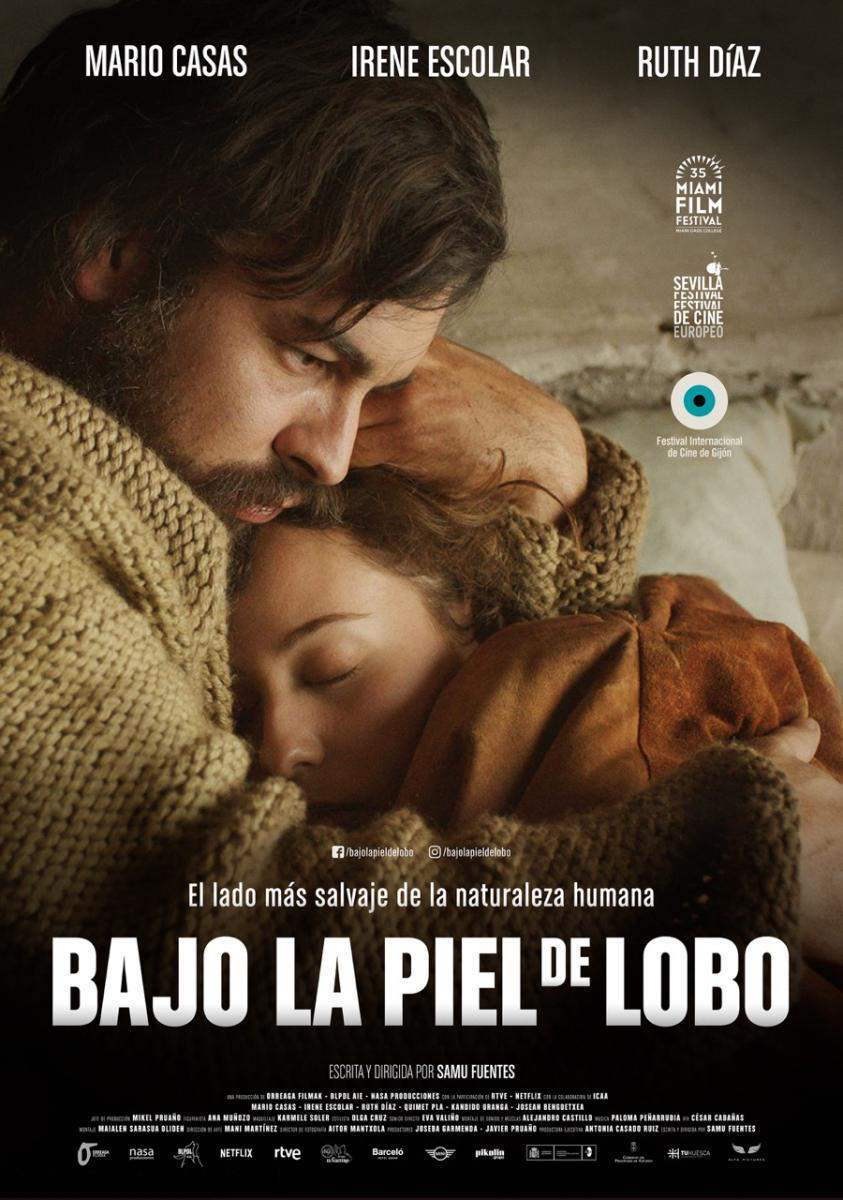
The Skin of the Wolf

The Skin of the Wolf

JustWatch#33,4282

Year: 2018

Runtime: 110 min

Language: Spanish

Director: Samu Fuentes

Echo Score: 73

Budget: $1.7M

Drama

In the remote Spanish countryside, a solitary wolf-trapper seeks human connection to alleviate his loneliness. Driven by a desire for companionship, he searches for someone to share his isolated life. As he pursues this connection, he grapples with the balance between the freedom of his existence and the comforts of a shared home, exploring the conflicting desires for solitude and belonging.

Where to Watch The Skin of the Wolf?

Find where to stream, rent, or buy The Skin of the Wolf (2018) in the US with current JustWatch availability, up-to-date pricing, and platform listings for subscription, rental, and digital purchase options.

Warning: spoilers below!

Haven’t seen The Skin of the Wolf yet? This summary contains major spoilers. Bookmark the page, watch the movie, and come back for the full breakdown. If you're ready, scroll on and relive the story!

Timeline & Setting – The Skin of the Wolf (2018)

Explore the full timeline and setting of The Skin of the Wolf (2018). Follow every major event in chronological order and see how the environment shapes the story, characters, and dramatic tension.

Time period

The story unfolds in a timeless rural setting, likely reflecting an earlier era marked by simple living and close ties to nature. During this period, themes of survival and tradition are prevalent, where personal relationships often intersect with economic needs.

Location

Desolate Mountain, Abandoned Town, Local Village

The movie takes place in a desolate mountain setting, characterized by rugged terrain and thick forests. This secluded area is known for its wildlife, providing both sustenance and trade for the protagonist, Martinón. Nearby, the remnants of an abandoned town evoke a sense of loss and history, contrasting with the local village where crucial interactions take place.

⛰️ Landscape 🌲 Wilderness 🏚️ Abandonment

Last updated: October 22, 2024 at 21:41

Was this helpful?

Main Characters – The Skin of the Wolf (2018)

Meet the key characters of The Skin of the Wolf (2018), with detailed profiles, motivations, and roles in the plot. Understand their emotional journeys and what they reveal about the film’s deeper themes.

Martinón (Mario Casas)

Martinón is a rugged and solitary huntsman, deeply connected to the harshness of his mountainous surroundings. His imposing physical presence and stoic demeanor mask a tumultuous inner world marked by grief and anger. As events unfold, his inability to connect emotionally leaves him in despair, highlighting his tragic isolation.

👤 Protagonist 🏞️ Huntsman 🌪️ Tragic Hero

Pascuala (Ruth Díaz)

Pascuala is a local woman who initially seems to adapt to her new life with Martinón. However, her declining health and tragic fate reflect the harsh realities of life in isolation. Her character symbolizes love and vulnerability, emphasizing the emotional toll of her circumstances.

👩‍❤️‍👨 Wife 🌧️ Vulnerability 🌸 Tragic Figure

Adela (Irene Escolar)

Adela, Ubaldo's youngest daughter, is drawn into a harsh life with Martinón despite her initial hopes. As she grapples with her new reality, her character evolves from passive victim to active agent of change, seeking freedom from Martinón's oppressive existence.

👩‍❤️‍👨 Bride 💪 Resilient 🔪 Defiant

Severino (Kandido Uranga)

Severino is the tavern owner and a voice of community wisdom, proposing the idea of marriage to Martinón as a means of securing a legacy. His character serves as a bridge between Martinón and the outside world, emphasizing the social connections that the protagonist struggles with.

💼 Tavern Owner 🗣️ Community Figure 🧙‍♂️ Advisor

Ubaldo (Armando Aguirre)

Ubaldo is Pascuala's father, embodying traditional values tied to reputation and family honor. His decision to conceal his daughter's illness reflects a protective nature that ultimately leads to tragedy, making him both a figure of authority and complicity in the story's events.

👨‍👧 Father 🏛️ Authority Figure 💔 Tragic Mentor

Last updated: October 22, 2024 at 21:41

Was this helpful?

Major Themes – The Skin of the Wolf (2018)

Explore the central themes of The Skin of the Wolf (2018), from psychological, social, and emotional dimensions to philosophical messages. Understand what the film is really saying beneath the surface.

🌌 Isolation

Isolation is a central theme, as Martinón lives alone in the mountains, cut off from the world around him. This solitude affects his relationships and influences his reactions to the people he encounters. The stark landscape mirrors his emotional desolation, particularly after losing Pascuala and facing the consequences of his actions.

💔 Love and Loss

Love and loss are intricately woven into the narrative, particularly through Martinón's relationships with Pascuala and Adela. Their challenges highlight the fragility of love, especially under dire circumstances. The tragic loss of their child serves as a painful reminder of how love can be overshadowed by grief and retribution.

⚔️ Conflict

The movie explores conflict on multiple levels—between characters, within Martinón's own struggles, and the broader nature of man versus society. The tension between Martinón and Ubaldo reflects personal grievances that escalate into violence. Additionally, Adela's internal conflict and defiance against her entrapping situation underscore the human desire for autonomy.

Last updated: October 22, 2024 at 21:41

Was this helpful?

The Skin of the Wolf (2018) Character & Theme Questions Answered – Info FAQ

Browse frequently asked questions about The Skin of the Wolf (2018) focused on characters, relationships, themes, symbols, setting, and story context. This movie info FAQ gives spoiler-aware explanations for character arcs, world details, and thematic interpretation so readers can better understand what the film is really about.

Q1

Where is the movie set?

A.

The story takes place in a desolate mountain setting in the remote Spanish countryside, characterized by rugged terrain, thick forests, and harsh wilderness. This secluded area provides the backdrop for Martinón's isolated existence, with an abandoned town nearby representing loss and history, contrasting with the local village where key interactions occur.

settinglocationspainmountainscountryside
Q2

What time period does the film take place in?

A.

The movie unfolds in a timeless rural setting that reflects an earlier era marked by simple living and close ties to nature. The lack of specific modern technology and the traditional lifestyle suggest a period when survival depended on the land and personal relationships were closely tied to economic needs.

time perioderaruralhistoricaltimeless
Q3

What does the movie say about isolation?

A.

Isolation is a central theme, as Martinón lives alone in the mountains, cut off from the world around him. This solitude profoundly affects his relationships and shapes his reactions to the people he encounters. The stark landscape mirrors his emotional desolation, particularly after losing Pascuala and facing the consequences of his actions.

isolationsolitudelonelinessthemeemotional desolation
Q4

How does the movie explore love and loss?

A.

Love and loss are intricately woven through Martinón's relationships with Pascuala and Adela, highlighting the fragility of love under dire circumstances. The tragic loss of their child serves as a painful reminder of how love can be overshadowed by grief and retribution, reinforcing the film's bleak emotional tone.

lovelossgriefrelationshipstragedy
Q5

What conflicts drive the story?

A.

The movie explores conflict on multiple levels, between characters, within Martinón himself, and the broader tension between man and society. The friction between Martinón and Ubaldo reflects personal grievances that escalate into violence, while Adela's internal struggle and defiance against her entrapping situation underscore the human desire for autonomy.

conflictman vs societyautonomytensioncharacter conflict
Q6

Who is Martinón?

A.

Martinón is a rugged and solitary wolf-trapper living in the harsh mountainous region. His imposing physical presence and stoic demeanor mask a tumultuous inner world marked by grief and anger. Throughout the story, his inability to connect emotionally leaves him in deeper despair, highlighting his tragic isolation.

martinónprotagonisthuntsmantrappercharacter
Q7

What role does Pascuala play in the story?

A.

Pascuala is a local woman who enters Martinón's life and initially adapts to her new life with him. However, her declining health and tragic fate reflect the harsh realities of survival in isolation. She symbolizes love and vulnerability, emphasizing the emotional toll of her circumstances.

pascualacharacterlovevulnerabilitytragedy
Q8

Who is Adela and what is her significance?

A.

Adela is Ubaldo's youngest daughter who is drawn into a harsh life with Martinón despite her initial hopes. Her character evolves from a passive victim to an active agent of change, seeking freedom from Martinón's oppressive existence. She represents resilience and the desire for autonomy.

adelacharacterautonomyfreedomubaldo daughter
Q9

What is Severino's role in the movie?

A.

Severino is the tavern owner who serves as a voice of community wisdom. He proposes the idea of marriage to Martinón as a means of securing a legacy. His character acts as a bridge between Martinón and the outside world, emphasizing the social connections the protagonist struggles to maintain.

severinotavern ownercommunitywisdomsocial connection
Q10

Who is Ubaldo and what does he represent?

A.

Ubaldo is Pascuala's father, embodying traditional values tied to reputation and family honor. His decision to conceal his daughter's illness reflects a protective nature that ultimately leads to tragedy. He represents both authority and complicity in the story's events.

ubaldofatherhonortraditionauthority
Q11

What does the abandoned town represent in the film?

A.

The remnants of an abandoned town near Martinón's mountain home evoke a sense of loss and history. This setting contrasts with the local village where crucial interactions take place, symbolizing the passage of time, abandonment, and the isolation that permeates the story's world.

abandoned townsymbolismlosshistorycontrast
Q12

How does the landscape reflect the movie's tone?

A.

The desolate mountain setting with its rugged terrain and thick forests mirrors the film's bleak emotional tone. The harsh wilderness provides both sustenance and isolation for Martinón, creating an inescapable atmosphere where every attempt at human connection ends in loss or further isolation.

landscapewildernesstonebleakatmosphere
Mobile App Preview

Coming soon on iOS and Android

The Plot Explained Mobile App

From blockbusters to hidden gems - dive into movie stories anytime, anywhere. Save your favorites, discover plots faster, and never miss a twist again.

Sign up to be the first to know when we launch. Your email stays private, always.

Explore Movie Threads

Discover curated groups of movies connected by mood, themes, and story style. Browse collections built around emotion, atmosphere, and narrative focus to easily find films that match what you feel like watching right now.

Bleak Rural Survival Tragedies like The Skin of the Wolf

Stories of profound loneliness and hardship in unforgiving, isolated landscapes.Explore movies like The Skin of the Wolf that depict the harshness of rural life. These films share a bleak tone and heavy emotional weight, focusing on characters facing loneliness, grief, and survival in unforgiving, isolated settings. If you appreciated the desolate atmosphere and tragic narrative, you will find similar viewing experiences here.

desolategrimstoictragicoppressivesomberrural hardship

Narrative Summary

These narratives typically follow characters living in extreme isolation whose attempts to forge human bonds or improve their circumstances lead to further tragedy. The stories unfold linearly, emphasizing the grim passage of time and the inescapable nature of their hardship, often culminating in an ending that reinforces the initial despair.

Why These Movies?

These films are grouped together due to their shared focus on oppressive rural settings, a consistently bleak and somber mood, and heavy emotional themes of loneliness and futility. The pacing is often slow, allowing the weight of the environment and the characters' emotional states to dominate the viewing experience.
Movies with a Slow Descent into Despair like The Skin of the Wolf

Character-driven stories where hope is systematically extinguished by tragic events.Find films similar to The Skin of the Wolf that follow a character's tragic journey into despair. These movies feature a slow pacing and high emotional intensity, charting a linear path of loss and isolation. If you were moved by the relentless tragedy and bleak conclusion, this collection offers more stories with that powerful, sorrowful vibe.

melancholictragicsomberheavyfutilitystoicpsychological

Narrative Summary

The narrative pattern is a linear, downward spiral where initial loneliness or desire leads to actions that precipitate greater loss. Key relationships are often transactional or toxic, and pivotal events like death or betrayal shatter any fleeting hope. The journey is defined by its futility, ending in a state of deeper isolation than where it began.

Why These Movies?

These movies share a specific emotional trajectory: a slow-burn pacing that makes the despair feel inevitable, a high intensity of emotional trauma, and a bleak tone that offers no catharsis. They are united by their focus on the destructive nature of longing and the psychological impact of repeated tragedy.

Unlock the Full Story of The Skin of the Wolf

Don't stop at just watching - explore The Skin of the Wolf in full detail. From the complete plot summary and scene-by-scene timeline to character breakdowns, thematic analysis, and a deep dive into the ending - every page helps you truly understand what The Skin of the Wolf is all about. Plus, discover what's next after the movie.

The Skin of the Wolf Summary

Read a complete plot summary of The Skin of the Wolf, including all key story points, character arcs, and turning points. This in-depth recap is ideal for understanding the narrative structure or reviewing what happened in the movie.

The Skin of the Wolf Summary

The Skin of the Wolf Timeline

Track the full timeline of The Skin of the Wolf with every major event arranged chronologically. Perfect for decoding non-linear storytelling, flashbacks, or parallel narratives with a clear scene-by-scene breakdown.

The Skin of the Wolf Timeline

The Skin of the Wolf Spoiler-Free Summary

Get a quick, spoiler-free overview of The Skin of the Wolf that covers the main plot points and key details without revealing any major twists or spoilers. Perfect for those who want to know what to expect before diving in.

The Skin of the Wolf Spoiler-Free Summary

More About The Skin of the Wolf

Visit What's After the Movie to explore more about The Skin of the Wolf: box office results, cast and crew info, production details, post-credit scenes, and external links - all in one place for movie fans and researchers.

More About The Skin of the Wolf

Similar Movies to The Skin of the Wolf

Discover movies like The Skin of the Wolf that share similar genres, themes, and storytelling elements. Whether you’re drawn to the atmosphere, character arcs, or plot structure, these curated recommendations will help you explore more films you’ll love.