Plot Explained Spoilers guaranteed!
Plot Explained

Browse by genre

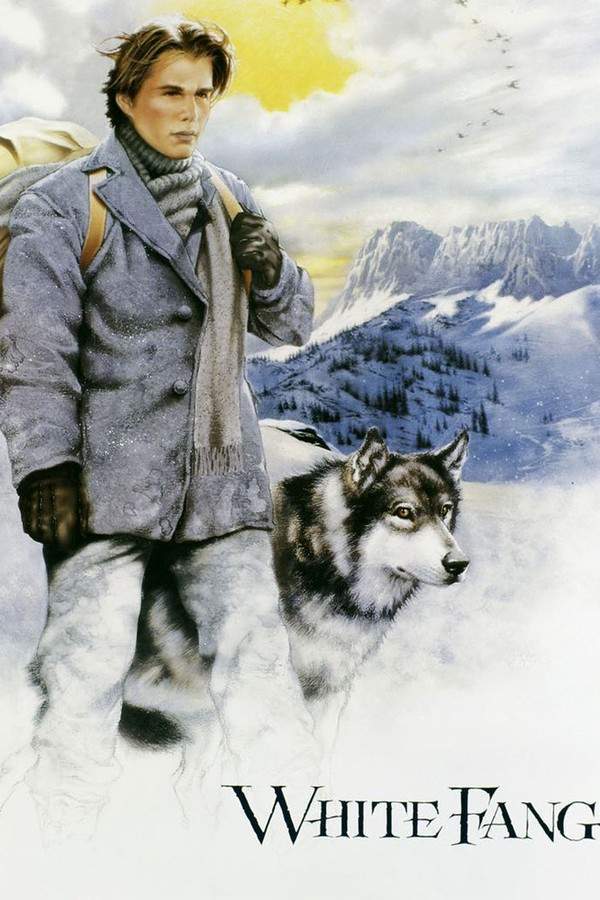
White Fang (1991) movie poster

Plot Summary

White Fang (1991) Plot Summary Explained

Release, runtime and language
1991 · 107 min · French
JustWatch #11,207 8
Directed by
Randal Kleiser
Starring
Seymour Cassel, James Remar, Klaus Maria Brandauer, Bill Moseley, Susan Hogan, Aaron Hotch
Budget
$14M

In the harsh Yukon Territory, a solitary gold prospector finds a wounded, mixed-breed dog—part wolf, part dog—and nurses him back to health. As they navigate the challenging wilderness together, an unexpected bond forms between the man and the resilient canine. Their journey tests their survival skills and forges a powerful friendship amidst the unforgiving landscape, revealing the true meaning of loyalty and companionship.

On this page (7)
  1. 1 Where to watch
  2. 2 What happens: full plot
  3. 3 Plot questions answered
  4. 4 The book behind the movie
  5. 5 Movie threads
  6. 6 Movies like White Fang
  7. 7 Every angle

Where to watch

Where to Watch White Fang (1991)

Where can you watch White Fang? Stream, rent or buy it in the US, including on Disney Plus, Amazon Video and Apple TV Store: current JustWatch availability with up-to-date prices.

Streaming availability powered by JustWatch

Full plot summary · contains spoilers

What Happens in White Fang: Full Plot Summary

The whole story of White Fang (1991) explained, from the opening scene to the final frame: every key event, every twist and what it all adds up to. Read it as a quick recap before the sequel, to check a scene you missed, or to finally understand what really happened.

In 1898, during the Klondike Gold Rush, a young explorer named Jack Conroy travels from San Francisco to Alaska to pursue his late father’s mining claim. He crosses paths with two tough mushers, Clarence “Skunker” Thurston and Alex Larson, who reluctantly agree to guide him through the perilous northern landscape. Along the trek, a wolf pack menaces the group, moving with stealth and force. One night, a cunning wolf lures a sled dog away from the camp, and another wolf gives chase into the surrounding trees. In a desperate bid to save his team, Skunker rushes to protect his dog and is killed by the pack. The wolves return later that night, but Jack and Alex manage to drive them off using burning branches, buying a fragile moment of safety.

The next morning brings new danger as the wolves close in again, yet a rival sled team arrives in time to break the attack. In the ensuing clash, a female wolf named Kiche is mortally shot. She struggles to her den, her pup lingering beside her as she succumbs to her wounds. With Kiche gone, her cub is left to fend for himself. A Hän (Native American) band discovers the orphaned wolf cub, and their chief, Grey Beaver, recognizes that the pup is a wolfdog—a hybrid marked by the color of his teeth—and names him White Fang, a name that will come to define his future.

As spring arrives, Jack and Alex press on toward their quest, but they pause at the Hän settlement. Grey Beaver explains that White Fang has been raised to obey, but not necessarily to coexist with humans in a friendly way. Jack, however, believes the creature can be tempered into something gentler. The opportunity comes when Jack is pursued by a grizzly bear and taken on the run, only to find himself cornered under a woodpile. White Fang, sensing danger against his unusual human companion, rushes to defend him, and a tense standoff with the bear ends with the animal retreating. After this moment, Jack and Alex continue their journey toward the promise of winter life, and they eventually depart the settlement.

Soon after, White Fang is unfairly handed over to Beauty Smith, a sadistic dogfighter and rival of Alex, whose associates once swindled Jack out of his money. Smith and his gang pressure Grey Beaver to part with the wolfdog, arguing that ownership of a wild animal is illegal. White Fang is trained and brutalized, forced into a life of aggression to prepare for illegal dogfights. The transformation is brutal and violent, turning the once-curious creature into a fierce weapon of the arena.

White Fang’s trials come to a head in a brutal fight against a bulldog, but Jack arrives just in time to intervene. He frees White Fang and vows to expose Smith’s crimes. Meanwhile, Jack has reached his father’s claim and begins digging for gold, with White Fang by his side. The bond between human and wolfdog strengthens as they work the claim together, and success seems within reach as the two mine enough ore to strike it rich.

Back in town, a new confrontation unfolds as Luke, a henchman of Smith, notices White Fang. Smith and his men attack the Larson homestead with firearms and explosives, seeking to steal the gold. White Fang fights fiercely, mauling Luke after Tinker accidentally discharges a gun, and he eventually subdues Smith himself. Jack orders Smith and his men to surrender, forcing them to haul the gold ore into town under threat of gunpoint.

Alex and Belinda offer to take Jack back to San Francisco, but he realizes that city life is not for White Fang. Jack’s plan is to let the wolfdog live freely in the wild, far from human danger. He even uses a stick—a weapon that once terrified White Fang when he was under Smith’s control—to push the dog away and teach him to fear the idea of captivity. It is a painful moment, but a necessary step in Jack’s belief that White Fang belongs in the wild.

In a poignant turn, Jack decides that his rightful place is in the Yukon, not in a bustling city. He chooses to stay behind and continue living off the land, a decision that Alex appears to accept as fitting for Jack’s father’s memory. The parting is bittersweet, as Belinda and Alex prepare to depart, but the story closes on a hopeful note: White Fang returns to the cabin site and happily reunites with Jack, signaling a life lived together on the edge of the wild.

Together, they endure the harsh elements, test their trust, and discover that courage and loyalty can bridge a divide between human and animal. The journey—from a perilous start amid wolves to a wary bond that matures into partnership and survival—captures the rugged spirit of the frontier and the transformative power of trust in a world where danger and opportunity ride side by side.
Last updated: November 22, 2025 at 15:58

Was this helpful?

Plot questions answered

White Fang Plot Explained: Your Questions Answered

The questions people ask most about White Fang (1991): what happens in the confusing scenes, why the characters do what they do, the twists, hidden details and what the ending means. Each answer contains spoilers.

Q1

Why did Skunker die in White Fang?

Skunker was killed by the wolf pack while trying to protect his sled dog. One night, a cunning wolf lured a sled dog away from camp, and when another wolf gave chase into the trees, Skunker rushed to save his dog. The pack attacked and killed him. This tragic event demonstrates the brutal reality of traveling through wolf territory during the Klondike Gold Rush.

  • skunker death
  • wolf pack attack
  • klondike trail
Q2

Why did Kiche die in White Fang?

Kiche was the female wolf who led the pack attacking Jack's group. She was mortally shot during a confrontation the morning after the wolves' first attack. Struggling back to her den, she succumbed to her wounds, leaving her cub orphaned. This event sets the stage for White Fang's separation from his mother and eventual adoption by Grey Beaver.

  • kiche death
  • wolf mother
  • white fang origins
Q3

Why is the wolfdog named White Fang?

Grey Beaver, the Hän chief, named the cub White Fang after recognizing he was a wolfdog hybrid. The name came from the distinctive color of his teeth, which marked him as different from ordinary dogs or wolves. This name would become symbolic of his fierce and unique nature throughout the story.

  • white fang name
  • grey beaver
  • wolfdog
  • han settlement
Q4

Why did Beauty Smith want White Fang?

Beauty Smith wanted White Fang for one reason: illegal dogfighting. Smith was a sadistic dogfighter who brutalized animals to train them for arena battles. After pressuring Grey Beaver to sell the wolfdog by arguing that ownership of wild animals was illegal, Smith forced White Fang into a life of aggression and violence, turning the once-curious creature into a fierce weapon for his criminal enterprise.

  • beauty smith
  • dogfighting
  • white fang abuse
  • villain
Q5

Why did White Fang defend Jack against the grizzly bear?

White Fang defended Jack because he had developed loyalty to his unusual human companion despite his wild nature. When Jack was chased by a grizzly bear and cornered under a woodpile, White Fang rushed to protect him. This moment demonstrated the beginning of the bond between them, as White Fang recognized Jack as someone worth defending, even against a deadly predator.

  • bear attack
  • white fang loyalty
  • jack protection
Q6

How did Jack rescue White Fang from the dogfight?

Jack arrived at Beauty Smith's dogfighting arena just in time to see White Fang battling a brutal bulldog. He immediately intervened, freeing White Fang from the arena and vowing to expose Smith's crimes. This rescue marked a turning point, as Jack finally rescued the animal he had first encountered as a cub and began their true partnership.

  • dogfight rescue
  • jack saves white fang
  • beauty smith exposed
Q7

Why did Jack choose to stay in the Yukon instead of returning to San Francisco?

Jack chose to stay in the Yukon because he realized city life was not suitable for White Fang. After working his father's mining claim and accumulating enough gold to return to civilization, Jack decided his rightful place was in the wilderness with White Fang. He believed staying honored his father's memory and allowed both of them to live freely in the wild rather than confined in a city.

  • jack stays in yukon
  • san francisco
  • father legacy
  • wilderness life
Q8

Why did Jack use the stick to push White Fang away?

Jack used a stick to push White Fang away as a painful but necessary lesson. The stick reminded White Fang of the abuse he suffered under Beauty Smith's control, when the trainer used similar objects to terrify and control him. By using this fear-inducing method, Jack taught White Fang to associate the idea of captivity with terror, ultimately driving him into the wild where he would be free from human danger.

  • stick training
  • white fang fear
  • wild release
  • jack sacrifice
Q9

Why did Beauty Smith attack the Larson cabin?

Beauty Smith attacked the Larson cabin to steal Jack's gold and get revenge. After Jack foiled Smith's dogfighting operation and threatened to expose his crimes, Smith sent his henchmen with guns and explosives to rob the miners. The attack was also personal, Smith wanted to eliminate Jack and take the gold they had mined from the claim.

  • smith attack
  • larson cabin
  • gold theft
  • revenge
Q10

Why did White Fang attack Luke during the raid?

White Fang attacked Luke because he was defending Jack and the Larson homestead. When Smith's gang attacked with firearms and explosives, White Fang fought fiercely to protect his human family. Luke was mauled after Tinker accidentally discharged a gun during the chaos, and White Fang continued fighting until he subdued Smith himself.

  • luke attack
  • white fang defends
  • cabin raid
  • smith gang
Q11

Why was Grey Beaver forced to sell White Fang to Beauty Smith?

Grey Beaver was pressured into selling White Fang because Smith and his gang argued that ownership of wild animals was illegal. They used this legal threat along with direct pressure on the Hän people to force Grey Beaver to part with the wolfdog. Despite Grey Beaver's recognition that White Fang could be dangerous, he reluctantly traded the cub to prevent further trouble.

  • grey beaver sells white fang
  • illegal ownership
  • pressure
Q12

Why did Jack believe White Fang could be gentled?

Jack believed White Fang could be tempered into something gentler despite Grey Beaver's warning that the wolfdog was raised to obey but not necessarily to coexist friendly with humans. Jack saw something in White Fang that indicated potential for trust and companionship, believing that with patience and care, the wild creature could develop a bond with humans rather than remaining purely feral.

  • jack faith
  • white fang temperament
  • trust development

Movie threads

More Movies Like White Fang, by Mood & Story

Curated lists built around what makes White Fang tick: the same mood, the same kind of story or the same emotional payoff. Each list explains why these movies belong together.

Wilderness Survival Bond Movies like White Fang

Stories where humans and animals forge unbreakable bonds against a harsh wilderness. If you liked the powerful bond between man and wolfdog in White Fang, explore these movies about survival and loyalty in the wild. These stories feature similar themes of animal companionship, resilience, and the transformative power of friendship against a rugged backdrop.

  • heartwarming
  • rugged
  • adventurous
  • resilient
  • loyal
  • struggle
  • Tone: hopeful, rugged
  • Pacing: steady, adventurous
Why these movies?

The story pattern: Narratives typically follow a linear path from initial peril or isolation to a hard-won partnership. The central conflict revolves around surviving a hostile environment, with the deepening relationship between the human and animal serving as the emotional core and key to their resilience.

Why they belong together: Movies are grouped here for their shared focus on the human-animal bond as a central theme within a survival context. They balance harsh, realistic challenges with a hopeful, heartwarming tone, creating a specific and compelling emotional journey.

Bittersweet Journeys of Belonging like in White Fang

Character-driven journeys where fulfillment is found outside of conventional happiness. For viewers who appreciated White Fang's ending where Jack finds fulfillment in the wild, this list features movies with similar bittersweet conclusions. These stories involve characters discovering where they truly belong, even if it means a lonely or unconventional path.

  • bittersweet
  • redemption
  • lonely
  • content
  • meaningful
  • sacrifice
  • Tone: bittersweet, hopeful
  • Pacing: steady, character-driven
Why these movies?

The story pattern: The story follows a character's search for meaning, often leading them away from societal norms. The climax involves a significant choice where personal fulfillment is prioritized over external expectations, resulting in an ending that is emotionally resonant but not purely happy.

Why they belong together: This thread unites films based on a specific emotional arc and concluding tone. They share a focus on personal redemption or finding one's place, culminating in a bittersweet resolution that feels earned and meaningful rather than simply cheerful.

If you liked this

Movies Like White Fang

Similar movies to White Fang: the same genre, themes or kind of story. Each one comes with its own plot summary, timeline and ending explained.

Browse all movie summaries

Every angle

White Fang (1991) Explained: Plot, Timeline & Characters

Everything about White Fang in one place: what happens in the plot summary, the timeline in chronological order, the characters and meaning and a spoiler-free summary. What's After the Movie adds the cast, box office and post-credit scenes.

Coming soon on iOS and Android

The Plot Explained Movie Summary App

Plot summaries, endings explained and timelines on your phone. Catch up on any movie in minutes, save your favorites and never miss a twist again.

Be the first to know when we launch. Your email stays private, always.

Learn more about the app