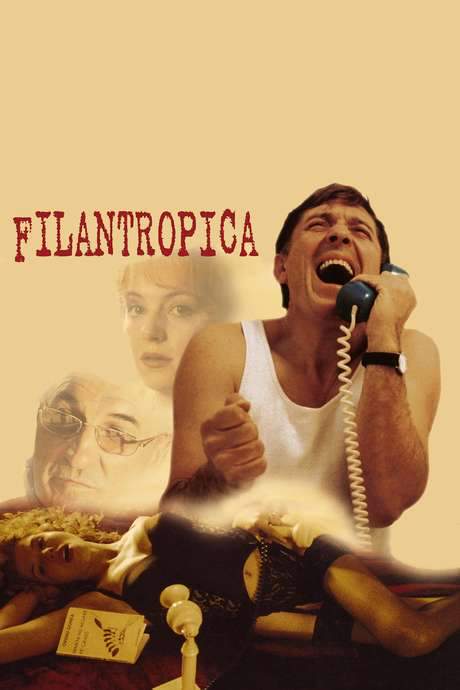
In the rolling hills of the Italian countryside a venerable winery crowns a stone‑faced villa, its owner a once‑vibrant count whose life is now measured by the fickle rhythm of a fragile heart. The estate exudes a timeless elegance, its sun‑drenched terraces and shadowed cellars whispering of generations of wine, love, and loss. Beneath the tranquil surface, the very walls seem to hold their breath, aware that every clink of glass may be the last echo of a man whose legacy hangs in the balance.
The count’s relatives gather like restless moths around a dim candle, each bearing their own grudges and ambitions. Gustavo Scarpa, a nephew with quiet resolve, eyes the vineyards with a mix of duty and envy, while his sister Italia Varotto and her husband Benito Varotto maneuver for control of the business. Their sister Jole Scarpa and her son Adone linger on the periphery, their loyalties as tangled as the vines that surround them. A stern physician, Dottor Pavan, monitors the ailing patriarch, his warnings adding a clinical chill to the already tense atmosphere. The family’s rapport is a delicate choreography of simmering resentment and polished civility, hinting at deeper currents that could soon surge.
Into this charged tableau steps Anna, a striking Swiss nurse whose presence carries an unmistakable sensuality. Hired under the guise of compassionate care, her allure and poise become a catalyst for the subtle power plays that ripple through the villa. The relatives’ reliance on her expertise is laced with unspoken expectations, and her interactions with each family member betray a deft awareness of the fragile emotional terrain she navigates. Her very smile seems to both soothe and unsettle, and the air around her shimmers with a promise of both comfort and intrigue.
The film unfolds with a sultry, slow‑burning tension, blending sharp social satire with a hypnotic, almost operatic sensuality. The grandeur of the estate, the lingering scent of oak barrels, and the soft glow of candlelit corridors create a world where wealth, desire, and mortality intersect. As the count’s condition hangs in a delicate balance, the characters drift between genuine affection and calculated self‑interest, rendering every glance and whispered word a potential turning point in a story that luxuriates in moral ambiguity and lingering suspense.