Plot Explained Spoilers guaranteed!
Plot Explained

Browse by genre

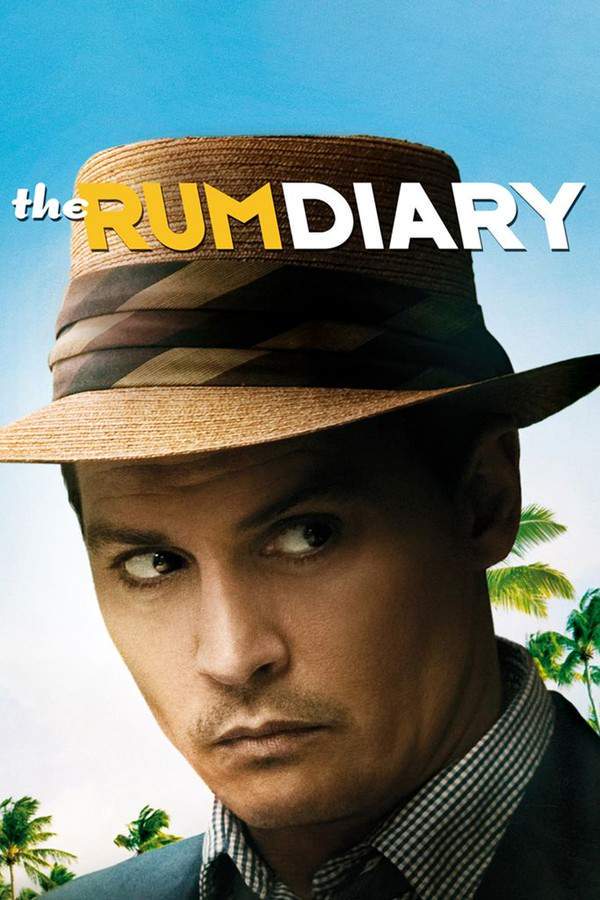
The Rum Diary (2011) movie poster

Plot Summary

The Rum Diary (2011) Plot Summary Explained

Release, runtime and language
2011 · 110 min · English
Budget
$45M

Amidst the intoxicating atmosphere of 1960s Puerto Rico, journalist Paul Kemp escapes the drudgery of his life by accepting a job at a struggling newspaper. He immerses himself in a world of excessive drinking and vibrant nightlife, but soon becomes entangled in a controversial land development scheme. As Kemp uncovers the dark underbelly of the island’s prosperity, he faces a moral dilemma, forced to confront corruption and powerful figures while navigating a landscape of alluring distractions.

On this page (7)
  1. 1 Where to watch
  2. 2 What happens: full plot
  3. 3 Plot questions answered
  4. 4 The book behind the movie
  5. 5 Movie threads
  6. 6 Movies like The Rum Diary
  7. 7 Every angle

Where to watch

Where to Watch The Rum Diary (2011)

Where can you watch The Rum Diary? Stream, rent or buy it in the US, including on Amazon Video, Apple TV Store and Fandango At Home: current JustWatch availability with up-to-date prices.

Streaming availability powered by JustWatch

Full plot summary · contains spoilers

What Happens in The Rum Diary: Full Plot Summary

The whole story of The Rum Diary (2011) explained, from the opening scene to the final frame: every key event, every twist and what it all adds up to. Read it as a quick recap before the sequel, to check a scene you missed, or to finally understand what really happened.

Paul Kemp, portrayed by Johnny Depp, is an aspiring novelist struggling to find success in the literary world. He takes a leap of faith and secures a job at a newspaper in vibrant San Juan, Puerto Rico. Here, he meets his colleague Sala, played by Michael Rispoli, who offers insight into the paper's grim future and introduces Kemp to the local culture. Assigned to the horoscope section, his life takes a twist when he encounters the captivating Chenault, played by Amber Heard, who is evading a corporate party hosted by Union Carbide. Kemp is instantly smitten by her allure.

However, Kemp's journey is complicated by his alcoholism, as his boss Lotterman, played by Richard Jenkins, urges him to curb his drinking habits. Amidst the chaos, he befriends Moberg, a persistent deadbeat played by Giovanni Ribisi, whose bizarre antics include an obsession with Nazi memorabilia and a peculiar plan to retaliate against Lotterman for his recent firing.

Kemp's life further intertwines when he meets Sanderson, portrayed by Aaron Eckhart, a real estate agent with dubious intentions. Tension rises as Kemp realizes that Chenault is engaged to Sanderson, yet she pretends not to know him while developing a connection with Kemp. As Kemp moves in with Sala and Moberg, he witnesses the stark poverty of San Juan, but his boss insists on ignoring these realities in order to maintain tourism.

In a dramatic turn of events, Kemp is drawn into Sanderson's corrupt real estate schemes, while a local confrontation results in a brushed-off arrest that demonstrates the complexities of authority in the area. As Kemp attempts to navigate his new relationships and responsibilities, he finds himself entangled in a high-stakes bet on cockfighting, seeking a blessing from a witch doctor in a desperate attempt to secure funding for a newspaper issue that would expose the truth about the corruption he witnesses.

Despite their initial success in the cockfighting arena, the newspaper's machinery is confiscated, leaving them at a standstill. Disillusioned but undeterred, Kemp makes a daring choice to seize Sanderson's boat and leave behind the chaos. The end credits reveal a bittersweet conclusion, indicating Kemp's return to New York, his marriage to Chenault, and his eventual rise as a successful journalist. This gripping tale of ambition, love, and moral conflict in the face of corruption perfectly encapsulates the struggle of the human spirit.

Last updated: November 03, 2024 at 12:44

Was this helpful?

Plot questions answered

The Rum Diary Plot Explained: Your Questions Answered

The questions people ask most about The Rum Diary (2011): what happens in the confusing scenes, why the characters do what they do, the twists, hidden details and what the ending means. Each answer contains spoilers.

Q1

Why does Paul Kemp agree to help with Sanderson's real estate scheme?

Kemp gets pulled into Sanderson's corrupt real estate dealings gradually. He meets Sanderson through Chenault and becomes increasingly entangled in the scheme as he tries to navigate his feelings for her while also seeking financial stability. Sanderson offers him money and a sense of purpose, and Kemp's own moral ambiguity and struggles with alcoholism make him vulnerable to the temptation. However, as he witnesses the extent of the corruption and its impact on the local population, he begins to regret his involvement.

Foreshadowing: Earlier, Sala warns Kemp about the newspaper's bleak future, hinting at the economic desperation that drives people to corrupt deals.

  • sanderson
  • real estate
  • corruption
  • kemp
  • money
Q2

Why does Chenault pretend not to know Sanderson when Paul meets her?

Chenault is engaged to Sanderson but develops an immediate attraction to Kemp. When they first meet at the corporate party, she pretends not to know Sanderson to avoid the awkward situation of being introduced as his fiancée while also exploring a connection with someone new. This deception sets up the central love triangle and highlights her conflicted state between her engagement and her growing feelings for Kemp.

Foreshadowing: The tension is established the moment Chenault avoids acknowledging her engagement, foreshadowing the complicated romantic dynamics to come.

  • chenault
  • sanderson
  • engagement
  • kemp
  • romance
Q3

What is the purpose of the cockfighting bet in the plot?

The cockfighting bet is Kemp's desperate attempt to fund a newspaper issue that would expose the corruption he witnessed in San Juan. After being drawn into Sanderson's scheme and seeing the harm it causes to locals, Kemp wants to use the money to publish the truth. He seeks a blessing from a witch doctor to ensure the roosters win, showing how desperate and conflicted he has become. The bet represents his final attempt to use the corrupt system's own tools against it.

Foreshadowing: Moberg's bizarre behavior and fixation on unusual remedies hint at the desperate, eccentric measures the characters will take.

  • cockfighting
  • bet
  • newspaper
  • corruption
  • witch doctor
Q4

Why does Paul Kemp decide to take Sanderson's boat at the end?

Kemp takes Sanderson's boat as a symbolic act of escape from the chaos and corruption he has become entangled in. After the cockfighting venture fails and the newspaper equipment is confiscated, he feels overwhelmed by the systemic corruption and personal failures around him. Stealing the boat represents his final break from the web of deceit, lust, and moral compromise that has consumed his time in Puerto Rico. It is both a literal escape and a metaphorical rejection of the corrupt world he has been part of.

Foreshadowing: The escalating tension between Kemp and Sanderson throughout the film builds to this breaking point.

  • boat
  • escape
  • sanderson
  • kemp
  • puerto rico
Q5

How does Paul Kemp try to expose the corruption in San Juan?

Kemp's plan to expose corruption involves using the proceeds from the cockfighting bet to fund a special newspaper issue dedicated to revealing the truth about Sanderson's real estate scheme and its impact on local residents. However, this attempt fails when their newspaper equipment is confiscated, effectively silencing their expose. The failure highlights how deeply entrenched the corruption is and how difficult it is for honest journalism to penetrate such systems.

Foreshadowing: Sala's earlier warnings about ignoring poverty to maintain tourism establish the film's critique of systemic corruption.

  • expose
  • corruption
  • newspaper
  • san juan
Q6

Why does the newspaper's equipment get confiscated?

The newspaper equipment is confiscated as a setback to Kemp and his friends' plan to publish their expose on local corruption. While the exact authority behind the confiscation is not detailed in the summary, it represents the powerful forces at work in San Juan who want to suppress the truth. This event forces Kemp to abandon his journalistic efforts and contributes to his decision to leave Puerto Rico.

Foreshadowing: The increasing danger of Kemp's investigations is signaled earlier when he becomes entangled in Sanderson's dealings.

  • equipment
  • confiscated
  • newspaper
  • expose
Q7

How does Paul Kemp's alcoholism affect his choices throughout the movie?

Kemp's alcoholism is a recurring struggle that clouds his judgment and makes him vulnerable to the temptations of the corrupt world around him. His boss Lotterman urges him to curb his drinking, indicating it affects his professional reliability. His intoxication lowers his inhibitions, contributing to his entanglement in Sanderson's scheme and his romantic involvement with Chenault. The alcoholism represents his personal demons and adds to his moral ambiguity, making it harder for him to act with clear ethical purpose.

Foreshadowing: Lotterman's concern about Kemp's drinking early on establishes this as an ongoing issue that will complicate his journey.

  • alcoholism
  • kemp
  • drinking
  • lotterman
Q8

What causes the tension between Paul Kemp and Sanderson?

The tension between Kemp and Sanderson stems from multiple factors. First, Kemp becomes romantically interested in Chenault, who is secretly engaged to Sanderson. Second, as Kemp gets deeper into Sanderson's real estate operations, he witnesses the corruption and harm caused to local residents, creating moral conflict. Third, their competing interests in Chenault and the ethical differences between them create an increasingly hostile dynamic. The tension culminates when Kemp ultimately decides to betray Sanderson by exposing his crimes and stealing his boat.

Foreshadowing: Sanderson's questionable morals are introduced early, setting up the inevitable conflict with the more idealistic Kemp.

  • sanderson
  • kemp
  • tension
  • chenault
  • conflict
Q9

How does Paul Kemp end up marrying Chenault after leaving Puerto Rico?

Despite the chaos and deception surrounding their relationship in Puerto Rico, Kemp and Chenault maintain their connection. After Kemp returns to New York, they eventually marry. The end credits reveal this as part of his bittersweet success story, achieving professional success as a journalist while also finding love. Their relationship survives the complicated circumstances of their initial meeting, where Chenault was engaged to someone else and hiding her true situation.

Foreshadowing: The romantic tension between Kemp and Chenault is established from their first encounter, suggesting their connection will persist beyond the complications.

  • marriage
  • chenault
  • kemp
  • new york
Q10

What is the significance of the witch doctor blessing in the cockfighting scheme?

The witch doctor blessing represents Kemp's descent into desperation and superstition as he tries to find any edge in his risky bet. Seeking a blessing from a witch doctor shows how far he is willing to go, including embracing local supernatural beliefs, to secure funding for his expose. It also highlights the cultural environment of Puerto Rico, blending modern journalism with traditional practices. This moment underscores the desperation of his situation and his willingness to try anything to succeed.

Foreshadowing: Moberg's odd fixation on unusual items and rituals foreshadows the character's engagement with unconventional solutions.

  • witch doctor
  • blessing
  • cockfighting
  • superstition
Q11

What does Paul Kemp's return to New York represent thematically?

Kemp's return to New York represents both triumph and compromise. He achieves his original goal of becoming a successful journalist, and he marries Chenault, suggesting personal fulfillment. However, the return is framed as bittersweet because he leaves behind unresolved chaos and unaddressed systemic corruption in Puerto Rico. His success comes after abandoning his attempt to expose the truth, indicating that achieving personal success sometimes requires leaving larger battles unfinished.

Foreshadowing: The steady pacing of Kemp's immersion in Puerto Rico's culture builds toward this moment of departure and transformation.

  • return
  • new york
  • success
  • journalist
  • kemp

Movie threads

More Movies Like The Rum Diary, by Mood & Story

Curated lists built around what makes The Rum Diary tick: the same mood, the same kind of story or the same emotional payoff. Each list explains why these movies belong together.

Disillusioned Journeys in Paradise like The Rum Diary

Stories where an alluring setting hides a dark reality of corruption and compromise. If you enjoyed The Rum Diary's clash of hedonism and corruption in a tropical setting, explore more movies like it. These films feature characters who find that paradise has a dark side, leading to personal disillusionment and bittersweet moral victories.

  • atmospheric
  • disillusioned
  • hedonistic
  • moral conflict
  • nostalgic
  • corrupt
  • Tone: bittersweet, disillusioned
  • Pacing: steady, atmospheric
Why these movies?

The story pattern: Stories in this thread typically follow a protagonist arriving in a seemingly perfect location. They initially indulge in the setting's pleasures but uncover a underlying layer of corruption, exploitation, or moral compromise. The central conflict becomes internal, as the character must choose between complicity and a risky stand for what's right.

Why they belong together: These films are grouped by their shared mood of atmospheric disillusionment. They balance a visually lush, intoxicating setting with a tone that turns progressively bittersweet, creating a specific emotional arc from escapism to sobering reality.

Journalist's Moral Awakening stories like The Rum Diary

Films about writers uncovering truth while battling personal and professional demons. For viewers who liked the journalistic ethics and personal struggle in The Rum Diary, this section collects similar movies. Discover stories about flawed reporters facing political corruption and moral choices, blending professional duty with personal transformation.

  • investigative
  • flawed hero
  • political corruption
  • ethical dilemma
  • addiction
  • redemption
  • Tone: bittersweet, gritty
  • Pacing: steady, investigative
Why these movies?

The story pattern: The narrative pattern involves a often-flawed journalist taking on an assignment that seems simple. As they dig deeper, they uncover a web of corruption that puts them in danger. The story becomes a dual battle: against external powerful forces and against their own personal weaknesses, such as addiction or cynicism.

Why they belong together: Movies here share a focus on the archetype of the troubled truth-seeker. They combine the procedural elements of an investigation with a strong character arc, resulting in a tone that mixes grit with a glimmer of idealism, even when the ending is bittersweet.

If you liked this

Movies Like The Rum Diary

Similar movies to The Rum Diary: the same genre, themes or kind of story. Each one comes with its own plot summary, timeline and ending explained.

Browse all movie summaries

Every angle

The Rum Diary (2011) Explained: Plot, Timeline & Characters

Everything about The Rum Diary in one place: what happens in the plot summary, the timeline in chronological order, the characters and meaning and a spoiler-free summary. What's After the Movie adds the cast, box office and post-credit scenes.

Coming soon on iOS and Android

The Plot Explained Movie Summary App

Plot summaries, endings explained and timelines on your phone. Catch up on any movie in minutes, save your favorites and never miss a twist again.

Be the first to know when we launch. Your email stays private, always.

Learn more about the app