Despite widespread doubt, passionate teacher Ron Clark leaves his small hometown to work at one of Harlem’s toughest schools. To reach his students, he employs unconventional, ground‑breaking classroom rules and innovative methods that inspire them to realize their potential. The film is based on a true story.
Find where to stream, rent, or buy The Ron Clark Story (2006) in the US with current JustWatch availability, up-to-date pricing, and platform listings for subscription, rental, and digital purchase options.
Warning: spoilers below!
Haven’t seen The Ron Clark Story yet? This summary contains major spoilers. Bookmark the page, watch the movie, and come back for the full breakdown. If you're ready, scroll on and relive the story!
Read the complete plot breakdown of The Ron Clark Story (2006), including all key story events, major twists, and the ending explained in detail. Discover what really happened, and what it all means.
In 1998, Ron Clark, Matthew Perry, earns a reputation for innovative teaching methods that push his students to excel on tests, and he leaves North Carolina to seek a fresh start in New York City. After a stretch waiting tables, he lands at an inner‑city elementary school in Harlem where students are sorted by their perceived potential. The first days in his sixth‑grade classroom are tense and demanding, as he faces a group of disruptive students who largely ignore his efforts. At one point, he confronts Shameika Wallace — Hannah Hodson — slamming her table as she and many of her peers resist his approach.
A turning point comes when he tours the city with Marissa Vega, Melissa De Sousa, a colleague from his restaurant days. She inspires him to stay, and he gradually shifts from doubt to commitment, choosing to teach in a different way. He spends months building rapport with his students by blending lessons with their hobbies and by striking improvised deals, even as Principal Turner — Ernie Hudson — remains focused on improving test scores that are tied to school funding.
Clark’s method expands beyond the classroom as he introduces creative, engaging ways to cover difficult material. He raps about the Revolutionary War to capture the students’ attention and invites them to participate in learning beyond the traditional setup. In one moment of tension, he arranges a coffee‑shop meeting with Tayshawn Mitchell — Brandon Mychal Smith — only for another student, Julio Vasquez — Micah Williams — to appear, triggering concerns about favoritism that lead to conflict with the foster system. Yet Clark’s willingness to engage personal interests begins to win over some of the more skeptical students.
At Shameika’s apartment, he helps her cook dinner for herself and her siblings while she finishes her homework, a gesture that softens the daughter’s view of school and helps ease the mother’s worries about Clark’s presence in her child’s life. The principal, skeptical of nontraditional methods, presses for results, but Clark’s dedication helps the class steadily improve, even as his health falters: pneumonia sends him to the hospital, an illness that briefly interrupts the momentum.
Back at home with Marissa, he and she record video lessons so the students can continue learning while he recovers, a move that proves crucial when the class’s overall progress is assessed. Upon returning to school, some papers show gains while others lag behind, signaling that more work remains before the state exams. As the state tests approach, Marissa reveals that her colleague Jason — Aaron Grain — is pursuing a job in Los Angeles, and Clark supports his friend’s aspirations while keeping the students focused on their own goals.
Clark buys the students tickets to The Phantom of the Opera on Broadway, hoping to reward their effort and broaden their horizons. When Tayshawn does not show up, he eventually finds him in a nearby alley, where the boy has been hurt by his alcoholic foster father after painting a mural of the Phantom. Clark consoles him and arranges for someone to look after him while he searches for help, underscoring his commitment to the students’ well‑being beyond academics.
Months pass, and the sixth grade not only passes the state exam but achieves the highest scores of Harlem’s classes, a triumph celebrated by families and the school. The students thank Clark for his unwavering dedication, and they begin to rap about the Revolutionary War with renewed energy, their success serving as a living testament to his unorthodox approach. The postscript confirms that the students advance to prestigious schools nationwide, and that Clark’s own program – the Ron Clark Academy – is planned to open in Atlanta in 2007, marking a lasting impact on his career and on the lives of his students.
Clark’s story closes with a reminder of the lasting ties he forms with his students and their families, a testament to the belief that education can be transformative when driven by care, creativity, and steady perseverance.
Last updated: May 18, 2026 at 06:55
Explore frequently asked questions about The Ron Clark Story (2006) with spoiler-rich answers covering the full plot summary, major story beats, character motivations, hidden details, and ending meaning. This movie summary FAQ helps explain confusing scenes, plot twists, and narrative decisions in clear, searchable detail.
Ron Clark left his small hometown in North Carolina to pursue a fresh start in New York City after building a reputation for innovative teaching methods that pushed his students to excel on tests. Seeking new opportunities and a different environment, he arrived in Harlem during the late 1990s to work at an inner-city elementary school despite the challenges that awaited him.
Clark faced immediate resistance because his sixth-grade students were used to traditional teaching methods and were skeptical of his unconventional approach. The disruptive classroom ignored his efforts, and his frustrated outburst at Shameika Wallace slamming her table escalated tensions further, making it difficult to establish trust or authority early on.
While touring New York City with Marissa Vega, a colleague from his restaurant waitering days, Clark expressed his desire to quit teaching. She inspired him to remain committed and encouraged him to teach in a different way rather than giving up. This conversation marked a turning point that restored his dedication to his students.
Clark created a rap about the Revolutionary War to make history engaging and relevant to his students who were passionate about music. This creative approach captured their attention and encouraged participation in a way traditional lessons could not. The method became a signature part of his teaching that helped students retain difficult material.
Clark arranged a coffee shop meeting at noon with student Tayshawn Mitchell to build a personal connection. However, another student Julio Vasquez showed up instead, leading to a confrontation over perceived favoritism. The incident escalated when Tayshawn's foster parents demanded he be sent to juvenile detention, involving the foster system and creating further complications.
Shameika's mother grew concerned about Clark's presence in her daughter's life after he helped cook dinner at their apartment while helping Shameika finish her homework. The gesture, while intended to build rapport, made the mother uneasy about the teacher's involvement in her children's personal space, leading her to ask Principal Turner to fire him.
Clark contracted pneumonia while teaching science and was hospitalized, forcing him away from the classroom. During recovery at Marissa's house, he recorded video lessons so students could continue learning remotely. This ensured the class maintained momentum despite his absence and demonstrated his commitment to their education even when physically incapacitated.
Clark discovered Tayshawn missing from the Phantom of the Opera Broadway trip and found him injured in a nearby alley. The boy had been beaten by his alcoholic foster father after painting a mural of the Phantom. Clark consoled him and arranged for someone to look after him while seeking proper help, showing his dedication to student welfare beyond academics.
After months of Clark's innovative teaching methods, building relationships through shared interests, and the final push before state exams, the class achieved the highest scores among Harlem schools. The students passed the state exam, a triumph celebrated by families and the school, proving the effectiveness of his unorthodox approach.
Clark bought tickets to The Phantom of the Opera to reward the students' hard work and broaden their cultural horizons beyond their neighborhood. The trip became particularly meaningful when Tayshawn's absence led to discovering his abusive situation, highlighting Clark's commitment to the students' well-being both inside and outside the classroom.
The coffee shop confrontation where Julio Vasquez appeared instead of Tayshawn triggered concerns about favoritism. This led Tayshawn's foster parents to demand he be sent to juvenile detention, involving the foster system in his case. The incident underscored the fragile circumstances many students faced outside school.
After the film, the students went on to attend prestigious schools across the country. Ron Clark opened the Ron Clark Academy in Atlanta in 2007, establishing an institution dedicated to innovative teaching methods. He maintained close relationships with his students and their families, continuing his mission to transform education for underprivileged youth.
Discover curated groups of movies connected by mood, themes, and story style. Browse collections built around emotion, atmosphere, and narrative focus to easily find films that match what you feel like watching right now.
Dedicated educators use unconventional methods to transform struggling students' lives.Movies like The Ron Clark Story about dedicated educators using unconventional methods to help struggling students. Similar inspiring true stories and dramas about teachers making a difference in tough classrooms.
The narrative follows a teacher entering a challenging educational environment, facing initial resistance from both students and the system. Through perseverance and unique teaching styles, they break through to their students, leading to a climax of academic achievement and personal transformation for the class.
These films share a core focus on educational transformation, featuring underdog students and a dedicated mentor figure. They balance challenging realities with ultimately hopeful outcomes, creating an uplifting and inspiring viewing experience centered on academic achievement against the odds.
Stories of disadvantaged individuals overcoming adversity through mentorship and community support.Movies similar to The Ron Clark Story about underdogs overcoming adversity. Inspiring stories of transformation through mentorship, featuring disadvantaged characters achieving success against all expectations.
The story follows disadvantaged individuals facing significant personal and systemic challenges. Through the intervention of a committed mentor figure and community support, they undergo personal transformation, develop self-belief, and achieve remarkable success that defies their circumstances.
These films share a core pattern of underdog triumph through mentorship, focusing on personal dedication overcoming institutional barriers. They blend challenging realities with ultimately hopeful outcomes, creating an inspiring viewing experience centered on transformation against adversity.
Don't stop at just watching - explore The Ron Clark Story in full detail. From the complete plot summary and scene-by-scene timeline to character breakdowns, thematic analysis, and a deep dive into the ending - every page helps you truly understand what The Ron Clark Story is all about. Plus, discover what's next after the movie.
Track the full timeline of The Ron Clark Story with every major event arranged chronologically. Perfect for decoding non-linear storytelling, flashbacks, or parallel narratives with a clear scene-by-scene breakdown.
Discover the characters, locations, and core themes that shape The Ron Clark Story. Get insights into symbolic elements, setting significance, and deeper narrative meaning - ideal for thematic analysis and movie breakdowns.
Discover movies like The Ron Clark Story that share similar genres, themes, and storytelling elements. Whether you’re drawn to the atmosphere, character arcs, or plot structure, these curated recommendations will help you explore more films you’ll love.
The Ron Clark Story (2006) Scene-by-Scene Movie Timeline
The Ron Clark Story (2006) Movie Characters, Themes & Settings
The Ron Clark Story (2006) Spoiler-Free Summary & Key Flow
Movies Like The Ron Clark Story – Similar Titles You’ll Enjoy
My Old School (2022) Story Summary & Characters
Freedom Writers (2007) Film Overview & Timeline
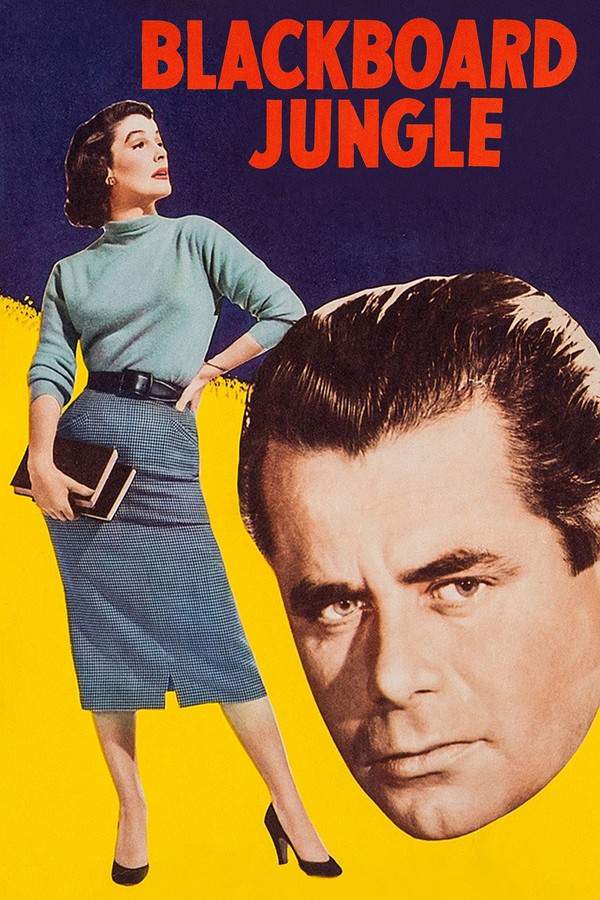
Blackboard Jungle (1955) Story Summary & Characters
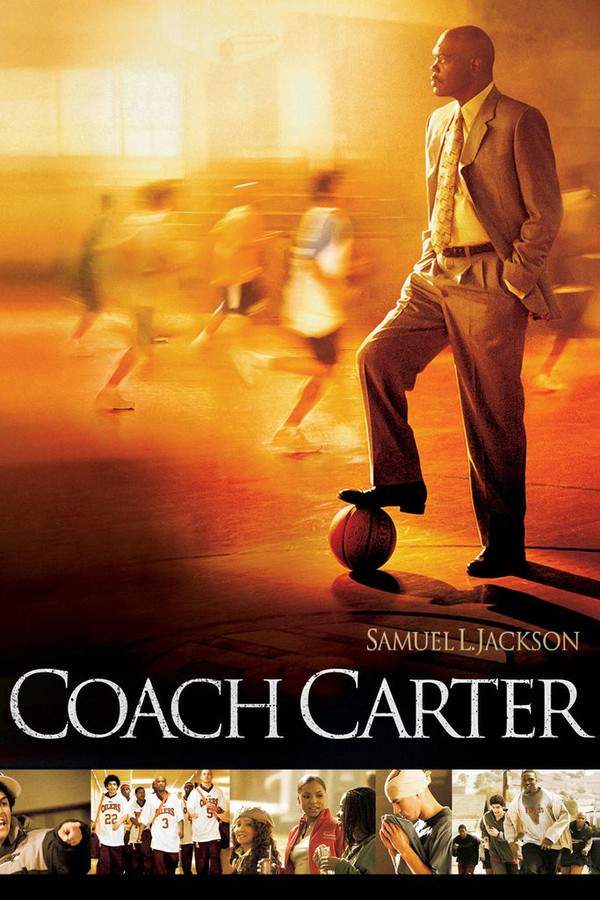
Coach Carter (2005) Plot Summary & Ending Explained
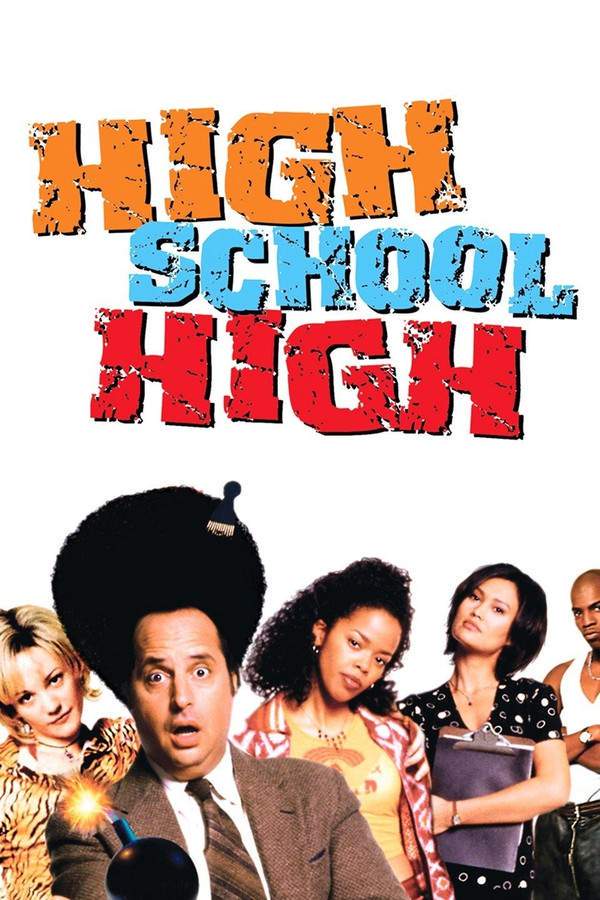
High School High (1996) Movie Recap & Themes
Lean on Me (1989) Film Overview & Timeline
American Teacher (2011) Full Summary & Key Details
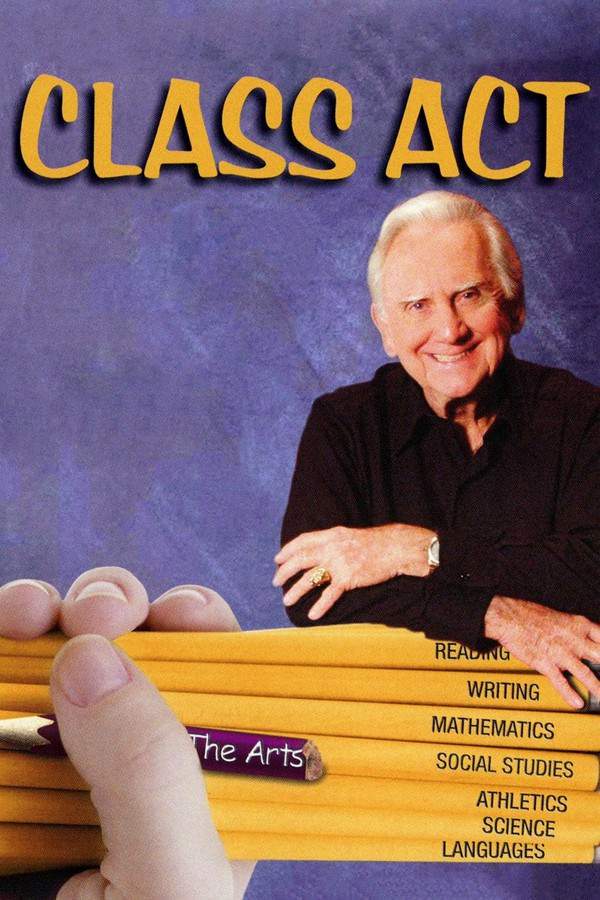
Class Act (1992) Complete Plot Breakdown
School of Life (2005) Detailed Story Recap
Knights of the South Bronx (2005) Full Movie Breakdown
The George McKenna Story (1986) Detailed Story Recap
Conrack (1974) Story Summary & Characters
In a Class of His Own (1999) Detailed Story Recap
One in a Million: The Ron LeFlore Story (1978) Full Movie Breakdown
Front of the Class (2008) Full Movie Breakdown