






Plot Explained Spoilers guaranteed!
Plot Explained

Browse by genre

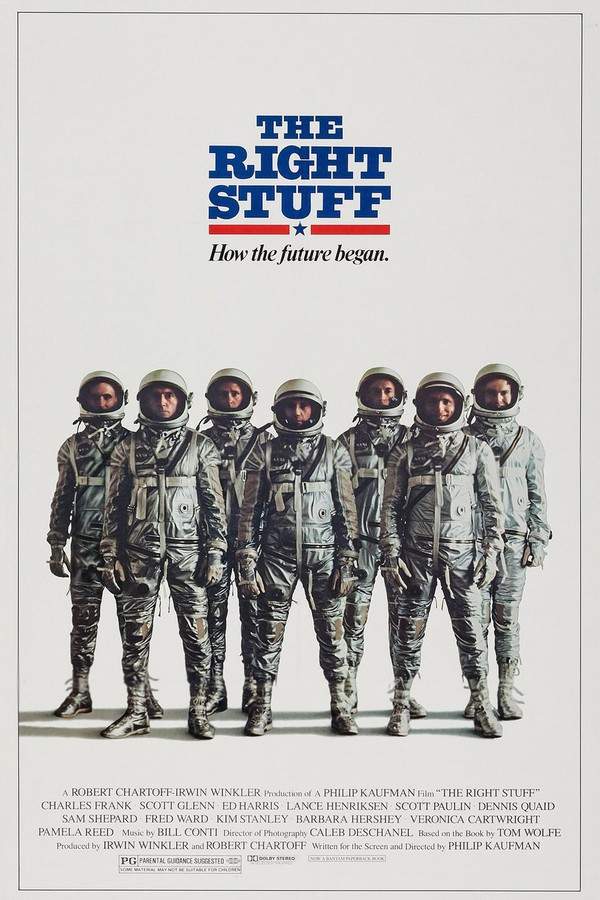
The Right Stuff (1983) movie poster

Timeline

The Right Stuff (1983) Timeline Explained – Every Event in Order

Release, runtime and language
1983 · 193 min · English
Directed by
Philip Kaufman
Starring
Veronica Cartwright, Dennis Quaid, Ed Harris, Sam Shepard, Fred Ward, Pamela Reed

This gripping story follows the Mercury Seven, America's first astronauts, as they pioneer the nascent space program. Faced with immense pressure and groundbreaking technological hurdles, test pilots like John Glenn and Alan Shepard push the boundaries of human endurance and risk everything in the name of exploration. The narrative explores their personal lives, intense training, and the political climate surrounding this ambitious endeavor, showcasing both their triumphs and the sacrifices they made during a pivotal moment in history.

On this page (6)
  1. 1 Where to watch
  2. 2 Events in order (15)
  3. 3 Timeline questions answered
  4. 4 Movie threads
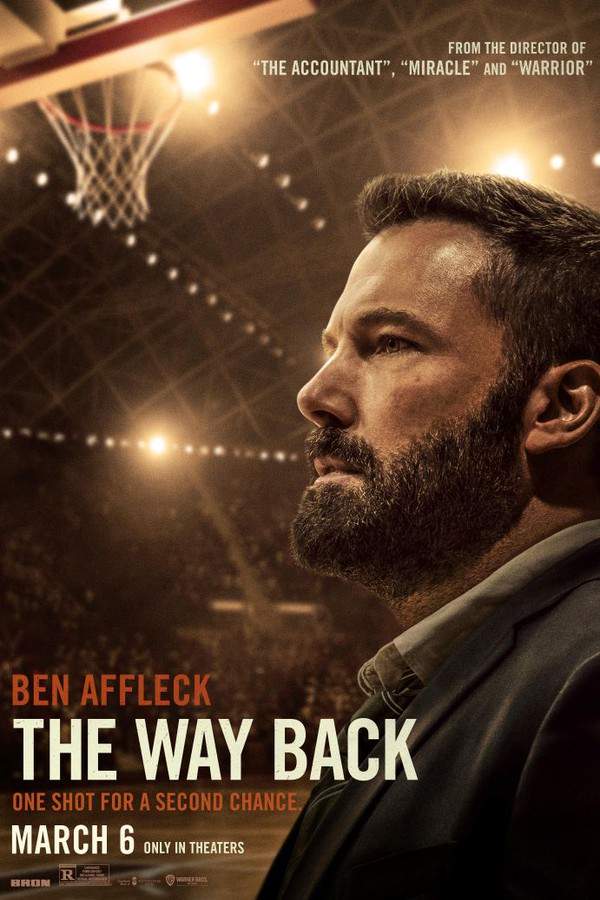
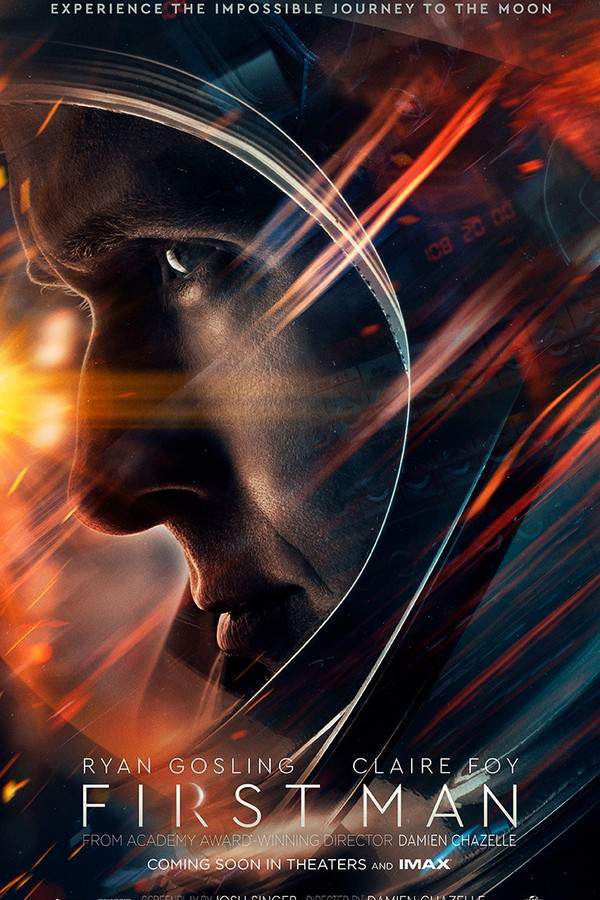
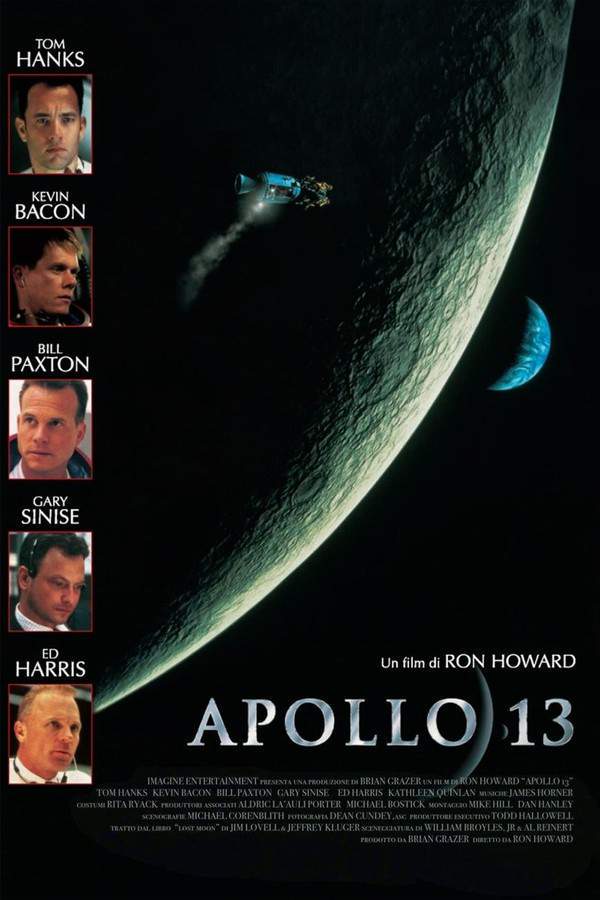
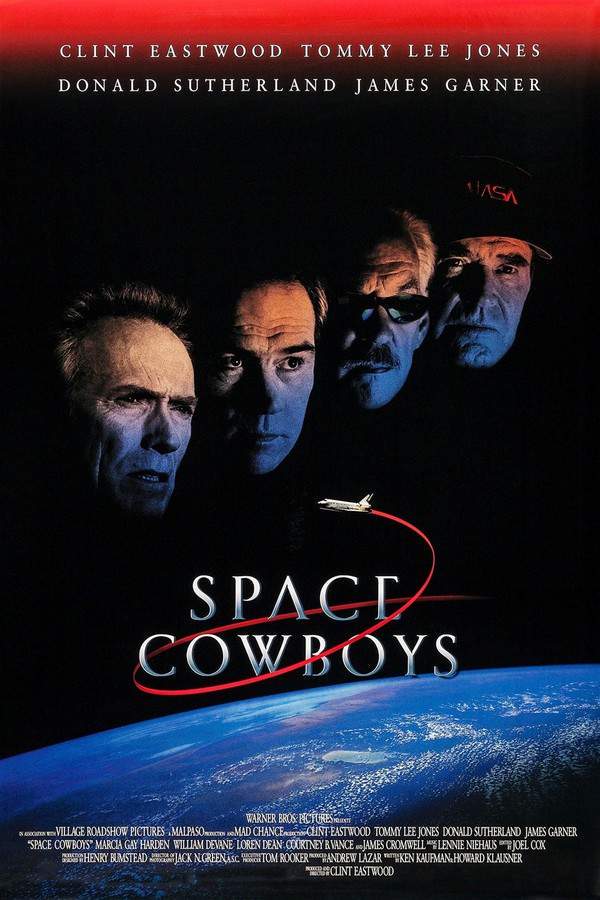
  5. 5 Movies like The Right Stuff
  6. 6 Every angle

Where to watch

Where to Watch The Right Stuff (1983)

Where can you watch The Right Stuff? Stream, rent or buy it in the US, including on Amazon Video, Apple TV Store and Fandango At Home: current JustWatch availability with up-to-date prices.

Streaming availability powered by JustWatch

15 events in order · contains spoilers

The Right Stuff Timeline: Events in Chronological Order

Every key event of The Right Stuff (1983) in order, scene by scene, with when and where it takes place. Use it to untangle flashbacks, time jumps and parallel storylines, to refresh your memory before the sequel or to find the exact scene you are thinking of.

  1. Tragic Test Pilot Crashes

    In 1947, Muroc Army Air Field became a site of sorrow as multiple test pilots paid the ultimate price for aviation innovation. Their crashes highlighted the risks faced by those daring to defy gravity during a pivotal time in aviation history.

    When
    1947
    Where
    Muroc Army Air Field
  2. Slick Goodlin's Ambition

    Legendary pilot Slick Goodlin aimed to break the sound barrier, seeking a staggering $150,000 for his attempt. His aspirations, however, were soon to be overshadowed by the arrival of Chuck Yeager, whose drive to conquer the skies was unmatched.

  3. Yeager's Horseback Riddle

    During a relaxed horseback ride with his wife Glennis, Chuck Yeager suffered an unexpected injury resulting in broken ribs. This freak accident posed a severe threat to his dream of piloting the Bell X-1, adding tension to an already high-stakes scenario.

  4. Breaking the Sound Barrier

    Despite his injury, Yeager ingeniously overcame the odds with the help of Jack Ridley, using a broomstick to secure the hatch of the Bell X-1. On October 14, 1947, he made history as the first human to break the sound barrier, achieving a monumental aviation milestone.

    When
    October 14, 1947
  5. Transformation of Muroc

    Following Yeager's success, Muroc Army Air Field evolved into Edwards Air Force Base, attracting elite test pilots. Major Yeager and his rival Scott Crossfield thrived in this new environment, marked by competitive spirit and a passion for speed.

    Where
    Edwards Air Force Base
  6. Rise of New Pilots

    A new generation of pilots emerged at Edwards, including Cooper, Grissom, and Slayton, seeking recognition in a fiercely competitive field. However, their journeys were fraught with the fear of the dangers posed by their chosen profession.

  7. The Sputnik Challenge

    With the launch of Sputnik in 1957, the U.S. government felt a pressing need to regain its status in the Space Race. Senator Lyndon B. Johnson rallied support for NASA, igniting a wave of urgency and competitive fervor within the space community.

    When
    1957
  8. Formation of the Mercury Seven

    NASA initiated a rigorous selection process for the first astronauts, leading to the formation of the Mercury Seven. This group included heroes like John Glenn and Alan Shepard, who were thrust into the spotlight amidst public fascination and national pride.

  9. Gagarin's Historic Flight

    On April 12, 1961, Yuri Gagarin became the first human in space, leaving the American space program at a crossroads. This milestone ignited a deeper resolve among the Mercury Seven to reclaim national pride and propel the nation forward.

    When
    April 12, 1961
  10. Alan Shepard's Historic Flight

    On May 5, 1961, Alan Shepard completed a 15-minute sub-orbital flight aboard Mercury-Redstone 3. His success marked a significant leap forward in the U.S. space program, signaling a renewed determination to meet the challenges ahead.

    When
    May 5, 1961
  11. Grissom's Near-Fatal Journey

    Gus Grissom undertook a sub-orbital flight on July 21, 1961. Despite his success, the mission was marred by a premature hatch blow, subjecting him to public scrutiny and anxiety yet reaffirming the perilous nature of their undertaking.

    When
    July 21, 1961
  12. Glenn's Orbital Triumph

    On February 20, 1962, John Glenn became the first American to orbit the Earth during the Mercury-Atlas 6 mission. His journey was celebrated nationwide, embodying the spirit of exploration and the fierce competition in the race to space.

    When
    February 20, 1962
  13. Celebration at Sam Houston Coliseum

    As the Mercury program progressed, a grand event at Sam Houston Coliseum honored the achievements of the nation's astronauts. This festive atmosphere reflected the public's admiration and recognition of the risks taken by these pioneers.

    Where
    Sam Houston Coliseum
  14. Yeager's NF-104A Incident

    Chuck Yeager faced a harrowing moment while attempting to break altitude records in his Lockheed NF-104A. An engine failure led to a high-speed ejection, resulting in severe burns, yet his resilience and determination shone through as he walked to safety.

  15. Gordo Cooper's Final Solo Flight

    On May 15, 1963, Gordo Cooper concluded the Mercury program with a solo mission aboard Mercury-Atlas 9. His successful flight not only solidified his legacy as a legendary figure but also showcased the culmination of human endeavor and exploration in space.

    When
    May 15, 1963

Last updated: November 22, 2024 at 15:10

Was this helpful?

Timeline questions answered

The Right Stuff Timeline Explained: Your Questions Answered

When does it happen, and why in that order? The questions people ask about the chronology of The Right Stuff (1983): time jumps, flashbacks, cause and effect between scenes and the correct order of events, each answered with spoilers.

Q1

Why did Yeager need a broomstick to fly the Bell X-1?

After breaking his ribs in a horseback riding accident just days before his scheduled sound barrier attempt, Yeager couldn't seal the cockpit hatch manually due to the pain. His friend and fellow test pilot Jack Ridley fashioned a makeshift lever from a broomstick, allowing Yeager to secure the hatch from outside and still achieve the historic first supersonic flight on October 14, 1947.

  • Chuck Yeager
  • Bell X-1
  • broomstick
  • sound barrier
  • broken ribs
  • Jack Ridley
Q2

Why was Yeager never selected as an astronaut?

Despite being the first pilot to break the sound barrier and one of the most skilled test pilots at Edwards Air Force Base, Yeager was passed over for the Mercury program. The primary reason was his lack of a college degree, which was a strict requirement for astronaut candidates during NASA's selection process. Yeager's military background and flying expertise weren't enough to overcome this educational prerequisite.

  • Chuck Yeager
  • astronaut
  • college degree
  • Mercury Seven
  • NASA selection
Q3

Why did the U.S. create NASA after Sputnik?

The Soviet Union's launch of Sputnik in 1957 shocked the United States and created fears of a technological and military gap with the USSR. Senator Lyndon B. Johnson and other leaders pushed for an urgent response to demonstrate American technological superiority. This urgency led to the rapid formation of NASA and the Mercury program aimed at putting an American in space before the Soviets could further capitalize on their early lead.

  • Sputnik
  • NASA
  • Space Race
  • Lyndon Johnson
  • 1957
  • Soviet Union
Q4

Why was Gus Grissom's spacecraft hatch a problem?

During Grissom's Mercury-Redstone 4 flight on July 21, 1961, the hatch blow prematurel prematurely, causing the capsule to flood with water as it splashed down. Grissom managed to escape, but the incident led to intense public scrutiny and controversy, with some questioning whether he had accidentally triggered the hatch. The problem prompted design changes for future Mercury capsules to prevent accidental opening.

  • Gus Grissom
  • Mercury-Redstone 4
  • hatch
  • capsule
  • spaceflight
  • 1961
Q5

Why did the test pilots call Mercury flights 'spam in a can'?

Test pilots at Edwards Air Force Base, including Yeager, viewed the Mercury spacecraft as overly restrictive compared to the dynamic flying they were accustomed to. The astronauts were essentially seated passengers in a tightly sealed capsule with limited control over the spacecraft's systems. The test pilots, who had risk their lives pushing aircraft to their limits, felt the Mercury program reduced pilots to mere cargo, hence the derisive 'spam in a can' comparison.

  • test pilots
  • spam in a can
  • Chuck Yeager
  • Mercury program
  • Edwards Air Force Base
  • astronauts
Q6

What happened to Yeager during the NF-104A record attempt?

While attempting to break altitude records in the Lockheed NF-104A, Yeager experienced engine failure at extremely high altitude. He was forced to eject at high speed, which caused him to fall through the atmosphere with insufficient parachute deployment time. He landed in a desert area and suffered severe burns, yet remarkably walked to the awaiting ambulance rather than waiting for rescue, demonstrating his characteristic toughness.

  • Chuck Yeager
  • NF-104A
  • altitude record
  • burns
  • ejection
  • engine failure
Q7

How were the Mercury Seven astronauts chosen?

NASA conducted an intense selection process, evaluating hundreds of military test pilots through rigorous psychological and physical examinations. Candidates were tested for their ability to handle isolation, stress, and unusual physical orientations. The final seven, John Glenn, Alan Shepard, Walter Schirra, Scott Carpenter, Gordon Cooper, Gus Grissom, and Deke Slayton, were chosen for their exceptional flying records, mental stability, and adaptability to the demands of spaceflight.

  • Mercury Seven
  • astronaut selection
  • NASA
  • John Glenn
  • Alan Shepard
  • psychological tests
Q8

Why was John Glenn's orbital flight historically significant?

On February 20, 1962, John Glenn became the first American to orbit the Earth during Mercury-Atlas 6. His successful three-orbit mission was crucial for restoring American pride after Yuri Gagarin's pioneering flight. The mission faced multiple potential problems, heat shield concerns, a thruster malfunction, yet Glenn's calm performance demonstrated that Americans could match Soviet achievements in space, making him an instant national hero.

  • John Glenn
  • Mercury-Atlas 6
  • first American orbit
  • 1962
  • space race
  • national hero
Q9

What was the connection between Muroc Army Air Field and Edwards Air Force Base?

Muroc Army Air Field in California, where Yeager broke the sound barrier, was renamed Edwards Air Force Base in honor of Captain Glen Edwards, who died testing the North American YF-93. The base became the premier location for test flight experimentation, hosting elite pilots like Yeager and Scott Crossfield who pushed the boundaries of aviation technology throughout the late 1940s and 1950s.

  • Muroc
  • Edwards Air Force Base
  • Chuck Yeager
  • test pilots
  • Glen Edwards
  • California
Q10

Why was Alan Shepard's flight considered a priority for America?

Alan Shepard's sub-orbital flight on May 5, 1961, nicknamed 'Freedom 7', was the first American human spaceflight, coming just three weeks after Yuri Gagarin's historic orbit. Though technically less ambitious than Gagarin's journey, Shepard's successful flight was crucial for American morale and demonstrated that the U.S. could match Soviet achievements. The mission helped restore confidence in the American space program during the height of the Space Race.

  • Alan Shepard
  • Freedom 7
  • Mercury-Redstone 3
  • first American spaceflight
  • 1961
  • Yuri Gagarin

Movie threads

More Movies Like The Right Stuff, by Mood & Story

Curated lists built around what makes The Right Stuff tick: the same mood, the same kind of story or the same emotional payoff. Each list explains why these movies belong together.

High-stakes historical epics like The Right Stuff

True stories of immense pressure and national ambition during pivotal historical moments. If you enjoyed the tense, inspiring journey of The Right Stuff, explore more movies like it. This collection features similar historical epics about overcoming immense odds, where the stakes are high and the emotional weight is heavy, focusing on true stories of national ambition and personal sacrifice.

  • epic
  • tense
  • inspiring
  • tragic
  • determined
  • somber
  • Tone: hopeful, tense
  • Pacing: steady, epic
Why these movies?

The story pattern: Stories in this thread follow a clear, often chronological progression, building towards significant historical milestones. The narrative balances the grand scale of a national endeavor with intimate portraits of the key figures involved, exploring their personal sacrifices, rivalries, and the psychological toll of their mission. The journey is one of determined effort against overwhelming odds.

Why they belong together: Movies are grouped here because they share a specific mix of high intensity, a hopeful yet bittersweet tone, and a steady pacing that builds towards real-world achievements. They all capture the feeling of a nation watching its pioneers, blending celebratory triumphs with a sober awareness of the human cost.

Movies about costly professional ambition like The Right Stuff

Stories where great professional achievements come at a deep personal price. For viewers who liked The Right Stuff's exploration of ambition and sacrifice, this list features similar movies about professional obsession. These films show characters pushing human limits in competitive environments, resulting in triumphant but bittersweet endings where success is shadowed by personal cost.

  • competitive
  • determined
  • bittersweet
  • somber
  • tense
  • inspiring
  • Tone: bittersweet, determined
  • Pacing: steady, focused
Why these movies?

The story pattern: The narrative pattern revolves around a group or individual striving for a peak professional accomplishment. The journey is marked by fierce competition, intense training, and life-or-death risks. While the central goal is achieved, the conclusion is rarely purely happy; it acknowledges the personal relationships strained, the rivals left behind, or the tragic losses incurred along the way.

Why they belong together: These movies are connected by their exploration of the bittersweet nature of extreme ambition. They share a heavy emotional weight, a tone that balances hope with somber reflection, and a focus on the complex price of being the best in a high-stakes field. The ending feel is consistently a mixture of accomplishment and melancholy.

If you liked this

Movies Like The Right Stuff

Similar movies to The Right Stuff: the same genre, themes or kind of story. Each one comes with its own plot summary, timeline and ending explained.

Browse all movie summaries

Every angle

The Right Stuff (1983) Explained: Plot, Timeline & Characters

Everything about The Right Stuff in one place: what happens in the plot summary, the timeline in chronological order, the characters and meaning and a spoiler-free summary. What's After the Movie adds the cast, box office and post-credit scenes.

Coming soon on iOS and Android

The Plot Explained Movie Summary App

Plot summaries, endings explained and timelines on your phone. Catch up on any movie in minutes, save your favorites and never miss a twist again.

Be the first to know when we launch. Your email stays private, always.

Learn more about the app