Year: 1951
Runtime: 118 mins
Language: English
Director: William A. Wellman
Roy Whitman sees a shortage of respectable women on the frontier and arranges a caravan of over 100 mail‑order brides traveling from Chicago to California. To guide the perilous trek he hires the hard‑nosed Buck Wyatt. As the group endures treacherous terrain and an unexpected disaster, Wyatt learns the women are far stronger and more resilient than he ever imagined.
Find where to stream, rent, or buy Westward the Women (1951) in the US with current JustWatch availability, up-to-date pricing, and platform listings for subscription, rental, and digital purchase options.
Warning: spoilers below!
Haven’t seen Westward the Women yet? This summary contains major spoilers. Bookmark the page, watch the movie, and come back for the full breakdown. If you're ready, scroll on and relive the story!
Read the complete plot breakdown of Westward the Women (1951), including all key story events, major twists, and the ending explained in detail. Discover what really happened, and what it all means.
In 1851, the rugged and isolated Roy Whitman and his fellow working men in Whitman’s Valley, California, face a deep sense of loneliness and longing for companionship. Recognizing that a lack of women could threaten the future of their community, Roy devises a bold plan: to travel across the country to find women willing to settle in their valley and marry. His mission takes him from his small town to Chicago, Illinois, where he begins recruiting women brave enough to undertake the arduous journey westward. Among those he gathers are a diverse group of women, each with their own stories and reasons for leaving home. These include the middle-aged widow Patience Hawley, pregnant and unmarried Rose Meyers, and two former showgirls, Fifi Danon and Laurie Smith. To help them find suitable husbands, the women select their future partners from a collection of daguerreotypes pinned to a display board, setting the stage for the long journey ahead.
Roy enlists the experienced wagon master Buck Wyatt, who is responsible for leading the caravan of Conestoga wagons and trail hands. The expedition begins in St. Joseph, Missouri, where the women and men prepare for the treacherous trek across the American wilderness. Among the diverse crew is a determined and diminutive Japanese man named Kentaro Ito, who persuades Buck to include him as the cook, despite skepticism from others. Before setting out, Buck issues strict warnings to avoid romantic entanglements, recalling how such relationships have previously caused chaos and heartbreak on similar journeys.
The women, under the guidance of seasoned trail women, learn vital skills such as harnessing draft animals and driving wagons. After a week of rigorous training, the caravan finally moves westward, facing the challenges of the untamed frontier. The journey proves difficult and dangerous, with the group enduring natural hardships and internal conflicts. As tensions rise, Buck swiftly executes one of the trail hands for raping Laurie, which prompts a mass exodus—eight women and several men abandon the trek in the dead of night. Despite the setbacks, Roy wishes to turn back, but Buck, confident in their ability, encourages the remaining group to continue. He teaches the women how to shoot for self-defense, demonstrating their resilience.
Tragedy struck further when young Tony Moroni, the son of Italian widow Mrs. Moroni, is accidentally shot during a lesson in shooting safety. Devastated by her loss, Mrs. Moroni refuses to leave her son’s grave, and Buck, fearing she might harm herself, hogties her and leaves her with Patience and Rose in their wagon. Over the following weeks, the group faces numerous hardships, including attacks from indigenous Americans that result in the deaths of Roy, Sid, and six women. In a harrowing episode, Laurie drowns during a severe rainstorm when her wagon is swept into a river, marking a tragic loss for the group. Despite these tragedies, blossoming romances begin to emerge, and Buck finds himself falling in love with Fifi, the former showgirl.
As they approach the desert border, Buck orders the group to lighten their wagons by discarding furniture and fine clothing, enabling easier travel across the unforgiving landscape. Many women continue on foot, enduring the harsh environment. Along the way, Rose goes into labor and gives birth to a son, symbolizing hope amid hardship. The caravan halts at a small lake, where the women, determined to present themselves well for their future husbands, demand new dresses fashioned from whatever fabric they can find. Buck rides into town to gather supplies, orchestrating a community effort to prepare the women for their encounters.
Finally, at their destination, the women meet the men they selected, each of whom has waited anxiously for their arrival. Patience, with her confident and commanding presence, boldly approaches her prospective husband. Mrs. Moroni reunites with a kind Italian citrus farmer, and Rose is warmly greeted by her chosen partner. As some couples dance under the stars, others line up to get married by a preacher, stepping into a new chapter of their lives. Ito, having achieved reconciliation with Buck, and Fifi, find happiness and union in the unpredictable journey they endured, illustrating themes of perseverance, love, and the resilience of the human spirit amid the vast and unforgiving frontier.
Last updated: August 19, 2025 at 05:15
Explore frequently asked questions about Westward the Women (1951) with spoiler-rich answers covering the full plot summary, major story beats, character motivations, hidden details, and ending meaning. This movie summary FAQ helps explain confusing scenes, plot twists, and narrative decisions in clear, searchable detail.
Buck executed a trail hand after he raped Laurie, one of the women in the caravan. This swift and harsh action was meant to maintain order and protect the remaining women, as Buck had warned against romantic entanglements and would not tolerate violence against the passengers. The execution ultimately led to most of the men abandoning the group in the dead of night, taking eight women with them.
Buck had earlier warned the group to avoid romantic entanglements, citing how they had destroyed previous wagon trains.
When Buck executed the trail hand for raping Laurie, the remaining men were frightened and decided to abandon the trek. Eight women chose to go with them, likely because they were either related to the deserting men, had formed attachments during the journey, or feared remaining with a group led by someone who had just killed a man.
Earlier, Buck had warned about the dangers of romantic relationships forming between the men and women on the trail.
Tony Moroni was accidentally shot during a shooting safety lesson conducted by the group. The accidental shooting devastated his mother, Mrs. Moroni, who refused to leave her son's grave. Fearing she might harm herself in her grief, Buck hogtied her and left her with Patience and Rose in their wagon to ensure she would continue the journey.
Roy Whitman was killed during an attack by indigenous Americans, along with another man named Sid and six women from the caravan. This attack was one of many hardships the group endured while crossing the frontier, and it resulted in significant losses before they reached their destination.
The journey was described as treacherous from the start, with the group facing natural hardships and constant danger.
Laurie Smith drowned when her wagon was swept into a river during a severe rainstorm. The powerful waters overwhelmed the wagon, and despite the group's efforts, Laurie could not be saved. Her death marked another tragic loss for the caravan during their arduous journey westward.
The timeline notes the group faced numerous natural hardships including dangerous river crossings.
After the trail hands deserted the group following the execution, Buck was left with fewer men to protect over a hundred women. Facing the reality that they could not complete the journey without adequate defense, Buck made the pragmatic decision to train the women how to shoot firearms for self-defense, transforming the passengers into capable defenders.
After the mass desertion, Roy wanted to turn back but Buck insisted they could continue if they trained the women.
As the caravan approached the desert border, Buck ordered the women to lighten their wagons by discarding furniture and fine clothing to make crossing the unforgiving desert terrain easier. The heavy wagons were slowing progress and risking the group's survival in the harsh desert conditions, so reducing weight became essential to completing the journey.
Rose Meyers was pregnant when she joined the caravan in Chicago, and she went into labor naturally as the group pushed forward through the harsh desert environment. Despite the extreme conditions, Rose successfully gave birth to a son, symbolizing hope and new life amid the hardships. The baby represented future promise for the community they were building.
The summary notes Rose was pregnant and unmarried when recruited in Chicago.
Buck and Fifi Danon's relationship grew organically through shared hardship and mutual respect during the perilous journey. As they faced tragedies, dangerous terrain, and near-impossible challenges together, Buck came to see Fifi not as a flighty showgirl but as a resilient woman capable of enduring the frontier. Their connection deepened over weeks of adversity, culminating in their reconciliation and marriage at the journey's end.
Kentaro Ito, a Japanese man, persuaded Buck Wyatt to include him as the cook for the caravan despite skepticism from others. Ito demonstrated that his skills in the kitchen would be valuable to the group, and his persistence paid off. He eventually reconciled with Buck during the journey and found happiness by marrying Fifi Danon after Buck chose to marry someone else.
Patience Hawley was a middle-aged widow who had already experienced marriage and possessed a confident, commanding presence. Unlike the younger women who may have been more timid, Patience approached her prospective husband boldly at the destination, demonstrating the self-assurance that had driven her to undertake the dangerous journey in the first place.
After Tony's accidental death, Mrs. Moroni was consumed by grief and refused to leave his grave. Buck hogtied her and placed her in the wagon with Patience and Rose, effectively forcing her to continue. Over the following weeks, she eventually recovered enough to reach the destination, where she was reunited with a kind Italian citrus farmer whom she had selected from the daguerreotypes, finding new hope after her devastating loss.
Discover curated groups of movies connected by mood, themes, and story style. Browse collections built around emotion, atmosphere, and narrative focus to easily find films that match what you feel like watching right now.
Stories of communities enduring brutal journeys to forge a new life.If you liked the tough survival story in Westward the Women, explore more movies about arduous journeys and community building on the frontier. These similar Westerns and dramas feature high-stakes travel, strong character bonds, and the bittersweet triumph of overcoming nature and tragedy.
This thread follows linear journeys where a diverse group faces a relentless series of environmental and human threats. The narrative structure is often a travelogue of escalating challenges, testing the physical and emotional limits of the characters. Success is measured not by the absence of loss, but by the strength gained and the community solidified through shared suffering.
Movies are grouped here for their shared focus on high-intensity survival against a epic backdrop, a steady pacing that builds endurance, and a core theme of resilience. They deliver a heavy emotional experience balanced by a hopeful, triumphant spirit, even when the ending is bittersweet.
Arduous quests where triumph is deeply intertwined with profound sacrifice.Find movies like Westward the Women that balance heavy emotional themes with a hopeful core. These stories feature characters who endure tragedy and grief on a difficult path, leading to an ending that is both triumphant and sorrowful, perfect for viewers who appreciate depth and realism.
The pattern involves a central goal that requires immense sacrifice, often the loss of beloved characters along the way. The plot uses these tragedies not just for shock value but to deepen the stakes and redefine what success means. The climax achieves the initial objective, but the resolution is tempered by mourning and the memory of what was lost, creating a deeply felt, bittersweet conclusion.
This thread unites films that masterfully blend high sadness scores with a fundamentally hopeful tone. They share a steady, deliberate pacing that allows emotional weight to build, resulting in a powerful, bittersweet ending feel. The experience is defined by this specific emotional alchemy of grief and perseverance.
Don't stop at just watching - explore Westward the Women in full detail. From the complete plot summary and scene-by-scene timeline to character breakdowns, thematic analysis, and a deep dive into the ending - every page helps you truly understand what Westward the Women is all about. Plus, discover what's next after the movie.
Track the full timeline of Westward the Women with every major event arranged chronologically. Perfect for decoding non-linear storytelling, flashbacks, or parallel narratives with a clear scene-by-scene breakdown.
Discover the characters, locations, and core themes that shape Westward the Women. Get insights into symbolic elements, setting significance, and deeper narrative meaning - ideal for thematic analysis and movie breakdowns.
Discover movies like Westward the Women that share similar genres, themes, and storytelling elements. Whether you’re drawn to the atmosphere, character arcs, or plot structure, these curated recommendations will help you explore more films you’ll love.
Westward the Women (1951) Scene-by-Scene Movie Timeline
Westward the Women (1951) Movie Characters, Themes & Settings
Westward the Women (1951) Spoiler-Free Summary & Key Flow
Movies Like Westward the Women – Similar Titles You’ll Enjoy
Slow West (2015) Story Summary & Characters
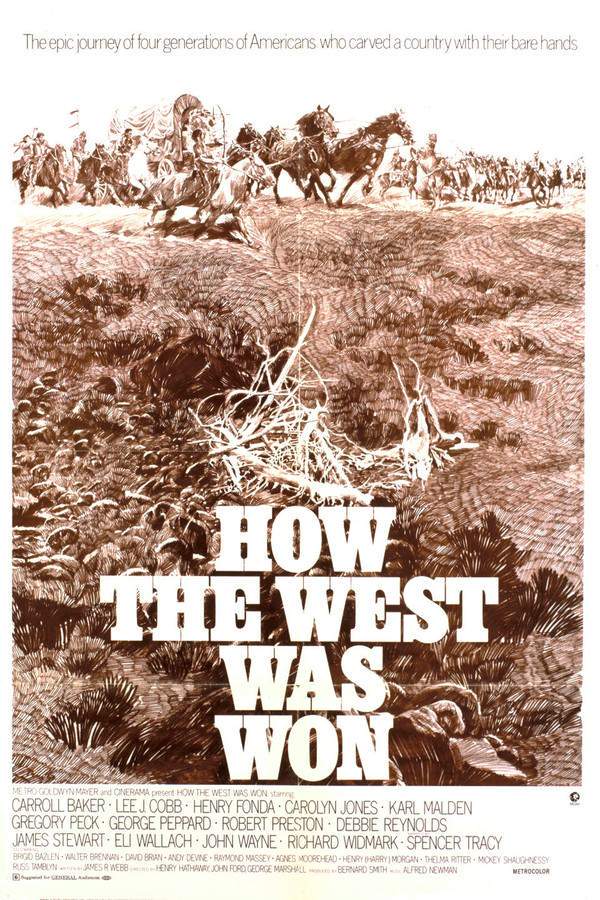
How the West Was Won (1963) Plot Summary & Ending Explained
The Way West (1967) Complete Plot Breakdown
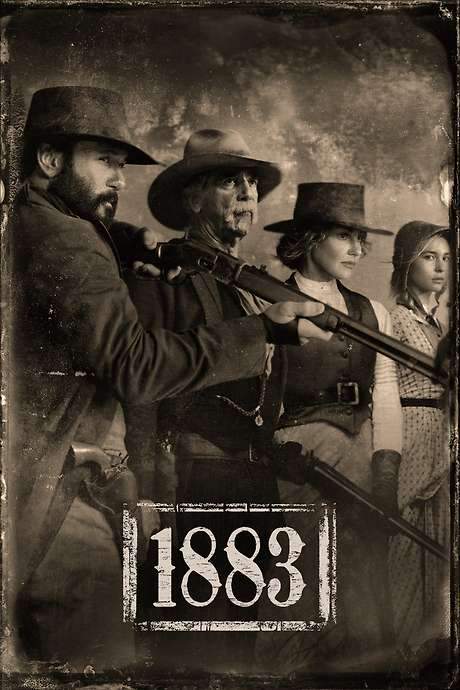
1883 (1000) Full Summary & Key Details
Wagons West (1952) Full Summary & Key Details
Westward Ho, The Wagons! (1956) Ending Explained & Film Insights
Outlaw Women (1952) Film Overview & Timeline
The Violent Men (1955) Complete Plot Breakdown
In the Wild West (1964) Ending Explained & Film Insights
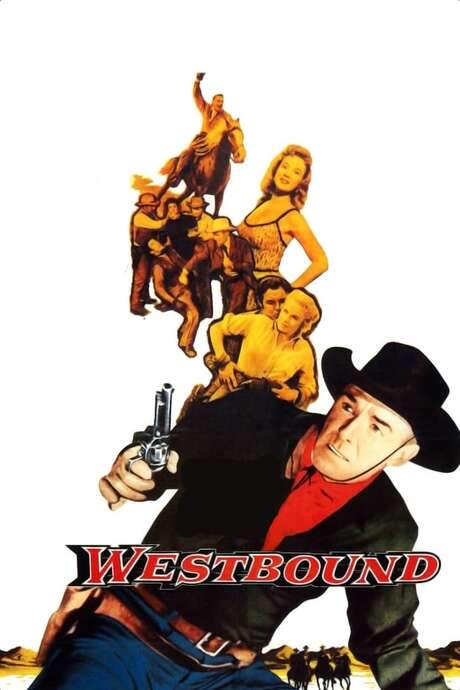
Westbound (1959) Spoiler-Packed Plot Recap
West of the Pecos (1945) Film Overview & Timeline
Westward Ho (1935) Movie Recap & Themes
The Tall Women (1966) Complete Plot Breakdown
The Gal Who Took the West (1949) Full Summary & Key Details
Go West, Young Lady (1941) Complete Plot Breakdown